Norada Real Estate Investments

  • Home
  • Markets
  • Properties
  • Membership
  • Podcast
  • Learn
  • About
  • Contact

Single-Family vs. Townhome: Which is the Real Cash Flow Winner for Investors?

November 18, 2025 by Marco Santarelli

Single-family vs. Townhome: Which is the Real Cash Flow Winner for Investors?

If you’re serious about building wealth through rental properties, you’ve probably spent hours staring at listings, running numbers, and trying to decide: Do I go for the big, classic Single-Family Home (SFH), or do I lean into the efficiency of a townhome? This isn’t just a philosophical debate; it's a cold, hard math problem.

Single-Family vs. Townhome: Which is the Real Cash Flow Winner for Investors?

When we look strictly at the question of single-family home vs. townhome—specifically in terms of which yields better cash flow—my experience suggests that townhomes often deliver higher immediate gross cash flow due to their lower entry price. However, single-family homes tend to provide more reliable and stronger net cash flow over the long term, assuming capital expenditures are managed wisely. Ultimately, it comes down to control, predictability, and those sneaky monthly fees that can eat into returns.

I’ve owned both types of properties across several different markets, and what I’ve learned is that the difference between these two asset classes is far more complex than just comparing the monthly rent amount. It touches on financing, maintenance control, and most importantly, the psychological toll of unexpected bills. Let’s break down where the real money is made—or lost—in each investment type.

Why We Need to Talk About Net Cash Flow, Not Just Rent

When new investors talk about cash flow, they often get excited about the Gross Rent Multiplier or the high monthly rent check. But that initial rent check is just the starting point. The real game is net cash flow. This is the money left over after every expense is paid.

Think of it this way: a townhome might rent for $1,800, and a single-family home down the street might rent for $2,200. On the surface, the SFH looks better. But what if the SFH costs $300,000 and the townhome costs $200,000? Suddenly, the townhome requires less money down and produces a higher return relative to its cost. That’s the Rent-to-Value (RTV) ratio at work.

However, the townhome has an unavoidable $350 monthly Homeowners Association (HOA) fee, while the SFH has zero. Now, that initial cash flow advantage for the townhome starts to crumble.

To truly compare these two options, we must look at the following components of Net Cash Flow:

  1. Mortgage Payments: (Principal, Interest, Taxes, Insurance – PITI)
  2. Operational Expenses: (Repairs, Management Fees, Utilities if applicable)
  3. Capital Expenses (CapEx) Reserves: (Money set aside for future big repairs like roofs, HVAC)
  4. HOA Fees/Special Assessments: (The big differentiator)

The Single-Family Home (SFH) Investment Profile

Investing in SFHs is the classic real estate move for a reason. They offer the highest degree of control, which is the key to predictable cash flow.

Cash Flow Characteristic: Slower Start, Stronger Legs

The primary challenge with SFHs is the high entry barrier. They usually cost significantly more than an equivalent townhome in the same area. This means you need a larger down payment, which drags down your initial Cash-on-Cash Return.

However, once you are past that initial hurdle, the cash flow tends to be incredibly steady. Why? Because you are responsible for everything, which means you set the budget for maintenance.

Key Advantages for SFH Cash Flow:

  • Insurance Savings: While you pay 100% of the property insurance, you are not paying into a separate, often overpriced, HOA master policy.
  • Appreciation & Equity: SFHs generally appreciate faster because the tenant is renting both the structure and the land. Land appreciates; buildings depreciate. This stable equity build-up provides a strong safety net for refinancing or selling later.
  • Maintenance Control: When the roof leaks, I call my roofer, not a slow-moving HOA board. This control minimizes downtime and prevents expensive, unplanned special assessments from hitting my reserves.

Where cash flow gets hit hardest with an SFH is during turnover. When a roof, HVAC system, or water heater goes out, it’s 100% your responsibility, and that single event can wipe out an entire year’s worth of cash flow. This is why disciplined CapEx saving is non-negotiable for SFHs. I typically budget 10% of gross rent for annual repairs and maintenance, plus an additional $200-$300 per month for CapEx reserves on major systems.

The Townhome Investment Profile

Townhomes, typically attached structures that share at least one wall, are often the darling of investors with smaller capital pools. They offer a fantastic entry point into specific neighborhoods that might otherwise be too expensive for a detached home.

Cash Flow Characteristic: High Immediate Yield, High Fee Volatility

Because a townhome costs less than a comparable SFH, the RTV ratio is often highly favorable. If you can buy a $250,000 townhome that rents for $1,800, that looks great compared to a $400,000 SFH that rents for $2,200. Your initial cash-on-cash return will likely be higher on the townhome.

But there is a cash flow predator lurking in the shadows: The HOA Conundrum.

The Problem with the HOA Fee:

The HOA fee is the single biggest threat to sustainable townhome cash flow. When I analyze a townhome deal, I treat the HOA fee as a non-negotiable, fixed operational cost that offers zero tax benefit (unlike mortgage interest or property taxes).

The HOA fee covers external maintenance (roofs, siding, common areas, sometimes water/trash). This sounds great because it shifts the burden of CapEx. However, you are losing control and introducing unpredictability.

Cash Flow Hurdle Description Impact on Net Cash Flow
Rising Fees HOAs raise fees annually, often matching inflation or more. You cannot raise the rent fast enough to always cover these unpredictable hikes. Eats into monthly net profit.
Special Assessments If the HOA reserve fund is poorly managed or a catastrophic event occurs (like the need for an entire community roof replacement), the HOA can levy a massive, one-time bill (e.g., $5,000 to $20,000). Can instantly erase years of positive cash flow.
Rental Restrictions Many HOAs cap the number of units that can be rented out. If the cap is full, you cannot rent your unit, leading to zero cash flow and a massive liability. Risk of total rental income loss.

In my experience, SFH repairs are predictable and manageable through disciplined saving. Townhome special assessments are financial hand grenades—they detonate without warning and are non-negotiable.

Deep Dive: The Hidden Costs That Steal Cash Flow

To truly compare the net cash flow of both property types, we have to look past the rent and the mortgage payment and focus on the less obvious operational expenses.

1. Insurance Costs: The Policy Split

For an SFH, you purchase one master insurance policy (HO-3), covering the structure, liability, and contents. Simple.

For a townhome, insurance often splits into two parts:

  1. Master Policy (HOA): Covers the exterior structure, roof, and common areas. You pay for this through your HOA dues.
  2. H0-6 Policy (Investor): Covers the interior “walls-in,” your liability, and your tenant’s belongings (if applicable).

If the HOA’s master policy has a high deductible (say, $10,000), and a minor roof leak happens, the HOA might refuse to pay, leaving you stuck with the repair bill. If your investor policy covers things the HOA thought they covered, you might be double-paying. I always spend extra time reviewing the HOA master policy documents; ignoring them is the fastest way to invite negative cash flow surprises.

2. Vacancy Rates and Tenant Profile

Cash flow stops dead when a unit is vacant. While both property types can attract quality tenants, the turnover frequency often differs.

SFH tenants tend to be long-term renters (families, those with pets, or people who want a yard). They are generally willing to sign multi-year leases, which provides unparalleled cash flow security.

Townhome tenants often include young professionals, couples, or downsizers. While great tenants, they might be more transient, often moving after 12 to 18 months. Higher turnover means more maintenance costs, more downtime, and therefore, lower total annual cash flow.

The Golden Ratio: When Townhomes Win the Initial Battle

There is one area where the townhome unequivocally shines: the Return on Investment (ROI) for limited capital.

Let’s say you have $70,000 to invest.

  • You could maybe buy one SFH, but you might need to use that capital for the down payment, closing costs, and leaving almost nothing for reserves.
  • You could potentially buy two townhomes, splitting the capital across two lower-priced units.

Diversification is a cash flow guard. If one townhome unit sits vacant for two months, you still have rent coming in from the second unit. If your single SFH sits vacant, your cash flow is zero. This factor is crucial for new investors prioritizing diversification and high immediate cash-on-cash return.

Comparison Point Single-Family Home (SFH) Townhome
Initial Cost Higher Lower
Immediate Cash Flow (Gross) Lower RTV Ratio Higher RTV Ratio (often)
Long-Term Net Cash Flow More predictable and stable Highly susceptible to HOA/Assessments
Maintenance Control 100% Control (Highest CapEx burden) Shared Control (Lower personal CapEx, higher fee risk)
Tenant Stability Typically longer tenancy (good for cash flow) Shorter tenancy common (higher turnover)
Exit Strategy Better long-term appreciation potential Higher liquidity (easier to sell quickly)

My Personal Take: When Does One Outshine the Other?

When deciding between these two property types, I don't look at which one always yields better cash flow; I look at which one provides better cash flow relative to my investment goals.

Choose the Single-Family Home if:

  • You have a higher budget and are focused on long-term wealth building through equity and depreciation benefits.
  • You prioritize control and predictability. You would rather have a large, planned expense ($15,000 for a new roof) than a sudden, unplanned assessment ($8,000 levied by an HOA).
  • Your strategy relies on attracting and retaining long-term tenants.

Choose the Townhome if:

  • You have limited capital and need the highest immediate cash-on-cash return to reinvest quickly.
  • You prefer a more hands-off investment where exterior maintenance is handled (even if you pay for it via fees).
  • The HOA is very well managed with high reserves, low fees, and proven stability—a rare but powerful combination.

Ultimately, cash flow success rests on the foundation of minimizing unpredictable risk. Because the Single-Family Home allows me to directly manage my expenses and maintenance timeline, eliminating the financial chaos of external fees and assessments, I firmly believe it offers a better path for sustainable, long-term net cash flow generation. The slightly lower immediate yield is a small price to pay for that level of financial control and peace of mind. You are the boss, and in real estate investing, the boss gets to choose the budget.

The Ultimate Guide to Passive Real Estate Investing

Download Your FREE Guide to Passive Real Estate Wealth

Real estate investing has created more millionaires than any other path—and this guide shows you how to start or scale with turnkey rental properties.

Inside, you’ll learn how to analyze cash flow and returns, choose the best markets, and secure income-generating deals—perfect for building long-term wealth with minimal hassle.

🔥 FREE DOWNLOAD AVAILABLE NOW! 🔥

Download

Single-Family vs. Townhome: Which Delivers Stronger Cash Flow?

Both property types offer unique advantages—but smart investors are comparing HOA fees, tenant demand, and maintenance costs to find the better-performing asset.

Norada Real Estate helps you analyze cash flow potential across markets—so you can choose the right property type for your goals and build passive income with confidence.

🔥 HOT NEW LISTINGS JUST ADDED! 🔥

Talk to a Norada investment counselor today (No Obligation):

(800) 611-3060

Get Started Now

Recommended Read:

  • 5 Hottest Florida and Texas Markets for Real Estate Investors in 2025
  • Best Places to Invest in Real Estate This November 2025
  • How to Secure Your Retirement With Cash-Flowing Rental Properties
  • Why Turnkey Real Estate Still Beats Today's High Mortgage Rate Climate
  • Best Places to Invest in Single-Family Rental Properties in 2025
  • Why Real Estate Can Thrive During Tariffs Led Economic Uncertainty
  • Rise of AI-Powered Hyperlocal Real Estate Marketing in 2025
  • Real Estate Forecast Next 5 Years: Top 5 Predictions for Future
  • 5 Hottest Real Estate Markets for Buyers & Investors in 2025
  • Will Real Estate Rebound in 2025: Top Predictions by Experts
  • Recession in Real Estate: Smart Ways to Profit in a Down Market
  • Will There Be a Real Estate Recession in 2025: A Forecast
  • Will the Housing Market Crash Due to Looming Recession in 2025?
  • 4 States Facing the Major Housing Market Crash or Correction
  • New Tariffs Could Trigger Housing Market Slowdown in 2025
  • Real Estate Forecast Next 10 Years: Will Prices Skyrocket?

Filed Under: Real Estate, Real Estate Investing Tagged With: cash flow, Real Estate Investing, Single-Family Homes, Townhome

Best Places to Invest in Single-Family Rental Properties in 2025

October 8, 2025 by Marco Santarelli

Best Places to Invest in Single-Family Rental Properties in 2025

Looking for the best places to invest in single-family rentals in 2025? You've come to the right place! Based on a new report by ATTOM, the top 10 counties for buying single-family rentals in 2025 offer a sweet spot of wage growth and attractive rental yields. Keep reading to discover which counties made the list and why they're poised for success.

Best Places to Invest in Single-Family Rental Properties in 2025

Why Single-Family Rentals?

Before we dive into the specific counties, let's quickly recap why single-family rentals (SFRs) are a popular investment choice. They offer several benefits:

  • Consistent Cash Flow: Rental income provides a steady stream of revenue.
  • Appreciation Potential: Real estate tends to increase in value over time.
  • Tax Advantages: Depreciation, mortgage interest, and other expenses can be tax-deductible.
  • Tangible Asset: Unlike stocks or bonds, you can physically see and manage your investment.

However, not all markets are created equal. Finding the right location is crucial for maximizing returns and minimizing risks. Factors like job growth, population trends, affordability, and local regulations can significantly impact the profitability of an SFR investment.

The Big Picture: Rental Yields in 2025

ATTOM's Q1 2025 Single-Family Rental Market Report paints an interesting picture of the SFR market. Across the 361 counties analyzed, the projected annual gross rental yield for three-bedroom properties in 2025 is 7.45%. While that's a decent return, it's slightly down from the 2024 average of 7.52%.

The report suggests that rental yields are expected to decline in nearly 60% of the analyzed counties between 2024 and 2025. This is largely due to home prices increasing faster than rents in many areas. In fact, median single-family home prices rose faster than median rents in 54% of the markets studied. Between 2024 and 2025, median single-family home prices have risen in approximately two-thirds of the counties with sufficient data, typically increasing by around 10%, which is a big factor.

This means that as an investor, you need to be extra selective and strategic when choosing your next rental property.

How Were the Top 10 Counties Selected?

To identify the top counties, ATTOM looked for areas where:

  • Wage Growth is Positive: Rising wages indicate a healthy local economy and the ability for renters to afford higher rents.
  • Projected Rental Yields are Attractive: A higher rental yield means a better return on investment.

The report specifically highlighted 28 “SFR Growth” counties where average wages increased over the past year and projected annual gross rental yields for three-bedroom properties in 2025 exceed 10%.

The Top 10 Counties for Buying Single-Family Rentals in 2025

Alright, let's get to the list you've been waiting for! Here are the top 10 counties, according to ATTOM's data, along with some additional insights:

  1. Suffolk County, NY
    • Year-over-year wage growth: 7%
    • 2025 Annual Gross Rental Yield: 18%
    • Why it's great: Suffolk County, located outside of New York City, benefits from its proximity to a major employment hub while offering more affordable housing options. The strong rental yield and solid wage growth make it an attractive market for SFR investors.
  2. Atlantic County, NJ
    • Year-over-year wage growth: 2%
    • 2025 Annual Gross Rental Yield: 18%
    • Why it's great: Atlantic City may be what you think of when you think of Atlantic County, but there are plenty of rentals that can be found.
  3. Jefferson County, AL
    • Year-over-year wage growth: 9%
    • 2025 Annual Gross Rental Yield: 16%
    • Why it's great: As the home to Birmingham, Jefferson County boasts a diverse economy and a growing population. The combination of strong wage growth and a healthy rental yield makes it a promising market.
  4. Mobile County, AL
    • Year-over-year wage growth: 5%
    • 2025 Annual Gross Rental Yield: 19%
    • Why it's great: Mobile's economy is driven by industries such as aerospace, shipbuilding, and manufacturing. The relatively low cost of living and attractive rental yields make it an appealing option for investors.
  5. Ector County, TX
    • Year-over-year wage growth: 5%
    • 2025 Annual Gross Rental Yield: 15%
    • Why it's great: Ector County, home to Odessa, is a major player in the oil and gas industry. While this sector can be volatile, the area's strong job market and competitive rental yields make it a worthwhile consideration.
  6. Indian River County, FL
    • Year-over-year wage growth: 2%
    • 2025 Annual Gross Rental Yield: 12%
    • Why it's great: Indian River County may be located in Florida, and the city itself may draw some tourists, but the lower wage growth is a little offsetting.
  7. St. Louis City, MO
    • Year-over-year wage growth: 7%
    • 2025 Annual Gross Rental Yield: 12%
    • Why it's great: St. Louis City offers a mix of affordability, cultural attractions, and job opportunities. The strong wage growth and attractive rental yield make it a compelling market for SFR investors.
  8. Litchfield County, CT
    • Year-over-year wage growth: Not Specified
    • 2025 Annual Gross Rental Yield: 17%
    • Why it's great: Litchfield County combines a rural setting with proximity to major metropolitan areas. The high rental yield, despite the lack of specific wage growth data, suggests a strong demand for rental properties.
  9. Charlotte County, FL
    • Year-over-year wage growth: 4%
    • 2025 Annual Gross Rental Yield: 16%
    • Why it's great: With its beautiful beaches and sunny weather, Charlotte County attracts both tourists and retirees. The steady wage growth and solid rental yield make it a potentially lucrative market for SFR investments.
  10. Saint Clair County, IL
    • Year-over-year wage growth: 8%
    • 2025 Annual Gross Rental Yield: 16%
    • Why it's great: Located near St. Louis, Saint Clair County benefits from a strong regional economy. The robust wage growth and attractive rental yield make it an appealing option for investors.

Beyond the Numbers: Due Diligence is Key

While these counties show promise based on ATTOM's data, it's important to remember that real estate investment is never a sure thing. Before making any decisions, you need to conduct thorough due diligence. This includes:

  • Analyzing Local Market Conditions: Research vacancy rates, average rents, and property values in specific neighborhoods.
  • Evaluating Property Condition: Inspect properties carefully for any potential repairs or maintenance issues.
  • Understanding Local Regulations: Familiarize yourself with zoning laws, building codes, and landlord-tenant laws.
  • Assessing Risk Tolerance: Determine how much risk you're willing to take on and invest accordingly.

I've seen too many investors jump into deals without doing their homework, only to end up with costly mistakes. Take the time to research and understand the market before committing to any investment.

My Personal Take:

In my opinion, while the data from ATTOM is a great starting point, it's crucial to consider your individual investment goals and risk tolerance. For example, if you're looking for a more stable, long-term investment, you might prioritize counties with consistent job growth and lower volatility. On the other hand, if you're willing to take on more risk for potentially higher returns, you might consider markets with emerging industries or rapid population growth. Also, visit the areas of interest and observe things yourself.

Final Thoughts

Investing in single-family rentals can be a rewarding way to build wealth and generate passive income. By carefully analyzing market trends, conducting thorough due diligence, and considering your personal investment goals, you can increase your chances of success.

The top 10 counties for buying single-family rentals in 2025, as identified by ATTOM, offer a compelling combination of wage growth and attractive rental yields. However, remember that these are just starting points. Always do your research and consult with experienced professionals before making any investment decisions.

Work with Norada, Your Trusted Source for

Real Estate Investment in the Top U.S. Markets

Discover high-quality, ready-to-rent properties designed to deliver consistent returns.

Contact us today to expand your real estate portfolio with confidence.

Contact our investment counselors (No Obligation):

(800) 611-3060

Get Started Now 

Also Read:

  • Why Real Estate Can Thrive During Tariffs Led Economic Uncertainty
  • Rise of AI-Powered Hyperlocal Real Estate Marketing in 2025
  • Real Estate Forecast Next 5 Years: Top 5 Predictions for Future
  • 5 Hottest Real Estate Markets for Buyers & Investors in 2025
  • Will Real Estate Rebound in 2025: Top Predictions by Experts
  • Recession in Real Estate: Smart Ways to Profit in a Down Market
  • Will There Be a Real Estate Recession in 2025: A Forecast
  • Will the Housing Market Crash Due to Looming Recession in 2025?
  • 4 States Facing the Major Housing Market Crash or Correction
  • New Tariffs Could Trigger Housing Market Slowdown in 2025
  • Real Estate Forecast Next 10 Years: Will Prices Skyrocket?

Filed Under: Housing Market, Real Estate Market Tagged With: real estate, Real Estate Investing, real estate investments, Real Estate Market, Real Estate Marketing, Rental Properties, Single-Family Homes

Single-Family Rentals Predicted to Appreciate 2.5% Annually in 2025

August 17, 2025 by Marco Santarelli

Single-Family Rentals Predicted to Appreciate 2.5% Annually in 2025

If you're thinking about investing in or are currently owning single-family rental homes, you'll want to pay attention to the latest projections from Zillow. My take on it is that single-family rental homes are now expected to appreciate 2.5% annually, according to Zillow's revised forecast. This is a key piece of information for anyone navigating the rental property market, and it tells us that while the rapid rent hikes we've seen might be cooling, rental income is still projected to grow steadily.

Single-Family Rental Homes: A 2.5% Annual Appreciation Forecast

For a while now, it seems like rents have been on a bit of a rollercoaster. We’ve experienced some pretty significant jumps, making it a challenging time for renters and a potentially lucrative one for landlords. However, the market is always shifting, and understanding these shifts is crucial for making smart investment decisions. Zillow's latest outlook suggests a normalization of sorts, with a more predictable, though still positive, rate of appreciation for single-family rentals.

What Does This 2.5% Appreciation Mean for You?

When Zillow talks about appreciation, they're essentially forecasting how much the value of these rental homes is likely to increase over time, driven largely by rental income growth. A healthy rent growth rate translates into higher returns for property owners. This 2.5% annual increase, while not the explosive growth some might have hoped for, is a solid, sustainable rate. It means that if you own a single-family rental home valued at, say, $300,000, you could expect its value to increase by about $7,500 in a year, before accounting for any appreciation in the broader housing market.

It's important to remember that this figure is a forecast, an educated guess based on models and current economic trends. What I find particularly interesting is how Zillow arrives at these numbers. They don't just look at what new tenants are being asked to pay. They factor in how many people move, how many renew their leases, and how landlords adjust rents for those long-term tenants. This is a much more nuanced view than just looking at the “on-market” rent changes.

Deconstructing the CPI and Rent Data

To truly understand the 2.5% figure, it helps to peel back the layers a bit and look at the underlying data, especially concerning the Consumer Price Index (CPI). You might see headlines about inflation, and housing costs are a big part of that. The CPI has two main measures that are relevant here: Owner's Equivalent Rent (OER) and Rent of Primary Residence.

  • Owner’s Equivalent Rent (OER): This is a bit of a theoretical measure. It tries to estimate what homeowners would pay to rent their own homes. Zillow predicted a 0.31% increase in OER for July, and the actual release showed a slight dip to 0.28%. While the July number was a tad lower than expected, the overall trend for OER is forecasted to decelerate. Zillow expects OER to finish the year up 3.4% year-over-year, but then take a significant dive to a 1.9% increase in 2026.
  • Rent of Primary Residence: This is a more direct measure of what people are actually paying in rent. Zillow had anticipated a 0.18% rise for July, but the actual figure came in a little higher at 0.26%. What's crucial here, and what I find more telling, is that since April, the pace of rent growth has actually slowed down by over a full percentage point. Zillow's forecast for this measure to end the year up 2.7% year-over-year, with a sharp fall to just 0.6% in 2026, really points to a softening in the rental market.

While the CPI measures are slightly different from Zillow’s on-market rent growth forecasts, they are linked. The CPI figures often lag a bit because they include rent changes for existing tenants who might not face market rates as frequently as new renters. This is why the 2.5% appreciation forecast for single-family rentals, which is based on Zillow’s Observed Rent Index (ZORI), is so important. It reflects the current rental market dynamics more directly.

Why the Deceleration in Rent Growth?

Several factors contribute to this expected slowdown in rent appreciation. One of the biggest drivers is the significant deceleration in market rents over the past few months. Think about it: when demand for rentals cools down, or when the supply of available rental properties increases, landlords can't just keep raising rents indefinitely.

We've also seen softening growth in market rents, and this will likely continue to put downward pressure on housing prices within the CPI over time. It’s a bit of a balancing act. For a while, housing costs were a major contributor to inflation across the board. Now, it seems like their impact is moderating.

Another element to consider is the broader economic picture. Factors like interest rate changes, or even shifts in consumer spending due to things like tariffs on goods, can influence the overall demand for housing. When people have less disposable income or face higher borrowing costs, they tend to be more price-sensitive when it comes to rent.

My Perspective: A Reality Check and a Strategic Opportunity

From my experience in real estate, these kinds of adjustments are normal. The market doesn't go up in a straight line forever. What Zillow's forecast suggests is a return to a more stable, predictable appreciation rate for single-family rental homes. This is actually a good thing for long-term investors.

  • Stability is Key: While 8-10% annual rent growth might grab headlines, it's often not sustainable. A 2.5% appreciation rate, combined with a solid rental yield, can provide a very healthy passive income stream with less risk.
  • Cash Flow Focus: With moderating rent growth, the focus for investors might shift even more towards ensuring strong cash flow from properties. This means looking at the numbers carefully: mortgage payments, property taxes, insurance, maintenance, and vacancy rates.
  • The Single-Family Advantage: I still see a lot of value in single-family rentals compared to, say, larger apartment buildings. They often attract longer-term tenants, have lower turnover, and can be less susceptible to the massive rent swings sometimes seen in multi-unit properties. The 2.5% forecast for single-family homes versus a projected 1.0% for apartments further highlights this potential advantage.
  • Long-Term Outlook: The forecast of significantly lower rent increases in 2026 (0.6% for Rent of Primary Residence) is a key takeout. This doesn't mean rents will fall, but the rapid acceleration is over, ushering in a period of much slower growth. This is important for cash flow projections and for understanding future profitability.

The Mechanics Behind the Numbers: Zillow's Methodology

It's always good to know how these predictions are made. Zillow's model uses its own Observed Rent Index (ZORI) and looks at the relationship between “on market” rents and the CPI shelter components I mentioned. My understanding of their approach includes:

  • Expected On-Market Rent Growth: This is primarily driven by Zillow's own rental forecast data (ZORF).
  • Lease Renewal Assumptions: They calculate how often landlords increase rents when leases are renewed.
  • Renter Mobility: This factor considers how many tenants move each year, which determines how many are exposed to new, potentially higher, market rents.

This multi-faceted approach gives a more realistic picture than just looking at one data point. It accounts for the fact that not everyone's rent goes up at the same time or by the same amount.

Implications for Investors and Renters

For those looking to acquire single-family rental homes, this forecast signals a market that is stabilizing. It's a time to focus on fundamentals: location, property condition, and conservative financial projections. While the days of astronomical yearly rent increases may be behind us for now, the steadier appreciation of 2.5% annual growth provides a reliable foundation for building wealth through real estate.

For renters, this projected slowdown in rent growth is welcome news. It means the pressure on household budgets might ease, allowing for greater financial stability. However, it's still crucial to budget wisely, as rents are not expected to decrease, merely to grow at a more moderate pace.

Looking Ahead: What to Monitor

The real estate market is dynamic. While Zillow's forecast provides a valuable insight, it's essential to keep an eye on unfolding economic events. We need to watch:

  • Interest Rate Policies: Changes in interest rates can significantly impact the cost of mortgages for both buyers and investors, as well as potentially influence tenant spending power.
  • Housing Supply: An increase in the supply of available rental homes can naturally lead to more modest rent growth.
  • Economic Stability: Overall economic health, job growth, and consumer confidence all play a role in housing demand.
  • Inflation Trends: While housing inflation is expected to moderate, broader inflation trends can still affect the cost of property ownership (taxes, insurance, maintenance) and the overall purchasing power of renters.

The projected deceleration in CPI housing inflation measures through late 2025 and 2026, driven by the softening in market rents, is a significant development. The 2.5% annual appreciation forecast for single-family rental homes from Zillow is a key data point in this evolving picture, suggesting a more predictable and potentially sustainable period ahead for real estate investors.

Real Estate Investment in the Top U.S. Markets

Discover high-quality, ready-to-rent properties designed to deliver consistent returns.

Contact us today to expand your real estate portfolio with confidence.

Contact our investment counselors (No Obligation):

(800) 611-3060

Get Started Now 

Also Read:

  • Best Places to Invest in Single-Family Rental Properties in 2025
  • Why Real Estate Can Thrive During Tariffs Led Economic Uncertainty
  • Rise of AI-Powered Hyperlocal Real Estate Marketing in 2025
  • Real Estate Forecast Next 5 Years: Top 5 Predictions for Future
  • 5 Hottest Real Estate Markets for Buyers & Investors in 2025
  • Will Real Estate Rebound in 2025: Top Predictions by Experts
  • Recession in Real Estate: Smart Ways to Profit in a Down Market
  • Will There Be a Real Estate Recession in 2025: A Forecast
  • Will the Housing Market Crash Due to Looming Recession in 2025?
  • 4 States Facing the Major Housing Market Crash or Correction
  • New Tariffs Could Trigger Housing Market Slowdown in 2025
  • Real Estate Forecast Next 10 Years: Will Prices Skyrocket?

Filed Under: Housing Market, Real Estate Market Tagged With: Rental Properties, Single-Family Homes, Single-Family Rentals

Single-Family Homes Construction Surges in September 2024

October 19, 2024 by Marco Santarelli

Single-Family Homes Construction Surges in September 2024

Single-family homes are more than just a popular housing option; they represent a significant component of the American real estate market. In September 2024, single-family home construction surged, indicating a renewed interest among homeowners and builders alike, particularly in the Northeast. This increase is largely attributed to a dip in mortgage rates, making it more affordable for families to invest in their own homes.

Single-Family Homes Construction Surges in September 2024

Key Takeaways

  • Surge in Construction: Single-family home starts increased by 2.7% nationally in September.
  • Regional Growth: Notably, the Northeast experienced a 10.6% increase from the previous month.
  • Mortgage Rates: Average mortgage rates fell to 6.18%, encouraging more construction and buying.
  • Future Trends: Expectations for construction might see a downturn due to climbing mortgage rates.

Understanding Single-Family Homes

Single-family homes are standalone structures designed to house one family. They generally feature separate entrances, yards, and often garages. Unlike multifamily dwellings (like apartments or condos), these homes provide privacy, space, and the option for personal customization. The appeal of single-family homes has persisted, as they represent stability and independence for many buyers.

According to the U.S. Census Bureau, single-family home construction achieved a seasonally adjusted annual rate of 1,027,000 in September 2024, posting an increase of 5.5% compared to last year. Despite these numbers, the multifamily market has been experiencing a slowdown, which might influence future trends in the single-family market.

The Recent Surge in Single-Family Home Construction

The recent uptick in single-family home construction can be largely attributed to changes in mortgage rates. A significant drop to an average of 6.18% in September made it more inviting for potential homeowners to consider building or purchasing new homes (Freddie Mac). This shift has prompted builders to ramp up their construction efforts, especially in the Northeast, where we observed a 77.4% annual increase in new constructions.

While these numbers are promising, experts like Joel Berner, a senior economist at Realtor.com, urge caution. He noted that the seasonal adjustments could create a skew, particularly in regions like the Northeast that experience significant seasonal variations (Realtor.com).

Regional Variations in Construction Rates

Breaking down the data region by region reveals some interesting trends. The Northeast saw a 10.6% month-over-month rise in single-family home starts in September, while the West experienced a slight decline of 0.9%. The varying performance across regions highlights the complexities of the housing market and the different factors influencing construction and home buying behaviors.

According to reports, while single-family home building increased, an overall downturn in the market for multifamily construction continued, indicating that builders may be shifting their focus more towards single-family homes as consumer demand leans in that direction (NAHB). However, the decrease in multifamily starts could impact housing availability and affordability.

Mortgage Rates and Their Impact

Current conditions regarding mortgage rates are pivotal for homeowners and builders alike. As of mid-October 2024, mortgage rates have started rising again, hitting 6.44% after a period of decline. Higher rates generally suppress housing starts, as potential buyers may hesitate to take on larger loans. Robert Dietz, Chief Economist at the National Association of Home Builders, reiterated that rising rates in October could dampen growth in upcoming months (Yahoo Finance).

There's a delicate balance that affects single-family homes: low mortgage rates can spur demand but rising rates threaten the viability of many potential home purchases. Consequently, those in the market for a home need to carefully consider timing and rates.

Affordability Crisis and Future Implications

Despite the surge in construction activity, affordability remains a pressing concern for many homebuyers, particularly first-time buyers and low- to moderate-income households. The combination of increased construction activity and rising housing costs poses challenges moving forward. Experts emphasize that a significant increase in new construction is vital to easing the housing affordability crisis (Builder Magazine).

Recent discussions around housing affordability have reached national platforms, especially ahead of the November presidential election. Candidates are proposing various solutions, such as reducing building regulations and offering tax incentives for builders, to encourage new housing development (Marketplace). While these proposals may raise hopes, achieving real change relies heavily on local land use and regulatory decisions.

My Take on Single-Family Homes

Single-family homes represent not just housing but a pathway to stability for many families. However, the rising costs and fluctuating rates create a challenging environment for both buyers and builders. It's crucial that we take a proactive approach to ensure that affordable housing continues to be accessible.

Conclusion

Single-family homes continue to be a cornerstone of the American real estate market, driven by both a desire for independence and the recent decrease in mortgage rates. As construction surges, particularly in regions like the Northeast, the landscape of homeownership is continuing to shift. Understanding these dynamics is essential for anyone involved in buying, selling, or constructing homes in today’s market.

Recommended Read:

  • New Housing Construction Trends and Forecast 2024
  • Housing Market Shock: Single-Family Starts Drop 14.1% in July 2024
  • Will Federal Cap on Rent Hikes Solve or Worsen Housing Affordability?
  • Housing Affordability: Nearly 80% of Americans Face This Crisis
  • Will Housing Affordability Improve in 2024?
  • 2008 Forecaster Warns: Housing Market 2024 Needs This to Survive
  • Housing Market Predictions for the Next 2 Years
  • Housing Market Predictions for Next 5 Years (2024-2028)
  • Housing Market Predictions 2024: Will Real Estate Crash?

Filed Under: Housing Market, Real Estate Market Tagged With: Home Construction, Housing Market, Single-Family Homes

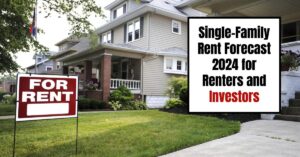
Single-Family Rent Forecast 2024 for Renters and Investors

August 12, 2024 by Marco Santarelli

Single-Family Rent Forecast 2024 for Renters and Investors

Single-family rents continue their upward climb in 2024, leaving renters across the US wondering just how high the ceiling is. It's a question on everyone's minds: Will this trend continue, or are we due for a cooldown? Let's dive into the current state of single-family rentals, examine the factors driving this market, and explore potential scenarios for the remainder of 2024.

Single-Family Rents in 2024

Current State of the Market: Steady Growth, Regional Variations

As of July 2024, the typical asking rent for a single-family home in the US reached $2,294, representing a 0.4% increase compared to the previous month — Zillow. This figure marks a 4.7% surge from July 2023 and a significant 40.1% leap since the onset of the pandemic.

While the overall trend points towards growth, regional variations are apparent. Some major metropolitan areas witnessed a slight dip in single-family rents month-over-month:

  • Milwaukee: -0.7%
  • Austin: -0.02%

However, the broader picture reveals that 49 out of the 50 largest metro areas experienced year-ago increases. The most substantial annual jumps were concentrated in the Midwest:

  • Cleveland: 8.6%
  • Cincinnati: 7.8%
  • Indianapolis: 7.5%
  • Columbus: 7.2%
  • Louisville: 7.2%

Factors Driving Single-Family Rent Increases

Understanding the forces behind these rent hikes is crucial for both renters and investors. Several key factors are contributing to the upward pressure on single-family rents:

  • Housing Shortage: The US continues to grapple with a housing shortage, particularly in the single-family market. Low inventory levels, driven by years of underbuilding and increased demand, give landlords more leverage to raise rents.
  • Rising Interest Rates: The Federal Reserve's efforts to combat inflation have led to significantly higher mortgage rates. This has pushed homeownership out of reach for many potential buyers, increasing the demand for rentals and putting upward pressure on single-family rents.
  • Inflation and Economic Uncertainty: Persistent inflation is impacting costs across the board, including property taxes, maintenance, and insurance for landlords. These increased operating expenses are often passed on to renters in the form of higher rents.
  • Demographic Shifts: The largest generation in US history, Millennials, are increasingly seeking out the space and amenities offered by single-family homes as they enter their prime family-raising years. This surge in demand further contributes to rising single-family rents.
  • Remote Work Flexibility: The rise of remote work, accelerated by the pandemic, has allowed for greater geographic flexibility. Many renters are now choosing single-family homes in suburban or even rural areas, driving up demand and rents in those markets.

Forecast for the Remainder of 2024: Cautious Optimism or Continued Climb?

Predicting the future of any market is a complex endeavor, but by analyzing current trends and potential influencing factors, we can outline possible scenarios for single-family rents in the latter half of 2024:

Scenario 1: Moderate Growth Continues

This scenario assumes that current trends largely persist. Factors supporting this outlook include:

  • Continued Housing Shortage: The housing shortage is a long-term issue unlikely to be resolved quickly.
  • Elevated Interest Rates: While a sharp increase in interest rates is not anticipated, they are expected to remain relatively high, continuing to impact affordability for homebuyers.
  • Steady Demand for Single-Family Homes: Demand for the space and amenities offered by single-family rentals, especially from Millennials starting families, is projected to remain strong.

Scenario 2: Growth Slows, Potential for Stabilization

Factors that could contribute to this scenario include:

  • Easing Inflation: Should inflation continue to cool, the pressure on landlords to increase rents to cover expenses may lessen.
  • Increased Housing Supply: Even modest increases in new construction, particularly in the single-family market, could help alleviate some pressure on single-family rents.
  • Shifting Renter Preferences: If economic uncertainty lingers, some renters might opt for more affordable options like smaller units or shared housing, potentially impacting demand for single-family rentals.

Scenario 3: Unforeseen Economic Factors

The real estate market is sensitive to broader economic conditions. Unforeseen events, such as:

  • Recession: A significant economic downturn could lead to job losses and decreased demand for rentals, potentially causing single-family rents to stagnate or even decline.
  • Changes in Government Policy: New legislation or regulations related to housing, interest rates, or taxation could have unpredictable effects on the rental market.

Navigating the Single-Family Rental Market in 2024

Whether you're a renter searching for your next home or an investor evaluating opportunities, understanding the dynamics of the single-family rental market is paramount.

Tips for Renters:

  • Start your search early: Due to low inventory, it's crucial to begin your search well in advance of your desired move-in date.
  • Be prepared to be flexible: Consider expanding your search geographically to include areas with potentially lower rents.
  • Negotiate with landlords: Don't be afraid to negotiate lease terms, such as rent amount or length of lease, especially in a competitive market.

Tips for Investors:

  • Conduct thorough market research: Identify areas experiencing high demand for single-family rentals and carefully analyze potential return on investment.
  • Factor in rising costs: Account for potential increases in property taxes, insurance, and maintenance when calculating expenses and setting rental rates.
  • Stay informed about market trends: Continuously monitor economic indicators, housing market data, and rental trends to make informed investment decisions.

Soaring rental rates are transforming the single-family rental market in 2024. Yet, underlying economic forces offer potential for both renters and investors who can navigate these changing conditions.


ALSO READ:

  • Good News for Renters? Single-Family Rent Growth Slows Down
  • Housing Market Trends: How BIG Investors Are Shaping Single-Family Rentals
  • Single Family Rental Homes vs Multi-Family Investing in 2024
  • Housing Market 2024: Key Predictions for the Remainder of the Year
  • Midwest Housing Market: The Unexpected Trends You Won't Believe
  • Real Estate Forecast Next 5 Years: Top 5 Predictions for Future
  • Housing Market Predictions for the Next 2 Years
  • Housing Market Predictions for Next 5 Years (2024-2028)
  • Will the Housing Market Crash in 2025?

Filed Under: Housing Market, Real Estate Market Tagged With: Housing Market, Single-Family Homes, Single-Family Rent

Good News for Renters? Single-Family Rent Growth Slows Down

June 19, 2024 by Marco Santarelli

Good News for Renters? Single-Family Rent Growth Slows Down

The latest Single-Family Rent Index (SFRI) by CoreLogic®, a leading real estate data and analytics firm, paints a picture of stability in the single-family rental market for April 2024. Let's delve deeper into the report's findings to understand what this means for renters and potential investors.

Nationally, rents are exhibiting a wait-and-see approach. Year-over-year growth came in at 3%, mirroring the pattern observed for most of the past year. This stability extends across all four price tiers for single-family rentals, with the exception of the higher-priced segment, which showed a modest increase compared to April 2023.

A Tale of Two Rental Markets: Single-Family Homes vs. Apartments

The report highlights a growing divide between rental types. While single-family rentals are experiencing steady growth, attached properties like condos and townhomes are telling a different story. For the second month running, attached rentals witnessed a year-over-year decline of 0.5%. This trend is particularly evident in Florida markets, alongside Austin, Texas, New Orleans, and Phoenix.

Experts point to a couple of possible explanations for this divergence. The completion of new multifamily apartments in certain areas is creating more competition for attached rentals. This could signal a potential shift in renter preferences. As the pandemic eases, it appears Americans are prioritizing more personal space and are willing to pay a premium for it, if their budget allows. Additionally, the high barrier to entry into homeownership due to rising prices might be keeping some renters in single-family homes for a longer haul.

Insights for Renters and Investors

Whether you're a renter searching for a new place to call home or an investor considering the single-family rental market, here are some key takeaways from the report:

  • Expect rent growth to remain on an even keel. CoreLogic predicts that single-family rents will maintain their current pace of around 3% growth throughout the remainder of 2024.
  • Location is paramount. While national trends offer a general perspective, there are significant variations across different markets. St. Louis, for instance, saw a healthy 6.3% annual increase, while Miami and Austin experienced rental price dips. Researching local market trends is crucial before making any decisions. Consider factors like job market strength, overall cost of living, and the availability of single-family rentals in your target area.

Beyond the Headlines: A Look Ahead

While the SFRI provides a valuable snapshot of the current market, it's also important to consider factors that could influence future trends. Here are a couple of areas to watch:

  • Impact of economic conditions: Broader economic factors like inflation and job growth can affect renter demand and willingness to pay higher rents. If inflation continues to rise, renters might prioritize affordability over extra space, potentially impacting single-family rental demand. On the other hand, a strong job market could lead to increased renter incomes, allowing them to absorb moderate rent hikes.
  • New construction: The pace of new single-family home construction could influence rental vacancy rates and potentially impact rental prices. A surge in new construction could lead to increased competition among landlords, potentially putting downward pressure on rents. Conversely, a slowdown in construction could tighten vacancy rates and give landlords more leverage to raise rents.

Beyond Location: Digging Deeper into Market Dynamics

While location is undeniably important, successful renters and investors should also consider the nuances within a market. For example, the SFRI report highlights that the lower-priced tier of single-family rentals (<75% of the regional median) saw a more significant slowdown in growth compared to higher tiers. This suggests that budget-conscious renters might be feeling the pinch of rising costs and could be looking for ways to save. Investors focusing on this segment might need to factor in potentially lower rental income compared to higher-priced properties.

By keeping an eye on these emerging trends alongside market data, you can position yourself to make informed decisions in the ever-evolving world of single-family rentals. Remember, knowledge is power, and staying informed about market conditions is essential for both renters and investors to navigate the market with greater confidence.

Filed Under: Housing Market Tagged With: Single-Family Homes

Single-Family Homes and Their Potential

April 2, 2012 by Marco Santarelli

As we continue to go through Morgan Stanley's “Housing 2.0: The New Rental Paradigm” we're more confident that 2012 will be a big year for real estate investors.  For one, the financial services company boldly concludes, “…gross rents are historically attractive relative to current distressed prices. Adding to this attractiveness is the fact that multifamily data shows rents continuing to rise.”


This is a good indicator for real estate investments. Anyone who’s been active in the market clearly knows why rental properties have become precious assets among investors. And for the newbie, it isn’t that difficult to discover the logic here. A depressed housing market with very affordable properties means that demand for homes are down. This indicates that buyers opt to rent properties instead of buying a home. With this surge in rental demand, real estate investors are just as excited as everyone else who are poised to earn positive cash flows from their rental properties.

[Read more…]

Filed Under: Growth Markets, Housing Market, Real Estate Investing Tagged With: Appreciating Markets, Distressed Homes, New Rental Paradigm, real estate investments, Rental Rates, Single-Family Homes

Real Estate

  • Birmingham
  • Cape Coral
  • Charlotte
  • Chicago

Quick Links

  • Markets
  • Membership
  • Notes
  • Contact Us

Blog Posts

  • Mortgage Rates Remain Low, Bringing Balance to the Housing Market
    December 11, 2025Marco Santarelli
  • Today’s Mortgage Rates, Dec 11: 30-Year Fixed Rate Holds at 6.15%, 15-Year at 5.57%
    December 11, 2025Marco Santarelli
  • Best Places in Florida to Invest in Real Estate in 2026
    December 11, 2025Marco Santarelli

Contact

Norada Real Estate Investments 30251 Golden Lantern, Suite E-261 Laguna Niguel, CA 92677

(949) 218-6668
(800) 611-3060
BBB
  • Terms of Use
  • |
  • Privacy Policy
  • |
  • Testimonials
  • |
  • Suggestions?
  • |
  • Home

Copyright 2018 Norada Real Estate Investments

Loading...