Norada Real Estate Investments

  • Home
  • Markets
  • Properties
  • Membership
  • Podcast
  • Learn
  • About
  • Contact

Single-Family vs. Townhome: Which is the Real Cash Flow Winner for Investors?

March 25, 2026 by Marco Santarelli

Single-Family vs. Townhome: Which is the Real Cash Flow Winner for Investors?

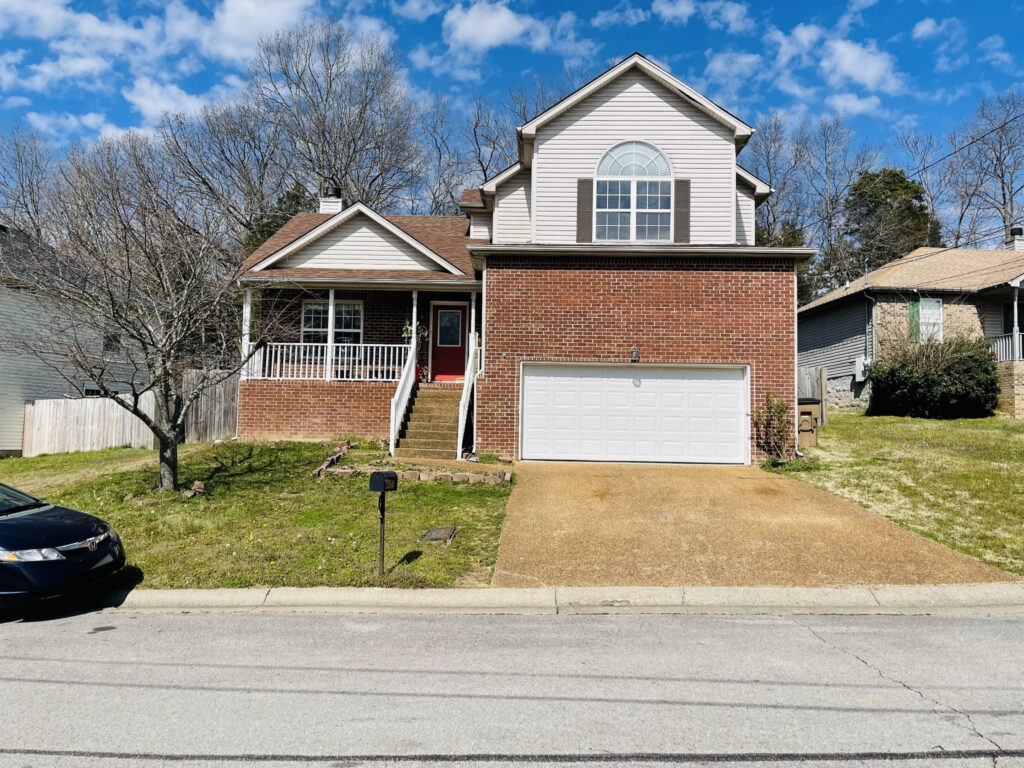
If you’re serious about building wealth through rental properties, you’ve probably spent hours staring at listings, running numbers, and trying to decide: Do I go for the big, classic Single-Family Home (SFH), or do I lean into the efficiency of a townhome? This isn’t just a philosophical debate; it's a cold, hard math problem.

Single-Family vs. Townhome: Which is the Real Cash Flow Winner for Investors?

When we look strictly at the question of single-family home vs. townhome—specifically in terms of which yields better cash flow—my experience suggests that townhomes often deliver higher immediate gross cash flow due to their lower entry price. However, single-family homes tend to provide more reliable and stronger net cash flow over the long term, assuming capital expenditures are managed wisely. Ultimately, it comes down to control, predictability, and those sneaky monthly fees that can eat into returns.

I’ve owned both types of properties across several different markets, and what I’ve learned is that the difference between these two asset classes is far more complex than just comparing the monthly rent amount. It touches on financing, maintenance control, and most importantly, the psychological toll of unexpected bills. Let’s break down where the real money is made—or lost—in each investment type.

Why We Need to Talk About Net Cash Flow, Not Just Rent

When new investors talk about cash flow, they often get excited about the Gross Rent Multiplier or the high monthly rent check. But that initial rent check is just the starting point. The real game is net cash flow. This is the money left over after every expense is paid.

Think of it this way: a townhome might rent for $1,800, and a single-family home down the street might rent for $2,200. On the surface, the SFH looks better. But what if the SFH costs $300,000 and the townhome costs $200,000? Suddenly, the townhome requires less money down and produces a higher return relative to its cost. That’s the Rent-to-Value (RTV) ratio at work.

However, the townhome has an unavoidable $350 monthly Homeowners Association (HOA) fee, while the SFH has zero. Now, that initial cash flow advantage for the townhome starts to crumble.

To truly compare these two options, we must look at the following components of Net Cash Flow:

  1. Mortgage Payments: (Principal, Interest, Taxes, Insurance – PITI)
  2. Operational Expenses: (Repairs, Management Fees, Utilities if applicable)
  3. Capital Expenses (CapEx) Reserves: (Money set aside for future big repairs like roofs, HVAC)
  4. HOA Fees/Special Assessments: (The big differentiator)

The Single-Family Home (SFH) Investment Profile

Investing in SFHs is the classic real estate move for a reason. They offer the highest degree of control, which is the key to predictable cash flow.

Cash Flow Characteristic: Slower Start, Stronger Legs

The primary challenge with SFHs is the high entry barrier. They usually cost significantly more than an equivalent townhome in the same area. This means you need a larger down payment, which drags down your initial Cash-on-Cash Return.

However, once you are past that initial hurdle, the cash flow tends to be incredibly steady. Why? Because you are responsible for everything, which means you set the budget for maintenance.

Key Advantages for SFH Cash Flow:

  • Insurance Savings: While you pay 100% of the property insurance, you are not paying into a separate, often overpriced, HOA master policy.
  • Appreciation & Equity: SFHs generally appreciate faster because the tenant is renting both the structure and the land. Land appreciates; buildings depreciate. This stable equity build-up provides a strong safety net for refinancing or selling later.
  • Maintenance Control: When the roof leaks, I call my roofer, not a slow-moving HOA board. This control minimizes downtime and prevents expensive, unplanned special assessments from hitting my reserves.

Where cash flow gets hit hardest with an SFH is during turnover. When a roof, HVAC system, or water heater goes out, it’s 100% your responsibility, and that single event can wipe out an entire year’s worth of cash flow. This is why disciplined CapEx saving is non-negotiable for SFHs. I typically budget 10% of gross rent for annual repairs and maintenance, plus an additional $200-$300 per month for CapEx reserves on major systems.

The Townhome Investment Profile

Townhomes, typically attached structures that share at least one wall, are often the darling of investors with smaller capital pools. They offer a fantastic entry point into specific neighborhoods that might otherwise be too expensive for a detached home.

Cash Flow Characteristic: High Immediate Yield, High Fee Volatility

Because a townhome costs less than a comparable SFH, the RTV ratio is often highly favorable. If you can buy a $250,000 townhome that rents for $1,800, that looks great compared to a $400,000 SFH that rents for $2,200. Your initial cash-on-cash return will likely be higher on the townhome.

But there is a cash flow predator lurking in the shadows: The HOA Conundrum.

The Problem with the HOA Fee:

The HOA fee is the single biggest threat to sustainable townhome cash flow. When I analyze a townhome deal, I treat the HOA fee as a non-negotiable, fixed operational cost that offers zero tax benefit (unlike mortgage interest or property taxes).

The HOA fee covers external maintenance (roofs, siding, common areas, sometimes water/trash). This sounds great because it shifts the burden of CapEx. However, you are losing control and introducing unpredictability.

Cash Flow Hurdle Description Impact on Net Cash Flow
Rising Fees HOAs raise fees annually, often matching inflation or more. You cannot raise the rent fast enough to always cover these unpredictable hikes. Eats into monthly net profit.
Special Assessments If the HOA reserve fund is poorly managed or a catastrophic event occurs (like the need for an entire community roof replacement), the HOA can levy a massive, one-time bill (e.g., $5,000 to $20,000). Can instantly erase years of positive cash flow.
Rental Restrictions Many HOAs cap the number of units that can be rented out. If the cap is full, you cannot rent your unit, leading to zero cash flow and a massive liability. Risk of total rental income loss.

In my experience, SFH repairs are predictable and manageable through disciplined saving. Townhome special assessments are financial hand grenades—they detonate without warning and are non-negotiable.

Deep Dive: The Hidden Costs That Steal Cash Flow

To truly compare the net cash flow of both property types, we have to look past the rent and the mortgage payment and focus on the less obvious operational expenses.

1. Insurance Costs: The Policy Split

For an SFH, you purchase one master insurance policy (HO-3), covering the structure, liability, and contents. Simple.

For a townhome, insurance often splits into two parts:

  1. Master Policy (HOA): Covers the exterior structure, roof, and common areas. You pay for this through your HOA dues.
  2. H0-6 Policy (Investor): Covers the interior “walls-in,” your liability, and your tenant’s belongings (if applicable).

If the HOA’s master policy has a high deductible (say, $10,000), and a minor roof leak happens, the HOA might refuse to pay, leaving you stuck with the repair bill. If your investor policy covers things the HOA thought they covered, you might be double-paying. I always spend extra time reviewing the HOA master policy documents; ignoring them is the fastest way to invite negative cash flow surprises.

2. Vacancy Rates and Tenant Profile

Cash flow stops dead when a unit is vacant. While both property types can attract quality tenants, the turnover frequency often differs.

SFH tenants tend to be long-term renters (families, those with pets, or people who want a yard). They are generally willing to sign multi-year leases, which provides unparalleled cash flow security.

Townhome tenants often include young professionals, couples, or downsizers. While great tenants, they might be more transient, often moving after 12 to 18 months. Higher turnover means more maintenance costs, more downtime, and therefore, lower total annual cash flow.

The Golden Ratio: When Townhomes Win the Initial Battle

There is one area where the townhome unequivocally shines: the Return on Investment (ROI) for limited capital.

Let’s say you have $70,000 to invest.

  • You could maybe buy one SFH, but you might need to use that capital for the down payment, closing costs, and leaving almost nothing for reserves.
  • You could potentially buy two townhomes, splitting the capital across two lower-priced units.

Diversification is a cash flow guard. If one townhome unit sits vacant for two months, you still have rent coming in from the second unit. If your single SFH sits vacant, your cash flow is zero. This factor is crucial for new investors prioritizing diversification and high immediate cash-on-cash return.

Comparison Point Single-Family Home (SFH) Townhome
Initial Cost Higher Lower
Immediate Cash Flow (Gross) Lower RTV Ratio Higher RTV Ratio (often)
Long-Term Net Cash Flow More predictable and stable Highly susceptible to HOA/Assessments
Maintenance Control 100% Control (Highest CapEx burden) Shared Control (Lower personal CapEx, higher fee risk)
Tenant Stability Typically longer tenancy (good for cash flow) Shorter tenancy common (higher turnover)
Exit Strategy Better long-term appreciation potential Higher liquidity (easier to sell quickly)

My Personal Take: When Does One Outshine the Other?

When deciding between these two property types, I don't look at which one always yields better cash flow; I look at which one provides better cash flow relative to my investment goals.

Choose the Single-Family Home if:

  • You have a higher budget and are focused on long-term wealth building through equity and depreciation benefits.
  • You prioritize control and predictability. You would rather have a large, planned expense ($15,000 for a new roof) than a sudden, unplanned assessment ($8,000 levied by an HOA).
  • Your strategy relies on attracting and retaining long-term tenants.

Choose the Townhome if:

  • You have limited capital and need the highest immediate cash-on-cash return to reinvest quickly.
  • You prefer a more hands-off investment where exterior maintenance is handled (even if you pay for it via fees).
  • The HOA is very well managed with high reserves, low fees, and proven stability—a rare but powerful combination.

Ultimately, cash flow success rests on the foundation of minimizing unpredictable risk. Because the Single-Family Home allows me to directly manage my expenses and maintenance timeline, eliminating the financial chaos of external fees and assessments, I firmly believe it offers a better path for sustainable, long-term net cash flow generation. The slightly lower immediate yield is a small price to pay for that level of financial control and peace of mind. You are the boss, and in real estate investing, the boss gets to choose the budget.

The Ultimate Guide to Passive Real Estate Investing

Download Your FREE Guide to Passive Real Estate Wealth

Real estate investing has created more millionaires than any other path—and this guide shows you how to start or scale with turnkey rental properties.

Inside, you’ll learn how to analyze cash flow and returns, choose the best markets, and secure income-generating deals—perfect for building long-term wealth with minimal hassle.

🔥 FREE DOWNLOAD AVAILABLE NOW! 🔥

Download

Single-Family vs. Townhome: Which Delivers Stronger Cash Flow?

Both property types offer unique advantages—but smart investors are comparing HOA fees, tenant demand, and maintenance costs to find the better-performing asset.

Norada Real Estate helps you analyze cash flow potential across markets—so you can choose the right property type for your goals and build passive income with confidence.

🔥 HOT NEW LISTINGS JUST ADDED! 🔥

Speak to Our Investment Counselor (No Obligation):

(800) 611-3060

Get Started Now

Recommended Read:

  • 5 Hottest Florida and Texas Markets for Real Estate Investors in 2025
  • Best Places to Invest in Real Estate This November 2025
  • How to Secure Your Retirement With Cash-Flowing Rental Properties
  • Why Turnkey Real Estate Still Beats Today's High Mortgage Rate Climate
  • Best Places to Invest in Single-Family Rental Properties in 2025
  • Why Real Estate Can Thrive During Tariffs Led Economic Uncertainty
  • Rise of AI-Powered Hyperlocal Real Estate Marketing in 2025
  • Real Estate Forecast Next 5 Years: Top 5 Predictions for Future
  • 5 Hottest Real Estate Markets for Buyers & Investors in 2025
  • Will Real Estate Rebound in 2025: Top Predictions by Experts
  • Recession in Real Estate: Smart Ways to Profit in a Down Market
  • Will There Be a Real Estate Recession in 2025: A Forecast
  • Will the Housing Market Crash Due to Looming Recession in 2025?
  • 4 States Facing the Major Housing Market Crash or Correction
  • New Tariffs Could Trigger Housing Market Slowdown in 2025
  • Real Estate Forecast Next 10 Years: Will Prices Skyrocket?

Filed Under: Real Estate, Real Estate Investing Tagged With: cash flow, Real Estate Investing, Single-Family Homes, Townhome

How to Find High-Cash-Flow Rental Properties in 2026

March 7, 2026 by Marco Santarelli

How to Find High-Cash-Flow Rental Properties in 2026

Finding rental properties that consistently put money back in your pocket is the heartbeat of successful real estate investing. In 2026, the key to securing high-cash-flow properties lies in a smart, data-driven approach that looks beyond just the sticker price.

How to Find High-Cash-Flow Rental Properties in 2026

Why Cash Flow Matters More Than Ever

Let's be honest, the idea of owning rental properties sounds glamorous – passive income, building wealth, all that good stuff. But the real magic happens when those properties are actually generating cash. High cash flow means your rental income is comfortably covering your expenses (mortgage, taxes, insurance, maintenance) with plenty left over. This leftover money can be reinvested, saved, or used however you see fit. For me, chasing that consistent positive cash flow is the ultimate goal. It’s not just about appreciating asset values; it’s about having money in your bank account every single month.

Your Blueprint for Finding Cash-Flow Kings

Discovering these money-making machines takes more than just scrolling through online listings. It's about digging deep and understanding a few crucial elements.

1. Mastering the Rental Yield Equation

This is your bread and butter. Rental yield tells you how much income you can expect from a property relative to its cost. There are a couple of ways to look at this:

  • Gross Rental Yield: This is a quick calculation. You take the annual rental income and divide it by the property's purchase price.
    • Formula: (Annual Rental Income / Purchase Price) * 100%
    • Why it’s useful: It gives you a basic idea of income potential.
    • My take: I see this as a starting point. A good gross yield is great, but it doesn’t tell the whole story.
  • Net Rental Yield (or Cap Rate): This is a more accurate picture because it accounts for operating expenses. This is often referred to as the Capitalization Rate (Cap Rate).
    • Formula: (Net Operating Income (NOI) / Purchase Price) * 100%
    • What is NOI? Net Operating Income = Annual Rental Income – Annual Operating Expenses (property taxes, insurance, property management fees, maintenance, vacancy costs, etc.). This is crucial.
    • Why it's critical: This is the number that truly shows you how much cash the property is likely to generate after all the bills are paid. I always aim for properties with a solid cap rate that indicate healthy cash flow.

2. Decoding Local Market Trends: Where the Opportunities Lie

Every market is different. What works in one city might flop in another. For 2026, you need to be looking at markets that are showing these promising signs:

  • Job Growth: A strong, growing job market means more people moving into an area, increasing demand for rentals.
  • Population Growth: Similar to job growth, more people means more potential tenants.
  • Affordability: Areas where housing is still relatively affordable, even with growth, can offer better cash flow potential. High-priced markets often have slimmer margins.
  • Rent Increases: Are rents trending upwards in the area? This is a fantastic sign for future cash flow. I pay close attention to historical rent trends.

3. The Vacancy Rate Whisperer: Keeping Your Property Occupied

A vacant property is a hole in your pocket. High vacancy rates in an area signal trouble.

  • Low Vacancy Rates: This is what you want. It means tenants are snatching up rentals quickly, which translates to consistent income for you. I aim for areas with vacancy rates below 5%.
  • Where to Find This Data: Local property management companies, real estate data providers, and even city planning departments can offer insights into vacancy trends.

4. Financing Factors: Making Your Money Work Harder

How you finance your purchase significantly impacts your cash flow.

  • Down Payment: A larger down payment means a smaller mortgage, leading to lower monthly payments and thus higher cash flow.
  • Interest Rates: In 2026, understanding current mortgage rates and how they affect your monthly payments is vital. Locking in a favorable rate can make a big difference.
  • Loan Terms: Shorter loan terms mean higher monthly payments but you own the property outright sooner. Longer terms mean lower payments. It's a balancing act for cash flow.

5. Neighborhood Power: Beyond Just the Street Name

The neighborhood is everything. It dictates tenant quality and demand.

  • School Districts: Good schools attract families, which often means stable, longer-term renters.
  • Amenities: Proximity to shopping, dining, parks, and public transportation makes a neighborhood more desirable.
  • Safety: Low crime rates are non-negotiable for attracting good tenants.
  • Future Development: Are there plans for new businesses, infrastructure, or community projects? These can boost property values and rental demand. I look for neighborhoods with an “A” or “A-” rating, signifying good quality and potential.

Tools of the Trade: Your Data Detective Kit

To put these strategies into practice, you'll need the right tools.

  • MLS (Multiple Listing Service): This is your primary source for properties. Work with a real estate agent who has excellent MLS access.
  • Property Management Software/Data: Many platforms offer data on average rents, vacancy rates, and tenant demographics for specific areas.
  • Neighborhood Growth Indicators: Look for local economic reports, census data, and news articles about upcoming developments.
  • Investment Calculators: Use online tools or spreadsheets to run the numbers on potential deals. Be conservative with your expense estimates!

Real-World Opportunities: High Cash-Flow Rentals Showing Promise in 2026

While numbers are crucial, seeing actual examples helps solidify the concepts. Based on current market indicators and the principles we've discussed, here are some properties that represent the type of opportunity I'd be looking for. These are not just theoretical; they are actual properties that illustrate strong cash-flow potential.

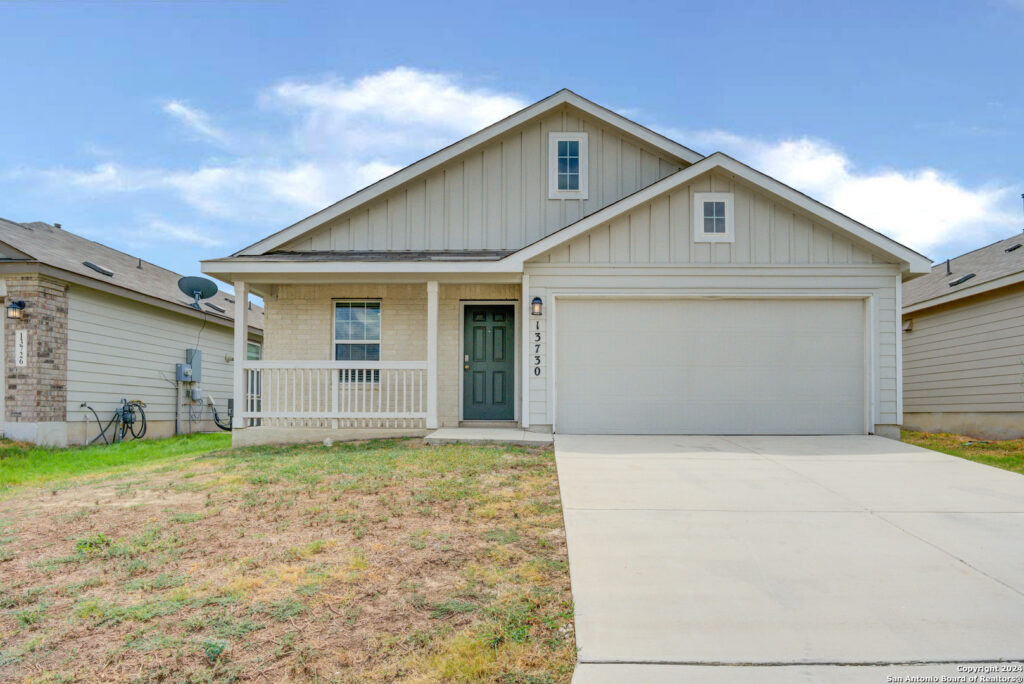
Bradford Park, San Antonio, Texas

Bradford Park, San Antonio, Texas

  • Specs: 3 Beds, 2 Baths, 1498 sqft, Built 2019
  • Purchase Price: $229,900
  • Estimated Rental Income: $1,650/month
  • Analysis: This property benefits from being newer construction and a strong neighborhood rating of A+. Even with a purchase price in the mid-$200,000s, the rent/value ratio of 0.7% and a solid Cap Rate of 5.1% suggest healthy cash flow, with an estimated NOI of $976. San Antonio is a growing market, which is a huge plus.

Cloudbait View, Converse, Texas

Cloudbait View, Converse, Texas

  • Specs: 3 Beds, 2 Baths, 1408 sqft, Built 2008
  • Purchase Price: $232,000
  • Estimated Rental Income: $1,695/month
  • Analysis: This property in Converse, with an A- neighborhood, shows a great Rent/Value Ratio of 0.7% and a slightly higher Cap Rate of 5.6%. The estimated NOI of $1,080 is particularly appealing, indicating strong monthly cash flow. The slightly older build date is offset by the prime location and demand.

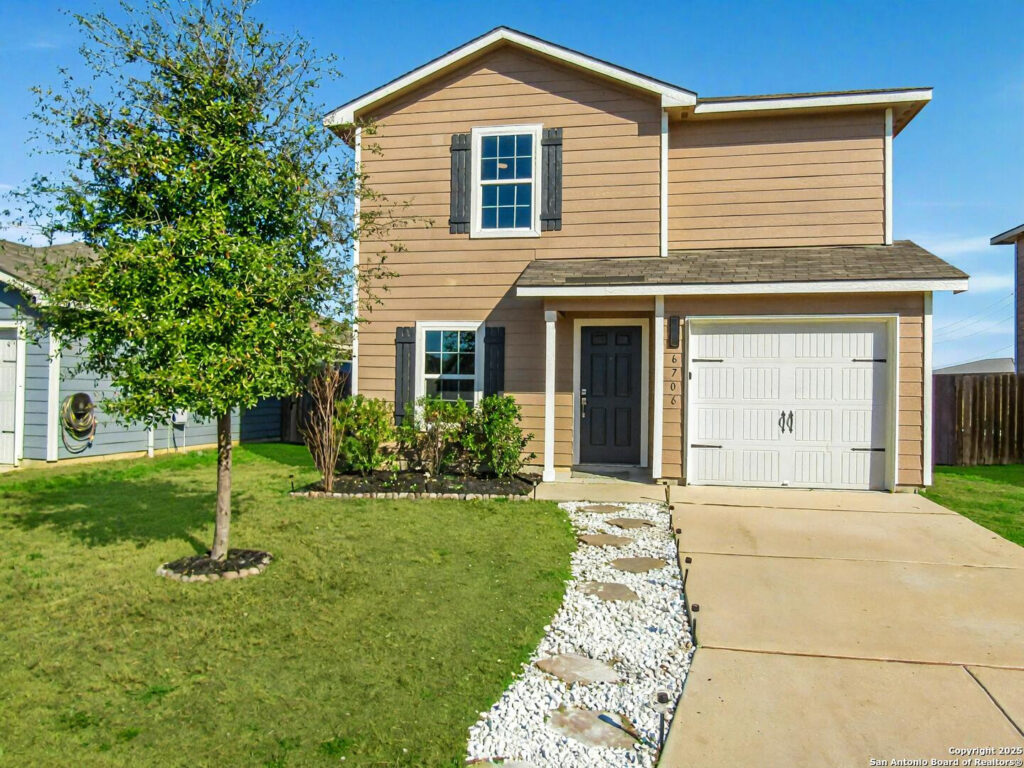
Sabinal, San Antonio, Texas

Sabinal, San Antonio, Texas
  • Specs: 3 Beds, 2 Baths, 1455 sqft, Built 2018
  • Purchase Price: $224,000
  • Estimated Rental Income: $1,595/month
  • Analysis: This is another San Antonio gem. Priced a bit lower than Bradford Park, it still offers a desirable 0.7% Rent/Value Ratio and a 5.3% Cap Rate. The estimated NOI of $983 is very respectable, making it a solid contender for consistent cash flow. The A- neighborhood is a significant draw.

Whitney Ave, Akron, Ohio

  • Specs: 3 Beds, 1.5 Baths, 1056 sqft, Built 1923
  • Purchase Price: $135,000
  • Estimated Rental Income: $1,225/month
  • Analysis: This property represents a different market dynamic. Akron, Ohio, offers significantly lower price points, allowing for what I consider a fantastic Cap Rate of 9.4%. Even with a C+ neighborhood rating (which requires careful due diligence on tenant quality and property management), the Rent/Value Ratio of 0.9% and an estimated NOI of $1,063 are incredibly attractive for cash flow. This is the kind of deal that can generate substantial passive income, provided the management is top-notch.

Blue Jay Cir, Bessemer, Alabama

  • Specs: 4 Beds, 2 Baths, 1610 sqft, Built 2023
  • Purchase Price: $282,000
  • Estimated Rental Income: $1,885/month
  • Analysis: This is a newer, larger property in an A- neighborhood. While the purchase price is higher, the rental income is also proportionally strong. The Rent/Value Ratio is 0.7%, and the Cap Rate is a healthy 6.4%, with an estimated NOI of $1,500 – the highest among these examples. This indicates excellent cash-on-cash returns and a robust income stream.

Your Path to Financial Freedom

Finding high-cash-flow rental properties in 2026 is achievable with the right knowledge and a disciplined approach. It’s about understanding the numbers, researching the markets, and always, always prioritizing income-generating potential. Don't be afraid to put in the work; the rewards of consistent cash flow are well worth it.

Finding The Best High-Cash Flow Rental Properties

In 2026, investors are targeting high‑cash flow rental properties to maximize passive income. Turnkey rentals in strong growth markets deliver steady monthly returns, appreciation, and long‑term wealth potential.

Norada Real Estate helps investors acquire cash‑flowing turnkey properties—providing immediate rental income, professional management, and proven ROI across the nation’s top investment markets.

🔥 HOT 2026 INVESTMENT LISTINGS JUST ADDED! 🔥
Request a Callback / Fill Out the Form Online

Contact Us

🏡 Two Texas Rental Properties With Strong Investor Appeal

San Antonio, TX
🏠 Property: Bradford Park
🛏️ Beds/Baths: 3 Bed • 2 Bath • 1498 sqft
💰 Price: $229,900 | Rent: $1,650
📊 Cap Rate: 5.1% | NOI: $976
📅 Year Built: 2019
📐 Price/Sq Ft: $154
🏙️ Neighborhood: A+

VS

Converse, TX
🏠 Property: Cloudbait View
🛏️ Beds/Baths: 3 Bed • 2 Bath • 1408 sqft
💰 Price: $232,000 | Rent: $1,695
📊 Cap Rate: 5.6% | NOI: $1,080
📅 Year Built: 2008
📐 Price/Sq Ft: $165
🏙️ Neighborhood: A-

San Antonio’s newer A+ rental vs Converse’s established A‑rated property with stronger cap rate. Which fits YOUR investment strategy?

We have much more inventory available than what you see on our website – Let us know about your requirement.

📈 Choose Your Winner & Contact Us Today!

Speak to a Norada Investment Counselor (No Obligation):

(800) 611-3060

View All Properties

Recommended Read:

  • Best High-Cash Flow Rental Properties You Can Buy in 2026
  • Best Places to Invest $100,000 in Real Estate in 2026 for Passive Income 
  • Best Turnkey Rental Markets in Texas for Out-of-State Investors (2026)
  • Best Places to Invest in Single-Family Rental Properties in 2025
  • Why Real Estate Can Thrive During Tariffs Led Economic Uncertainty
  • Rise of AI-Powered Hyperlocal Real Estate Marketing in 2025
  • Real Estate Forecast Next 5 Years: Top 5 Predictions for Future
  • 5 Hottest Real Estate Markets for Buyers & Investors in 2025
  • Will Real Estate Rebound in 2025: Top Predictions by Experts
  • Recession in Real Estate: Smart Ways to Profit in a Down Market
  • Will There Be a Real Estate Recession in 2025: A Forecast
  • Will the Housing Market Crash Due to Looming Recession in 2025?
  • 4 States Facing the Major Housing Market Crash or Correction
  • New Tariffs Could Trigger Housing Market Slowdown in 2025
  • Real Estate Forecast Next 10 Years: Will Prices Skyrocket?
Filed Under: Passive Income, Real Estate, Real Estate Investing Tagged With: Best Investment, cash flow, Real Estate Investing, Rental Properties, Smart investment, Turnkey Real Estate

Best High-Cash Flow Rental Properties You Can Buy in 2026

March 4, 2026 by Marco Santarelli

How to Find High-Cash-Flow Rental Properties in 2026

For savvy investors looking to boost their income, the quest for high cash flow rental properties in 2026 is a top priority, and the truth is, these opportunities are definitely out there, but securing them requires a smart approach. While many people think finding properties that bring in immediate, reliable income is a pipe dream, I’ve found that with the right knowledge and strategy, it’s entirely achievable, even in today's market.

Best High-Cash Flow Rental Properties You Can Buy in 2026

Let's be honest, the world of real estate investing can feel like a constant game of catch-up. We're seeing more and more investors realizing the power of rental properties for generating consistent cash flow. This surge in interest means that the really good deals, the ones that offer immediate profit from day one with tenants already settled and professional management in place, are becoming like hotcakes – they disappear fast! This high demand versus limited supply is the biggest hurdle many investors, myself included, face right now. Getting these “done-for-you” opportunities often means competing with many others, which can drive up prices and make it harder to get those desirable returns.

Why This Access Issue Matters for Your Portfolio

It’s not just about grabbing one or two properties. The real goal for most of us is scalability – building a portfolio that provides substantial and growing income. If you can’t get your hands on those ready-to-go, cash-flowing rentals, it becomes incredibly tough to grow your wealth. You might be able to snag one good deal, but multiplying that success requires consistent access to quality opportunities.

On top of that, financing is another piece of the puzzle. While loans and leverage make investing more accessible, lenders are getting pickier in 2026. They want to see solid financials and well-qualified borrowers, meaning not everyone can get the best loan terms to make their investments work. And let's not forget the market timing. With mortgage rates hovering around 6%, the sweet spot for maximizing your cash flow is a bit narrower than it used to be. You need to be smart and quick to make sure your investment is profitable from the start.

My Recipe for Finding Deals in a Busy Market

So, how do I personally tackle this challenge? For me, the answer lies in focusing on pre-vetted rental properties. This means looking for opportunities where the basics are already covered:

  • Tenants are already in place: This is huge! It means instant rental income and no waiting for someone to move in.
  • Professional property management is included: This frees up my time and ensures the property is well-maintained and tenants are happy, which is key for long-term success.
  • Financing options are available: This helps reduce the upfront cash I need to put down, making it easier to acquire multiple properties.
  • Built for immediate positive cash flow: These properties are already structured to make money from the get-go, without any messy renovations or tenant placement headaches.

This approach cuts out the biggest problem: scrambling to find reliable, high-yield rentals in a market where everyone else is also searching. It’s about getting direct access to properties that are already set up for success and long-term stability.

Looking at Real-World Examples

Let’s break down a few examples of properties I’ve come across that fit this description. These aren't just theoretical; they represent the kind of opportunities that are out there right now if you know where to look.

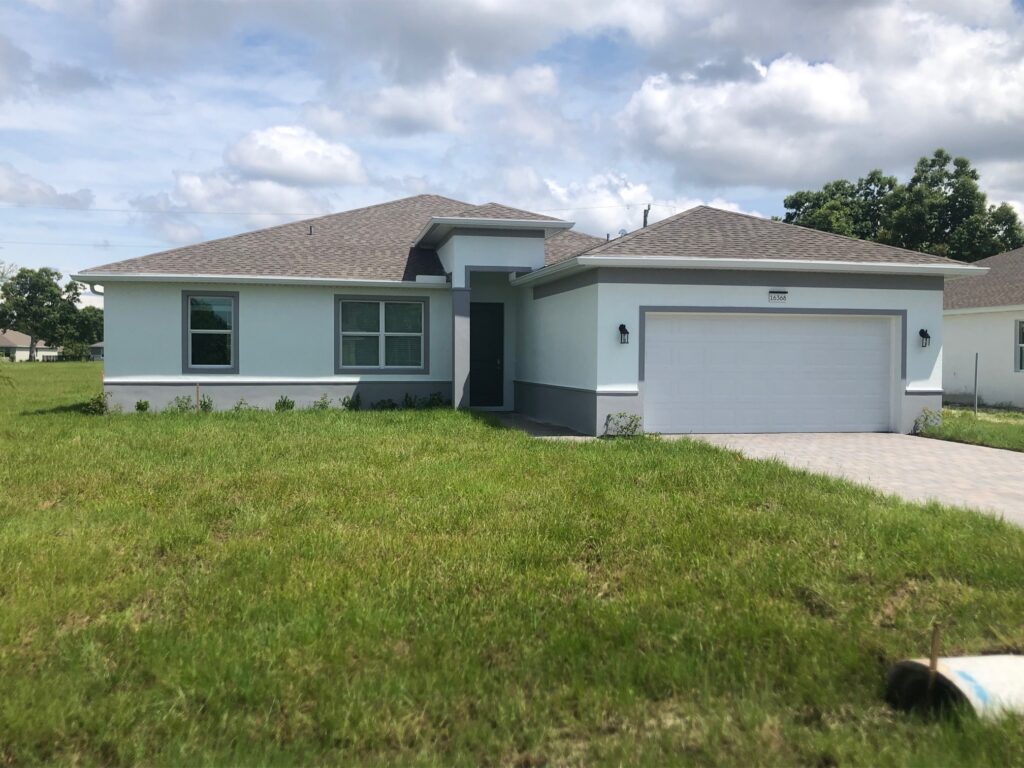
Take a look at this property in Port Charlotte, Florida:

Arthur Ave, Port Charlotte, Florida

  • Arthur Ave, Port Charlotte, Florida
    • 4 Bedrooms, 2 Bathrooms, 1914 sqft
    • Purchase Price: $349,900
    • Rental Income: $2,295 per month
    • Year Built: 2025 (brand new!)
    • Cap Rate: 5.6%
    • Estimated Cash Flow (NOI): $1,633 per month

This is a modern home in an A+ neighborhood, offering solid rental income and a good cash flow right away. The fact that it’s newly built is a huge plus, meaning fewer maintenance issues in the near future.

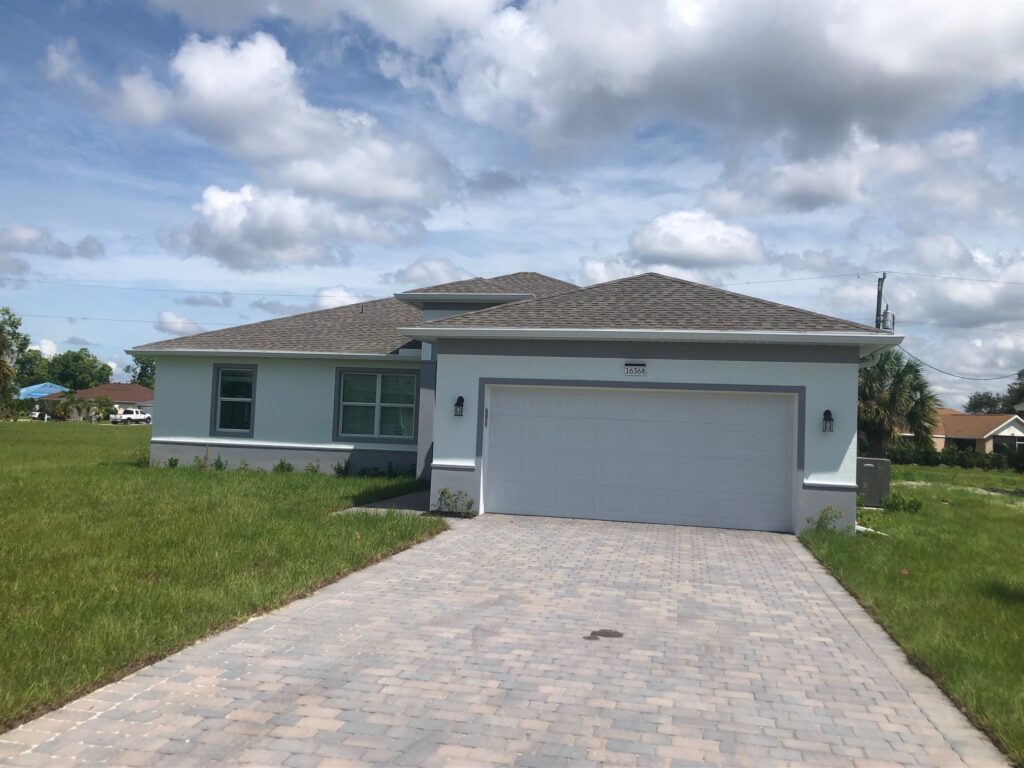
Or consider this one, also in Port Charlotte, Florida:

Prineville St, Port Charlotte, Florida

  • Prineville St, Port Charlotte, Florida
    • 4 Bedrooms, 2 Bathrooms, 1914 sqft
    • Purchase Price: $349,900
    • Rental Income: $2,100 per month
    • Year Built: 2025
    • Cap Rate: 5.0%
    • Estimated Cash Flow (NOI): $1,457 per month

While the cap rate is slightly lower than Arthur Ave, it's still a strong performer in a desirable area. These two examples show how turnkey properties in growing markets can offer immediate returns.

Moving inland, here’s a property in Indianapolis, Indiana:

W Mooresville Rd, Indianapolis, Indiana

  • W Mooresville Rd, Indianapolis, Indiana
    • 5 Bedrooms, 2 Bathrooms, 1332 sqft
    • Purchase Price: $198,000
    • Rental Income: $1,625 per month
    • Year Built: 1933 (older, but renovated?)
    • Cap Rate: 7.2%
    • Estimated Cash Flow (NOI): $1,185 per month

This one is interesting because of its price point and higher cap rate. Older properties, especially in developing areas, can offer excellent value and strong cash flow if they've been well-maintained or updated. The key here is understanding the renovation history and the local rental demand.

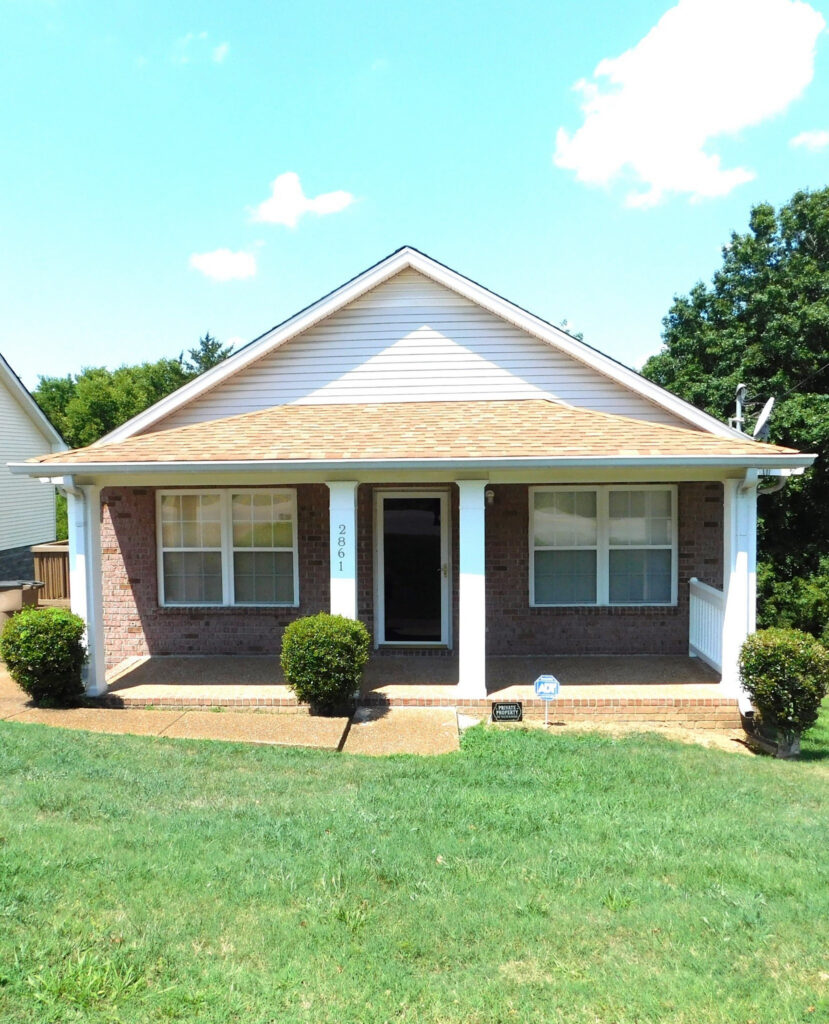
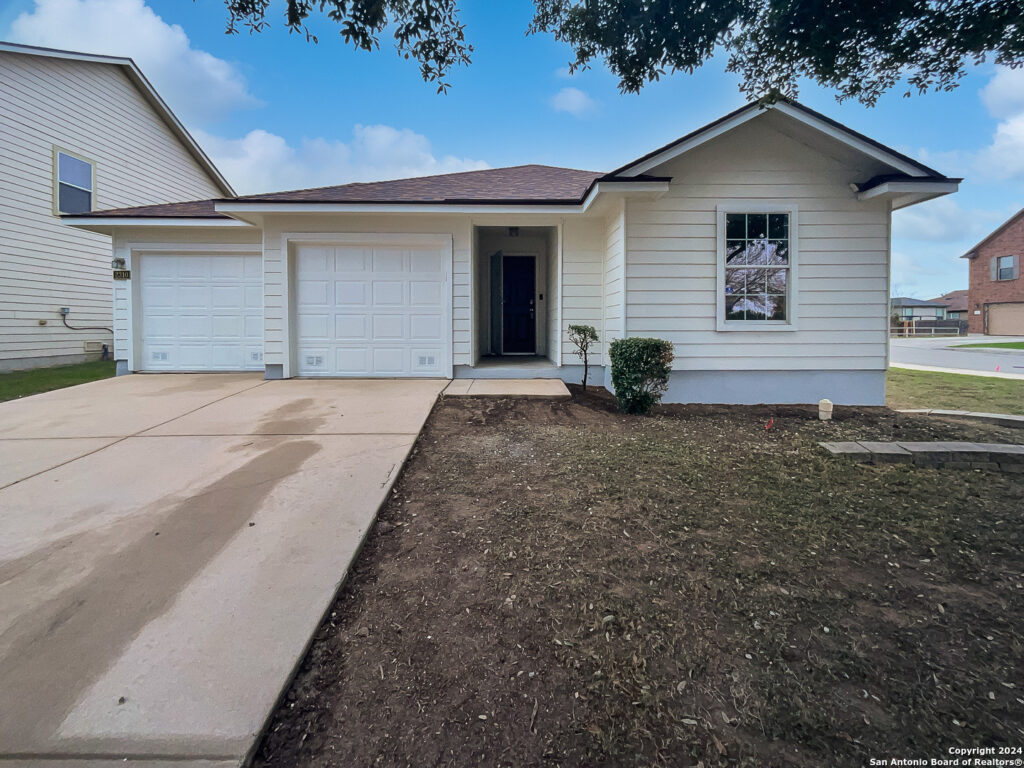
In Nashville, Tennessee, we see:

Old Matthews Rd, Nashville, Tennessee

  • Old Matthews Rd, Nashville, Tennessee
    • 3 Bedrooms, 2 Bathrooms, 1120 sqft
    • Purchase Price: $320,000
    • Rental Income: $2,100 per month
    • Year Built: 2002
    • Cap Rate: 6.3%
    • Estimated Cash Flow (NOI): $1,688 per month

And nearby:

Winton Dr, Nashville, Tennessee

  • Winton Dr, Nashville, Tennessee
    • 3 Bedrooms, 2.5 Bathrooms, 1688 sqft
    • Purchase Price: $360,000
    • Rental Income: $2,100 per month
    • Year Built: 2001
    • Cap Rate: 5.5%
    • Estimated Cash Flow (NOI): $1,662 per month

Nashville is a popular market for a reason, and these properties show that even at higher purchase prices, strong rental demand can lead to good cash flow. Location within Nashville is crucial, as is a well-managed property.

Finally, checking out Birmingham, Alabama:

  • Oak St, Birmingham, Alabama
    • 4 Bedrooms, 2 Bathrooms, 1533 sqft
    • Purchase Price: $172,000
    • Rental Income: $1,425 per month
    • Year Built: 1956
    • Cap Rate: 7.9%
    • Estimated Cash Flow (NOI): $1,137 per month

This Birmingham property stands out for its affordability and high cap rate. It represents how looking at markets beyond the usual hotspots can unlock significant cash flow potential. The price per square foot is also notably lower, offering great value.

What’s the Big Takeaway?

My experience has taught me that the main problem in 2026 isn't whether high-cash flow rental properties exist – they do! The real challenge is access and timing. With demand soaring for these income-generating assets, the key is to have a reliable system for finding and securing the right properties before they’re snatched up. By focusing on turnkey solutions that handle management and financing, and by actively seeking out these pre-vetted deals, investors like me can bypass the usual headaches and start building a robust portfolio that generates income from day one. It’s about strategic investment, not just luck.

Finding The Best High-Cash Flow Rental Properties

In 2026, investors are targeting high‑cash flow rental properties to maximize passive income. Turnkey rentals in strong growth markets deliver steady monthly returns, appreciation, and long‑term wealth potential.

Norada Real Estate helps investors acquire cash‑flowing turnkey properties—providing immediate rental income, professional management, and proven ROI across the nation’s top investment markets.

🔥 HOT 2026 INVESTMENT LISTINGS JUST ADDED! 🔥
Request a Callback / Fill Out the Form Online

Contact Us

🏡 Two Southern Rental Properties With Strong Cash Flow

Nashville, TN
🏠 Property: Winton Dr
🛏️ Beds/Baths: 3 Bed • 2.5 Bath • 1688 sqft
💰 Price: $360,000 | Rent: $2,100
📊 Cap Rate: 5.5% | NOI: $1,662
📅 Year Built: 2001
📐 Price/Sq Ft: $214
🏙️ Neighborhood: A

VS

Birmingham, AL
🏠 Property: Oak St
🛏️ Beds/Baths: 4 Bed • 2 Bath • 1533 sqft
💰 Price: $172,000 | Rent: $1,425
📊 Cap Rate: 7.9% | NOI: $1,137
📅 Year Built: 1956
📐 Price/Sq Ft: $113
🏙️ Neighborhood: B+

Nashville’s A‑rated rental with stability vs Birmingham’s affordable property with higher cap rate. Which fits YOUR investment strategy?

We have much more inventory available than what you see on our website – Let us know about your requirement.

📈 Choose Your Winner & Contact Us Today!

Speak to a Norada Investment Counselor (No Obligation):

(800) 611-3060

View All Properties

Recommended Read:

  • Best Places to Invest $100,000 in Real Estate in 2026 for Passive Income 
  • Best Turnkey Rental Markets in Texas for Out-of-State Investors (2026)
  • Best Places to Invest in Single-Family Rental Properties in 2025
  • Why Real Estate Can Thrive During Tariffs Led Economic Uncertainty
  • Rise of AI-Powered Hyperlocal Real Estate Marketing in 2025
  • Real Estate Forecast Next 5 Years: Top 5 Predictions for Future
  • 5 Hottest Real Estate Markets for Buyers & Investors in 2025
  • Will Real Estate Rebound in 2025: Top Predictions by Experts
  • Recession in Real Estate: Smart Ways to Profit in a Down Market
  • Will There Be a Real Estate Recession in 2025: A Forecast
  • Will the Housing Market Crash Due to Looming Recession in 2025?
  • 4 States Facing the Major Housing Market Crash or Correction
  • New Tariffs Could Trigger Housing Market Slowdown in 2025
  • Real Estate Forecast Next 10 Years: Will Prices Skyrocket?
Filed Under: Passive Income, Real Estate, Real Estate Investing Tagged With: Best Investment, cash flow, Real Estate Investing, Rental Properties, Smart investment, Turnkey Real Estate

Where Real Estate Investors Could Find the Strongest Cash Flow in 2026?

March 2, 2026 by Marco Santarelli

Where Real Estate Investors Could Find the Strongest Cash Flow in 2026?

For many of us looking to make smart investments in real estate, the dream is simple: finding properties that consistently put money back into our pockets. In 2026, the places showing the most promise for strong cash flow are often found in up-and-coming Midwestern cities and areas with a lower cost of living but a growing demand for housing. These markets offer a sweet spot where purchase prices are still reasonable, but rental income can provide a healthy return.

Where Real Estate Investors Could Find the Strongest Cash Flow in 2026?

As someone who's been looking at real estate trends for a while, I’ve noticed a pattern. While the big, flashy cities might grab headlines, the real gems for cash-flowing properties are often hiding in plain sight. It’s about finding that sweet spot where you can buy a property at a good price, rent it out for a decent amount, and still have plenty left over after covering your expenses. This is what we call cash flow, and it's the lifeblood of a smart investment strategy.

Let’s dive into some areas that are showing serious potential for investors aiming for that consistent stream of income.

The Midwestern Powerhouses: Value and Opportunity

The Midwest has been quietly becoming a haven for real estate investors seeking strong cash flow, and I believe this trend will continue into 2026. Why? It’s a simple equation of supply and demand, coupled with affordability. These cities often boast stable job markets, decent infrastructure, and a lower cost of living, which translates to more affordable housing for both buyers and renters.

Kansas City, Missouri: This vibrant city consistently pops up when we talk about good rental markets. It offers a good mix of older, charming homes that can be renovated and newer builds.

  • Askew Ave: A property here, for instance, priced at $175,000, could bring in $1,420 per month in rent. This translates to a cash flow of around $1,093 after expenses. That’s a solid return!
  • Ridgeway Ave: Another example shows a slightly larger home purchased for $184,000 with a potential rental income of $1,500, yielding a cash flow of approximately $1,069. Notice how the lower price per square foot here ($69) can be a significant advantage.

Indianapolis, Indiana: Indianapolis is another city on my radar. It’s a growing hub with a diverse economy, making it attractive to renters.

  • W Mooresville Rd: A larger home here, around 1332 sqft, could be purchased for $198,000 and rent out for $1,625. The cash flow potential is around $1,185. It’s interesting to see a higher price per square foot ($149) but still a strong cash flow, indicating good rental demand.
  • N. Sherman Drive: This property with 4 bedrooms at $184,000 with a rental income of $1,600 offers an even more attractive cash flow of $1,243. The rent-to-value ratio of 0.9% is a good sign.

Birmingham, Alabama: While not strictly the Midwest, Birmingham offers a similar affordability profile that brings consistent cash flow to investors.

  • Oak St: A 4-bedroom home for $172,000 generating $1,425 in rent provides a cash flow of $1,137. The price per square foot at $113 is reasonable, and a cap rate of 7.9% is very appealing.

Deep South Opportunities: High Yields, Lower Entry Points

When I look at markets where you can get more bang for your buck, the Deep South often comes to mind. Especially in cities like Jackson, Mississippi, the lower property prices can lead to very attractive cash flow percentages.

Jackson, Mississippi: This area might surprise some, but it’s a place where you can find incredibly affordable real estate with strong rental demand.

  • Lake Forest Dr: Imagine buying a property for just $85,000 and being able to rent it out for $1,073. That’s a remarkable cash flow of $778! The rent-to-value ratio here is an impressive 1.3%, and the cap rate soars to 11.0%. This is the kind of opportunity that can quickly build wealth.
  • Queen Esther: Even more striking is a property on Queen Esther, priced at a mere $65,000, with a rental income of $900. This results in a cash flow of $613 and a fantastic rent-to-value ratio of 1.4%, with a cap rate of 11.3%. These numbers are compelling for investors prioritizing immediate income.

Emerging Markets and Established Returns

Beyond these core areas, other cities are showing great promise. It’s important to remember that real estate is local, and understanding the specific dynamics of each neighborhood is crucial.

Akron, Ohio: Akron is another city with a rich industrial history that is now reinventing itself.

  • Whitney Ave: A property here for $135,000 with a rental income of $1,225 can provide a cash flow of $1,069. The cap rate of 9.4% is solid, and the rent-to-value ratio of 0.9% indicates a healthy market.

St. Louis, Missouri: St. Louis offers a mix of mature neighborhoods and areas experiencing revitalization.

  • Lewis Place: A larger property at $275,000 with a rental income of $2,500 offers a significant cash flow of $2,020. The cap rate of 8.8% is strong, and the substantial amount of living space can attract longer-term tenants.
  • Elbring Dr: A more modest option at $135,000, renting for $1,300, yields a cash flow of $1,022. The cap rate of 9.1% is very competitive.

Key Factors for Strong Cash Flow in 2026

When I’m evaluating potential cash-flowing properties, I always look for a few key indicators. These aren't just numbers; they tell a story about the market and the property's potential.

  • Rent-to-Value Ratio: This is a simple yet powerful metric. It’s the annual rent divided by the property's value. A higher ratio generally means better cash flow potential. For the examples above, we see ratios ranging from 0.6% to 1.4%. Higher is usually better for cash flow.
  • Capitalization Rate (Cap Rate): This is calculated by dividing the Net Operating Income (NOI) by the property's total cost. It’s a quick way to compare the profitability of different properties. Again, a higher cap rate generally indicates a better return on investment. The Mississippi properties are shining here with cap rates over 11%!
  • Price per Square Foot: While not directly a cash flow metric, a lower price per square foot can indicate a more affordable entry point, allowing for a better cash flow position early on.
  • Neighborhood Quality: Even if the numbers look good, I always consider the neighborhood. Is it safe? Are there amenities nearby? Is it close to job centers? A good neighborhood attracts reliable tenants and helps maintain property value. The ‘B' and ‘A+' ratings in the data suggest desirable areas.
  • Age of the Property: Older properties can sometimes offer lower purchase prices, but they may also come with higher maintenance costs. Newer properties can command higher rents but have a higher upfront cost. As you can see from the data, properties built in the mid-1900s are present in many of these cash flow examples.

My Personal Take: It's Not Just About the Numbers

From my experience, finding great cash flow is as much an art as it is a science. Yes, the data points like cap rates and rent-to-value ratios are crucial, but they only tell part of the story. I've learned that understanding the local economy, the job growth, and even the school districts can significantly impact your rental income and tenant stability.

For 2026, I'm personally more drawn to markets that combine affordability with a clear path for job growth. Cities that are diversifying their economies beyond traditional industries are particularly interesting. The Midwest continues to be a strong contender because it offers that balance. However, I’m also keeping an eye on secondary markets in the Sun Belt, as they often combine a desirable lifestyle with a more manageable cost of entry than major coastal cities.

It’s tempting to chase the highest cap rate, but I always advise investors to look at the long-term stability of that income. A slightly lower cap rate in a rapidly growing, stable city might be more valuable in the long run than a sky-high cap rate in a market with uncertain future prospects.

In conclusion, while the exact properties and their specific numbers will always vary, the strongest cash flow in 2026 is likely to be found in Midwestern cities and areas with lower costs of living but emerging economic opportunities. These locations offer a potent combination of affordable entry prices and solid rental demand, leading to consistent and attractive returns for savvy investors.

These are just a few of the properties available for investors currently. We have multiple properties that provide strong cash flow across multiple markets in the United States.

Best Income-Producing Properties for Investors

In 2026, investors are focusing on income‑producing properties that deliver steady cash flow and appreciation. Turnkey rentals in strong U.S. markets remain one of the most reliable strategies for building passive income and long‑term wealth.

Norada Real Estate helps investors acquire cash‑flowing turnkey properties—providing immediate rental income, professional management, and proven ROI across the nation’s top investment markets.

🔥 HOT 2026 INVESTMENT LISTINGS JUST ADDED! 🔥
Speak with an Investment Counselor Today (No Obligation):
(800) 611-3060
Or Request a Callback / Fill Out the Form Online

Contact Us

🏡 2 Profitable Investment Properties For Passive Income

Port Charlotte, FL
🏠 Property: Drysdale Ave
🛏️ Beds/Baths: 4 Bed • 2 Bath • 1914 sqft
💰 Price: $349,900 | Rent: $2,295
📊 Cap Rate: 5.6% | NOI: $1,633
📅 Year Built: 2025
📐 Price/Sq Ft: $183
🏙️ Neighborhood: A

VS

Akron, OH
🏠 Property: Whitney Ave
🛏️ Beds/Baths: 3 Bed • 1.5 Bath • 1056 sqft
💰 Price: $135,000 | Rent: $1,225
📊 Cap Rate: 9.4% | NOI: $1,063
📅 Year Built: 1923
📐 Price/Sq Ft: $128
🏙️ Neighborhood: C+

Florida’s new A‑rated rental with stability vs Ohio’s affordable property with higher cap rate. Which fits YOUR investment strategy?

We have much more inventory available than what you see on our website – Let us know about your requirement.

📈 Choose Your Winner & Contact Us Today!

Speak to a Norada Investment Counselor (No Obligation):

(800) 611-3060

View All Properties 

Recommended Read:

  • Best Places to Invest $100,000 in Real Estate in 2026 for Passive Income 
  • Best Turnkey Rental Markets in Texas for Out-of-State Investors (2026)
  • Best Places to Invest in Single-Family Rental Properties in 2025
  • Why Real Estate Can Thrive During Tariffs Led Economic Uncertainty
  • Rise of AI-Powered Hyperlocal Real Estate Marketing in 2025
  • Real Estate Forecast Next 5 Years: Top 5 Predictions for Future
  • 5 Hottest Real Estate Markets for Buyers & Investors in 2025
  • Will Real Estate Rebound in 2025: Top Predictions by Experts
  • Recession in Real Estate: Smart Ways to Profit in a Down Market
  • Will There Be a Real Estate Recession in 2025: A Forecast
  • Will the Housing Market Crash Due to Looming Recession in 2025?
  • 4 States Facing the Major Housing Market Crash or Correction
  • New Tariffs Could Trigger Housing Market Slowdown in 2025
  • Real Estate Forecast Next 10 Years: Will Prices Skyrocket?
Filed Under: Real Estate, Real Estate Investing Tagged With: Best Places To Invest In Real Estate, cash flow, Real Estate Investing, Rental Income, Rental Properties, Turnkey Real Estate

How to Find Cash-Flowing Rental Properties in the Top U.S. Markets in 2026

February 13, 2026 by Marco Santarelli

How to Find Cash-Flowing Rental Properties in the Top U.S. Markets in 2026

Ever dreamed of owning properties that practically pay for themselves, putting steady cash in your pocket every month? It's not just a dream; acquiring cash-flowing rental properties in top U.S. markets is absolutely achievable, especially when you focus on specific, high-yield submarkets and implement smart, proactive strategies. Forget the general hype; true success comes from digging into the numbers, understanding market nuances, and operational excellence.

Why Cash Flow is Your North Star in Real Estate

For years, many investors chased appreciation, hoping their property would simply go up in value. While that's great, what happens in a slower market? That's where cash flow becomes your superhero. Cash flow is the money left over after all your bills are paid – mortgage, taxes, insurance, repairs, the whole shebang. It's the engine that lets your investment weather any storm and keeps you moving forward, regardless of what the housing market does. In my personal journey, I've seen how a consistent stream of rental income can fund future investments, pay down debt, or simply provide a cushion for life's unexpected turns. It’s what truly builds lasting wealth, providing both stability and growth.

Pinpointing Your Treasure Maps: Top Markets to Consider

You don't just throw a dart at a map and hope for the best. To acquire cash-flowing rental properties in top U.S. markets, you need to be strategic. My experience has taught me to look for areas where the rental income far outweighs the costs of buying and maintaining the property. This means focusing on places with a low price-to-rent ratio and strong, stable job growth – because jobs mean tenants.

From my vantage point, keeping an eye on current trends is crucial. Here are some markets that often pop up on my radar for their potential:

  • High-Yield Leaders: These are typically areas where property prices haven't skyrocketed, but rental demand remains strong. We're talking about places like Cleveland, OH, which has shown impressive yields (around 11.3%), Buffalo, NY (yielding about 8.2%), and Indianapolis, IN (around 9.1%). These are often overlooked gems offering solid returns.
  • Sun Belt Growth Hubs: Southern states continue to attract people and businesses. Houston, TX, for instance, boasts yields around 9.2%. Other areas like Dallas-Fort Worth, TX, and Jacksonville, FL, are also strong contenders due to their population growth and diverse economies.
  • Balanced Markets: Some cities offer a sweet spot, providing both steady cash flow and decent appreciation potential. Think Atlanta, GA, and Tampa, FL. They might not have the highest yields, but they present a good mix for long-term investors.

I always preach that a good market isn't just about headline numbers; it's about the everyday realities of that particular city.

How to Buy Cash-Flowing Rental Properties in Top U.S. Markets in 2026

Finding the right market is just the first step. The true craft of acquiring cash-flowing rental properties comes down to your process. This is where many aspiring investors stumble, but with a clear plan, you can navigate it like a pro.

Drawing Your “Buy Box” with Precision

Before you even start looking at properties, you need to define your “buy box.” This is your unique set of rules for what makes a good investment. As an investor myself, I don't waste time on properties outside my very specific criteria.

  • Are you looking for a single-family home or a duplex?
  • What price range are you comfortable with?
  • Which specific neighborhoods have positive trends like new infrastructure or job centers coming in?
  • What's your target rental income, and what kind of tenants are you aiming to attract?

Being laser-focused here saves you immense time and helps you pounce when the right opportunity arises.

Unlocking Capital: Beyond the Bank Next Door

Traditional bank loans are fine, but in my experience, the smartest investors use a diverse set of financing tools. To really acquire cash-flowing rental properties efficiently, especially out-of-state or when dealing with properties needing a quick close, you'll need savvier options.

  • DSCR Loans (Debt Service Coverage Ratio): This is a game-changer. Instead of qualifying based on your personal salary, these loans look at the property's income to determine if it can cover its debt. It's fantastic for investors looking to expand their portfolio without hitting personal income limits.
  • Hard Money Loans: These are short-term, higher-interest loans often used for quick acquisition of properties that need significant renovation. They're perfect for fixer-uppers where speed is essential, allowing you to secure the deal, perform renovations, and then refinance into a long-term loan. I've used these to great effect to snap up deals that conventional lenders wouldn't touch.

The Golden Rule of Investing: The 50% Rule

Here’s a simple guideline that has saved me from countless bad deals: the “50% Rule.” This rule estimates that half of your gross rental income will go towards operating expenses before you even consider your mortgage payment.

Expense Category Example Costs
Property Taxes Varies by location
Insurance Landlord policy, flood, hurricane (if applicable)
Maintenance Repairs, upkeep, landscaping
Vacancy Set aside for periods without tenants
Capital Expenses Roof, HVAC, water heater replacement
Property Management If you're not managing yourself

So, if a property rents for $2,000/month, budget at least $1,000 for these expenses. If that leaves enough to comfortably cover your mortgage and still put cash in your pocket, then it's worth a closer look. This simple habit keeps your analyses honest.

The “Set It and Forget It” Approach: Turnkey Solutions

For many investors, especially those looking to acquire cash-flowing rental properties in distant markets, managing properties remotely feels daunting. That's where turnkey providers shine. They specialize in finding, renovating, and even tenant-occupying homes for you, often with property management already in place. My advice? Vetting these providers thoroughly is key, but a good one can be an invaluable partner for passive income. They offer a hands-off way to build your portfolio.

Maximizing and Keeping Your Profits Healthy

Getting a great property is only half the battle. You need to protect and grow that cash flow.

Are You Charging Enough? Benchmarking Your Rents

One common mistake I see investors make is undercharging for rent. Don't just guess! Use tools like Automated Valuation Models (AVMs) or, even better, hire a local property manager to do a thorough market analysis. They can tell you exactly what similar properties are renting for. Every dollar you can reasonably add to rent without increasing vacancy directly boosts your cash flow. Regularly reviewing your rents ensures you're not leaving money on the table.

The Silent Killers: Budgeting for Rising Costs

In recent years, I've noticed a significant uptick in property taxes and insurance premiums across many markets. These increases can quickly eat into your profits if you're not prepared, sometimes even outpacing rent growth. My strategy? Always build a larger buffer in your cash reserves than you think you need. A good rule of thumb is to have at least 3-6 months of operating expenses plus mortgage payments readily available. This helps you smoothly handle these rising “friction” costs.

The Human Element: Ruthless Tenant Screening

A property's value, and your peace of mind, are inextricably linked to its tenants. A bad tenant can destroy your cash flow through unpaid rent, property damage, and costly evictions. I cannot stress this enough: screen ruthlessly. Use FCRA-compliant Tenant Management Software to check:

  • Credit history
  • Criminal background
  • Eviction history
  • Employment and income verification
  • Previous landlord references

This upfront diligence minimizes turnover costs and protects your investment, ensuring your property remains a reliable source of income.

Ready to Build Your Wealth with Smart Real Estate Investing?

Now, if doing all of that yourself sounds like a lot, or you'd prefer to fast-track your success with seasoned professionals, Norada Real Estate Investments can help you out. This is the exciting part! You can book a free discovery call with us and learn exactly how to acquire cash-flowing rental properties in top U.S. markets.

At Norada, we've served over 10,000 investors and have 20+ years of experience. We've even been named to the Inc. 5000 list twice! This isn't a sales pitch; it's a genuine conversation designed to give you clarity and confidence.

What You'll Get on Your Free Discovery Call with Us:

  • We'll review your investment goals and timeline
  • We'll discuss your budget, experience, and risk tolerance
  • We'll identify markets with steady rental demand
  • We'll explain Norada's turnkey model and support
  • We'll answer your questions openly and honestly
  • We'll provide actionable next steps for you

You'll leave with clarity and confidence, whether you decide to move forward with us or not. We don't push properties; we help investors make informed decisions backed by data and experience.

Learn How to Acquire Cash-Flowing Rentals

In 2026, investors are building wealth by targeting turnkey rental properties in top U.S. markets. A free discovery call gives you direct insight into strategies for acquiring cash‑flowing assets that deliver passive income and appreciation.

Norada Real Estate connects you with investment counselors who guide you step‑by‑step—helping you identify the right markets, secure turnkey properties, and maximize ROI with confidence.

🔥Schedule Your Free Discovery Call Today🔥
“Fill Out the Form Online”

Book Now

Also Read:

  • Why Turnkey Properties Are Simplifying Real Estate Investing in 2026
  • Why Smart Investors Are Buying Cleveland Turnkey Real Estate
  • Is Turnkey Real Estate a Smart Investment Choice for Beginners?
  • Turnkey Homes for Sale Are Selling Fast in 2024
  • Turnkey Real Estate Investment: A Guide For Beginners
  • What is Turnkey Rental Property Investing?
  • What is Turnkey Rental Property Investing?
  • Top Real Estate Markets for Turnkey Investment Properties
  • Housing Market Predictions for Next Year: Prices to Rise by 4.4%
  • Housing Market Predictions for the Next 4 Years: 2024 to 2028

Filed Under: Real Estate, Real Estate Investing, Real Estate Market Tagged With: cash flow, Real Estate Investing, Rental Income, Turnkey Properties

Best Dallas Neighborhoods for Turnkey Rental Properties With Strong Cash Flow (2026)

February 12, 2026 by Marco Santarelli

Best Dallas Neighborhoods for Turnkey Rental Properties With Strong Cash Flow (2026)

If you're looking to invest in Dallas real estate for steady rental income, focusing on neighborhoods that blend affordability with strong rental demand is key in 2026. I've found that areas offering a good balance between lower purchase prices and the ability to command reliable rents are where you’ll see the best cash flow.

Let's be honest, the hunt for a solid turnkey rental property can feel like searching for a needle in a haystack. You want something that not only looks good on paper but actually churns out consistent returns without you having to constantly chase down tenants or deal with endless repairs. As someone who’s navigated these waters myself and seen firsthand what works and what doesn't, I can tell you that Dallas, with its booming economy and ever-growing population, presents some fantastic opportunities for savvy investors.

Best Dallas Neighborhoods for Turnkey Rental Properties With Strong Cash Flow

The Dallas-Fort Worth (DFW) metroplex continues to be a hotbed for real estate investment, consistently ranking high nationally for its overall prospects. For us investors looking for turnkey rental properties that deliver strong cash flow, the year 2026 presents a dynamic market. We’re seeing a trend where smart money is flowing into neighborhoods that offer a sweet spot: affordable entry points coupled with healthy rent-to-price ratios. This isn't about chasing the flashiest new builds everywhere; it's about strategic location.

My experience tells me that when you find a neighborhood that’s on the cusp of significant positive change, or one that’s already established but still offers value, that’s where the real magic happens for rental income. It’s about understanding the pulse of the local community, what families and professionals are looking for, and where development is genuinely enhancing people's lives.

Why Dallas for Turnkey Investments in 2026?

Before we dive into specific neighborhoods, let's quickly touch on why Dallas is such a compelling market for turnkey rental properties in 2026.

  • Robust Job Market: Dallas boasts a diverse and expanding economy, attracting professionals from all sectors. This continuous influx of people means a constant demand for rental housing.
  • Population Growth: The DFW area is consistently one of the fastest-growing metros in the U.S. More people naturally translate to more renters.
  • Attainable Price Points (Relatively): While some areas are indeed pricey, there are still pockets within Dallas and its surrounding suburbs where you can acquire properties at a price that still allows for excellent cash flow potential, especially when compared to coastal cities.
  • Investor-Friendly Environment: Texas, in general, has a favorable business climate, which extends to real estate investing.

Now, let's get down to the nitty-gritty. I’ve sifted through the data and my own on-the-ground insights to highlight the neighborhoods that are poised to deliver for turnkey investors in 2026.

Top Dallas Neighborhoods for Impressive Turnkey Cash Flow (2026)

Based on current market projections and what I'm seeing as valuable investment areas, here are the Dallas neighborhoods that should be on your radar for turnkey rental properties and strong cash flow:

1. Oak Cliff (75208, 75211)

Oak Cliff is a neighborhood that has been on my “watch list” for years, and it continues to impress. It’s a large, diverse area with distinct sections, but the general trend is upwards. You'll find a mix of older, charming homes alongside areas undergoing significant revitalization.

  • Median Home Prices (2026 Projections): I’m seeing an average range of $280,000 to $350,000. This entry point is crucial for achieving good cash flow.
  • Rental Rates (2026 Projections): Expect to see rents in the $1,800 to $2,400 per month range for well-maintained properties. This gives you a solid rent-to-price ratio.
  • Why Now? Oak Cliff is experiencing a wave of urban renewal, especially around areas like the Bishop Arts District. This draws in young professionals and creatives looking for a vibrant urban lifestyle without the sky-high rents of some other Dallas enclaves. The appreciation rates here have been impressive, and this trend is expected to continue in 2026.

2. West Dallas (75212)

West Dallas is another area that’s seen a dramatic transformation. Historically industrial, it’s now a hub for revitalization efforts, benefiting greatly from its proximity to Downtown Dallas and the popular Trinity Groves area.

  • Entry Price Point: West Dallas remains attractive because you can often find opportunities with property prices below the $300,000 threshold. This is gold for maximizing cash flow.
  • Growth Drivers: It’s an active Opportunity Zone, meaning there are significant investments in infrastructure and development. This is attracting young professionals and artists, creating a strong rental demand. I’ve witnessed firsthand how quickly this area is changing and how rental demand is following suit.

3. The Cedars (75215)

If you're thinking about affordable investments near the heart of the city, The Cedars is a compelling option. It’s located just south of Downtown Dallas.

  • Investment Appeal: This neighborhood is seeing a lot of momentum. Think warehouse conversions turning into cool lofts and apartments, alongside new developments. It offers an accessible entry point for investors looking to tap into the workforce housing market.
  • Future Potential: Its proximity to the Dallas Convention Center and planned redevelopment around rail lines positions it for future growth and sustained rental demand.

4. Lake Highlands

For investors who prefer a more stable, family-oriented market, Lake Highlands is a tried-and-true option.

  • Family Appeal: This neighborhood is a magnet for families due to its highly-rated schools and abundance of green spaces. This translates into consistent rental demand and resilient property values.
  • Investment Strategy: It’s a great segment for single-family homes, appealing to those who want a suburban feel with good access to city amenities. I’ve found these areas to be less volatile and more predictable for long-term cash flow.

5. Old East Dallas

This is an area that’s currently in an exciting urban renaissance. It offers a nostalgic charm combined with modern appeal that attracts a diverse renter base, from young professionals to established families.

  • Mosaic of Demand: Old East Dallas has a unique character that appeals to those looking for a blend of history and contemporary urban living. This diverse appeal helps sustain rental demand.
  • Value Proposition: While prices are rising here as it becomes more popular, it still offers value, especially when compared to areas right next to downtown.

Surrounding Suburbs: Great Value and Strong Cash Flow Opportunities

Don't overlook the suburbs surrounding Dallas proper. These areas often provide lower property taxes and a higher quality of life for renters, directly boosting your cash flow.

6. Garland

Garland offers a solid suburban stability.

  • Key Advantage: Lower property taxes compared to Dallas proper are a significant plus for monthly cash flow.
  • Rental Demand: It's popular with families and individuals who appreciate a slightly more laid-back atmosphere while still being within easy commuting distance to Dallas.

7. Mesquite

Mesquite is another excellent choice for affordability and demand.

  • Family Focus: It’s highly sought after by families looking for more space and a good community feel outside the immediate city center. This makes it a prime candidate for buy-and-hold rental strategies.
  • Cost-Effectiveness: The more affordable price point here is a huge win for generating strong cash flow from day one.

8. Grand Prairie

Grand Prairie, especially areas near the Carrier Parkway corridor, is showing consistent growth.

  • Steady Growth: Projections show a steady annual growth of 6-8%. This is a healthy indicator for long-term appreciation and rental income stability.
  • Employment Hubs: The area benefits from year-round employment centers, meaning a consistent pool of potential renters.

9. Arlington

Arlington is a dynamic city with a built-in rental demand.

  • Major Demand Drivers: The presence of the University of Texas at Arlington and major entertainment attractions like AT&T Stadium and Six Flags means a consistent demand from students, faculty, and tourists looking for stays. This dual demand stream is excellent for cash flow.
  • Diverse Tenant Base: You can cater to both student housing needs and longer-term family rentals, offering flexibility.

10. Richardson

Richardson is a particularly interesting market, especially for those considering transit-oriented investments.

  • Transit-Oriented Growth: The expansion of the DART Silver Line is a huge driver here. Neighborhoods near DART stations are seeing robust demand from professionals who value easy commutes.
  • “Telecom Corridor” Appeal: This area also benefits from the strong presence of tech companies, attracting a highly educated tenant base. I’m particularly bullish on areas around transit hubs for their long-term rental potential and appreciation.

2026 Rental Market Outlook: What Investors Need to Know

The Dallas rental market in 2026 is shaping up to be quite interesting. We’re seeing a slight shift in some segments, with new supply entering the market potentially softening median list prices. However, demand remains robust. Why? High interest rates are keeping many potential homebuyers in the rental market longer than they might have planned.

  • Average Rents Stabilized: While rents have stabilized around $1,638 per month on average, properties that are modernly updated and feature smart home technology are commanding premiums. I’ve seen these properties fetch 12-18% higher rents than their un-updated counterparts. This is a crucial insight for any turnkey investor – don't underestimate the power of a few smart upgrades.

Appreciation and Rental Growth: A Closer Look

When we talk about cash flow, it’s not just about the monthly rent. Long-term appreciation is also a significant part of the investor equation. In 2026, we’re seeing a market that’s returning to more sustainable growth, with annual appreciation rates generally expected between 1% to 4%. However, specific neighborhoods are outperforming this average due to targeted revitalization and their proximity to growing job centers.

Here’s a quick look at how different categories of neighborhoods might perform:

Neighborhood Category Est. Appreciation (2026) Rental Growth Potential Primary Driver
Urban Hotspots Modest-to-High 12–15% Entertainment & walkability
High-Income Suburbs Stable/Steady 10–14% Corporate hubs & top schools
Emerging Revitalization Higher Growth 7–12% Infrastructure & urban renewal
Established Suburbs Flat to +1.5% 7–9% Transit (Silver Line) expansion

(Note: Data is based on 2026 market projections and analysis. Specific figures may vary.)

Neighborhood-Specific Value Trends:

  • Oak Cliff & West Dallas: These are the prime examples of “Emerging Revitalization.” They are seeing some of the strongest value increases, driven by urban renewal, Opportunity Zone investments, and infrastructure improvements.
  • Lake Highlands: Offers “suburban serenity” with more stable growth. Think consistent, single-digit appreciation rather than rapid spikes.
  • The Cedars: Its shift from industrial to residential is drawing in capital. Proximity to downtown and planned transit developments make it a strong “future growth” play.
  • Old East Dallas: Similar to areas like “M Streets,” it's seeing modest appreciation as prices naturally rise, sustained by increasing demand from younger demographics.

Key Investment Insights for 2026:

  • Transit-Oriented Growth: Pay attention to neighborhoods along the DART Silver Line, like Richardson. These areas are often outpacing regional averages in both property values and rental rates.
  • School District Premium: Properties in highly-rated school districts (like parts of Frisco ISD or select Dallas ISD zones) command higher rents and appreciate faster. This is a recurring theme that always pays off.
  • Turnkey Advantage: As I mentioned, modernly updated properties with smart home features are your golden ticket to higher rents. In 2026, this premium is still significant and directly impacts your cash flow.

Investing in turnkey rental properties in Dallas in 2026 is about making informed decisions. By targeting neighborhoods with a strong combination of affordability, consistent rental demand, and potential for appreciation, you can build a portfolio that generates healthy, reliable cash flow. Remember to always conduct your due diligence, and consider working with local property managers who understand the nuances of these specific markets. Happy investing!

Dallas Turnkey Neighborhoods Delivering Cash Flow

Dallas continues to shine in 2026 as one of the nation’s strongest rental markets. High‑demand neighborhoods are offering investors affordable turnkey properties with steady cash flow and appreciation potential.

Norada Real Estate helps investors secure turnkey rentals in Dallas neighborhoods positioned for ROI—delivering passive income and long‑term wealth growth for out‑of‑state and local buyers alike.

🔥 HOT New INVESTMENT LISTINGS JUST ADDED! 🔥
Speak with an Investment Counselor Today (No Obligation):
(800) 611-3060
Or Request a Callback / Fill Out the Form Online

Contact Us

Recommended Read:

  • Dallas vs. Houston: Which City Offers Better Returns for Real Estate Investors
  • Dallas Housing Market: Prices, Trends, Forecast
  • Texas Housing Market: Trends and Predictions
  • Will the Texas Housing Market Crash?
  • Is Texas a Good Place to Live: Explore the Cost, Jobs & Lifestyle
  • Are Texas Home Sales Dropping?
  • Should You Invest in the Dallas Real Estate Market?

Filed Under: Real Estate, Real Estate Investing, Real Estate Market Tagged With: cash flow, Dallas, Real Estate Investment, Rental Income, Turnkey Rental Properties

REITs vs. Rental Property: Which is Better for Long-Term Investors?

December 24, 2025 by Marco Santarelli

REITs vs. Rental Property: Which Is Better for Long-Term Investors?

I’ve been investing in real estate for a long time, and if there’s one question I get asked more than any other, it’s this: Should I buy a physical rental property or is it smarter, easier, and just as profitable to stick to Real Estate Investment Trusts (REITs)? It’s a classic debate, pitting sweat equity against pure financial assets.

For most long-term investors, the ideal strategy isn't choosing between REITs and rental properties, but understanding that REITs offer essential liquidity and passive income while rentals offer superior control and tax benefits, making a combined approach the strongest defensive play.

The choice you make profoundly impacts your lifestyle, your tax bill, and your potential wealth trajectory. Let's dig into the details and figure out which option truly aligns with your personal investment goals, your tolerance for risk, and, frankly, your willingness to unclog a drain at 2 AM.

REITs vs. Rental Property: Which is Better for Long-Term Investors?

The Core Difference: Ownership vs. Partnership

When you invest in physical rental property, you are the boss. You bought the asset, you manage the repairs, you screen the tenants, and you collect the rent. This level of control is deeply satisfying for some and deeply burdensome for others.

When you buy a REIT (which is essentially a company that owns and often operates income-producing real estate), you are buying a share of that business. You become a passive partner.

This difference in involvement is the fundamental dividing line between the two options. I personally prefer being hands-off with my core retirement accounts, which is where REITs shine, but I prefer the higher level of control—and potential upside—that comes with direct ownership for my primary wealth-building ventures.

Factor REITs (Passive Investment) Rental Properties (Active/Managed Investment)
Management Burden Zero. Professional teams handle everything from tenant placement to roof replacement. High, unless you hire a property manager (which cuts into your profit).
Time Commitment Low. Buy it and forget it. Significant (or costly). Maintenance calls, vacancy marketing, accounting.
Control None. You trust the management team’s decisions. Full control over renovations, tenant standards, and rent setting.

Money Matters: Initial Costs and Liquidity

The barrier to entry is the first practical hurdle any investor faces, and this is where REITs win without question.

Initial Investment

To purchase one share of a listed REIT, you might spend $20 or $100. You can start investing today with the change in your pocket. This is incredibly accessible.

Contrast that with a rental property. You need a large down payment (usually 20–25%), closing costs, inspection fees, and a buffer for immediate repairs. We are talking tens of thousands of dollars, minimum. The initial hurdle for rentals is high, which means many future investors are stuck saving for years just to get started.

Liquidity and Exit Strategy

Liquidity is how quickly you can turn an asset back into cash.

  • REITs: Highly liquid. Since public REITs trade on stock exchanges (like the NYSE), you can sell your shares instantly during market hours. Your cash is available in a matter of days. If you need sudden funds, this liquidity is priceless.
  • Rental Property: Low liquidity. Selling a home involves months of preparation, listing, negotiation, inspections, and closing paperwork. If you need cash fast, you are often forced to take a discount or explore cumbersome financing like a HELOC.

My Takeaway: For younger investors or those building an emergency fund, starting with REITs makes sense because the immediate access to cash protects you from financial emergencies outside of real estate.

The Hidden Power: Leverage and Amplified Returns

Here’s where rental property investors gain a massive advantage that even the highest-performing REITs struggle to match for individual investors: leverage.

When you buy a REIT, you are typically using your own 100% cash investment.

When you buy a rental property, you use a mortgage. This means you are controlling a $300,000 asset by only putting down $60,000 (20% down payment). You are using Other People's Money (OPM) to maximize your potential returns.

This leverage doesn't just increase your potential profit; it amplifies your actual Return on Investment (ROI). For example, if your property value increases by 10% ($30,000 on a $300,000 home), you made a 50% cash return on your initial $60,000 investment. You captured the appreciation on the entire asset, not just the portion you paid for in cash.

While it is true that listed equity REITs have shown higher average net annual returns over a 25-year period (historically around 9.74%) compared to unleveraged private real estate (around 7.66%), these numbers can be misleading. A well-managed, leveraged rental property will often generate an actual cash-on-cash return far exceeding the 9.74% posted by the public market—provided you manage debt wisely.

Leverage cuts both ways, however. It also amplifies losses if the market turns sour or if interest rates are high when you buy. Still, for the long-term, disciplined investor, the strategic use of leverage in rental properties is arguably the single most important tool for building generational wealth.

Tax Talk: Where the Real Money is Made

Let’s be honest: in the world of investments, it’s not just about what you make; it’s about what you keep from the taxman. This is where rental properties hold an undeniable edge.

Rental Property Tax Advantages

As a landlord, you get to deduct significant operating expenses, which include:

  1. Mortgage Interest: Often the largest early deduction.
  2. Property Taxes, Insurance, Repairs, and Management Fees.
  3. Depreciation: This is the superstar. The IRS allows you to deduct a portion of the property's value (excluding land) every year for 27.5 years, acting as a “phantom loss.” You are allowed to report a taxable loss even while the property is generating positive cash flow. This shields cash flow from being taxed until you eventually sell.

Furthermore, direct ownership allows you to potentially use 1031 exchanges to defer capital gains taxes indefinitely when you sell one property and immediately buy another.

REIT Tax Disadvantages

REITs are legally required to distribute at least 90% of their taxable income to shareholders as dividends. While you benefit from high yields, these dividends are typically taxed as ordinary income, which means they are taxed at your highest marginal rate—often significantly higher than long-term capital gains rates.

Yes, there is an advantage known as the Qualified Business Income (QBI) deduction, which currently allows some REIT dividends to temporarily receive a 20% deduction through December 2025, but compared to the cash flow sheltering power of depreciation inherent in direct ownership, rentals maintain a superior tax profile.

Diversification and Volatility

Diversification is key to sleeping well at night.

A good REIT provides instant diversification across:

  • Property Type: Residential, commercial, industrial, healthcare, data centers.
  • Geography: Assets across states or even countries.

If you own a single rental house, you are entirely reliant on one local market. If that market experiences a local economic decline (say, a major employer shuts down), your entire investment is at risk. While you have low geographic diversification with a single rental, you generally experience less volatility because private real estate values move slower than the stock market.

My View: A Real-World Investment Strategy

For those asking which is better, I always respond with a compromise. I’ve found that the best long-term strategy for building durable wealth is a hybrid approach, using each asset class for its respective strength:

  1. Use REITs for Retirement and Passive Income: I allocate REIT funds within tax-advantaged accounts (like an IRA or 401(k)). Their reliable dividends provide income, and their high liquidity means I can rebalance the account easily without dealing with physical asset sales. They are truly hands-off.
  2. Use Rental Property for Wealth Creation and Tax Shelter: I use leveraged rental properties as my primary engine for significant capital growth. The ability to use leverage, depreciation, and 1031 exchanges creates an unparalleled financial opportunity that cannot be replicated by simply buying stocks. I am willing to hire a property manager to handle the day-to-day headaches because the tax and leverage advantages outweigh the management cost.

My personal experience tells me that while the convenience of REITs is unmatched, the control you gain from physical ownership—choosing your exact neighborhood, upgrading strategically, and maximizing tax deductions—allows you to squeeze more profit from the physical real estate asset than you can from pooling your capital with thousands of other investors in a trust.

Summary Comparison for Long-Term Investors

Feature Choose REITs If… Choose Rental Properties If…
Capital You have limited savings and need a low entry point. You have significant capital available for a down payment (or can partner up).
Involvement You demand a 100% passive, hands-off approach. You prefer direct control and are willing to manage assets (or pay a manager).
Risk Profile You need high liquidity and diversification across numerous sectors. You want to maximize returns using mortgage leverage.
Financial Goal You prioritize receiving consistent, easily accessible dividends. You prioritize long-term appreciation, wealth preservation, and tax avoidance.

For serious long-term investors, the choice ultimately comes down to activity level. If you are prepared to put in the work—or the expense of professional management—the superior tax benefits and the power of leverage make rental properties the engine of choice for maximized long-term wealth, even if historically, the raw average annual return percentage of listed public REITs has sometimes been slightly higher due to inherent market volatility. They both have a place at the table, but they serve different long-term objectives.

🏡 Which Turnkey Property Would YOU Purchase?

Saint Louis, MO
🏠 Property: Lewis Place
🛏️ Beds/Baths: 5 Bed • 3 Bath • 3006 sqft
💰 Price: $275,000 | Rent: $2,500
📊 Cap Rate: 8.8% | NOI: $2,020
📅 Year Built: 1895
📐 Price/Sq Ft: $92
🏙️ Neighborhood: C+

VS

Port Charlotte, FL
🏠 Property: Aldridge Ave
🛏️ Beds/Baths: 3 Bed • 2 Bath • 1548 sqft
💰 Price: $339,900 | Rent: $2,195
📊 Cap Rate: 5.8% | NOI: $1,643
📅 Year Built: 2025
📐 Price/Sq Ft: $220
🏙️ Neighborhood: A+

Two contrasting investments: historic St. Louis charm with high cap rate vs modern Florida build with stability. Which fits YOUR investment strategy?

📈 Choose Your Winner & Contact Us Today!

Talk to a Norada investment counselor (No Obligation):

(800) 611-3060

Contact Us Now 

Want Stronger Returns? Invest Where the Housing Market’s Growing

Turnkey rental properties in fast-growing housing markets offer a powerful way to generate passive income with minimal hassle.

Work with Norada Real Estate to find stable, cash-flowing markets beyond the bubble zones—so you can build wealth without the risks of ultra-competitive areas.

🔥 HOT NEW LISTINGS JUST ADDED! 🔥

Talk to a Norada investment counselor today (No Obligation):

(800) 611-3060

Get Started Now

Also Read:

  • Top Turnkey Real Estate Markets for 2026: The Investor’s Guide
  • Top 10 Most Popular Housing Markets of 2025 for Homebuyers
  • Will Real Estate Rebound in 2026: Top Predictions by Experts
  • Housing Market Predictions for the Next 4 Years: 2026, 2027, 2028, 2029
  • Housing Market Predictions for 2026 Show a Modest Price Rise of 1.2%
  • Housing Market Predictions 2026 for Buyers, Sellers, and Renters
  • 12 Housing Markets Set for Double-Digit Price Decline by Early 2026
  • Real Estate Forecast: Will Home Prices Bottom Out in 2025?
  • Housing Markets With the Biggest Decline in Home Prices Since 2024
  • Why Real Estate Can Thrive During Tariffs Led Economic Uncertainty
  • Rise of AI-Powered Hyperlocal Real Estate Marketing in 2025
  • Real Estate Forecast Next 5 Years: Top 5 Predictions for Future
  • 5 Hottest Real Estate Markets for Buyers & Investors in 2025

Filed Under: Real Estate Investing, Real Estate Market Tagged With: cash flow, Real Estate Investing, REITs, rental property

Why Cash Flow Alone Isn’t Enough to Get Rich?

June 1, 2025 by Marco Santarelli

Cash Flow Will NOT Make You Rich

Don't get me wrong. Cash flow is good (assuming it's positive), but absolutely NO one has ever become rich from cash flow alone. Think about that for a minute.

Let’s look at a quick example. Let’s say you have a $100,000 property that generates $200 per month in positive cash flow. That’s $200 per month after all your expenses and debt service. That would give you $2,400 per year or $12,000 over five years in cash flow.

Assuming you follow our advice of maintaining a reserve account for each of your properties to cover future maintenance and repairs, you will have made $12,000 in net profit over those five years. This assumes that nothing unforeseen happens along the way such as a hot water tank or leaky roof requiring replacement, or a long-term vacancy.

If you’re going to put your investment capital, credit, and possibly your income at “risk” for $12,000, then you’ll need more than just cash flow to make it worthwhile. You need to be investing in markets that offer good appreciation potential. That is how you become rich!

Live where you want and invest only where the numbers make sense! This stresses the importance of investing in good markets and good neighborhoods.

Going back to our example above, what would happen if we averaged only 5% appreciation per year in addition to the $2,400 in cash flow? (Remember that the national average has been 6.2% going as far back as the 1940s.)

With only 5% appreciation per year you’d make over two (2) times more money in equity than cash flow alone. And with a 10% average rate of appreciation over five years you’d make over five (5) times more money in equity than cash flow alone.

Did you forget that appreciation in many markets used to be over 10% as recently as four years ago? Markets move in cycles and appreciation always happens as markets cycle off their bottoms. We are seeing it today in markets all around the country.

Of course, in addition to the positive cash flow and money made through appreciation, you also benefit from the amortization of the mortgage and the tax benefits through depreciation, tax deferred exchanges and lower capital gains when holding your property for more than a year and a day.

Now is the time to be investing with so many markets near their cyclical bottom or turning back up. Cash flow is great, and it’s the “glue” that keeps your investment together, but it’s the equity growth that will make you rich.

Why Cash Flow Alone Isn't Enough to Get Rich

  • Limited Growth Potential: Cash flow provides a steady income stream, but the amount typically increases slowly over time due to rent control or gradual market adjustments. This can make it difficult to achieve financial independence or aggressive wealth building goals solely through cash flow.
  • Inflation Risk: Inflation erodes the buying power of your cash flow over time. A $200 monthly profit today won't hold the same value in ten years. This means your cash flow won't provide the same level of financial security in the future.

Appreciation: The Engine of Wealth

  • Exponential Growth: Property value appreciation can snowball over time. Even a modest 5% annual increase can significantly boost your equity and overall wealth. Imagine a $100,000 property appreciating by 5% every year for a decade. That translates to a $50,000 increase in equity, outpacing any cash flow generated during that period.
  • Leveraging Debt: Real estate allows you to leverage debt (mortgage) to acquire assets. As property value rises, the loan amount stays fixed, increasing your return on investment (ROI). This magnifies the gains from appreciation compared to a straight cash purchase.

Beyond Cash Flow and Appreciation

  • Tax Advantages: Real estate offers various tax benefits, including depreciation deductions, which lower your taxable income. These deductions can be a significant advantage over other asset classes. Additionally, deferring capital gains taxes through strategies like 1031 exchanges allows you to reinvest profits and accelerate wealth creation. By utilizing these tax benefits, you keep more of your returns working for you.
  • Hedge Against Inflation: Unlike cash flow, which suffers from inflation, real estate can act as a hedge against inflation. Historically, property values tend to rise alongside inflation, helping to preserve your purchasing power over time.

Building a Well-Rounded Strategy

  • Market Research: Investing in “good markets” with high appreciation potential is crucial. Research local trends, job growth, and development plans. Look for areas with strong economic fundamentals that can support rising property values. But remember, appreciation isn't guaranteed. A balanced approach considers both potential appreciation and steady cash flow to generate income while you wait for the market to upswing.
  • Diversification: Don't put all your eggs in one basket. Diversify your portfolio across different property types (residential, commercial), locations, and asset classes to mitigate risk. This could involve a mix of single-family homes, apartment buildings, or even investing in REITs (Real Estate Investment Trusts). Consider factors like investment horizon, budget, and risk tolerance when making these decisions.
  • Professional Guidance: Consider seeking advice from experienced real estate professionals like agents, brokers, or financial advisors. They can help you navigate the complexities of the market, identify suitable investment opportunities, and develop a personalized strategy aligned with your goals. Don't hesitate to interview multiple professionals to find one who understands your investment philosophy and risk tolerance.

By focusing on appreciation alongside cash flow and incorporating tax benefits and diversification, you can develop a well-rounded real estate investment strategy with the potential for substantial wealth creation. This approach offers the potential for both steady income, long-term capital gains, and protection against inflation, all while mitigating risk through careful market research and portfolio diversification. Remember, real estate is a complex asset class, and success requires ongoing education, due diligence, and potentially the help of qualified professionals.

Build Wealth with More Than Just Cash Flow

Relying on cash flow alone isn’t enough to build real wealth. Smart investors know that long-term appreciation, tax advantages, and leverage are just as critical.

Norada helps you invest in markets with strong growth potential, solid rental income, and built-in equity—so you grow wealth from multiple angles.

HOT NEW LISTINGS JUST ADDED!

Talk to a Norada investment counselor today (No Obligation):

(800) 611-3060

Get Started Now 

Read More:

  • The One Percent Rule: Quick Math For Positive Cash Flow Rental Properties
  • How Does Buying a House in Cash Affect Taxes?
  • Why You Should Be Investing Your Cash in Real Estate
  • How to Profit or Get Rich From Rising Interest Rates?
  • The Rich vs Poor Mindset: Which Mindset Do You Have in 2025?

Filed Under: Real Estate Investing Tagged With: building equity, cash flow, Investment Property, Real Estate Investing, Real Estate Market

20 Best Markets for Buying Single Family Rentals

May 28, 2013 by Marco Santarelli

Best-of-the-BestWhile buying single family rental properties has become the darling investment strategy of Wall Street, it may not always make sense for individual real estate investors — particularly in some markets already picked over by the large institutional investors. But there are still markets where the numbers work for the conservative, individual investor looking to purchase foreclosures and other homes as single family investment properties.

[Read more…]

Filed Under: Growth Markets, Housing Market, Real Estate Investing Tagged With: Best Markets, Cap Rate, cash flow, Housing Market, Real Estate Investing, Single Family Rental Property

The Investing Pyramid

July 25, 2011 by Marco Santarelli

There are three major areas when it comes to real estate investing.  Each of these can be seen as the corner of a triangle as shown here.

It's important to understand these three major areas and the relationship among them.

The first corner of real estate investing is called creating cash. This is where you use real estate to generate chunks of cash or regular cash flow from your income property.

Chunks of cash represent the type of profit made when assigning a contract to another investor or fixing and flipping a property for a larger profit. Depending on the price point of the properties you’re assigning or flipping, you can earn some good money in a relatively short period of time. This often makes for great supplementary income.

In fact, some investors make a living doing nothing more than using real estate to create chunks of cash. Creating cash in this manner is great, but it rarely leads to true wealth; that is, building up your net worth.

[Read more…]

Filed Under: Real Estate Investing Tagged With: Asset Protection, cash flow, Real Estate Investing, Wealth Accumulation

Real Estate

  • Birmingham
  • Cape Coral
  • Charlotte
  • Chicago

Quick Links

  • Markets
  • Membership
  • Notes
  • Contact Us

Blog Posts

  • Today’s Mortgage Rates, May 20: Rates Rise Sharply Across the Board for Conventional Loans
    May 20, 2026Marco Santarelli
  • Best Places to Buy Rental Properties for Cash Flow in 2026
    May 20, 2026Marco Santarelli
  • Mortgage Rates Today, May 20, 2026: 30‑Year Refinance Rate Rises by 37 Basis Points
    May 20, 2026Marco Santarelli

Contact

Norada Real Estate Investments 30251 Golden Lantern, Suite E-261 Laguna Niguel, CA 92677

(949) 218-6668
(800) 611-3060
BBB
  • Terms of Use
  • |
  • Privacy Policy
  • |
  • Testimonials
  • |
  • Suggestions?
  • |
  • Home

Copyright 2018 Norada Real Estate Investments

Loading...