Norada Real Estate Investments

  • Home
  • Markets
  • Properties
  • Membership
  • Podcast
  • Learn
  • About
  • Contact

Best Cities to Buy a Duplex or Triplex for Rental Income in 2026

July 31, 2026 by Marco Santarelli

Best Cities to Buy a Duplex or Triplex for Rental Income in 2026

Thinking about investing in real estate for rental income in 2026? If you're looking for a smart way to make your money work for you, buying a duplex or triplex is a fantastic option. These smaller multi-family buildings are often more affordable than large apartment complexes, and they give you the chance to earn money from more than one tenant at a time. This means more income and less risk if one unit happens to be empty. In 2026, I believe several cities offer incredible opportunities for investors looking to get into the duplex and triplex market for solid rental income.

Best Cities to Buy a Duplex or Triplex for Rental Income in 2026

Why Duplexes and Triplexes Make Sense for Investors in 2026

As a real estate investor myself, I've seen firsthand how powerful duplexes and triplexes can be. They're often called “small multifamily properties,” and for good reason. Here’s why I think they’re a winner, especially now:

  • More Income, Less Risk: With two or three units under one roof, you get multiple income streams. If one tenant moves out, you still have income from the other unit(s). This is a big deal when it comes to keeping your investment steady.
  • House Hacking Potential: This is a game-changer for new investors, or anyone looking to save money. If you live in one of the units, you can often use loans like an FHA loan, which means a lower down payment. Plus, the rent from your other tenants can help pay down your mortgage, significantly reducing your own living expenses. I’ve seen so many people get started this way!
  • Economies of Scale: Think about it: one roof, one foundation, and often one water heater for two or three homes. This means that when you need to do repairs or maintenance, the costs are spread out. It’s usually more efficient and cost-effective than owning two separate single-family homes.
  • Easier Financing: Because they are considered residential properties when you plan to live in one unit, you can often qualify for owner-occupant loans, which have better terms and lower down payment requirements than purely investment property loans.
  • Scalability: Once you get comfortable with one duplex or triplex, you can often use the equity and cash flow from your first property to buy another, building your portfolio steadily.

The real estate market in 2026 is settling down after some wild years. While rent growth might not be sky-high everywhere, new construction is slowing, which should help keep vacancies from getting too bad. I’m seeing the most promise in the Midwest and certain parts of the South, where you can still find affordable properties with good demand from renters.

Top Cities to Consider for Duplex/Triplex Investments in 2026

After looking at a lot of data and market trends, I've identified a few cities that really stand out for investors focused on rental income from duplexes and triplexes. These places offer a good mix of affordability, strong rental demand, and landlord-friendly environments.

City State Average Duplex Price (Est. 2026) Estimated Gross Yield Key Industries Landlord Friendliness
Cleveland Ohio $175,000 – $190,000 9-11%+ Healthcare, Manufacturing Moderate
Detroit Michigan $150,000 – $200,000 11%+ Automotive, Manufacturing Moderate
Indianapolis Indiana $200,000 – $250,000 7-9% Logistics, Healthcare, Education High
Memphis Tennessee $150,000 – $200,000 7-8%+ Healthcare, Logistics, Music/Tourism High
Columbus Ohio Varies, good inventory Competitive Education, Government, Tech Moderate
San Antonio Texas Higher than Midwest, solid yields 6-8%+ Military, Energy, Tech High

(Note: Prices and yields are estimates based on current market trends and projections for 2026. Always do your own thorough research.)

Let's dive a little deeper into why these cities are on my radar:

1. Cleveland, Ohio

Cleveland is a fantastic choice if you're looking for high yields and don't want to break the bank to get started. I love that you can often find duplexes here for around $175,000 to $190,000. The demand for rentals is strong, thanks in part to major employers like the Cleveland Clinic. Many tenants here are working-class folks, and it's also a solid market for Section 8 rentals. I've seen gross yields in the 9-11% range, and even higher if you find a property that needs a little cosmetic work (what we call “value-add”). Vacancy isn't usually a big problem if you screen your tenants well. It's also a great place to try out house hacking. Property taxes are generally reasonable, but remember that older homes can sometimes mean higher maintenance costs.

2. Detroit, Michigan

If affordability is your top priority, Detroit is hard to beat. You can find duplexes in good neighborhoods for under $200,000, sometimes even under $150,000. This can lead to some of the highest cap rates (which is basically a measure of return on investment) in the multi-family space, often hitting 11% or more. The city has seen a lot of revitalization, and jobs in the auto and manufacturing sectors are steady. There's definitely a strong demand for rentals. However, Detroit can be a bit of a high risk, high reward market. You really need to focus on specific neighborhoods that are either stable or showing signs of growth. Some areas might have higher vacancy rates, so careful research is key. For investors laser-focused on cash flow, Detroit is very compelling.

3. Indianapolis, Indiana

Indianapolis offers a nice balance for investors. It’s a growing city with a steady influx of people and jobs, and the state has policies that are generally good for landlords. You can expect to pay around $200,000 to $250,000 for a duplex. The yields are typically in the 7-9% range, and vacancy rates are usually quite low, around 5%. This makes it a good market for both consistent cash flow and some potential for your property's value to go up over time. The economy is diverse, with strengths in logistics, healthcare, and education. It’s also a more affordable place to live compared to the big coastal cities, with good infrastructure.

4. Memphis, Tennessee

One of the biggest draws of Memphis is that Tennessee has no state income tax. This means more of your rental income stays in your pocket. Properties are affordable, with duplexes often falling between $150,000 and $200,000. Rental demand is high because a large percentage of people rent rather than own. You can expect yields around 7-8%. Key industries include healthcare, logistics, and the famous music and tourism scene. It’s also a city that welcomes Section 8 tenants. Just be prepared to be hands-on with property management, as some neighborhoods might require more attention.

5. Columbus, Ohio

Columbus is another Ohio gem with a robust economy fueled by education (Ohio State University), government, and a growing tech sector. The city is experiencing steady population growth, which naturally leads to good rental demand. While prices might be a bit higher than Cleveland or Detroit, you can still find competitive yields and affordable multi-family options. I see Columbus as a good market for investors looking for a balanced risk profile and long-term investment.

6. San Antonio, Texas

While Texas cities tend to be a bit pricier than those in the Midwest, San Antonio (and some Houston suburbs) offers a strong case for investors. Again, no state income tax is a huge plus. The job market is strong, with significant growth in the military, energy, and tech sectors, and the population is booming. Duplex yields are solid, usually in the 6-8% range, and despite slightly higher property prices, the demand from renters who are priced out of buying is consistently high. It’s a landlord-friendly state overall.

A Word of Caution: I’d advise being a bit cautious in areas of the Sun Belt that saw a massive boom in construction over the last few years. Some of those markets might have oversupply and softening rents in early 2026. Also, the super-expensive coastal cities generally don’t offer the kind of rental yields that make duplexes and triplexes a great income play.

What I Look For Before Buying: My Investor Checklist

Buying a duplex or triplex is more than just picking a city. You have to do your homework! Here’s what I always consider:

  • Deep Market Research: I don’t just look at one website. I check local real estate listings (like Zillow or Redfin), talk to local real estate agents who specialize in multi-family properties, and look at vacancy rates. I also drive around the neighborhoods myself to get a feel for them. Are the schools good? Is crime low? Are there good jobs nearby?
  • Solid Financial Analysis: My golden rule is often the 1% rule. This means the monthly rent from a property should be at least 1% of the purchase price. For example, if a duplex costs $200,000, I want to see at least $2,000 in monthly rent. I also calculate the capitalization rate (cap rate) and cash-on-cash return to make sure the numbers work. And don't forget to budget for things like insurance (which can be higher in some areas), property taxes, and maintenance. I usually set aside 8-10% of the rental income just for maintenance and repairs.
  • Smart Financing: If I plan to live in one of the units, I’ll look into FHA loans for the lower down payment. For purely investment properties, I’ll explore conventional loans or portfolio loans. Interest rates in 2026 are expected to be around 6% or higher, so shopping around with different lenders is crucial.
  • Thorough Due Diligence: This is super important, especially with older properties. I always get a professional inspection to check the roof, plumbing, electrical systems, and foundation. I also verify that the property is zoned correctly for rental units and check the title for any hidden issues.
  • Management Plan: Will I manage the property myself, or will I hire a property manager? For a duplex or triplex, self-management is often doable, especially when you're starting out. Property managers typically charge 8-10% of the monthly rent. Either way, rigorous tenant screening is non-negotiable.
  • Tax and Legal Considerations: I make sure to understand the tax benefits, like depreciation, and how I can use strategies like 1031 exchanges if I decide to sell and reinvest. I also check local laws regarding things like eviction processes.

Navigating the 2026 Outlook: Risks and Opportunities

Like any investment, there are risks. Rising interest rates or an economic slowdown could impact tenant’s ability to pay rent. Insurance costs can also increase. However, the opportunities in 2026 are significant. With new construction slowing down, there's a persistent need for housing, and duplexes and triplexes are a cost-effective way to meet that demand.

Ultimately, success in duplex and triplex investing comes down to location within a city (think stable neighborhoods or areas undergoing positive change), running conservative numbers, and being disciplined. These properties offer a powerful way to generate consistent, recession-resilient income and build wealth over time. With the right approach, 2026 is a great year to jump in!

Want Stronger Returns? Invest Where the Housing Market’s Growing

In 2026, select U.S. cities are projected to see surging demand, rising rents, and appreciation—creating prime opportunities for investors seeking passive income and long‑term wealth.

Work with Norada Real Estate to find stable, cash-flowing markets beyond the bubble zones—so you can build wealth without the risks of ultra-competitive areas.
🔥 HOT 2026 INVESTMENT LISTINGS JUST ADDED! 🔥
Talk to a Norada Investment Counselor (No Obligation):
(800) 611-3060

Get Started Now

🏡 Invest Your Capital: Jacksonville vs Ocala Real Estate

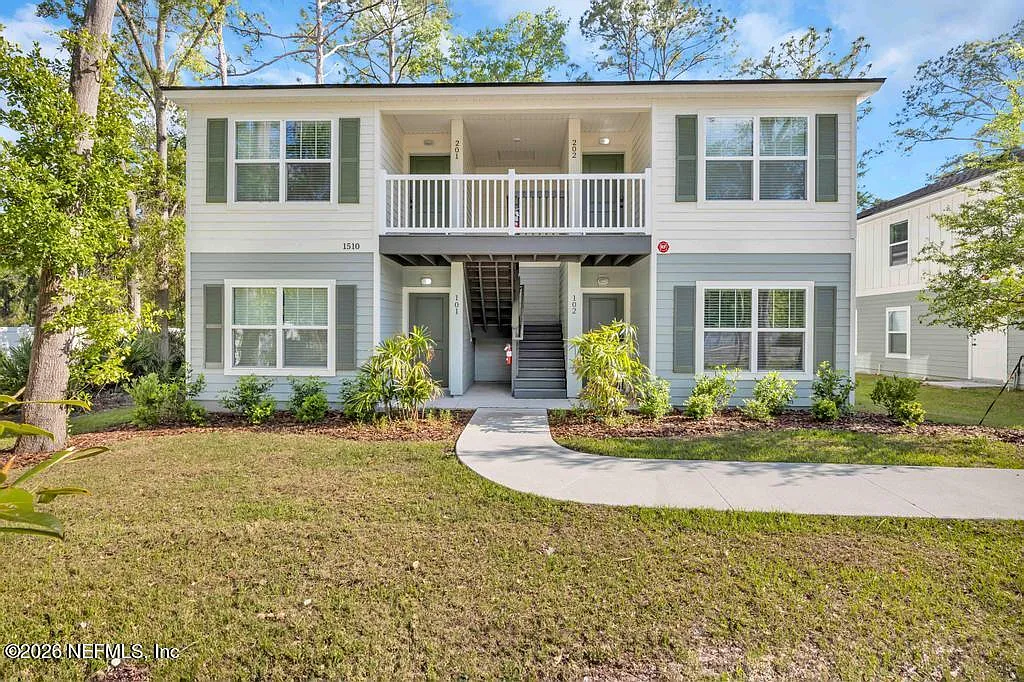
Yelford Circle Property
Jacksonville, FL
🏠 Property: Yelford Circle
🛏️ Beds/Baths: 8 Bed • 8 Bath • 4160 sqft
💰 Price: $879,900 | Rent: $5,715
📊 Cap Rate: 4.8% | NOI: $3,539
📅 Year Built: 2025
📐 Price/Sq Ft: $212
🏙️ Neighborhood: B

VS

Ash Rd Property
Ocala, FL
🏠 Property: Ash Rd
🛏️ Beds/Baths: 4 Bed • 2 Bath • 1761 sqft
💰 Price: $334,900 | Rent: $2,095
📊 Cap Rate: 4.7% | NOI: $1,322
📅 Year Built: 2026
📐 Price/Sq Ft: $191
🏙️ Neighborhood: A-

Out‑of‑State investors can compare Jacksonville’s large 8‑bed rental with higher NOI vs Ocala’s newer A‑rated property with steady returns. Which fits YOUR investment strategy?

We have much more inventory available than what you see on our website – Let us know about your requirement.

📈 Choose Your Winner & Contact Us Today!

Speak to a Norada Investment Counselor (No Obligation):

(800) 611-3060

View All Properties

Recommended Read:

  • Hottest Housing Markets in 2026: Northeast Leads With Hartford at $475K
  • Best Cities in the West to Invest in Real Estate in 2026
  • 20 Best Small Cities to Invest in Real Estate in 2026
  • Best Places to Invest in Real Estate in 2026
  • Top Markets for Out-of-State Real Estate Investing in 2026
  • Best Cities to Buy Investment Properties in 2026
  • Best Cities to Buy Multi-Family Homes for Investment in 2026
  • 10 Cities With the Highest Demand for Rental Properties in 2026
  • 20 Cheapest States to Buy a House in 2026
  • Best States to Buy a House in 2026
  • Best Cities to Buy a House for Investment in 2026
  • Best Cities to Buy a House For Rental Income in 2026
  • Should You Invest in the Austin or Raleigh Real Estate Market in 2026?
  • Dallas vs. Houston: Which City Offers Better Returns for Real Estate Investors
  • Single-Family vs. Townhome: Which is the Real Cash Flow Winner for Investors?
  • 5 Hottest Florida and Texas Markets for Real Estate Investors in 2025
  • Best Places to Invest in Real Estate: November 2024 Hotspots
  • How to Secure Your Retirement With Cash-Flowing Rental Properties
  • Best Places to Invest in Single-Family Rental Properties in 2025
  • 5 Hottest Real Estate Markets for Buyers & Investors in 2025

Filed Under: Real Estate, Real Estate Investing, Real Estate Investments Tagged With: Best Cities to Buy a Duplex, Investment Property, Real Estate Investing, Rental Income, Rental Properties

Best Real Estate Markets for First-Time Investors in 2026

July 21, 2026 by Marco Santarelli

Best Real Estate Markets for First-Time Investors in 2026

Thinking about investing in real estate for the first time in 2026? You're in a smart spot! While some of the hotter markets from a few years ago are cooling down, that actually makes things better for new investors like us. We're talking about markets where you can actually afford to get in, make a profit, and watch your investment grow over time, not just chase after quick money. For 2026, the best real estate markets for first-time investors are those offering a sweet spot of affordability, good cash flow potential, and steady long-term growth, largely found in the Midwest and parts of the South.

Best Real Estate Markets for First-Time Investors in 2026

As someone who's dived into the real estate world, I know the feeling of wanting to make that first investment. It can feel a bit overwhelming, right? But here's the exciting part: 2026 is shaping up to be a really good year for folks like us. We're not seeing the crazy bidding wars and skyrocketing prices of the recent past. Instead, things are settling down. This means we can be a lot smarter about where we put our money. We want places that are affordable to buy, where the rent you collect is more than your costs (that's cash flow!), and where more people are moving in, which means more renters and your property likely going up in value over the years.

What Makes a Market Great for New Investors Right Now?

It's not just about picking a city; it's about what's happening there. I always look for a few key things:

  • Easy Entry: I need to be able to buy a place without needing a million dollars. Think median home prices under $350,000. This often means you can use regular loans or even FHA loans.
  • Good Rent Returns: I want to make money each month after paying my mortgage, taxes, and insurance. I'm aiming for gross rental yields of 7% or more. This gives me a cushion.
  • People Moving In and Jobs: When a place has lots of job openings and people moving there, it means more renters and a better chance your property will be worth more later.
  • Rules That Work for Landlords: Some places make it easier to own rental property than others. I look for places with fair property taxes and insurance costs, and laws that respect property owners.
  • Not Too Many Empty Houses: If there are too many houses for sale or rent, prices can drop. A balanced market is usually safer.

And a big one for me? I tend to steer clear of super expensive places like California or the Northeast. The prices are just too high, and the rent you can charge often doesn't give you a good return. The South and Midwest are where the real opportunities are for us first-time investors.

My Top Picks for First-Time Real Estate Investors in 2026

Based on what I'm seeing and analyzing, here are a few markets that really stand out:

1. Jacksonville, Florida
This city is often at the top of lists for new buyers, and for good reason! You can still find homes for around $350,000, which is pretty good for Florida. Lots of people are moving here, partly because there are many military and government jobs. Plus, it feels like there are more homes available now than before, making it easier to find a good deal. People in Jacksonville spend about 23% of their income on rent, which is reasonable. It’s a great place for single-family homes or small apartment buildings, and I expect its value to keep growing as more people settle down there.

2. Birmingham, Alabama
Birmingham is another gem for affordability. More than half the homes for sale here are within reach for the average buyer. You can expect strong rental yields, and the cost of buying property is lower. It’s in a great spot, blending benefits of the South and Midwest, with steady demand from its big healthcare and education sectors. Vacancy rates tend to be low, and it's known for being landlord-friendly.

3. San Antonio, Texas
Texas doesn't have a state income tax, which means more of that rental income stays in your pocket – a big win! San Antonio is growing with jobs in tech and manufacturing, plus a strong military presence. The home prices here allow for cash-flow positive properties, and the growth feels steady and balanced.

4. Houston, Texas
Houston has a really strong and diverse economy, with jobs in energy, healthcare, and its big port. It's a huge market for renters, and it's still relatively affordable compared to other major Texas cities. Things are looking up with more homes available, which is a bonus for first-timers. Just a heads-up: insurance costs can be higher in flood-prone areas, so be sure to factor that into your numbers.

5. Midwest Powerhouses: Toledo & Akron, Ohio; Indianapolis, Indiana; Cleveland, Ohio
These cities are fantastic if you're looking for entry prices under $250,000 and good rental demand. Toledo and Akron, in particular, have some real steals. Cleveland is known for its high rent-to-price ratios, meaning you can potentially get gross yields of 11% or more! Indiana as a state is also a leader in affordability. These areas benefit from strong manufacturing and healthcare jobs, low living costs, and their property values are still way below what they should be compared to people's incomes.

Other Markets to Keep an Eye On:
Cities like Atlanta, Georgia; Raleigh, North Carolina; Louisville, Kentucky; and Pittsburgh, Pennsylvania also offer a nice mix of growth, affordability, and good rental returns.

Key Factors Driving These Winning Markets

Factor Why It Matters for New Investors
Affordability Lower prices mean lower down payments and easier loan qualification.
Job Growth More jobs attract people, creating more renters and demand.
Population Growth As more people move in, there are more potential tenants.
Rental Demand Strong demand means less time with an empty property.
Landlord-Friendly Laws Simpler rules mean less hassle and more control.

What About the Risks? Let's Be Real.

No investment is without its challenges, and real estate is no different. Here’s what I always keep in mind:

  • Mortgage Rates: While they might ease a bit, rates around 6-6.5% (or even higher when stress-testing) mean your monthly payments are still significant. Always run your numbers assuming rates could be higher.
  • Insurance and Taxes: In places like Florida and Texas, insurance costs are rising due to weather events. Property taxes can also add up. You must include these in your calculations.
  • Market Swings: Some areas, especially those that got really hot, could see prices dip a bit. It’s rare for a full crash, but a temporary slowdown is possible.
  • Tenant Troubles: Vacancies, unexpected repairs, and dealing with difficult renters are part of the game. Budget for 5-8% vacancy and about 1% of the property's value for maintenance each year.
  • Economy: If the whole economy slows down or people lose jobs, rental income can be the first thing affected.
  • Local Rules: Some cities have rent control or specific rules about evictions. It’s important to know these before you buy.

To handle these risks, I always advise keeping at least 6 months of expenses saved for emergencies and not borrowing more than you can comfortably afford (aim for a debt-to-income ratio around 25-30%).

My Advice for Your First Deal

  1. Do Your Homework: Seriously, run the numbers on every potential deal. Include all costs: mortgage, taxes, insurance, repairs, vacancy, property management fees (even if you plan to self-manage at first, know the cost). A good rule of thumb for buy-and-hold is the 70% rule: a property is generally a good deal if you can rent it for 1% of its purchase price per month (e.g., $200k house rents for $2k/month). For flips, the 70% rule is about repair costs: buy a distressed property for 70% of its after-repair value minus the repair costs.
  2. Smart Financing: If you're new, consider an FHA loan if you plan to live in one unit of a multi-family property (this is called house hacking and is a fantastic way to start). Otherwise, a conventional loan is standard.
  3. Inspect Everything: Get thorough inspections, check recent sales (comps), and have a solid plan for screening tenants.
  4. Start Simple: I recommend starting with a buy-and-hold strategy for rental income. It’s more predictable than flipping. Once you're comfortable, you can look into strategies like BRRRR (Buy, Rehab, Rent, Refinance, Repeat) to grow your portfolio.
  5. Manage Wisely: You can self-manage at first to learn the ropes, but don't be afraid to hire a property manager later on. They handle the day-to-day headaches.
  6. Think Long-Term: Real estate is a marathon, not a sprint. Focus on building equity and reinvesting your profits over 5-10 years.

Investing in real estate for the first time in 2026 is a smart move. By focusing on affordable markets with strong fundamentals, you can set yourself up for success.

Want Stronger Returns? Invest Where the Housing Market’s Growing

In 2026, select U.S. cities are projected to see surging demand, rising rents, and appreciation—creating prime opportunities for investors seeking passive income and long‑term wealth.

Work with Norada Real Estate to find stable, cash-flowing markets beyond the bubble zones—so you can build wealth without the risks of ultra-competitive areas.

🔥 HOT 2026 INVESTMENT LISTINGS JUST ADDED! 🔥
Talk to a Norada Investment Counselor (No Obligation):
(800) 611-3060

Get Started Now

🏡 Invest Your Capital: Jacksonville vs Ocala Real Estate

Yelford Circle Property
Jacksonville, FL
🏠 Property: Yelford Circle
🛏️ Beds/Baths: 8 Bed • 8 Bath • 4160 sqft
💰 Price: $879,900 | Rent: $5,715
📊 Cap Rate: 4.8% | NOI: $3,539
📅 Year Built: 2025
📐 Price/Sq Ft: $212
🏙️ Neighborhood: B

VS

Ash Rd Property
Ocala, FL
🏠 Property: Ash Rd
🛏️ Beds/Baths: 4 Bed • 2 Bath • 1761 sqft
💰 Price: $334,900 | Rent: $2,095
📊 Cap Rate: 4.7% | NOI: $1,322
📅 Year Built: 2026
📐 Price/Sq Ft: $191
🏙️ Neighborhood: A-

Out‑of‑State investors can compare Jacksonville’s large 8‑bed rental with higher NOI vs Ocala’s newer A‑rated property with steady returns. Which fits YOUR investment strategy?

We have much more inventory available than what you see on our website – Let us know about your requirement.

📈 Choose Your Winner & Contact Us Today!

Speak to a Norada Investment Counselor (No Obligation):

(800) 611-3060

View All Properties

Recommended Read:

  • Best Places to Invest in Real Estate for the Next 5 Years (2026-2030)
  • Hottest Housing Markets in 2026: Northeast Leads With Hartford at $475K
  • Best Cities in the West to Invest in Real Estate in 2026
  • 20 Best Small Cities to Invest in Real Estate in 2026
  • Best Places to Invest in Real Estate in 2026
  • Top Markets for Out-of-State Real Estate Investing in 2026
  • Best Cities to Buy Investment Properties in 2026
  • Best Cities to Buy Multi-Family Homes for Investment in 2026
  • 10 Cities With the Highest Demand for Rental Properties in 2026
  • 20 Cheapest States to Buy a House in 2026
  • Best States to Buy a House in 2026
  • Best Cities to Buy a House for Investment in 2026
  • Best Cities to Buy a House For Rental Income in 2026
  • Should You Invest in the Austin or Raleigh Real Estate Market in 2026?
  • Dallas vs. Houston: Which City Offers Better Returns for Real Estate Investors
  • Single-Family vs. Townhome: Which is the Real Cash Flow Winner for Investors?
  • 5 Hottest Florida and Texas Markets for Real Estate Investors in 2025
  • Best Places to Invest in Real Estate: November 2024 Hotspots
  • How to Secure Your Retirement With Cash-Flowing Rental Properties
  • Best Places to Invest in Single-Family Rental Properties in 2025
  • 5 Hottest Real Estate Markets for Buyers & Investors in 2025

Filed Under: Real Estate, Real Estate Investing, Real Estate Investments Tagged With: Best Places To Invest In Real Estate, best real estate markets, Investment Property, Real Estate Investing

Best Places to Invest in Real Estate for the Next 5 Years (2026-2030)

July 21, 2026 by Marco Santarelli

Best Places to Invest in Real Estate for the Next 5 Years (2026-2030)

If you're looking to make smart moves in real estate, now is a great time to start planning for the next five years. While the market might not see the super-fast growth of a few years ago, there are still fantastic opportunities out there for steady growth and good rental income. I believe that focusing on places with strong job growth, a growing population, and a good balance between home prices and rent makes the most sense for investors looking ahead to 2030.

The Best Places to Invest in Real Estate Over the Next 5 Years

Investing in real estate is something I've always seen as a solid way to build wealth. It's not just about hoping a property's value goes up; it's also about the steady income you can get from rent, the tax advantages, and how it can protect your money from inflation. Over the next five years, from 2026 to 2030, I expect things to be more about steady progress than sudden booms. We're seeing mortgage rates settle down, more homes being built in some areas, and people continuing to move to places that offer better opportunities.

What Makes a Great Real Estate Investment Spot?

It's easy to get caught up in what seems “hot” right now, but I’ve learned that the best investments are built on solid foundations. Here’s what I always look for:

  • Jobs and a Growing Economy: Think about places where lots of different kinds of jobs are available – like in tech, healthcare, or manufacturing. When people have jobs, they need places to live, which means good demand for rentals. Places that are attracting big companies or have lots of young people moving in are also great signs.
  • People Moving In: I’ve noticed that areas in the “Sun Belt” and more affordable spots in the Midwest and Southeast are seeing lots of new residents. This is a huge driver of demand. Plus, as people get older, there's a growing need for senior housing and rental properties.
  • Making Money on Rent: It’s super important to look at how much you can charge for rent compared to how much the property costs. I try to find places where the gross rental yield (the rent you get each year before expenses, divided by the property price) is around 7-10% or even higher. This helps make sure you have positive cash flow.
  • New Roads, Buildings, and Tech: When a city is building new transit lines, improving its airport, or creating new business centers, it’s a sign that it's growing and will likely be worth more in the future.
  • How Many Homes Are Available: If there aren't a lot of homes for sale or for rent, prices tend to go up. On the flip side, if too many homes are built at once, it can create a chance to buy at a good price.

Where Should I Be Looking Right Now?

Based on what I'm seeing and hearing from market experts, here are some areas that stand out for the next five years:

1. Dallas-Fort Worth, Texas

This area is a consistent winner, and for good reason. It's seeing huge growth in both people and jobs. Texas also doesn't have a state income tax, which is a big plus for investors. Lots of different industries are booming here, like tech, finance, and healthcare. You can find properties at different price points, and I expect good demand for rentals and steady price increases.

2. Charlotte, North Carolina

Charlotte is a major hub for banking and finance, but it's also growing in tech and healthcare. Many people are moving here because it's still relatively affordable compared to other big cities, and they're investing in new infrastructure. I think it offers a nice mix of making money from rent and seeing property values go up.

3. Nashville, Tennessee

Known for its music scene, Nashville is also a strong player in healthcare and is growing its tech industry. Its cool vibe attracts tourists and people who want to live there, which is great for rental income, including short-term rentals. Like Texas, Tennessee doesn't have a state income tax, and the growth here feels pretty steady.

4. Tampa / Jacksonville / Orlando, Florida

Florida continues to be a popular spot for both tourists and people looking for new places to live, whether they're retirees or young professionals. The lack of state income tax is a major draw. Tampa, in particular, might offer some good buying opportunities right now. However, it's important to be aware of the rising insurance costs and potential risks associated with living near the coast.

5. Midwest Cities (Indianapolis, Buffalo, Cleveland)

If you're looking for places where you can get started with less money and potentially see great rental yields, these cities are worth a serious look. They have lower home prices but still have strong demand for rentals, often driven by hospitals or universities. Plus, many of these cities are seeing a lot of revitalization. Indianapolis and Buffalo have been particularly hot lately, showing both strong momentum and stability.

Other Areas to Keep an Eye On

  • Raleigh/Durham, North Carolina: Known for its research and biotech industries.
  • Atlanta, Georgia: Continues to attract major corporations.
  • Phoenix, Arizona: While it has strong growth, I'd be mindful of the heat and water issues.
  • Boise, Idaho: An emerging growth market that’s been on the radar.

Different Ways to Invest

It’s not just about buying a single-family home. I like to think about different property types and strategies:

  • Single-Family Homes: Still very popular with families looking for space, especially in the suburbs.
  • Apartment Buildings (Multifamily): Always in demand, especially with young people and those moving to new cities.
  • Build-to-Rent: Companies are building entire neighborhoods of homes specifically to rent them out.
  • Short-Term Rentals: Places like Airbnb can be great in tourist spots, but I'm watching closely as some cities are making new rules about them.
  • Senior Housing: With an aging population, properties catering to seniors are a growing need.
  • Value-Add Properties: Buying a property that needs some work in a good neighborhood and fixing it up can be a great way to increase its value.

Important Things to Remember Before You Invest

Making money in real estate is a marathon, not a sprint. Here’s my advice for staying on track and avoiding common pitfalls:

  • Do Your Homework: Really dig into local data. Visit the areas if you can. Talk to local real estate agents and property managers.
  • Crunch the Numbers: Make sure you understand the potential profits (like cash-on-cash return) and always be conservative with your estimates for rent and expenses.
  • Get Your Finances Right: Understand mortgage rates and how much you’ll need for a down payment.
  • Build Your Team: You’ll need good people around you – a reliable real estate agent, a trustworthy property manager, a good lawyer, and a smart accountant.
  • Think Long-Term: Real estate is best when you hold onto it for a while. Plan for ongoing costs like maintenance and taxes.
  • Watch the Big Picture: Keep an eye on what the Federal Reserve is doing with interest rates, election results, and overall inflation.
  • Consider the Future: Things like energy efficiency and how a property holds up against climate change (like sea-level rise or wildfires) are becoming more and more important.

Investing in real estate takes patience and active effort, but by choosing the right locations and being smart about your strategy, I truly believe you can build significant wealth over the next five years and beyond.

Want Stronger Returns? Invest Where the Housing Market’s Growing

In 2026, select U.S. cities are projected to see surging demand, rising rents, and appreciation—creating prime opportunities for investors seeking passive income and long‑term wealth.

Work with Norada Real Estate to find stable, cash-flowing markets beyond the bubble zones—so you can build wealth without the risks of ultra-competitive areas.

🔥 HOT 2026 INVESTMENT LISTINGS JUST ADDED! 🔥
Talk to a Norada Investment Counselor (No Obligation):
(800) 611-3060

Get Started Now

🏡 Invest Your Capital: Jacksonville vs Ocala Real Estate

Yelford Circle Property
Jacksonville, FL
🏠 Property: Yelford Circle
🛏️ Beds/Baths: 8 Bed • 8 Bath • 4160 sqft
💰 Price: $879,900 | Rent: $5,715
📊 Cap Rate: 4.8% | NOI: $3,539
📅 Year Built: 2025
📐 Price/Sq Ft: $212
🏙️ Neighborhood: B

VS

Ash Rd Property
Ocala, FL
🏠 Property: Ash Rd
🛏️ Beds/Baths: 4 Bed • 2 Bath • 1761 sqft
💰 Price: $334,900 | Rent: $2,095
📊 Cap Rate: 4.7% | NOI: $1,322
📅 Year Built: 2026
📐 Price/Sq Ft: $191
🏙️ Neighborhood: A-

Out‑of‑State investors can compare Jacksonville’s large 8‑bed rental with higher NOI vs Ocala’s newer A‑rated property with steady returns. Which fits YOUR investment strategy?

We have much more inventory available than what you see on our website – Let us know about your requirement.

📈 Choose Your Winner & Contact Us Today!

Speak to a Norada Investment Counselor (No Obligation):

(800) 611-3060

View All Properties

Recommended Read:

  • Hottest Housing Markets in 2026: Northeast Leads With Hartford at $475K
  • Best Cities in the West to Invest in Real Estate in 2026
  • 20 Best Small Cities to Invest in Real Estate in 2026
  • Best Places to Invest in Real Estate in 2026
  • Top Markets for Out-of-State Real Estate Investing in 2026
  • Best Cities to Buy Investment Properties in 2026
  • Best Cities to Buy Multi-Family Homes for Investment in 2026
  • 10 Cities With the Highest Demand for Rental Properties in 2026
  • 20 Cheapest States to Buy a House in 2026
  • Best States to Buy a House in 2026
  • Best Cities to Buy a House for Investment in 2026
  • Best Cities to Buy a House For Rental Income in 2026
  • Should You Invest in the Austin or Raleigh Real Estate Market in 2026?
  • Dallas vs. Houston: Which City Offers Better Returns for Real Estate Investors
  • Single-Family vs. Townhome: Which is the Real Cash Flow Winner for Investors?
  • 5 Hottest Florida and Texas Markets for Real Estate Investors in 2025
  • Best Places to Invest in Real Estate: November 2024 Hotspots
  • How to Secure Your Retirement With Cash-Flowing Rental Properties
  • Best Places to Invest in Single-Family Rental Properties in 2025
  • 5 Hottest Real Estate Markets for Buyers & Investors in 2025

Filed Under: Real Estate, Real Estate Investing, Real Estate Investments Tagged With: Best Places To Invest In Real Estate, Investment Property, Real Estate Investing, Rental Income, Rental Properties

Best Cities to Invest in Real Estate With Landlord-Friendly Laws in 2026

July 14, 2026 by Marco Santarelli

Best Cities to Invest in Real Estate With Landlord-Friendly Laws in 2026

When I first got into real estate investing, I thought the only things that mattered were how many people were moving into a city and how many jobs were being created. While those are super important, I quickly learned that the laws about being a landlord are just as big a deal. Finding a place with landlord-friendly laws can be the difference between making money easily and dealing with a ton of headaches and extra costs. For 2026, I've found that some cities really shine when it comes to making things easier for people who own rental properties.

Best Cities to Invest in Real Estate With Landlord-Friendly Laws in 2026

If you're looking to invest in rental properties in 2026, paying attention to the laws that protect landlords is key. These laws can make a huge difference in your profits and how much stress you have. I’m talking about places where it’s not too hard to evict someone who doesn't pay, where you have some say over rent prices, and where getting started doesn't involve a ton of confusing paperwork or fees. Based on what I've seen and researched, some cities and states really stand out.

What Makes a City “Landlord-Friendly”?

From my experience, a city or state is landlord-friendly when the laws help keep things running smoothly for property owners. Here's what I look for:

  • No Rent Control: This is a big one. When cities try to control how much you can charge for rent, it can really mess with your profits, especially when your own costs go up. States that stop cities from doing this are usually the best.
  • Quick Eviction Process: Nobody wants to deal with tenants who don't pay, and the faster you can legally get them out, the better. I've found that states with shorter notice periods for non-payment and quicker court processes are gold.
  • Flexible Rules on Deposits and Fees: Being able to charge a reasonable security deposit and late fees helps cover unexpected costs. Laws that are too strict here can be tough on landlords.
  • Easy Lease Termination: When a lease is up, or if you have a month-to-month tenant, it’s much easier if you don’t need a specific, hard-to-prove reason to end the tenancy.
  • Few Licensing Burdens: Some cities make you get special licenses or go through lots of inspections just to be a landlord. I prefer places that keep these requirements to a minimum.
  • Good Tax Climate: Lower property taxes and no state income tax on rental income mean more money in your pocket.

States that often get this right include Texas, Indiana, Alabama, Florida, Arizona, Georgia, Ohio, Tennessee, and North Carolina. These places combine good laws with solid reasons people want to live there, like jobs and growing populations.

My Top Picks for Landlord-Friendly Cities in 2026

After looking at a lot of data and considering what works best for investors like me, especially those focused on single-family homes and smaller apartment buildings, here are the cities I think are the best bets for 2026:

1. Indianapolis, Indiana

Indiana is consistently a top state for landlords. They don't have rent control, and the eviction process for non-payment is pretty quick, often just about 21 to 35 days from start to finish. Plus, property taxes are reasonable, usually around 0.81% effective. The courts here tend to be fair to landlords.

Market Snapshot: You can often find homes in the low to mid-$200,000s, which is great for getting started. Rental yields can be around 9% or higher in good areas. The economy is strong, with jobs in logistics, manufacturing, and tech. It’s a good mix of making money each month (cash flow) and seeing your property value go up over time.

Why I Like It: It’s often possible to find properties that follow the “1% rule” (meaning the monthly rent is at least 1% of the purchase price), which is a great sign for cash flow. There are plenty of houses and good property managers available, making it easy for out-of-state investors.

Things to Watch Out For: Some parts of the city aren't as nice as others, so it’s smart to stick to well-kept neighborhoods or the suburbs like Carmel or Fishers.

Good For: Investors looking for steady cash flow and those building a larger portfolio.

2. Birmingham (and Montgomery), Alabama

Alabama is fantastic when it comes to low property taxes, usually under 0.43%. They also have no rent control, and if a tenant doesn't pay, you only need to give them a 7-day notice to get things moving. The whole eviction process can often be done in 14 to 28 days.

Market Snapshot: These cities offer some of the highest rental income compared to property prices, with yields often hitting 8% to 13%+. You can find single-family homes for under $200,000, sometimes even closer to $100,000-$150,000 in solid areas. The economy is supported by healthcare, education, and manufacturing.

Why I Like It: The low costs for taxes and insurance mean more profit for you. It’s a great place for strategies like BRRRR (Buy, Rehab, Rent, Refinance, Repeat) because the entry costs are low.

Things to Watch Out For: Just like anywhere, some neighborhoods have more problems than others. You absolutely need to screen tenants carefully and pick your areas wisely. The property values might not go up as fast as in some other hot markets.

Good For: Investors who want the most cash flow possible and those who are new to investing or want to buy many properties.

3. Cleveland (and Columbus), Ohio

Ohio doesn't have rent control, and you only need to give a 3-day notice if a tenant doesn't pay rent. The eviction process is typically pretty fast, around 3 to 5 weeks. They also have flexible rules on security deposits and late fees.

Market Snapshot: Cleveland is amazing for cash flow, with yields often around 9% to 11%+ and median home prices near $150,000-$175,000. Columbus, the state capital, is growing faster, with prices closer to $250,000-$300,000 and yields of 7% to 9%. Both cities have stable economies with jobs in healthcare, education, and logistics.

Why I Like It: The prices are low, and the rent you can charge relative to the price is very good. It’s a solid market for buying homes that need a little work (value-add) or buying ready-to-rent properties.

Things to Watch Out For: Some older industrial areas might have more maintenance issues. Cleveland has more of a “fixer-upper” vibe in certain parts.

Good For: People focused on getting good monthly income from their rentals.

4. San Antonio (and other Texas cities)

Texas is famous for being landlord-friendly. There’s no rent control, and you only need a 3-day notice to ask a tenant to leave if they haven't paid. Evictions are usually quick, around 21 to 28 days. Plus, there’s no state income tax, which is a huge win for your bottom line. Property taxes can be a bit higher, though, often around 1.6% to 1.9%.

Market Snapshot: San Antonio is more affordable than Austin or Dallas, with home prices often between $250,000 and $350,000. You can expect yields of 6% to 8%+, and the city is growing with jobs in the military, healthcare, and tourism sectors. Dallas-Fort Worth (DFW) offers more job growth and higher appreciation but slightly lower yields.

Why I Like It: Texas is a great state for investing because it's business-friendly and people keep moving there. The lack of state income tax really boosts your net profits.

Things to Watch Out For: Property taxes and insurance costs (especially for things like hail and wind damage) can be high. Sometimes there are a lot of apartment buildings being built, which can increase competition.

Good For: Investors who want a balance of property value growth and monthly income, especially in growing suburbs.

5. Phoenix (and other Arizona markets)

Arizona has a statewide ban on rent control, and you only need to give a 5-day notice if rent isn't paid. The courts are generally landlord-friendly, and property taxes are quite low, around 0.5%.

Market Snapshot: The Phoenix area has grown a lot, with median home prices over $400,000, though you can find more affordable options in the suburbs. Rental yields are typically around 6% to 8%. The job market is strong, with growth in tech and logistics, and people continue to move there.

Why I Like It: The combination of job growth, population increase, and relatively low taxes makes it attractive. The sunny weather is a bonus for attracting tenants.

Things to Watch Out For: Insurance costs can be higher in some areas, and the extreme heat can lead to more maintenance needs. Property appreciation has cooled down a bit in the main city areas.

Good For: Long-term investors who want their property values to increase and still get decent monthly rent.

6. Tampa / Jacksonville, Florida

Florida has strong laws protecting landlords from rent control. You usually only need a 5-day notice for unpaid rent, and you don't need a special reason to end a month-to-month lease. The best part? No state income tax, and recent laws make it harder for squatters.

Market Snapshot: These cities offer no state income tax along with growing populations and jobs in tourism, healthcare, and logistics. You can find yields of 7% to 9%, and Jacksonville is often more affordable than Tampa or other major Florida cities.

Why I Like It: The tax benefits are huge. Florida's lifestyle also attracts a lot of renters and buyers, supporting property value growth.

Things to Watch Out For: Homeowner's insurance can be very expensive, especially if you're near the coast or in a flood zone. You need to carefully factor in $3,000 to $5,000 or more per year for insurance. Evictions can take a bit longer than in some Midwest states.

Good For: Investors who want tax advantages and a good chance for their property values to go up.

Other Places Worth Checking Out

  • Fort Wayne, Indiana: Offers great rental income (6-8%+) at lower prices than Indianapolis, with the same landlord-friendly Indiana laws.
  • Columbus, Ohio: Similar to Cleveland but with a stronger focus on growth, with solid rental income.
  • Nashville, Tennessee (Honorable Mention): No state income tax and good growth, but prices are going up fast, making it more competitive.

Things to Consider Besides Just the Laws

Even in the best cities, I always look at these things:

  • Cash Flow: I calculate potential rent minus all my expenses (property taxes, insurance, management fees, maintenance, and money set aside for big repairs). I try to get at least 7-8% in rental income before expenses.
  • Taxes: As I mentioned, Alabama and Arizona are great for property taxes, while Texas and Florida shine with no state income tax.
  • Insurance: This is cheapest in the Midwest (Indiana, Ohio) and most expensive in Florida.
  • Local Rules: Even in landlord-friendly states, some cities might have their own rules about things like short-term rentals.
  • Economy and Tenants: Cities with lots of different kinds of jobs are usually safer bets because if one industry struggles, others can pick up the slack.
  • Growth vs. Cash Flow: Do you want your money to grow fast, or do you want steady income each month? Midwest cities tend to give more cash flow, while places like Texas and Florida offer a mix.

What to Watch Out For in the Future

Things like rising insurance costs, interest rates, and potentially new local laws (even though state laws often protect landlords) are things I keep an eye on. Also, in some popular areas, there might be too many rental properties being built. It's always smart to have extra money saved up (like 6-12 months of expenses) just in case. And remember, the best way to avoid problems is to carefully screen every tenant you consider.

How I Get Started in These Markets

  1. Know Your Goal: Are you after pure cash flow (like in Birmingham or Cleveland) or a mix of cash flow and growth (like in Indianapolis or San Antonio)?
  2. Build Your Team: You need a good real estate agent who knows investment properties, a lawyer who understands landlord laws, a reliable property manager, an accountant, and an insurance agent.
  3. Research: Look at specific neighborhoods. Check crime rates, schools, and job centers. Use online tools to estimate rent and property values.
  4. Follow the Rules: Use leases that are specific to the state you're investing in and understand all the notice requirements.
  5. Buy Smart: Look for properties that are off the market, need some work, or are already set up as rentals. Always calculate all your costs.
  6. Manage Well: Make it easy for tenants to pay rent online, respond to maintenance requests quickly, and increase rent when it makes sense.

Being a good landlord—being fair, fixing things promptly, and communicating well—pays off in the long run.

Looking Ahead to 2026 and Beyond

I believe that states with laws that support landlords will continue to be good places to invest. People are still moving from expensive, highly regulated areas to places like Texas, Florida, and the Midwest. Cities in Indiana, Ohio, and Alabama look particularly good if your main goal is monthly income with less risk. The Sun Belt cities still offer good overall returns if you manage your insurance and taxes carefully.

No matter where you invest, always do your homework, run the numbers conservatively, and pick cities that fit what you want to achieve with your investments.

Want Stronger Returns? Invest Where the Housing Market’s Growing

In 2026, select U.S. cities are projected to see surging demand, rising rents, and appreciation—creating prime opportunities for investors seeking passive income and long‑term wealth.

Work with Norada Real Estate to find stable, cash-flowing markets beyond the bubble zones—so you can build wealth without the risks of ultra-competitive areas.

🔥 HOT 2026 INVESTMENT LISTINGS JUST ADDED! 🔥
Talk to a Norada Investment Counselor (No Obligation):
(800) 611-3060

Get Started Now

🏡 Invest Your Capital: Jacksonville vs Ocala Real Estate

Yelford Circle Property
Jacksonville, FL
🏠 Property: Yelford Circle
🛏️ Beds/Baths: 8 Bed • 8 Bath • 4160 sqft
💰 Price: $879,900 | Rent: $5,715
📊 Cap Rate: 4.8% | NOI: $3,539
📅 Year Built: 2025
📐 Price/Sq Ft: $212
🏙️ Neighborhood: B

VS

Ash Rd Property
Ocala, FL
🏠 Property: Ash Rd
🛏️ Beds/Baths: 4 Bed • 2 Bath • 1761 sqft
💰 Price: $334,900 | Rent: $2,095
📊 Cap Rate: 4.7% | NOI: $1,322
📅 Year Built: 2026
📐 Price/Sq Ft: $191
🏙️ Neighborhood: A-

Out‑of‑State investors can compare Jacksonville’s large 8‑bed rental with higher NOI vs Ocala’s newer A‑rated property with steady returns. Which fits YOUR investment strategy?

We have much more inventory available than what you see on our website – Let us know about your requirement.

📈 Choose Your Winner & Contact Us Today!

Speak to a Norada Investment Counselor (No Obligation):

(800) 611-3060

View All Properties

Recommended Read:

  • Best Places to Invest in Real Estate for the Next 5 Years (2026-2030)
  • Hottest Housing Markets in 2026: Northeast Leads With Hartford at $475K
  • Best Cities in the West to Invest in Real Estate in 2026
  • 20 Best Small Cities to Invest in Real Estate in 2026
  • Best Places to Invest in Real Estate in 2026
  • Top Markets for Out-of-State Real Estate Investing in 2026
  • Best Cities to Buy Investment Properties in 2026
  • Best Cities to Buy Multi-Family Homes for Investment in 2026
  • 10 Cities With the Highest Demand for Rental Properties in 2026
  • 20 Cheapest States to Buy a House in 2026
  • Best States to Buy a House in 2026
  • Best Cities to Buy a House for Investment in 2026
  • Best Cities to Buy a House For Rental Income in 2026
  • Should You Invest in the Austin or Raleigh Real Estate Market in 2026?
  • Dallas vs. Houston: Which City Offers Better Returns for Real Estate Investors
  • Single-Family vs. Townhome: Which is the Real Cash Flow Winner for Investors?
  • 5 Hottest Florida and Texas Markets for Real Estate Investors in 2025
  • Best Places to Invest in Real Estate: November 2024 Hotspots
  • How to Secure Your Retirement With Cash-Flowing Rental Properties
  • Best Places to Invest in Single-Family Rental Properties in 2025
  • 5 Hottest Real Estate Markets for Buyers & Investors in 2025

Filed Under: Real Estate, Real Estate Investing, Real Estate Investments Tagged With: Investment Property, Landlord-Friendly Cities, Real Estate Investing, Rental Income, Rental Properties

Best Cities to Invest in Real Estate for High Cash-on-Cash Returns in 2026

July 7, 2026 by Marco Santarelli

Best Cities to Invest in Real Estate for High Cash-on-Cash Returns in 2026

Ever wondered where your real estate money could work the hardest for you? If you're like me, always on the lookout for those sweet spots where rental income really sings, then 2026 is shaping up to be an interesting year. The markets that are really delivering the goods right now, the ones offering the best cash-on-cash returns for rental property investors, are mostly found in the Midwest and parts of the South. These places offer a fantastic blend of affordable home prices and strong rental demand, which is the perfect recipe for making your investment dollars grow.

Best Cities to Invest in Real Estate for High Cash-on-Cash Returns in 2026

Why Cash-on-Cash Returns are King in 2026

Let's talk about why cash-on-cash return (CoC) is such a big deal, especially right now. Simply put, it's how much cash you get back in your pocket each year compared to the total cash you put into a property. Think of it like this: you buy a rental, pay for it with a down payment, closing costs, and maybe a few fixes, and then you see how much profit you make from rent after paying all your bills, before taxes. That profit, as a percentage of your initial cash outlay, is your CoC.

In 2026, with mortgage rates settling around 6% or a bit higher, paying attention to cash flow is super important. You don't want to be in a situation where your expenses are more than your income – that's called negative leverage, and it's a fast track to a headache. Plus, the economy is always doing its thing, so having a rental in a place with lots of different kinds of jobs, like healthcare or manufacturing, is a safer bet. It means more people will likely be renting, even if one industry slows down.

I've seen too many investors get caught up in just chasing property value going up. But when rents are strong and property prices are reasonable, you get that steady income stream. It's like having a reliable paycheck from your property. And don't forget the classic “50% rule” – a good rule of thumb is that your operating expenses (like taxes, insurance, and repairs) will be about half of the rent you collect. This helps you get a more realistic picture of your actual profit, not just the rent collected.

The Top Cities for Big Cash-on-Cash Returns in 2026

Based on what I'm seeing and analyzing from various market reports, here are the cities that are really shining for rental investors looking for solid cash flow:

City Median Home Price (Approx.) Gross Rental Yield (Approx.) Est. CoC Potential Vacancy Rate (Approx.) Key Strength
Cleveland, Ohio $110K – $175K 9.8% – 11.3% 8% – 12%+ Moderate Pure cash flow king
Birmingham, AL $140K – $225K 7.5% – 13.6% 8% – 12% Low – Moderate Low taxes, affordability
Indianapolis, IN $225K – $268K 7% – 9.1% 6% – 10% ~4.9% Stability + growth
Buffalo, NY ~$225K 8.2% 7% – 10% ~5.8% Emerging Northeast value
Kansas City, MO ~$250K ~6.8% 6% – 9% Moderate Balanced, stable
Memphis, TN ~$150K ~8% – 10% 7% – 11% Moderate High renter percentage (~53%)
Pittsburgh, PA ~$180K ~7% – 9% 6% – 9% Moderate Affordable housing, revitalization
Akron/Dayton, OH ~$100K – $150K 9% – 12%+ 9% – 15%+ Low – Moderate Extreme affordability for higher CoC

Please remember these are general figures. The actual numbers for any specific property will depend on its condition, exact location, and how you finance it.

Cleveland, Ohio: The Cash Flow Champion

Cleveland keeps popping up on my radar, and for good reason. You can find entry-level homes for well under $200K, which is rare these days. This affordability means your initial cash investment is lower, and when you combine that with rents that are holding strong, you can see some really impressive cash-on-cash returns, often hitting that 8-12% mark or even higher.

Plus, Cleveland has a steady job market, with healthcare and education being big players, meaning there's a consistent demand for rental homes. It's a very landlord-friendly state too, which always makes things smoother. The only thing to watch out for are property taxes in some areas, but overall, Cleveland is a standout for pure income generation.

Birmingham, Alabama: Low Taxes, High Potential

Birmingham is another gem. The prices are still very reasonable, usually under $225K for a median home, and the rental demand is boosted by its strong healthcare and education sectors. What really makes Birmingham attractive is its super low property taxes, usually around 0.4-0.5%. This significantly cuts down on your annual expenses, directly boosting your cash flow. Alabama also has pretty landlord-friendly laws, making it easier to manage your rental business. I think Birmingham offers a fantastic balance of affordability and income potential.

Indianapolis, Indiana: The Stable Performer

Indianapolis offers a more balanced approach. While home prices might be a bit higher, around the mid-$200Ks, the market is known for its stability. You get solid gross rental yields in the 7-9% range and a low vacancy rate of under 5%. Plus, the city has good job growth, especially in healthcare and life sciences, which keeps rental demand steady. It's a market that feels reliable, and you can often find deals that offer a good mix of cash flow and a decent shot at property value appreciation over time.

Buffalo, New York: The Northeast Surprise

Buffalo is proving to be a strong contender, especially for those who might be looking in the Northeast but want better cash flow than you'd find in places like New York City or Boston. With a median home price around $225K, it's surprisingly affordable for the region. You can expect gross yields around 8.2%, and the market is seeing a nice influx of people from more expensive areas, driving up rental demand. It’s a city with a strong job market in healthcare and education, and there's been steady appreciation over the last few years.

Other Places to Keep an Eye On

Beyond these top picks, I’m also keeping my eye on:

  • Kansas City, Missouri: It’s a very balanced market, offering stable rents and reasonable prices.
  • Memphis, Tennessee: With a large renter population and decent yields, it's worth a look.
  • Pittsburgh, Pennsylvania: Still quite affordable, with ongoing revitalization efforts making it more attractive.
  • Akron and Dayton, Ohio: These markets often boast the lowest entry prices, which can lead to sky-high cash-on-cash returns if you find the right deal, sometimes even pushing past 15%.

I’ve noticed that while the Sun Belt cities like Austin or Tampa might offer exciting appreciation potential, their higher home prices mean the immediate cash-on-cash returns are often lower than in the Midwest or parts of the South. However, the lack of state income tax in places like Texas and Florida is a definite plus for net returns.

Navigating the Risks and Making the Most of Your Investment

Now, it's not all sunshine and roses. Real estate investing, even in these hot markets, comes with its own set of challenges.

  • Location, Location, Location: Even within a great city, a bad neighborhood can spell disaster. Always do your homework on crime rates and local amenities.
  • Hidden Costs: Insurance costs are rising in some places, and property taxes can be a significant expense. Always factor in a buffer for maintenance and allow at least 5-10% for vacancies.
  • Financing Matters: The less cash you put down, the lower your CoC will likely be. Look into DSCR loans (Debt Service Coverage Ratio) specifically for investment properties.
  • Know the Rules: Each state and city has its own landlord-tenant laws. Make sure you understand the eviction process and any local regulations.
  • Market Fluctuations: While forecasts look good for 2026, markets can change. Keep an eye on job growth, population trends, and new housing supply.

Calculating and Boosting Your Cash-on-Cash Return

The formula is pretty straightforward:

(Annual Pre-Tax Cash Flow / Total Cash Invested) x 100 = Cash-on-Cash Return (%)

So, if you have a property that brings in $15,000 in profit each year and you invested $150,000 in cash (down payment, closing costs, rehab), your CoC is 10%.

Here are my go-to tips for maximizing that number:

  1. Buy Smart: Look for properties priced below market value or ones that need some cosmetic work. You can dramatically increase rents after a renovation.
  2. Tax Advantages: Talk to a tax professional about strategies like depreciation and bonus depreciation. They can significantly reduce your taxable income.
  3. Strategy: Consider the BRRRR method (Buy, Rehab, Rent, Refinance, Repeat) in these cash-flow-friendly markets.
  4. Stay Informed: Keep an eye on key metrics like the capitalization rate (Cap Rate), which is your Net Operating Income divided by the property's price.

Investing in real estate in 2026 is about being smart and focusing on fundamentals. These cities offer a fantastic opportunity for both new and experienced investors to build a solid portfolio that generates real income.

Want Stronger Returns? Invest Where the Housing Market’s Growing

In 2026, select U.S. cities are projected to see surging demand, rising rents, and appreciation—creating prime opportunities for investors seeking passive income and long‑term wealth.

Work with Norada Real Estate to find stable, cash-flowing markets beyond the bubble zones—so you can build wealth without the risks of ultra-competitive areas.

🔥 HOT 2026 INVESTMENT LISTINGS JUST ADDED! 🔥
Talk to a Norada Investment Counselor (No Obligation):
(800) 611-3060

Get Started Now

🏡 Invest Your Capital: Jacksonville vs Ocala Real Estate

Yelford Circle Property
Jacksonville, FL
🏠 Property: Yelford Circle
🛏️ Beds/Baths: 8 Bed • 8 Bath • 4160 sqft
💰 Price: $879,900 | Rent: $5,715
📊 Cap Rate: 4.8% | NOI: $3,539
📅 Year Built: 2025
📐 Price/Sq Ft: $212
🏙️ Neighborhood: B

VS

Ash Rd Property
Ocala, FL
🏠 Property: Ash Rd
🛏️ Beds/Baths: 4 Bed • 2 Bath • 1761 sqft
💰 Price: $334,900 | Rent: $2,095
📊 Cap Rate: 4.7% | NOI: $1,322
📅 Year Built: 2026
📐 Price/Sq Ft: $191
🏙️ Neighborhood: A-

Out‑of‑State investors can compare Jacksonville’s large 8‑bed rental with higher NOI vs Ocala’s newer A‑rated property with steady returns. Which fits YOUR investment strategy?

We have much more inventory available than what you see on our website – Let us know about your requirement.

📈 Choose Your Winner & Contact Us Today!

Speak to a Norada Investment Counselor (No Obligation):

(800) 611-3060

View All Properties

Recommended Read:

  • Best Cities to Buy a Duplex or Triplex for Rental Income in 2026
  • Hottest Housing Markets in 2026: Northeast Leads With Hartford at $475K
  • Best Cities in the West to Invest in Real Estate in 2026
  • 20 Best Small Cities to Invest in Real Estate in 2026
  • Best Places to Invest in Real Estate in 2026
  • Top Markets for Out-of-State Real Estate Investing in 2026
  • Best Cities to Buy Investment Properties in 2026
  • Best Cities to Buy Multi-Family Homes for Investment in 2026
  • 10 Cities With the Highest Demand for Rental Properties in 2026
  • 20 Cheapest States to Buy a House in 2026
  • Best States to Buy a House in 2026
  • Best Cities to Buy a House for Investment in 2026
  • Best Cities to Buy a House For Rental Income in 2026
  • Should You Invest in the Austin or Raleigh Real Estate Market in 2026?
  • Dallas vs. Houston: Which City Offers Better Returns for Real Estate Investors
  • Single-Family vs. Townhome: Which is the Real Cash Flow Winner for Investors?
  • 5 Hottest Florida and Texas Markets for Real Estate Investors in 2025
  • Best Places to Invest in Real Estate: November 2024 Hotspots
  • How to Secure Your Retirement With Cash-Flowing Rental Properties
  • Best Places to Invest in Single-Family Rental Properties in 2025
  • 5 Hottest Real Estate Markets for Buyers & Investors in 2025
Filed Under: Real Estate, Real Estate Investing, Real Estate Investments Tagged With: Cash-on-Cash Returns, Investment Property, Real Estate Investing, Rental Income, Rental Properties

Best Cities to Buy Investment Properties Under $300k in 2026

July 2, 2026 by Marco Santarelli

Best Cities to Buy Investment Properties Under $300k in 2026

If you're looking to grow your real estate investment portfolio in 2026, I've got some exciting news for you. You can absolutely find fantastic investment properties for under $300,000 that can actually make you money from day one. While many people are focused on expensive coastal cities, I’ve found that the real opportunities for strong cash flow and steady growth are often in places that are more affordable, especially in the Midwest and parts of the South. These are the places where lower purchase prices mean you can afford more properties, scale your investments faster, and see a real return on your money without needing a massive chunk of cash upfront.

Finding Your Next Investment Gem: Best Cities to Buy Properties Under $300K in 2026

Why “Under $300K” is the Magic Number for Savvy Investors in 2026

The housing market in 2026 is shaping up to be a lot steadier than the frenzy we saw a few years back. Experts are predicting home prices to stay pretty flat, maybe growing just a little bit, around 0% to 2.2% nationally. Mortgage rates are expected to hang out in the mid-6% range. This means that while it's still tough to afford a home in pricey areas, it creates some real bargains in other parts of the country.

Buying properties under $300,000, and ideally even lower between $150,000 and $250,000, is a smart move for several reasons:

  • Bigger Bang for Your Buck (Cash-on-Cash Returns): When you spend less to buy a property, you need a smaller down payment and a smaller loan. This means your monthly rent can easily cover your mortgage and expenses, leaving you with extra cash in your pocket every month.
  • Build Your Empire Faster (Scalability): It’s much easier to buy not just one, but two or even three properties when they cost less. This is a great way to build a larger portfolio quickly, especially if you're looking at small apartment buildings (like duplexes or triplexes) or even living in one unit while renting out the others (house hacking).
  • Built-in Demand (Resilience): These more affordable markets often have a higher percentage of people who rent. This is usually because jobs in areas like healthcare, manufacturing, or logistics are strong, providing a steady stream of tenants who need a place to live.
  • Diversify Your Risk: Instead of putting all your eggs in one expensive basket, spreading your investments across different, more affordable markets can be a safer strategy.

I’ve really seen that the “heartland metros” and secondary cities in the South are where you’ll find these “refuge markets.” They offer a good mix of affordability, jobs that are here to stay, and fewer investors competing for the same properties.

How I Picked These Top Cities

When I started looking for the best places to invest, I focused on a few key things that I know make a big difference for investors:

  • Price Point: Are the homes really under $300,000, and ideally much less?
  • Rental Income Potential: Can you get good rent that covers your costs and leaves you with profit? I look for strong gross rental yields, which is basically the rent you collect compared to the property's price.
  • Job Market Stability: Are there big hospitals, universities, or companies that bring jobs to the area? This means people will always need a place to live.
  • Population and Job Growth: Is the city growing, or at least staying steady, with low unemployment?
  • Local Regulations: Are the rules friendly to landlords, and are property taxes and insurance reasonable?
  • Ease of Management: If you don't live there, is it easy to find a good property manager?
  • Risk vs. Reward: While we want affordability, we also need to make sure the neighborhoods are safe and have potential for improvement, not just decay.

I looked at data from places like Realtor.com and Fox Business, but remember, real estate is super local. What's true for a whole city might not be true for every single neighborhood, so always do your homework on the ground!

My Top Picks for Investment Properties Under $300K in 2026

Here’s a look at some of the cities that really stood out to me. Keep in mind these are estimates based on what I’m seeing, and prices can change.

City Median Listing Price (Approx.) Est. 2–3BR Rent (Approx.) Est. Gross Yield Potential Unemployment (Approx.) Why It's Great
Detroit, MI $109k–$150k $1,200–$1,600 8–12%+ ~5–5.5% Super affordable entry, great for high cash flow, lots of areas improving.
Birmingham, AL ~$181k $1,300–$1,700 7.5–10%+ ~3.2% Revitalization is happening, strong job market (healthcare/education), good yields.
Memphis, TN ~$218k $1,300–$1,700 7–9% Moderate Logistics jobs drive demand, high renter population, lots to do.
Cleveland, OH ~$250k $1,200–$1,600 7–10% ~3.1% Big employers (Cleveland Clinic, universities), nice amenities, good quality of life.
Indianapolis, IN ~$268k $1,400–$1,800 6.5–8% Low (~3–4%) Balanced growth, diverse jobs, steady and reliable market.
Pittsburgh, PA ~$245k–$275k $1,400–$1,800 6–8% ~3.8% High quality of life, strong education/tech, good for long-term holding.

1. Detroit, MI — King of Cash Flow and Value-Add

If you're chasing the absolute highest cash flow and looking for properties where you can add value, Detroit is hard to beat. The entry prices here are some of the lowest you'll find in a major city, often under $150,000. I’ve seen some neighborhoods where prices have gone up dramatically, and areas like Midtown and Corktown are really getting a facelift.

My Investment Angle: Because the rents are high compared to the property prices, you can get some seriously impressive gross rental yields. This is especially true if you buy a property that needs a little work. You can use strategies like the BRRRR method (Buy, Rehab, Rent, Refinance, Repeat) to boost the value and your cash flow.

A Quick Example (Thinking for 2026): Imagine buying a house for about $140,000 that needs minor fixes. With a 20% down payment ($28,000), you'd have a mortgage of around $112,000. At a 6.5% interest rate, your monthly mortgage payment (principal and interest) might be about $710. If you can rent it for $1,450 a month, after paying for taxes, insurance, maintenance, and a property manager, you could easily be pocketing $300 to $500+ each month. And that’s before rents potentially go up!

The Upside: Super low cost to get in, easy to buy multiple properties, and jobs are bringing more people in.
Watch Out For: Some neighborhoods are much better than others. Stick to areas with momentum and avoid places that look run-down. You’ll also need to be mindful of insurance costs and keeping up with maintenance.
Where to Look: Midtown, Corktown, or any stable suburbs with good rental history.

2. Birmingham, AL — Revitalization and Great Yields

Birmingham is a city that’s really turning things around. With homes averaging around $181,500, it’s affordable, and the demand for rentals is strong, especially with the big University of Alabama at Birmingham (UAB) and all the growth happening downtown. I’ve seen rental yields here frequently hit the 7.5% to 10%+ range, meaning great cash-on-cash returns are definitely possible.

The Good Stuff: Lower price than many other cities, a consistent pool of renters, and the downtown area is becoming more walkable and attractive.
Things to Consider: Some parts of the city are still recovering, so thorough inspections are key. Also, make sure you factor in insurance for potential weather events.
Good Spots: The Southside, areas near Homewood, or developing streets that are close to jobs.

3. Memphis, TN — Fueled by Logistics

Memphis is accessible with median home prices around $218,200, and it offers solid rental income potential, typically in the 7% to 9% yield range. The city is a huge hub for shipping and delivery (think FedEx World Hub!), plus its music and tourism scene keeps rental demand steady.

Why I Like It: A lot of people in Memphis rent their homes, and the demand is diverse. It’s also generally a pretty fair place for landlords to operate.
What to Watch For: The condition of houses can vary a lot, so you need to be picky and focus on well-kept or updated homes. Also, be aware of potential flood zones in certain areas and get the right insurance.
Where to Invest: Midtown, East Memphis, or any neighborhoods close to major employment centers.

4. Cleveland, OH — Anchor Institutions and Quality of Life

Cleveland offers homes around the $250,000 mark, which is a good deal considering the major employers like the Cleveland Clinic and several universities. Plus, the city has a lot going for it in terms of quality of life, with beautiful lakefront areas and a growing food and arts scene. You can often find yields in the 7% to 10% range here.

The Perks: Reliable tenants from the healthcare and university sectors, and the city’s amenities help keep renters happy. It feels like a more established and desirable place compared to some pure cash-flow markets.
Things to Keep in Mind: Winters can be harsh, and with older homes, you'll want to budget more for maintenance and repairs.
Smart Buys: Look near the university and medical areas or in neighborhoods that are getting better and have good public transport.

5. Indianapolis, IN — A Solid All-Around Choice

With a median price of about $268,500, Indianapolis hits a sweet spot. It's affordable, has a diverse economy with jobs in logistics, life sciences, and manufacturing, and the population and job market are growing steadily. Expect yields typically in the 6.5% to 8% range.

Why It's a Great Bet: The city has strong fundamentals, meaning it’s good for both immediate cash flow and long-term growth. The rules for landlords are generally fair, and the infrastructure is solid.
A Small Caveat: Because the prices are a bit higher than in cities like Detroit, your profit margins might be a little tighter. This means you really need to buy smart and look for ways to add value.
Where to Focus: Near big job centers, universities, or in the growing suburbs where rents are holding up well.

6. Pittsburgh, PA — Livability and Long-Term Potential

Pittsburgh homes are around $245,000 to $275,000, offering a nice blend of affordability and a high quality of life. It’s known for its sports culture, great universities (like Carnegie Mellon and the University of Pittsburgh), a strong healthcare and tech presence, and neighborhoods that are easy to walk around and have lots of amenities.

The Advantages: While the yields might be a bit lower than in Detroit or Birmingham (maybe 6% to 8%), the quality of life here can attract a better caliber of tenant and potentially lead to better long-term appreciation.
What to Consider: You’ll likely be dealing with older homes, so planning for capital expenditures (like replacing roofs or systems) is important.
Good Areas: Neighborhoods that are easy to walk to shops and restaurants, have good public transport, or are close to the major universities and hospitals.

Real-World Investing: What to Expect

Let's break down a realistic scenario for a property in one of these cities. Say you buy a nice, move-in-ready 3-bedroom house for $200,000:

  • Your Cash Out: With a 20–25% down payment, you’re looking at $40,000 to $50,000.
  • Your Mortgage: A loan of $150,000–$160,000 at 6.5% interest would mean a monthly payment of about $950 to $1,010 for the loan itself (principal and interest).
  • Rental Income: You could likely rent this out for $1,400 to $1,600 per month.
  • Your Expenses: After accounting for property taxes (usually 1–2% of the home’s value), insurance, maintenance (budget 1% annually), property management (8–10% of rent), and vacancy (assuming it’s empty 5–7% of the time), your total monthly expenses could be around 35–50% of the rent.
  • Your Profit: This leaves you with a net cash flow of $250 to $500+ per month from that single property, even after all costs. And that doesn't even include any potential increase in the property's value over time!

My Go-To Rules of Thumb:

  • The 1% Rule: Aim for monthly rent that's at least 1% of the purchase price. For a $200,000 house, that's $2,000 in rent. While not always possible in every market, it’s a great target.
  • The 50% Rule: Assume your operating expenses (everything except the mortgage) will be about 50% of the rent.
  • Capitalization Rate (Cap Rate): For good cash flow, I look for properties where the cap rate (annual rent minus annual expenses, divided by the property price) is 6–8% or higher.
  • Reserves: Always set aside 5–10% of your income for unexpected big repairs (like a new furnace or roof).

And honestly, sometimes buying a duplex or triplex in these price ranges can give you even better cash flow than a single-family home.

Navigating the Risks and Doing Your Homework

Like any investment, real estate has its risks. You need to be aware of:

  • Neighborhood Issues: Always visit the area at different times of day. Is it safe? Are there signs of neglect?
  • Older Homes: Be prepared for potential issues with old wiring, plumbing, or lead paint.
  • Insurance Costs: These can vary a lot, especially in areas prone to certain weather.
  • Economic Shifts: If a city relies heavily on one industry, be aware of how that industry is doing.
  • Interest Rates: Higher rates can make it harder for tenants to afford rent.

My Due Diligence Checklist:

  • Find a Great Local Property Manager: This is non-negotiable if you're not living there. Look for ones with good reviews and experience working with investors.
  • Thorough Inspections: Don't skip this! Get a professional inspector, check the title, and compare prices with other similar homes that have recently sold.
  • Understand Local Laws: Know the rules for landlords and tenants in that state.
  • Stress Test Your Numbers: What if the property is empty for 6 months? What if you have a huge repair bill? Make sure your finances can handle it.
  • Financing: Look into loans specifically for investors, like DSCR (Debt Service Coverage Ratio) loans.

Ready to Start Investing in 2026?

My advice is to focus on properties that are ready to rent or just need a little sprucing up, especially in neighborhoods that are on the rise. Put together a solid local team: a good real estate agent who knows investors, a reliable inspector, a trustworthy contractor, a great property manager, and maybe even a local real estate attorney.

My Final Thoughts

In 2026, the investors who win are the ones who focus on making money now (cash flow) and not just hoping the property value will skyrocket later. Cities like Detroit, Birmingham, Memphis, Cleveland, Indianapolis, and Pittsburgh are fantastic places to start because they are affordable and have real potential for good returns.

The key is to buy the right property in the right spot, do your math carefully, and have a professional manage it for you. These markets reward people who are willing to look beyond the most talked-about places and do their homework.

So, if you’re ready to jump in, do your research, talk to professionals, and make sure it fits your own comfort level with risk. Real estate is all about location, and every investment is unique. The opportunities are definitely there if you know where to look!

Want Stronger Returns? Invest Where the Housing Market’s Growing

In 2026, select U.S. cities are projected to see surging demand, rising rents, and appreciation—creating prime opportunities for investors seeking passive income and long‑term wealth.

Work with Norada Real Estate to find stable, cash-flowing markets beyond the bubble zones—so you can build wealth without the risks of ultra-competitive areas.

🔥 HOT 2026 INVESTMENT LISTINGS JUST ADDED! 🔥
Talk to a Norada Investment Counselor (No Obligation):
(800) 611-3060

Get Started Now

🏡 2 Real Estate Investment deals: Indiana vs Missouri

E 14th St Property
Indianapolis, IN
🏠 Property: E 14th St
🛏️ Beds/Baths: 3 Bed • 1 Bath • 964 sqft
💰 Price: $188,000 | Rent: $1,500
📊 Cap Rate: 7.8% | NOI: $1,218
📅 Year Built: 1931
📐 Price/Sq Ft: $196
🏙️ Neighborhood: C+

VS

Johnstown Dr Property
Florissant, MO
🏠 Property: Johnstown Dr
🛏️ Beds/Baths: 4 Bed • 2 Bath • 1344 sqft
💰 Price: $240,000 | Rent: $2,200
📊 Cap Rate: 8.0% | NOI: $1,597
📅 Year Built: 1956
📐 Price/Sq Ft: $179
🏙️ Neighborhood: B+

Out‑of‑State investors can compare Indiana’s affordable rental with solid cap rate vs Missouri’s larger property with stronger NOI. Which fits YOUR investment strategy?

We have much more inventory available than what you see on our website – Let us know about your requirement.

📈 Choose Your Winner & Contact Us Today!

Speak to a Norada Investment Counselor (No Obligation):

(800) 611-3060

View All Properties

Recommended Read:

  • Hottest Housing Markets in 2026: Northeast Leads With Hartford at $475K
  • Best Cities in the West to Invest in Real Estate in 2026
  • 20 Best Small Cities to Invest in Real Estate in 2026
  • Best Places to Invest in Real Estate in 2026
  • Top Markets for Out-of-State Real Estate Investing in 2026
  • Best Cities to Buy Investment Properties in 2026
  • Best Cities to Buy Multi-Family Homes for Investment in 2026
  • 10 Cities With the Highest Demand for Rental Properties in 2026
  • 20 Cheapest States to Buy a House in 2026
  • Best States to Buy a House in 2026
  • Best Cities to Buy a House for Investment in 2026
  • Best Cities to Buy a House For Rental Income in 2026
  • Should You Invest in the Austin or Raleigh Real Estate Market in 2026?
  • Dallas vs. Houston: Which City Offers Better Returns for Real Estate Investors
  • Single-Family vs. Townhome: Which is the Real Cash Flow Winner for Investors?
  • 5 Hottest Florida and Texas Markets for Real Estate Investors in 2025
  • Best Places to Invest in Real Estate: November 2024 Hotspots
  • How to Secure Your Retirement With Cash-Flowing Rental Properties
  • Best Places to Invest in Single-Family Rental Properties in 2025
  • 5 Hottest Real Estate Markets for Buyers & Investors in 2025
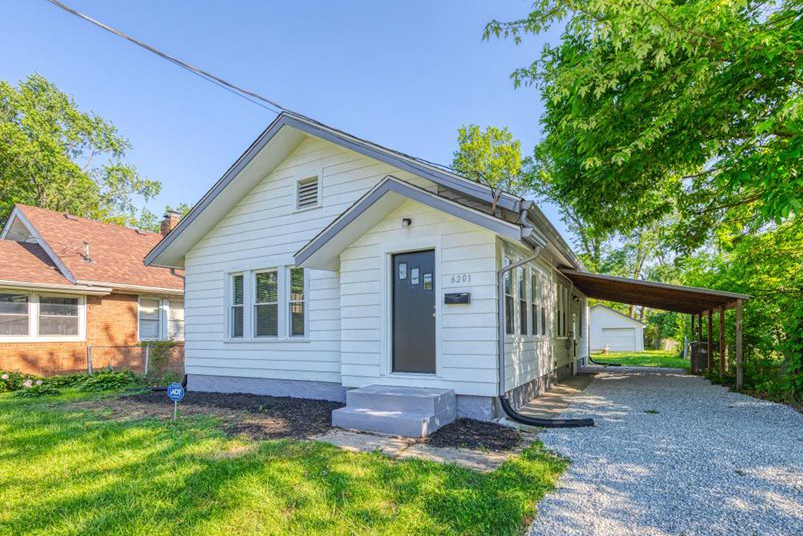
Filed Under: Real Estate, Real Estate Investing, Real Estate Investments Tagged With: Investment Property, Real Estate Investing, Rental Income, Rental Properties

Is 2026 a Good Time to Buy an Investment Property?

March 11, 2026 by Marco Santarelli

Is it a Good Time to Buy an Investment Property?

If you've been thinking about diving into the world of real estate investing, then 2026 is shaping up to be a year you'll want to pay close attention to. After a period of significant shifts, I believe the housing market in 2026 is poised to offer a sweet spot for investors, blending affordability with strong potential for growth.

Let me tell you, I've seen a few market cycles in my time, and what's brewing for 2026 feels like a genuine opportunity. It's not about chasing a hype train; it's about understanding the underlying currents and positioning yourself strategically. We're looking at what many are calling a “great recalibration” of the housing market.

What that means in plain English is that the frantic, seller-dominated market we've gotten used to is likely to ease up. This shift toward a buyer's market is precisely why 2026 is a good time to buy an investment property. It means more choices, more room to negotiate, and ultimately, a better chance to snag a deal that truly makes sense for your portfolio.

Why 2026 is a Good Time to Buy an Investment Property

Affordability is Back on the Table

One of the biggest hurdles for any investor – and believe me, it’s something I always keep front and center – is affordability. For years, rising prices and interest rates made it feel like an uphill battle. But here’s where 2026 looks promising:

  • Mortgage Rates are Stabilizing (and Potentially Dropping): My own research and what I'm hearing from trusted sources suggest that mortgage rates could settle in the low 6% range by mid-2026. Some forecasts even point to numbers as low as 5.5% to 5.75%. This is a game-changer. Lower rates mean lower monthly payments for your investment property, which directly translates to better cash flow and a more attractive return on investment.
  • Prices are Getting Real (Inflation-Adjusted): While we might still see modest increases in nominal home prices (think 1% to 4%), when you factor in inflation, the real cost of buying a home is expected to decline slightly. This is crucial because it means properties become more affordable relative to people's incomes. It's a subtle but important distinction that signals a healthier market.
  • Wages are Catching Up: For the first time in a while, we’re seeing projections that wages will outpace home price growth. This is fantastic news for investors. It means people have more money in their pockets, increasing their ability to afford rent and, for some, eventually buy.

More Choices, More Leverage

Remember those days of offering significantly over asking price and foregoing inspections just to have a chance at a property? Well, that’s likely to become less common in 2026.

  • Inventory is on the Rise: We're anticipating a roughly 20% increase in housing inventory compared to 2025. What does this mean for you? More properties to choose from! This wider selection reduces the intense pressure of multiple-offer situations and gives you the breathing room to be more selective.
  • Sellers Will Be More Flexible: When inventory is tight, sellers hold all the cards. But as the market becomes more balanced – and 2026 is predicted to be the most balanced it’s been in nearly a decade – sellers become more willing to negotiate. I'm talking about potential concessions like interest rate buydowns or repair credits. These can significantly impact the upfront costs and the long-term profitability of your investment.
  • The Baby Boomer Effect: A significant factor contributing to this inventory increase will be the “Great Baby Boomer Housing Handoff.” As millions of older Americans look to downsize or relocate, they will be putting a substantial number of homes onto the market. This generational shift will provide a welcome influx of supply.

Rentals Remain a Solid Bet

Even with potentially more homes on the market, the demand for rentals isn't going anywhere. In fact, it’s expected to stay quite strong, which is music to an investor's ears.

  • Homeownership Barriers Persist: Despite affordability improvements, high homeownership costs will continue to keep many potential buyers in the rental market. This sustained demand ensures a steady stream of tenants for your investment properties, providing consistent cash flow.
  • Single-Family Rentals are Gold: While some reports suggest multifamily rents might remain flat, the market for single-family rentals (SFRs) is projected to be particularly robust. We're looking at rent growth of around 2.3% for SFRs. This specialized segment of the rental market often attracts tenants seeking more space and privacy.
  • New Apartment Construction Slows: On the flip side, new construction starts for apartment buildings are expected to slow significantly in 2026. This reduction in new supply will eventually tighten the rental market, giving landlords more pricing power for their properties.

Smart Moves for Your Finances

Beyond the market dynamics, 2026 also presents some strategic financial advantages that you won't want to miss.

  • Tax Benefits Galore: This is a critical year for tax planning. The permanent 100% bonus depreciation rules are still in effect, allowing you to deduct the full cost of certain qualifying property improvements in the year they are placed in service. Additionally, upcoming deadlines for Opportunity Zone deferred gains create unique opportunities for wealth-building. These tax advantages can significantly boost your overall returns.
  • Rebalancing Your Portfolio: Many investors have seen incredible gains in the stock market over the past few years. As we look ahead, there's a growing sentiment to rotate capital into hard assets like real estate. This strategy helps hedge against stock market volatility and inflation, adding a layer of stability and diversification to your investment portfolio.

My Takeaway

From what I see, 2026 isn't just another year; it's a turning point. The combination of improving affordability, increased inventory, strong rental demand, and strategic financial advantages creates a compelling case for buying an investment property. It’s a chance to invest more wisely, potentially secure better terms, and build long-term wealth in a market that's becoming more favorable to buyers. If you've been a careful observer, waiting for the right moment, 2026 might just be that moment.

Want Stronger Returns? Invest Where the Housing Market’s Growing

In 2026, select U.S. cities are projected to see surging demand, rising rents, and appreciation—creating prime opportunities for investors seeking passive income and long‑term wealth.

Work with Norada Real Estate to find stable, cash-flowing markets beyond the bubble zones—so you can build wealth without the risks of ultra-competitive areas.

🔥 HOT 2026 INVESTMENT LISTINGS JUST ADDED! 🔥
Talk to a Norada Investment Counselor (No Obligation):
(800) 611-3060

Get Started Now

Filed Under: Housing Market, Real Estate, Real Estate Investing Tagged With: investing in real estate, Investment Property, Real Estate Investing

Benefits of Investing in New Construction Real Estate in 2026

March 7, 2026 by Marco Santarelli

Benefits of Investing in New Construction Real Estate

When it comes to investing in residential real estate, there are only two basic types of property you can invest in – new construction and resale. Resale properties are more often than not purchased directly from the homeowner who has been living in it themselves or has been leasing it to tenants. They are typically not purchased from a builder or developer.

New construction properties are those that are purchased directly from the builder or developer who constructed the property. They are the owner and seller. They do not have a residence and have never lived in one before. In short, they are considered brand new. Investing in new construction real estate can provide a number of benefits to investors. They tend to appreciate value faster than older properties, as they are often built in growing areas and offer modern amenities.

Due to their modern amenities and energy-efficient features, new development might attract greater rentals than older residences. Buying a newly constructed home may also provide tax advantages, such as a reduced property tax rate for the first year and the option to claim mortgage interest and property tax deductions.

If your investment focus is on pre-foreclosure, foreclosure, bank-owned property (REOs), or probate sales then you are likely to be purchasing resale properties. Occasionally, however, REOs are new construction properties because the bank foreclosed on the builder or developer who built the property but could not sell it prior to the foreclosure.

Benefits of Investing in New Construction Real Estate

Here are some of the many benefits of investing in new construction real estate: 

Small Deposits

Builders will typically require a very small deposit to secure a contract for a newly built property. Upfront deposits can range from as little as $1,000 to as much as 10% of the purchase price. This is sometimes negotiable and is a major advantage for investors who prefer to minimize their out-of-pocket cash until the actual closing date.

This is true for both new construction and pre-construction real estate where the property is constructed after the acceptance of your purchase contract and deposit.

During real estate booms where there is higher than normal appreciation, a small builder deposit allows some investors to profit by “flipping” or assigning their purchase contract to other investors for a fee. This only makes sense when the second investor is benefiting from the property's equity through discounts and appreciation during construction. This however is not common in today’s market.

Low Maintenance and Repair

New construction properties require less maintenance and repairs than older properties, which can help to keep expenses low. Unlike resale property, new construction property comes with a builder’s warranty which is required by law. Typically, warranties cover materials and workmanship as well as all systems (electrical, plumbing, heating and air conditioning, etc.) for up to two years.

There is also a 10-year warranty covering major structural elements such as the foundation and basement walls. Resale property rarely includes a home warranty unless one was purchased by the seller. However, these warranties carry limitations and are not as extensive as warranties on new construction real estate.

Additionally, resale property that has undergone renovations may not meet current-day building codes. They may be less energy efficient and contain hazardous building materials like asbestos or lead paint.

Growth and Emerging Markets

New construction can always be found in growth and emerging markets. As a real estate investor, this is where you want to invest to reduce your risk and maximize your long-term appreciation. Although you could also invest in resale property in these same growth markets, you would be giving up the other benefits outlined in this article.

As always, be sure to do your research and study the markets you're considering. Purchasing a new property in areas where employment, shopping, and other important amenities are a long commute away may put you too far ahead of the curve and dampen your investments rental prospects.

Appreciation

More than one real estate expert has concluded that, as a whole, new construction properties tend to appreciate at a faster pace than their resale counterparts. As new developments see an increase in residents, retail establishments, schools, and other amenities quickly pop up to service the growing population. This helps increase property values as more residents continue to move into the area adding to the demand and establishing the community.

Discounts and Instant Equity

There are situations where purchasing new construction from a builder in the early stages of development can provide you with early bird pricing or significant discounts. It is not uncommon to purchase property from a builder at 5% to as much as 20% below market value.

Why would the builder sell your property at a discount? One reason is to keep their sales up and debts low in order to be able to attract lender financing so they can build more property. Having buyers lined up to purchase the builder’s product reduces the lender's risk on loans they provide that builder.

Customization and Cost Control

If you are purchasing a pre-construction property you get the added benefit of being able to customize the property to suit your needs. An obvious benefit of buying pre-construction property is that you can choose many of the features such as flooring, cabinetry, lighting, plumbing, and fixtures. This is useful when you want to keep your costs down while making it as durable and appealing to future tenants as possible. You can even choose your lot location in most new subdivisions.

Newer Technology

New construction properties offer better construction and more advanced, longer-lasting building materials than resale properties. Insulation technology is far better than in years past providing better comfort and energy efficiency. Additionally, due to advances in heating and air conditioning systems, indoor air quality is far better.

Overall, newly constructed real estate is better suited as investment property than resale homes. They are simply more energy-efficient, healthier, and lower maintenance. They can be purchased in growth markets using small upfront deposits and often at below-market value. There are no surprises, and that translates into less worry and stress for you.

It's important to note that investing in new construction real estate comes with its own set of challenges, such as dealing with construction delays and unexpected costs. It may also necessitate more upfront capital, but the end result can be a high-demand property with a high return on investment.

Want Stronger Returns? Invest Where the Housing Market’s Growing

In 2026, select U.S. cities are projected to see surging demand, rising rents, and appreciation—creating prime opportunities for investors seeking passive income and long‑term wealth.

Work with Norada Real Estate to find stable, cash-flowing markets beyond the bubble zones—so you can build wealth without the risks of ultra-competitive areas.

🔥 HOT 2026 INVESTMENT LISTINGS JUST ADDED! 🔥
Talk to a Norada Investment Counselor (No Obligation):
(800) 611-3060

Get Started Now

Recommended Read:

  • Turnkey Properties Are Game Changer for New Real Estate Investors
  • New Housing Construction Trends and Forecast 2024
  • Real Estate Investing: Why Smart Investors Are Buying Now
  • New Home Sales Trends and Forecast
  • Real Estate Investing Trends and Predictions

Filed Under: Real Estate Investing Tagged With: Investment Properties, Investment Property, Real Estate Investing, Real Estate Investment

How To Invest in Real Estate During a Recession?

February 21, 2026 by Marco Santarelli

How To Invest in Real Estate During a Recession?

What is a Recession in Real Estate?

It can be scary to invest in anything during a recession. We all carry visions of the great depression and bread lines and people selling apples. The idea of putting your money into anything other than your mattress can be frightening for some. However, real estate should never be looked upon as an ordinary investment. Real estate is one of the few investments that we actually use and need. Everyone needs a place to live and call home. And real estate has systematically and quantifiably proven to have risen in value over the decades.

During an economic downturn, real estate markets typically see a slump in both value and volume of transactions, which is known as a recession. This may arise because of a general economic downturn or because of particular circumstances like an excess of available housing units, a shift in interest rate expectations, or a decrease in demand for real estate.

Many people may find it difficult to make their mortgage payments during a recession, which can result in an increase in foreclosures and a decrease in property prices. A decrease in construction activity and the associated loss of construction and real estate industry jobs may result from this. Recessions in the real estate market can also cause a decline in the value of commercial buildings because tenants may find it difficult to keep paying the rent.

Property values may plummet and commercial real estate may become less in demand as a result. It's also worth noting that a recession in the real estate market can be caused by a variety of factors such as an oversupply of housing, changes in interest rates, or a fall in demand for property. Because there are so many more properties on the market than there are buyers, in other words, supply outstrips demand, the price for property in most areas can fall considerably during a recession.

Do This When Investing in Real Estate During a Recession

Investing in real estate during a recession can be challenging, but there are also opportunities to be found. Here are some strategies for investing in real estate during a recession. Look for distressed properties to buy cheap. Foreclosures, short sales, and other distressed properties can be found at a significant discount during a recession. Look for these properties and consider renovating and reselling them or renting them out.

Do not feel intimidated by a real estate agent who tells you that you are going to “insult” someone if you offer a low price for their property. The real estate agent wants you to spend as much as possible because their fiduciary responsibility is with the seller, and they get a commission based on the sales price. Use your head and take a look at the market.

When you invest in real estate during a recession, consider the following:

Why Are They Selling?

If you're purchasing from a builder/developer then why they are selling becomes less important. But if purchasing directly from the owner in a private sale, you can find out by simply asking the seller or your agent. If the property is in a state of disrepair, chances are that there are financial problems. Don't be afraid to offer a significant amount less. If the owner is buying another home and needs to close on the first one soon, again don't be afraid to offer less than their asking price.

How Long Has The Property Been On The Market?

A few years ago, a home that was on the market for several months was either priced too high or there was something significantly wrong with the property. Today, properties stay on the market for 90 days or more in many parts of the country due to the prevailing market conditions. Avoid making a lowball offer on a property that is fresh on the market unless you know it is going into foreclosure or just about to become foreclosed upon. However, feel free to make low offers on properties that have been on the market for a month or more. Those that have been on the market for over a year are owned by people who are willing to ride out the storm and will most likely not be sold for a low price.

Is The Property In Foreclosure?

If the property is bank owned, you should be prepared to offer a lot less than the asking price. Don't allow a real estate agent to sway you when it comes to making an offer. If they say, “I do not want to present such a low offer,” tell them that you are prepared to find someone else who will. There are many real estate agents looking for a sale, especially in today's market. If the property is in foreclosure, offer at least 20 percent below the lender's asking price.

Invest in Multi-Family & Commercial Properties

Multi-family properties, such as apartment buildings, can be a good investment during a recession. They can provide a steady stream of rental income and are often more stable than single-family homes. Commercial properties, such as office buildings and retail spaces, may also be a good investment during a recession. These properties can provide a steady stream of rental income, and as businesses may struggle, it can also lead to lower rental rates and better negotiation terms.

Look for Undervalued Markets

Some markets may be more affected by a recession than others. Look for markets that have been hit hard by the recession and may be undervalued as a result. Real estate markets can take time to recover from a recession. Be patient and don't be discouraged if you don't see immediate returns on your investment. Consult with a real estate professional or a financial advisor before making any investment decisions. They can help you evaluate the risks and potential returns of different real estate investments.

Contrary to what you may have heard, the recession is the best time to buy a property. Always do your homework and don't be afraid to invest in real estate during a recession. It's important to remember that investing in real estate during a recession is not without its risks. It is important to do your research and understand the market you are investing in and have a long-term perspective. It's also important to have a good financial plan and a diversified portfolio.

Smart Real Estate Investing During a Recession

Recessions create uncertainty, but they also open doors for savvy investors. In 2026, turnkey rental properties remain one of the most resilient strategies—offering steady cash flow and appreciation even when broader markets slow down.

Norada Real Estate helps investors acquire turnkey properties designed to perform in all market cycles—delivering passive income and long‑term ROI regardless of economic conditions.

🔥 HOT 2026 INVESTMENT LISTINGS JUST ADDED! 🔥
Speak with an Investment Counselor Today (No Obligation):
(800) 611-3060
Or Request a Callback / Fill Out the Form Online

Contact Us

Filed Under: Economy, Foreclosures, General Real Estate, Housing Market, Real Estate Investing Tagged With: Investing in Real Estate During a Recession, Investment Properties, Investment Property, Real Estate Investing, Real Estate Investment, Recession in Real Estate

3 Things Every Real Estate Investor Should Know in 2026

February 21, 2026 by Marco Santarelli

3 Things Every Real Estate Investor Should Know in 2025

Real estate investment isn't like any other kind of investment. Yes, at the core of all investments, there's money and risk involved. But the major difference is that in real estate investing, you are responsible for the work required to make a return on your investment. If you want to be successful in real estate investing, there are some key pieces of information you need to know. This information holds true no matter what area of investing you get involved with.

Unlike stocks or bonds, real estate investments can generate income through rent, can be leveraged to increase returns, and have the potential for appreciation in value over time. Additionally, real estate investment can also require a significant amount of time, effort, and capital to manage, maintain, and improve the property, especially when compared to other forms of investment like stocks or bonds.

Another unique aspect of real estate investment is that it can be done through different strategies like buy and hold, fix and flip, turnkey and vacation rental, each of them has its own set of advantages and disadvantages. As a result, real estate investing requires a different set of skills and knowledge than other forms of investing, and it may not be suitable for all investors.

Here are 3 Important Things Every Real Estate Investor Should Know

How to Locate Properties

Location is crucial in real estate investing. Properties in desirable areas are more likely to appreciate in value and be in high demand for renters or buyers. Properties are the lifeblood of real estate investing. Without them, there's no money to be gained. Your success hinges on your ability to find and evaluate properties. Not just any property, but solid investment opportunities, better known as “deals”.

Just because a property is up for sale doesn't mean it's a good real estate investment. You'll need to find out a lot more about each potential deal before you can say with certainty whether it's a good investment or not. For example, what condition is it in, how much work is required, what is the cash flow and return on investment, and what is attractive about the local area and economy? Cash flow is key to long-term success as a real estate investor. It is important to ensure that the income from a property is enough to cover expenses and generate a positive cash flow.

How to Negotiate Deals

Due diligence is essential when considering any real estate investment. This includes researching the property, the neighborhood, and market conditions, as well as understanding the financial and legal aspects of the investment. Once you start finding investment properties, you must be able to negotiate a deal that works in your favor. Otherwise, you'll make little or no profit, and in some cases, you might even incur a loss.

If you're not good at negotiating, take some time to read a few books on the subject. Once you learn core negotiating skills, you'll have the ability to go into a deal and work out the terms so everyone walks away happy, mostly yourself. If you're saving yourself time by working with a real estate investment firm, then the deal will have already been negotiated for you. This is a great way for novice investors to get started because it helps minimize risks while they learn the business.

As a real estate investor, negotiating deals can be a complex process, but there are a few important methods that can help you succeed:

  1. Understand your market: Knowing the local real estate market circumstances, including previous sales and current listings, will help you determine the value of properties and the terms that buyers and sellers are likely to accept.
  2. Be prepared: Bring to the bargaining table all the information necessary to make a compelling case for your position. This contains financial details, comparable sales, and any additional pertinent data.
  3. Communicate effectively: Communicate clearly and directly with the other side. State your stance clearly and be open to listening to the opposing viewpoint.
  4. Be flexible: Be flexible and willing to make concessions in order to reach an agreement that benefits both parties.
  5. Use a specialist: Have a real estate attorney or agent who is familiar with the local market and laws assist you with negotiating and closing the deal.
  6. Have a clear walk-away point: Know your bottom line and be prepared to walk away if the other party is unwilling to meet your terms.

Knowing Different Ways to Invest in Real Estate

In its simplest form, investing is all about putting money in and getting more money out. In real estate investing, there are quite a few ways to do this. Some investors like fix-and-flips, some like new and pre-construction, while others invest in distressed properties or foreclosures. It's best to decide the strategies you'd like to use early on.

Investing in fix-and-flip real estate involves buying a property that needs repairs or renovations, making those improvements, and then selling the property for a profit. Here are some steps to follow when investing in fix and flip real estate:

1. Research the market: Understand the local real estate market conditions, including recent sales, current listings, and what types of properties are in demand. This will help you identify the best properties to target for your fix and flip projects.

2. Find the right property: Look for properties that are priced below market value and need repairs or renovations. These properties are often found through real estate auctions, foreclosure sales, or by working with a real estate agent who specializes in fixer-uppers.

3. Create a budget and scope of work: Once you have identified a property, create a detailed budget and scope of work that outlines the repairs and renovations that need to be done. Be sure to factor in contingencies for unexpected expenses.

4. Secure financing: There are several options for financing a fix-and-flip project, including traditional mortgages, hard money loans, or private money loans. Be sure to choose the option that makes the most sense for your situation.

5. Hire a contractor: Hire a reputable contractor to do the repairs and renovations. Be sure to get detailed estimates and timelines, and be prepared to manage the project effectively.

6. Sell the property: Once the renovations are complete, list the property for sale. Be sure to price it competitively and market it effectively to attract buyers.

7. Close the sale: Once you have a buyer, work with a real estate attorney or agent to close the sale. Remember to pay the closing costs and pay off any outstanding loans.

8. Analyze the deal: After the sale, be sure to analyze the deal to understand what you did well and where you could improve for your next deal.

Investing in turnkey rental real estate involves buying a property that is already fully renovated, rented out to tenants, and managed by a professional property management company.  Here are some steps to follow when investing in turnkey rental real estate.

1. Research the market: Understand the local real estate market conditions, including recent sales, current listings, and what types of properties are in demand. This will help you identify the best markets for turnkey rental properties.

2. Find the right property: Look for properties that are fully renovated and already rented out to tenants, often called “turnkey” properties. These properties are typically found through real estate agents or turnkey property providers.

3. Analyze the cash flow: Before making an offer on a turnkey property, be sure to analyze the property's cash flow to ensure it will generate a positive cash flow. This includes estimating the monthly rent, vacancy rate, expenses, and other income.

4. Review the lease and tenant history: Review the lease agreements and tenant history to ensure that the property is generating a stable income and that the current tenants are paying their rent on time.

5. Secure financing: There are several options for financing turnkey rental properties, including traditional mortgages, cash, or private money loans. Be sure to choose the option that makes the most sense for your situation.

6. Hire a property management company: Hire a professional property management company that will take care of the day-to-day management of the property, including rent collection, maintenance, and tenant relations.

7. Close the sale: Once you have completed all the necessary due diligence, work with a real estate attorney or agent to close the sale.

8. Monitor the performance: After the sale, monitor the performance of the property by reviewing the statements of the property management company, and analyze the performance to understand if there are any areas you could improve.

By following these steps, you can invest in turnkey rental real estate with confidence, knowing that you have done your due diligence and that the property is generating a positive cash flow

Learn as much as you can about those strategies. The better you understand the strategy, the easier it will be to invest in real estate. There's a lot of information available in books, magazines, and on the internet. Use as much of it as you can to learn the skills you need to be successful in real estate investing. The sooner you learn these key skills, the sooner you can start making money in real estate investing.

Want Stronger Returns? Invest Where the Housing Market’s Growing

In 2026, select U.S. cities are projected to see surging demand, rising rents, and appreciation—creating prime opportunities for investors seeking passive income and long‑term wealth.

Work with Norada Real Estate to find stable, cash-flowing markets beyond the bubble zones—so you can build wealth without the risks of ultra-competitive areas.

🔥 HOT 2026 INVESTMENT LISTINGS JUST ADDED! 🔥
Talk to a Norada Investment Counselor (No Obligation):
(800) 611-3060

Get Started Now

Filed Under: Real Estate Investing Tagged With: Investment Properties, Investment Property, Real Estate Investing, Real Estate Investment

  • 1
  • 2
  • 3
  • …
  • 5
  • Next Page »

Real Estate

  • Birmingham
  • Cape Coral
  • Charlotte
  • Chicago

Quick Links

  • Markets
  • Membership
  • Notes
  • Contact Us

Blog Posts

  • Today’s Mortgage Rates, August 8: VA Loans Beat Standard Rates by Nearly Half a Percent
    August 8, 2026Marco Santarelli
  • Best Cities to Buy a House For Rental Income in 2026
    August 8, 2026Marco Santarelli
  • Mortgage Rates Today, August 8, 2026: 30-Year Refinance Rate Drops by 13 Basis Points
    August 8, 2026Marco Santarelli

Contact

Norada Real Estate Investments 30251 Golden Lantern, Suite E-261 Laguna Niguel, CA 92677

(949) 218-6668
(800) 611-3060
BBB
  • Terms of Use
  • |
  • Privacy Policy
  • |
  • Testimonials
  • |
  • Suggestions?
  • |
  • Home

Copyright 2018 Norada Real Estate Investments

Loading...