Norada Real Estate Investments

  • Home
  • Markets
  • Properties
  • Membership
  • Podcast
  • Learn
  • About
  • Contact

Decline in US Home-Price Growth Amidst High Interest Rates

January 30, 2024 by Marco Santarelli

Decline in US Home-Price Growth Amidst High Interest Rates

The latest data for the S&P CoreLogic Case-Shiller Indices, the leading measure of U.S. home prices, reveal a deceleration in the upward trend for November 2023. Out of the 20 major metro markets, 12 reported month-over-month price decreases.

Year-Over-Year Analysis

The S&P CoreLogic Case-Shiller U.S. National Home Price NSA Index, covering all nine U.S. census divisions, reported a 5.1% annual gain in November, surpassing the 4.7% rise in the previous month. The 10-City Composite exhibited an increase of 6.2%, up from a 5.7% increase in the previous month.

The 20-City Composite posted a year-over-year increase of 5.4%, compared to a 4.9% increase in the previous month. Notably, Detroit reported the highest year-over-year gain among the 20 cities with an 8.2% increase in November, followed by San Diego with an 8% increase. Conversely, Portland saw a 0.7% decrease for the third consecutive month, remaining the only city reporting lower prices in November versus a year ago.

Month-Over-Month Trends

For the first time since January 2023, the U.S. National Index and 20-City Composite posted 0.2% month-over-month decreases in November, while the 10-City Composite posted a 0.1% decrease. After seasonal adjustment, the U.S. National Index and the 10-City Composite saw month-over-month increases of 0.2%, while the 20-City Composite posted a 0.1% increase.

Analysis and Insights

According to Brian D. Luke, Head of Commodities, Real & Digital Assets at S&P DJI, “U.S. home prices edged downward from their all-time high in November.” The streak of nine monthly gains ended, setting the index back to levels last seen over the summer months. Notably, Seattle and San Francisco reported the largest monthly declines, falling 1.4% and 1.3%, respectively.

November's year-over-year gain marked the largest growth in U.S. home prices in 2023. The National Composite rose 5.1%, and the 10-city index rose 6.2%. Detroit maintained its position as the best-performing market for the third consecutive month, accelerating to an 8.2% gain. San Diego notched an 8% annual gain, retaining its second spot in the nation.

Notably, six cities registered a new all-time high in November (Miami, Tampa, Atlanta, Charlotte, New York, and Cleveland), while Portland remained the lone market in annual decline. The Northeast and Midwest recorded the largest gains with returns of 6.4% and 6.3%, respectively. The West showed the slowest gains at 3%. This month’s report revealed the narrowest spread of performance across the nation since the first quarter of 2021.

“The tight disparity speaks to a rising tide across the country, with less evidence of micro-markets bucking the trend,” says Brian D. Luke. The days of markets in the South rising double digits with markets in the Midwest remaining flat are over. The house price decline came at a time when mortgage rates peaked, with the average Freddie Mac 30-year fixed-rate mortgage nearing 8%, according to Federal Reserve data. The rate has since fallen over 1%, which could support further annual gains in home prices.

Future Outlook

The future outlook for U.S. home prices remains uncertain, with the recent decline in November signaling a potential shift in the market. Factors such as mortgage rates and regional disparities will likely continue to influence the housing landscape in the coming months.


Filed Under: Housing Market, Real Estate Market Tagged With: Housing Market

Will the Housing Market Boom as Builder Sentiment Surges?

January 17, 2024 by Marco Santarelli

Will the Housing Market Boom as Builder Sentiment Surges?

Mortgage rates dipping below 7% in the last month triggered a significant surge in builder confidence at the onset of the new year. According to the National Association of Home Builders (NAHB)/Wells Fargo Housing Market Index (HMI), builder confidence in the market for newly built single-family homes experienced a noteworthy climb, reaching 44 points in January. This seven-point increase marks the second consecutive monthly rise and closely aligns with the period of declining interest rates.

Impact of Lower Interest Rates

NAHB Chairman, Alicia Huey, a custom home builder and developer, attributes this boost in confidence to the improved affordability conditions resulting from lower interest rates in the past month. The reduced rates have enticed buyers back into the market, countering the dip in activity witnessed during the fall due to higher borrowing costs.

Huey anticipates a growth in single-family starts in 2024, contributing much-needed inventory to the market. However, she acknowledges that builders will face challenges, including building material cost and availability, along with lot supply.

Future Sales Expectations and Supply-Side Challenges

NAHB Chief Economist, Robert Dietz, highlights the substantial decrease of more than 110 basis points in mortgage rates since late October, as reported by Freddie Mac.

This has lifted the future sales expectation component in the HMI into positive territory for the first time since August. As home building expands in 2024, Dietz foresees growing challenges on the supply side, manifesting as higher prices and/or shortages of lumber, lots, and labor.

Builder Strategies Amidst Falling Rates

Despite mortgage rates falling below 7% in the past month, many builders are persisting with price adjustments to stimulate sales. In January, 31% of builders reported cutting home prices, reflecting a decline from the previous two months and the lowest rate since last August. The average price reduction in January remained at 6%, unchanged from the previous month. Concurrently, 62% of builders offered various sales incentives in January, maintaining a stable trend observed since October.

Insights from the HMI Indices

Derived from a monthly survey conducted by NAHB for more than 35 years, the NAHB/Wells Fargo HMI assesses builder perceptions of current single-family home sales and sales expectations for the next six months. The indices charting current sales conditions, sales expectations, and traffic of prospective buyers all posted gains in January, indicating an optimistic outlook. The three-month moving averages for regional HMI scores also show positive trends across different regions.

Regional Variances in HMI Scores

Examining the three-month moving averages, the Northeast witnessed a four-point increase to 55, the South experienced a two-point rise to 41, the West registered a one-point gain to 32, and the Midwest held steady at 34. These variations showcase regional differences in builder sentiment, reflecting the diverse conditions across the country.

Overall, the surge in builder sentiment in January, fueled by falling interest rates, signals positive momentum in the housing market. However, challenges on the supply side, including material costs and availability, loom on the horizon. Builders' strategic responses to lower rates, such as price adjustments and sales incentives, indicate a dynamic market. As the year progresses, keeping a close eye on regional variances will be crucial in understanding the nuanced landscape of the housing market.

Filed Under: Housing Market, Real Estate Tagged With: Housing Market

Surge in Mortgage Applications Despite Holiday Season

January 10, 2024 by Marco Santarelli

Surge in Mortgage Applications Despite Holiday Season

Despite the holiday season, homebuyers and homeowners are rushing to secure mortgages, leading to a significant 9.9% increase in applications, according to data from the Mortgage Bankers Association’s (MBA) Weekly Mortgage Applications Survey. The last week of December witnessed a drop in mortgage applications, but the overall trend indicates a noteworthy surge.

Key Insights from MBA's Weekly Mortgage Applications Survey

The Market Composite Index, serving as a gauge for mortgage loan application volume, experienced a substantial 9.9% increase, marking a 45% rise compared to the previous week. Joel Kan, MBA Vice President and Deputy Chief Economist, noted that despite an uptick in mortgage rates at the beginning of 2024, applications increased after adjusting for the holiday.

Refinance and Purchase Indices

The holiday-adjusted Refinance Index surged by an impressive 19% from the prior week, indicating a robust refinance market. Additionally, the unadjusted Refinance Index exhibited a remarkable 53% increase from the previous week and was 17% higher than the same week in the prior year. The seasonally-adjusted Purchase Index also saw a substantial rise of 6% from the previous week, indicating increased activity in the home purchase market.

Market Dynamics and Government-Backed Loans

The refinance share of mortgage activity increased to 38.3% of total applications, up from the previous week's 36.3%, showcasing the dominance of refinance transactions in the current market. The adjustable-rate mortgage (ARM) share of activity decreased to 5.4% of total applications, indicating a preference for fixed-rate mortgages.

Government-backed loans also experienced changes in market share. The FHA share of total applications decreased slightly to 14.4%, while the VA share increased to 16.3%. The USDA share of total applications decreased marginally, reflecting shifts in demand for different types of government-backed loans.

Impact of Rising Rates on Contract Interest Rates

With rising rates impacting the market, the average contract interest rate for 30-year fixed-rate mortgages with conforming loan balances increased to 6.81%. Jumbo loan balances also witnessed an increase, with the average contract interest rate for 30-year fixed-rate mortgages rising to 6.98%. FHA-backed mortgages saw a similar trend, with the average contract interest rate increasing to 6.56%.

The 15-year fixed-rate mortgages also experienced a rise in the average contract interest rate, increasing to 6.41%. Meanwhile, 5/1 ARMs faced a notable increase in the average contract interest rate, reaching 6.17%. These changes in contract interest rates indicate the impact of rising rates across different mortgage products.

What Does It Mean for the Housing Market in 2024?

The surge in mortgage applications, despite the holiday season and rising rates, raises questions about the trajectory of the housing market in 2024. While the increase in both purchase and refinance applications is promising, industry experts suggest that it may be attributed to a catch-up in activity after the holiday season and year-end rate declines.

Overall market activity remains volatile, and the housing market is likely to experience fluctuations in the coming months. Homebuyers and homeowners should closely monitor market trends and mortgage rates to make informed decisions. The dominance of refinance transactions and shifts in government-backed loan preferences indicate the dynamic nature of the current real estate landscape.

The housing market in 2024 is poised for a mix of challenges and opportunities, driven by factors such as rising interest rates, consumer demand, and economic conditions. It remains essential for individuals involved in real estate transactions to stay informed and adapt to the evolving market dynamics.

Filed Under: Mortgage Tagged With: mortgage

Housing Market News 2024: Today’s Market Update

January 2, 2024 by Marco Santarelli

Housing Market News 2024

The housing market is an ever-evolving and dynamic sector that affects the economy and the lives of people worldwide. As we move into 2024, the latest housing market news is of utmost importance to individuals and businesses alike. Whether you are a homebuyer, seller, investor, or simply interested in real estate trends, staying up-to-date with the latest developments can help you make informed decisions.

Latest Housing Market News in January 2024

The 2024 housing market is poised for changes, influenced by mortgage rates, market conditions, and regional dynamics.

Mortgage Rate Lock-In Effect

  • The “mortgage rate lock-in effect” defined the 2023 housing market.
  • The pandemic-era sub-5% mortgage interest rates led to homeowners holding onto their homes.
  • Lower mortgage rates in late 2023 are indicating potential market improvements.

Existing-Home Sales and Prices

  • Mortgage rate drops boosted existing-home sales in November, breaking a five-month decline.
  • Housing shortages persist, but a slight uptick in single-family home construction is expected in 2024.
  • Home price growth varies across markets, with some areas experiencing double-digit increases.

Mortgage Rates and Affordability

  • Experts predict 30-year mortgage rates to hover between 6.1% to 7% in the first quarter, gradually declining throughout the year.
  • Election year volatility may impact mortgage rates.
  • Affordability challenges persist, requiring substantial household incomes to buy homes.

New Home Construction

  • Anticipated gain in single-family housing construction starts in 2024 after declines in 2022 and 2023.
  • Multifamily construction expected to experience a significant decline.
  • Remodeling activity to remain flat in 2024, with aging housing stock requiring reinvestment.

2024 Market Projections

  • Market conditions are expected to improve, but housing shortages will persist.
  • Nationwide sales may see a modest uptick, with variations across different markets.
  • Median existing-home prices continue to rise, and a dramatic rise in supply is seen as necessary to dampen price appreciation.
  • Weary homebuyers may welcome a more stable and less volatile market.

Challenges Faced in 2023

  • Home sales dropped by about 17% from their peak in February to their low in October.
  • Home prices increased by 7%, reaching record highs, surprising many industry observers.
  • Mortgage rates reached nearly 8%, the highest level in 23 years, contributing to the least affordable housing market in a generation.
  • Existing-home sales dipped below 4 million units, creating a market with high competition and rising prices.

Mortgage Rates and Affordability

  • Mortgage rates have fallen for nine consecutive weeks and are expected to drop further in 2024, though likely not below 6%.
  • The Federal Reserve's interest rate hikes impacted demand, contributing to the housing market's challenges.
  • Forecasts suggest mortgage rates averaging around 6.8% in 2024, providing some relief.

Improvements in Affordability

  • Average mortgage rates at 6.6% allow the average American family to afford the median-priced home without exceeding the 30% income threshold.
  • As rates come down, more homeowners may list their homes, increasing inventory and moderating prices.
  • Forecasts indicate a slight decrease in home values, with Zillow predicting a 0.2% fall, and Realtor.com forecasting a 1.7% decrease.

Expected Rise in Home Sales

  • NAR forecasts a 13.5% increase in existing home sales in 2024, reaching 4.71 million units.
  • Continued growth in new home construction is expected to boost inventory.
  • Predicted top-performing markets include Austin, Texas, and other metro markets in southern states.

Positive Signals in 2024

  • Inventory is slowly increasing, providing more options for buyers in the upcoming spring.
  • Sales rates are climbing, with more homes going into contract compared to the previous year.
  • Home prices are inching up, maintaining stability and avoiding uncontrollable rises seen during the pandemic.

Affordability Challenges Persist

  • Despite positive market trends, an intense affordability crisis continues to impact millions of potential homebuyers.
  • While cheaper mortgage rates may improve payment affordability, increased demand may drive competition, putting upward pressure on prices.
  • The current data suggests that the affordability crisis is unlikely to improve in 2024.

Inventory Growth and Market Dynamics

  • The year concluded with 513,000 single-family homes on the market, nearly 5% more than the end of 2022.
  • Sellers are gradually re-entering the market, contributing to a growing resale inventory.
  • The number of single-family homes in contract has crossed a growth threshold, showing a 2.4% increase compared to the previous year.

Price Reductions and Market Stability

  • Approximately 34.8% of homes on the market have undergone price cuts, within the “normal” range for the start of the year.
  • The percentage of homes with price reductions is expected to decrease in the coming months as fresh inventory enters the market.

Home Price Trends and Forecasts

  • The median price of single-family homes in the US is $415,000, reflecting a nearly 3% increase over the previous year.
  • 2024 is projected to continue with price stability, as leading indicators, including inventory growth and sales rates, remain positive.
  • Q1 home price trends will play a crucial role in shaping the overall trajectory of the housing market in 2024.

While the housing market shows signs of improvement, challenges such as affordability and the delicate balance between supply and demand continue to shape the landscape in 2024.

Stay tuned for more updates on the housing market as we continue to monitor the situation. If you're looking for real estate investment avenues in 2024, get in touch with us for expert advice and guidance.

Our team of professionals can help you navigate the changing market and find the right opportunities for your needs. Don't wait, contact us today to learn more!

Contact Us

Filed Under: Housing Market, Trending News Tagged With: Housing Market

Housing Market Shows Signs of Resilience Despite Headwinds

December 26, 2023 by Marco Santarelli

Housing Market Shows Signs of Resilience Despite Headwinds

The US housing market has shown remarkable resilience in recent months, defying predictions of a downturn. In September, the U.S. CoreLogic S&P Case-Shiller Index increased 3.9% year-over-year, marking the third consecutive month of annual gains following two months of declines. This trend is a testament to the underlying strength of the housing market, supported by factors such as a robust labor market, solid consumer confidence, and limited inventory.

However, the housing market is not without its challenges. Mortgage rates have surged in recent months, reaching their highest levels in over two decades. This has led to a decline in affordability, making it more difficult for first-time buyers to enter the market. Additionally, the ongoing supply chain disruptions have continued to push up the cost of building materials, putting upward pressure on home prices.

Looking Ahead

Experts expect the housing market to continue to moderate in 2024. Home price growth is forecast to slow to around 3%, down from the 5% pace seen in 2023. This deceleration is due to a combination of factors, including rising mortgage rates, slowing economic growth, and a gradual increase in housing supply.

The housing market is expected to remain resilient in 2024. The strong labor market and solid consumer confidence are likely to continue to support demand. Additionally, the limited inventory of homes available for sale is expected to help to prop up prices.

Additional Insights on US Housing Market Trends

  • Regional variations: While the national home price growth is slowing down, there are significant regional variations. The West Coast, including San Francisco and Seattle, continues to see strong price gains, while markets in the Midwest, like Detroit and Chicago, are experiencing a resurgence in demand.
  • Month-over-month trends: Some West Coast markets, particularly Las Vegas, San Francisco, and Phoenix, recorded the strongest month-over-month price gains in September.
  • Price growth expectations: Price trends are expected to continue to vary by region. For instance, Detroit and New York are projected to see robust price growth, while Seattle, Minneapolis, Portland, and Denver are anticipated to experience weaker growth.

Extended Analysis of US Housing Market Trends

  • Home sales: Home sales will remain flat in the fourth quarter of 2023 compared to the same period last year, despite rising mortgage rates. This suggests that the market is stabilizing after a period of decline.
  • Price growth: Home price growth is expected to slow down in 2024, averaging 3% compared to 3.8% in 2023. However, it is still projected to remain above pre-pandemic levels.
  • Drivers of growth: The main drivers of home price growth are low inventory, particularly in the West; the migration of higher-income households; equity-rich baby boomers; and a strong U.S. job market.
  • Regional variations: There are significant regional variations in home price growth. Some of the metros that have seen the strongest growth in 2023 include Detroit, New York, Las Vegas, Phoenix, Miami, Tampa, and Charlotte. These are often markets that experienced home price declines in 2022 or lagged in appreciation during the pandemic. In contrast, Seattle, Minneapolis, Portland, and Denver have seen weaker price growth.
  • Price tiers: The high-price tier has seen a relatively stronger rebound in September, with a 2.8% annual increase. This may be due to migration trends, with higher-income households moving to areas that are relatively less expensive or have more temperate weather. The low-price tier also saw strong gains in September, with a 3.7% increase. This was led by gains in Miami, Chicago, and Boston.
  • Month-over-month trends: The month-over-month comparison of appreciation by price tier and location also reveals relative changes in demand across the country. In September, Las Vegas and Tampa led the gains in the high tier, while Miami, Chicago, and Boston led the gains in the low-price tier.

Overall, the US housing market is expected to remain stable in the near term, with continued home price growth but at a slower pace than in 2023. The main drivers of home price growth are low inventory, migration, demographics, and a strong job market. However, rising mortgage rates are likely to dampen demand and slow price growth in 2024.


Sources:

  • https://www.corelogic.com/intelligence/us-corelogic-sampp-case-shiller-index-annual-growth-moves-higher-september/

Filed Under: Housing Market, Real Estate Market Tagged With: Housing Market

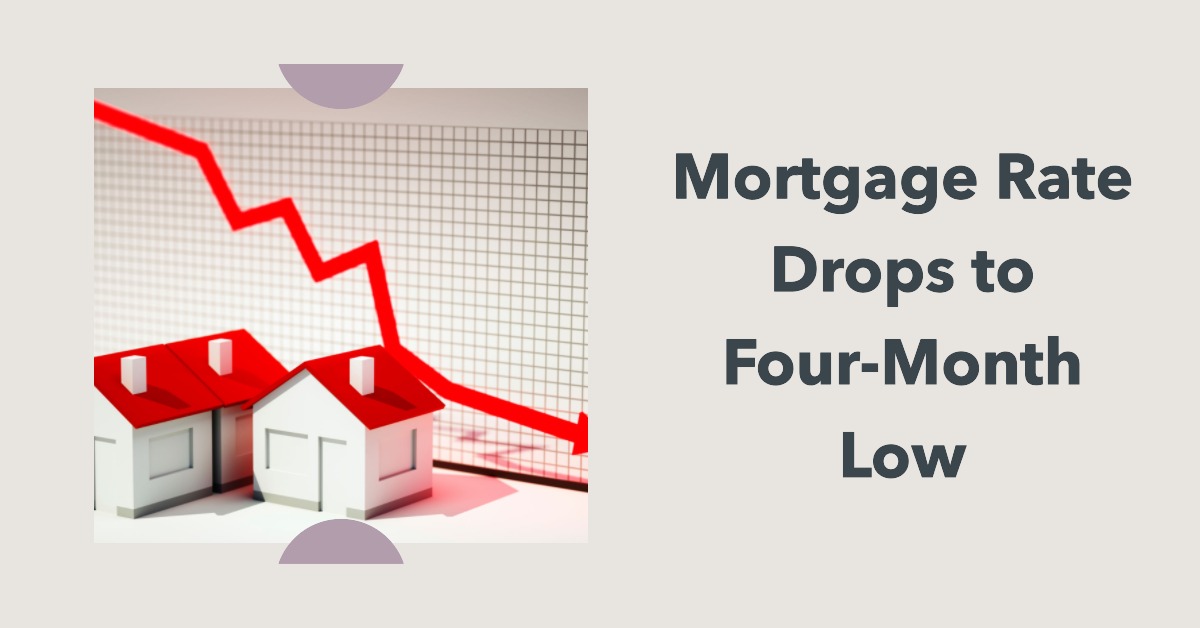
Mortgage Rate Drops to Four-Month Low to 7.17%

December 6, 2023 by Marco Santarelli

Mortgage Rate Drops to Four-Month Low

Mortgage Rate Drops to Four-Month Low

The mortgage landscape in the United States is experiencing a significant shift as the contract rate on a 30-year fixed mortgage recently hit a four-month low, standing at 7.17% in the week ending December 1. This notable decline of 20 basis points marks the most substantial drop in five weeks since late 2008, demonstrating a trend that is capturing the attention of homeowners, prospective buyers, and industry experts alike.

Current Mortgage Rates and Trends

According to the Mortgage Bankers Association (MBA), the mortgage rate decline has been consistent over the past five weeks, totaling 69 basis points. Mortgage News Daily, providing more frequent updates, reported the 30-year fixed mortgage rate at 7.08% on Tuesday, underscoring the downward trend.

The dip in mortgage rates is attributed to expectations that the Federal Reserve has concluded its interest rate hikes and may even consider cutting them early next year. After reaching a peak near 8% in October, the retreat in mortgage rates is anticipated to stimulate housing inventory and sales.

Impact on Refinancing and Application Activity

Refinancing activity surged by nearly 14%, marking the most significant increase since February. This surge has contributed to an overall boost in MBA's index of applications. While purchasing activity experienced a slight decrease, it still remains near the highest level since mid-September.

The MBA survey, a staple since 1990, draws on responses from mortgage bankers, commercial banks, and thrifts, covering more than 75% of all retail residential mortgage applications in the US.

Joel Kan, MBA’s Vice President and Deputy Chief Economist, noted that the decline in mortgage rates is linked to slower inflation and market expectations regarding the potential end of the Fed's hiking cycle. This bodes well for homeowners and potential buyers, as the lower rates alleviate the financial burden associated with moving.

Refinance Applications and Purchase Index

According to MBA, refinance applications saw the strongest week in two months and increased on a year-over-year basis for the second consecutive week, a positive sign suggesting that 2023 might have marked the low point in this cycle for refinance activity. Purchase applications, on the other hand, remained 17% lower than a year ago, impacted by low inventory and ongoing affordability challenges.

Additional Insights from MBA’s Weekly Mortgage Application Survey

Several key insights emerge from MBA's Weekly Mortgage Application Survey:

  • The average size of all loans and those for home purchases each fell by more than $15,000 last week. The overall loan size of $345,900 is the smallest since the first week of 2022. The average purchase loan amount was $396,500.
  • The FHA share of total applications increased to 15.0%, and the VA share rose to 12.8%. USDA loan applications accounted for 0.5% of the week’s total.
  • Various mortgage rates witnessed changes, with the 7.17% rate for conforming 30-year fixed-rate mortgages representing a 20-basis point decline. Jumbo 30-year FRM, FHA-backed 30-year FRM, and Fifteen-year FRM rates also experienced shifts.
  • The ARM share of activity decreased to 7.4% of total applications, a 3 percentage point drop over the previous month.

As the mortgage landscape continues to evolve, these developments signal potential opportunities for homeowners considering refinancing and prospective buyers navigating the current real estate market.

Filed Under: Mortgage

Fannie Mae Improves its Housing Market Predictions for 2023

December 4, 2023 by Marco Santarelli

Fannie Mae Improves its Housing Market Predictions for 2023

Fannie Mae Improves its Housing Market Predictions for 2023

The 2023 housing market predictions by Fannie Mae provide a glimpse into a market navigating through challenging waters. Despite the hurdles posed by soaring mortgage rates, the housing market has demonstrated resilience. However, caution is essential as we move into 2024, with expectations of a slowdown.

Factors Influencing the Housing Market

The housing market is influenced by various factors, and the fluctuation in mortgage rates is a significant contributor. As mortgage rates surge past 7%, they are expected to impact the housing market in 2023 and beyond. Affordability constraints are becoming more pronounced, making it challenging for potential buyers to enter the market.

Fannie Mae's Economic and Strategic Research Group anticipates that the higher mortgage rate environment will dampen housing activity, complicating affordability into 2024. This situation is a result of a substantial surge in housing activity experienced in the years between mid-2020 and mid-2022, with much of that momentum now being reined in.

Challenges and Resilience in the Housing Market

The resilience of house prices, despite the challenges posed by higher mortgage rates and affordability issues, showcases the underlying strength of the housing market. This unexpected resilience might be attributed to a combination of demand-supply dynamics, economic policies, and evolving consumer preferences.

However, experts caution that this resilience may face a test as the mortgage rates continue to rise. The slowdown in the housing market anticipated in 2024 underscores the need for potential buyers to carefully assess their options and plan their investments.

The Federal Reserve's Role and Economic Outlook

The Federal Reserve plays a pivotal role in shaping the economic landscape. The recent swift rise in interest rates has drawn attention to the Federal Reserve's stance on rate hikes. They have conveyed a commitment to keeping rates “higher for longer” until annual inflation stabilizes at 2%. This strategy is aimed at managing inflation and ensuring economic stability.

However, this approach also comes with potential economic dislocations, as witnessed in the past with similar interest rate hikes. Economists, including Doug Duncan from Fannie Mae, anticipate a mild economic downturn in the first half of 2024 due to the abrupt rise in interest rates.

Impact on Consumer Behavior

The 7% mortgage rates are expected to have a profound impact on consumer behavior. As interest rates continue to rise, consumer consumption and business investments may slow down due to increased debt costs. This could lead to a decrease in home sales as potential buyers may reconsider their purchase decisions in light of higher borrowing costs.

Fannie Mae's research group points out that the recent rapid rise in interest rates can potentially lead to economic dislocations, even though the consumer has shown resilience. The rate hike has brought to the forefront the importance of careful economic management to ensure a smooth transition.

Long-Term Housing Market Forecast and Economic Stability

The long-term forecast for the housing market depends on various factors, including how the Federal Reserve manages interest rates and inflation. While there may be short-term challenges, experts believe in the potential for the economy to stabilize in the long run. The Federal Reserve's commitment to a “soft landing” indicates its determination to manage the economy and prevent sharp economic downturns.

However, achieving this requires a delicate balance and effective policy implementation to mitigate the impact of rising rates on the housing market and the broader economy.

Filed Under: Housing Market, Trending News Tagged With: Housing Market News, Real Estate News

2023 Housing Market Predicted to Have Fewest Sales Since 2008

November 30, 2023 by Marco Santarelli

2023 Housing Market Predicted to Have Fewest Sales Since 2008

2023 Housing Market Predicted to Have Fewest Sales Since 2008

The housing market is experiencing a significant slowdown, with economists predicting that 2023 will be the slowest year for home sales since the 2008 housing bubble burst. According to a recent report by Fox Business, the housing market is facing several challenges, including persistently high mortgage rates and low inventory, which are discouraging potential buyers.

Redfin, a leading real estate brokerage, has estimated that there will be only around 4.1 million sales of existing homes in the United States by the end of 2023. One of the major factors contributing to this decline is the soaring mortgage rates, which currently stand at a staggering 7.63%. These high rates are dissuading many potential homebuyers from entering the market, making 2023 one of the toughest years for real estate sales.

According to Redfin's economic research lead, Chen Zhao, “Mortgage rates are staying high longer than anticipated, keeping away everyone except those who need to move and pushing our sales projection for the year down to a 15-year low.

The current mortgage rates are the highest they've been in over two decades, which is causing a growing number of buyers to hesitate about entering the market. Recent data from the Mortgage Bankers Association reveals that mortgage applications have dropped to their lowest level since 1995, further confirming the challenges the housing market is facing.

A Stark Comparison to 2008

The situation in 2023 draws a striking comparison to the housing market crash in 2008, which was triggered by a combination of factors, including the subprime mortgage crisis, high debt levels, and a lack of financial regulation. As reported by Fox Business, this crash led to a severe economic recession that affected millions of Americans, with many finding themselves in homes worth less than their mortgages.

However, one notable difference is that during the Great Recession, plummeting home prices created opportunities for first-time homebuyers to enter the market and purchase starter homes. In contrast, the current high mortgage rates are discouraging potential buyers, leading to a stagnant market and further worsening inventory issues.

Impact on Homebuyer Demand

Redfin's Homebuyer Demand Index, which measures early-stage demand indicators such as home tours, has fallen to its lowest level in a year. This decline reflects the reduced enthusiasm among homebuyers, who are waiting for better market conditions.

Furthermore, during the four weeks ending on October 15, the housing market saw a nearly 14% decrease in available homes, as homeowners opted to hold onto their lower borrowing rates. While there has been a slight increase in new listings this fall, potential buyers may find better opportunities in the new construction market.

New Construction Offers Hope

Amid the challenging conditions in the existing home market, new construction is emerging as a more attractive option for homebuyers. According to Redfin, sales of newly built homes are holding up better than existing home sales. This is partly because builders are not constrained by low mortgage rates, and they are often more motivated than homeowners to close a deal.

In the United States, sales of new construction homes increased by 1.5% year over year last month. This comes as prices for new construction homes dropped by approximately 4%. These statistics indicate that buyers might find more favorable conditions in the new construction sector, where builders are adapting to the changing market dynamics.

In summary, the 2023 housing market is facing unprecedented challenges, with high mortgage rates and low inventory discouraging potential homebuyers. These conditions have led economists to project that 2023 will witness the fewest home sales since the 2008 housing market crash. This situation is a stark contrast to the opportunities that emerged during the Great Recession, as today's high rates are keeping more homebuyers on the sidelines.

However, amidst these challenges, new construction homes are offering hope to buyers, with sales in this sector holding up better and prices dropping. As we navigate these uncertain times, potential homebuyers may find new opportunities in the evolving real estate market.

Filed Under: Housing Market, Trending News Tagged With: Housing Market News, Real Estate News

Home Prices Grow by 6.6% Despite High Mortgage Rates in 2023

November 29, 2023 by Marco Santarelli

Home Prices Surge by 6.6% Despite High Mortgage Rates in 2023

Home Prices Surge by 6.6% Despite High Mortgage Rates in 2023

In a surprising turn of events, housing prices have experienced a remarkable surge of 6.6% since January, defying the odds posed by escalating mortgage rates. This upward trajectory, highlighted by the S&P CoreLogic Case-Shiller Index, reveals a robust 3.9% increase in September compared to the same month last year.

As prospective homebuyers grapple with the challenges of soaring mortgage rates, the real estate landscape continues to evolve. The 30-year fixed mortgage, a key indicator, has exhibited fluctuations, standing at 7.32% on Nov. 27, a stark contrast to the 6.65% recorded for the corresponding week last year. This unprecedented increase, doubling rates from two years ago, raises concerns about the sustainability of the current housing market dynamics.

Dr. Selma Hepp, Chief Economist at CoreLogic, attributes the accelerated annual home price growth to pent-up demand, exacerbated by minimal housing inventories. However, she cautions that the persistent surge in mortgage rates may exert pressure on home prices, potentially tempering the rate of growth in the coming months.

2024 Housing Market Predictions: Modest Growth Amid Mortgage Rate Constraints

Industry experts foresee a modest rise in house prices in 2024, foreseeing a tug-of-war between the demand-supply equilibrium and the constraints imposed by high mortgage rates. The housing market, which transitioned from a seller's market in 2021 and early 2022 to a more balanced state, anticipates a continuation of sluggish house price appreciation in the upcoming year.

The confluence of soaring prices, limited inventory influenced by homeowners holding onto favorable mortgage rates secured in previous years, and the surge in mortgage rates has left many potential homebuyers on the sidelines.

Balancing Act: Tight Inventory, Rising Prices, and Future Affordability

Throughout the year, rising home prices have been propelled by tight inventory, maintaining competitiveness despite a dip in demand. Looking ahead to 2024, the anticipation of easing mortgage rates brings a glimmer of hope for prospective buyers, potentially alleviating the financial burden associated with home purchases.

According to Dr. Selma Hepp, “Despite the dramatic increase in the cost of homeownership, home prices have risen 6.6% so far this year — meaningfully beyond expectations given the rise in borrowing costs.”

As the housing supply gradually picks up, the prevailing tight inventory conditions are expected to maintain upward pressure on home prices. However, the prospect of falling mortgage rates hints at a more affordable future for those looking to step into the real estate market.

Filed Under: Housing Market Tagged With: Housing Market

Bank of America Fined $12 Million for Misleading Mortgage Data

November 29, 2023 by Marco Santarelli

Bank of America Fined $12 Million for Misleading Mortgage Data

Bank of America Fined $12 Million for Misleading Mortgage Data

The Consumer Financial Protection Bureau (CFPB) has imposed a hefty fine of $12 million on Bank of America for misleading mortgage lending data reported to the federal government. The fine comes as a consequence of the bank's violation of the 1975 Home Mortgage Disclosure Act (HMDA), a federal law that mandates accurate reporting of demographic data about mortgage applications to financial regulators.

False Reporting and Regulatory Violations

According to the CFPB consent order, Bank of America engaged in the unlawful practice of falsely reporting demographic data, including race, ethnicity, and sex, for mortgage applications between 2016 and 2021. The violations initially surfaced in 2020 when the bank identified numerous loan officers who failed to collect this crucial information. Instead, they falsely claimed that applicants declined to provide such details. This breach of the HMDA exposes potentially discriminatory lending practices.

Delayed Action and Monitoring Shortcomings

The violations, dating back to 2013 for phone-based loan applications, continued for years without appropriate action from Bank of America. The CFPB found that the bank failed to monitor phone calls for its distributed loan officers until 2021, allowing the misconduct to persist. This negligence occurred despite the Biden administration's heightened focus on addressing racial discrimination in housing and mortgage lending.

Bill Halldin, a representative for the bank, disputed the timeline but acknowledged the violations spanned three months. He stated that Bank of America collected demographic data accurately in more than 99% of applications during the reviewed years. However, some officers reported a lower rate of applicants declining to disclose their race than industry averages.

Previous Scrutiny and Ongoing Reforms

This isn't the first time Bank of America has faced CFPB penalties. In July, the bank was fined $150 million for alleged misconduct, including charging customers multiple junk fees. The latest $12 million fine will be directed to the CFPB's victims' relief fund.

Despite the controversy, Bank of America remains one of the largest mortgage lenders in the country, having funded $53.7 billion in first mortgage loans in 2021 through its digital application service. The bank, with over 4,500 loan officers, processed an average of over 300,000 mortgage loan applications annually from January 2016 to the present day, as reported by the CFPB.

Bank's Response and Ongoing Compliance Efforts

In response to the fine, Bank of America maintained that it properly collected demographic data in the majority of applications and noted improvements in monitoring and training in 2020 and 2021. The bank clarified that the data collection issue had no impact on the outcome of applications.

CFPB Director Rohit Chopra affirmed the regulatory commitment, stating, “We will be taking additional steps to ensure that Bank of America stops breaking the law.”

Filed Under: Banking Tagged With: Bank of America

  • « Previous Page
  • 1
  • …
  • 288
  • 289
  • 290
  • 291
  • 292
  • …
  • 341
  • Next Page »

Real Estate

  • Birmingham
  • Cape Coral
  • Charlotte
  • Chicago

Quick Links

  • Markets
  • Membership
  • Notes
  • Contact Us

Blog Posts

  • Today’s Mortgage Rates, March 11: 30‑Year Fixed Dips Below 6%, Inflation Concerns Persist
    March 11, 2026Marco Santarelli
  • Mortgage Rates Drop Unlocking 5.5 Million More Households in 2026
    March 11, 2026Marco Santarelli
  • How to Get a 4% Mortgage Rate in 2026?
    March 11, 2026Marco Santarelli

Contact

Norada Real Estate Investments 30251 Golden Lantern, Suite E-261 Laguna Niguel, CA 92677

(949) 218-6668
(800) 611-3060
BBB
  • Terms of Use
  • |
  • Privacy Policy
  • |
  • Testimonials
  • |
  • Suggestions?
  • |
  • Home

Copyright 2018 Norada Real Estate Investments

Loading...