For those looking to buy or invest in the Phoenix housing market, the current reality is that the market is presenting a more balanced scenario, with signs pointing towards continued stability and a slight shift in favor of buyers in some aspects. The median listing price is sitting at $485,000, and while home prices have seen a slight dip year-over-year, we're also observing a notable increase in active listings and a slight uptick in month-over-month sale prices. This dynamic suggests a market that's moving beyond its intense seller's market phase and entering a period where careful observation and strategic decision-making will be key.
Phoenix Housing Market Trends
As someone who's been analyzing the Phoenix real estate scene for a while, I can tell you that the “boom” years, while exciting, created a market that was incredibly tough for buyers. Now, what we're seeing is a recalibration. It's not a crash, by any means, but rather a normalization that can be quite appealing for those who were priced out or frustrated by bidding wars. Let's dive into what the data from Realtor.com is telling us and what my own observations suggest for the future, looking out towards 2026.
What's Going on in Phoenix Right Now? A Snapshot from April 2026
Looking at the numbers from Realtor.com as of April 2026 paints a clear picture of where Phoenix stands. The median listing price is hovering around $485,000, showing a slight decrease of -3.96% year-over-year. This might sound like a step back, but I see it as a positive sign for affordability. It means sellers are adjusting their expectations, and the intense competition we saw previously is easing.
On the flip side, the median sold price has seen a smaller dip of -2.62% year-over-year. This gap between listing and sold prices often indicates that negotiation is back on the table for buyers. The price per square foot is also down slightly at -$294/sq ft, which aligns with the overall price moderation.
One of the most telling indicators is the rise in active listings, which have increased by a significant 65.05% over the past three years, and a modest 0.58% year-over-year. This is crucial because it means buyers have more choices. More homes on the market generally translate to less pressure and more time to make an informed decision. Correspondingly, the median days on market has increased to 53 days, up 8.16% year-over-year. This tells us that homes are taking a bit longer to sell, which is a stark contrast to the lightning-fast sales we've become accustomed to.
The rental market is also showing some interesting shifts. Rental properties have seen a massive jump of 303.63% over three years, and a significant 26.86% increase year-over-year. However, the median rent has actually decreased by -6.91% year-over-year, settling at $1,549/mo. This is a clear indication of a more balanced rental market, with more supply and potentially more affordable options for renters.
Phoenix Quick Market Insights: The Nuances of the Data
Let's break down these key takeaways a little further:
- Pricing Momentum: The -3.96% year-over-year decline in sale prices is a big deal. For buyers, this means more room for negotiation. For sellers, it's a signal to price their homes competitively from the start to attract serious interest. It's less about hoping for multiple offers above asking and more about finding the right buyer at a fair price.
- Rent Market Dynamics: The -6.91% year-over-year decrease in rents is great news for renters. It suggests that the rental market is becoming more accessible, which can ease some of the financial pressures on individuals and families. For property investors who rely on rental income, this might mean adjusting strategies to ensure occupancy.
- Month-Over-Month Price Momentum: Interestingly, despite the year-over-year dip, we're seeing a 2.11% month-over-month increase in sale prices. This suggests that while the long-term trend is one of correction, there's still underlying demand that can cause short-term price bumps. This is where understanding local nuances becomes incredibly important.
- Inventory Availability: With 7,421 active listings, buyers have a much better selection compared to previous years. This increased inventory is what's driving the longer days on market and providing more breathing room. It's a “warm market” according to Realtor.com's Hotness Index, meaning homes are still selling, but not at a breakneck pace.
Neighborhood Deep Dive: Where the Action Is (and Isn't)
Phoenix is a sprawling metro area, and each neighborhood has its own personality and market dynamics. While the citywide data gives us a broad overview, looking at specific areas can provide more granular insights. Based on the figures from Realtor.com through March 2026:
| Neighborhood | Median Listing Price | Listing $ / sq ft | Median Monthly Rental Price |
|---|---|---|---|
| Camelback East | $650,000 | $390 | $1,525 /mo |
| Paradise Valley Village | $650,000 | $362 | $1,934 /mo |
| Desert View | $760,000 | $353 | $2,034 /mo |
| Ahwatukee Foothills | $567,499 | $295 | $1,594 /mo |
| North Phoenix | $535,000 | $306 | $1,570 /mo |
| Encanto | $489,950 | $333 | $1,500 /mo |
| South Phoenix | $479,995 | $260 | $1,700 /mo |
| Laveen | $480,000 | $232 | $2,000 /mo |
| Estrella | $400,000 | $222 | $1,850 /mo |
As you can see, there's a wide range. Areas like Desert View, Paradise Valley Village, and Camelback East command premium prices, reflecting their desirability and potentially larger lot sizes or higher-end homes. On the other hand, neighborhoods like West Phoenix ($359,900), Maryvale ($345,000), and Alhambra ($368,750) offer more affordable entry points.
The rental market also shows variation, with some areas like Laveen and Estrella showing higher median rents, likely influenced by new developments or specific housing types.
Phoenix Housing Market Forecast for 2026
Looking ahead to 2026, I don't anticipate a dramatic crash or a renewed boom mirroring the past few years. Instead, I foresee a continuation of the current trends, albeit with some evolving nuances.
My prediction for the Phoenix housing market in 2026: I believe we'll see a stabilization of prices, with modest appreciation in many areas. The significant increase in inventory will continue to provide more choices for buyers, leading to more typical market cycles where homes are evaluated on their merits, not just speed.
Here's what I'm looking out for:
- Continued Buyer Opportunity: The increased inventory and longer days on market will likely persist. This gives buyers a crucial advantage: time. Time to do thorough inspections, time to secure financing without extreme pressure, and time to negotiate. I don't see bidding wars becoming the norm again unless there's a significant, unforeseen economic shift.
- Rentals Finding Equilibrium: The rental market will likely continue to correct itself. While rents might not plummet, the significant increases of the past are unlikely to return. This will be a welcome relief for renters and a signal for investors to focus on strong rental yields and property management.
- Focus on Value and Affordability: As prices stabilize, buyers will be more discerning. The focus will shift towards homes that offer good value for the price, especially in terms of location, condition, and amenities. Affordability will remain a key driver, particularly for first-time homebuyers.
- Interest Rate Influence: The trajectory of interest rates will undoubtedly play a significant role. If rates remain relatively stable or even dip slightly, it will further boost buyer confidence and purchasing power, potentially leading to more consistent sales. Conversely, sharp increases could cool demand.
- Pockets of Growth: While Phoenix as a whole is stabilizing, certain neighborhoods or areas undergoing revitalization or offering new job opportunities could still see stronger appreciation. Areas with good schools, convenient access to amenities, and developing infrastructure are generally good bets for long-term value.
- Investor Strategy Shift: For investors, the focus might shift from rapid appreciation to stable cash flow and long-term appreciation. Smart investors will be looking for properties that can be acquired at reasonable prices and yield consistent rental income.
What This Means for You
For Buyers: If you've been waiting for a more balanced market, now is a good time to get serious. Do your homework, get pre-approved for a mortgage, and work with a knowledgeable real estate agent who understands the current Phoenix market. Don't rush, but don't delay either – opportunities are there for those who are prepared.
For Sellers: Pricing your home realistically from the outset is paramount. Focus on presenting your home well and be prepared for negotiations. If your home is well-maintained and competitively priced, it will still attract buyers.
For Renters: The current rental market offers more options and potentially better affordability. Take advantage of this to find a place that suits your needs.
The Phoenix housing market is evolving. It's moving from a sprint to a more sustainable marathon. By understanding these trends and forecasts, you'll be much better equipped to navigate the Phoenix real estate scene in the coming years. I'm optimistic about what 2026 holds – a market where more people can find their place to call home.
Want Better Cash Flow? Invest in High-Demand Housing Markets
Turnkey rental properties in fast-growing housing markets offer a powerful way to generate passive income with minimal hassle.
Work with Norada Real Estate to find stable, cash-flowing markets beyond the bubble zones—so you can build wealth without the risks of ultra-competitive areas.
🔥 HOT NEW LISTINGS JUST ADDED! 🔥
Talk to a Norada investment counselor today (No Obligation):
(800) 611-3060
Recommended Read:
- Arizona Housing Market: Trends and Forecast
- 12 Best Places to Live in Arizona
- When Will the Housing Market Crash in Arizona?
- Arizona's Housing Crisis: Young Adults Struggling to Find Home
- Scottsdale Housing Market: Trends and Forecast
- Tucson Housing Market Trends and Forecast
- Top 10 Priciest States to Buy a House by 2030: Expert Predictions
- 10 Best Real Estate Markets for Investors in 2025
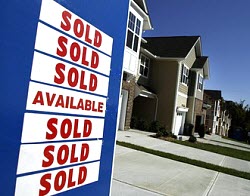 A Phoenix home with 95 bids is just one example of a housing market entering a new and unprecedented phase. Experts at Arizona State University School of Business say Phoenix is headed for a major housing shortage.
