 After peaking in 2006, the median U.S. house price fell about 30%, finally hitting bottom in late 2011. Since then, house prices have rebounded strongly and are nearly back to the pre-recession peak.
However, conditions in the latest boom appear far less precarious than those in the previous episode. The current run-up exhibits a less-pronounced increase in the house price-to-rent ratio and an outright decline in the household mortgage debt-to-income ratio—a pattern that is not suggestive of a credit-fueled bubble.
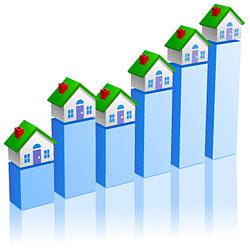 Families are facing much bigger rent checks this year — especially those living in cities in the South and West.
 As you have probably heard, China seems to be on the edge of a significant crash. This has prompted questions of how to predict and prepare for the next real estate market crash in the US. We've had a couple of suggestions that tracking NODs (Notice of Default – the first step in the foreclosure process) would be a good indication. We have no crystal balls but here are our thoughts.
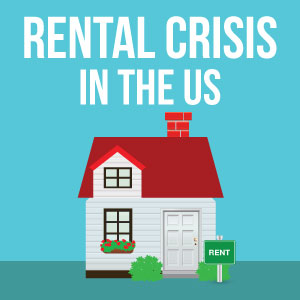 There are more renters now than in the history of the United States. Unfortunately, we’re also in “the worst rental affordability crisis that this country has ever known,” per the U.S. Secretary of Housing and Urban Development. That's a bad combination.
 When people ask, “Is it still a good idea to buy real estate now?”, there are often two underlying problems. First, is a loss of direction. Second, “The Stock Market Mentality.” Put simply, in the stock market, timing is all important. If you don’t sell today, tomorrow your stock may be worth 50% less. If you don’t buy today, tomorrow it may cost 50% more. Fun, adventure and excitement. Keep away from it.
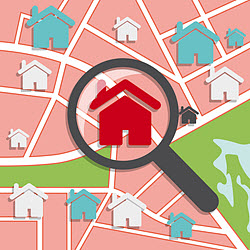 Ever try typing your address into Zillow.com and wonder how the heck they value your home at $30,000 less than your neighbor’s that is smaller? Or type your address into Trulia.com and find it is $40,000 more than Zillow’s estimate?
 We know Zestimates aren’t exactly accurate, but new real estate investors rely on those numbers all too often.
 Every time a property is sold, the surrounding economy gets a boost. Local businesses and industries benefit at every stage of the process from the sale to post-sale purchases. These include aspects like home construction costs, real estate brokerage, mortgage lending and title insurance.
