If you're thinking about buying a home or refinancing your current mortgage, listen up! On July 27, 2026, mortgage rates have taken a jump, with purchase rates now sitting higher than refinance rates. This means it's a bit more expensive to borrow money for a new home right now compared to redoing your existing loan. Let's break down what's happening and what it means for you.
Today's Mortgage Rates, July 27: 30-Year Fixed Jumps to 6.70%, Even VA Loans Climb
The Numbers Today: A Quick Look
According to the latest data from Zillow, here's how the rates are looking today, July 27, 2026:
- 30-year fixed rate: 6.70% (This is the most common type of mortgage, where your monthly payment stays the same for 30 years.)
- 20-year fixed rate: 6.71%
- 15-year fixed rate: 6.04% (Shorter term, usually means lower interest rate.)
- 5/1 ARM: 6.64% (Adjustable-Rate Mortgage – the rate is fixed for 5 years, then can change.)
- 7/1 ARM: 6.59%
- 30-year VA rate: 6.10% (For eligible veterans and service members.)
- 15-year VA rate: 5.77%
- 5/1 VA rate: 6.91%
You can see that the 30-year fixed rate for purchases is now at 6.70%. This is a noticeable increase from where we were just a little while ago.
Why Are Rates Going Up? It's Not Just One Thing!
It might seem like mortgage rates just wake up and decide to go up or down, but that's not the case. Several big things are pushing rates higher, and they're all connected.
1. The 10-Year Treasury Yield is Your Best Friend (or Foe!)
Think of the 10-year U.S. Treasury bond yield as a guiding star for mortgage rates. They usually move together. When investors who buy these government bonds want more money back for lending it out (they want a higher yield), mortgage lenders have to offer higher rates too, so they can compete for people's money.
Lately, there's been a big selloff in government bonds. This means lots of people are selling them, which drives the price down and the yield up. The 10-year yield has hit a high point for 2026, making borrowing money for a home more expensive.
2. World Events Are Playing a Role
Sometimes, things happening far away can sneakily affect your mortgage rate. Recently, there's been more trouble in the Middle East, with fighting in Iran and attacks in the Red Sea affecting oil tankers.
- Middle East Conflict: This instability makes people nervous about the economy.
- Red Sea Attacks: These attacks have really messed up shipping routes for oil.
- Oil Prices Spike: Because of these issues, the price of crude oil has shot up past $100 a barrel. When oil gets expensive, it has a ripple effect. It makes transportation and the production of many goods more costly, and this often leads to higher bond yields, which then pushes mortgage rates up.
3. Inflation is Still a Concern, and the Fed is Watching Closely
Even though the yearly inflation rate has come down a bit, it's still higher than what the Federal Reserve (the Fed) wants. The Fed's goal is usually to keep inflation around 2%. Right now, it's more in the 3.5% to 3.8% range.
With oil prices soaring, people are worried that this could make inflation go up again. The Fed has been keeping its main interest rate steady for a while. However, their recent talk has been a bit more serious, often called “hawkish.” This means they're really focused on fighting inflation.
- Rate Hike Fears: Because of this, people who invest money aren't expecting the Fed to lower interest rates anytime soon. Instead, they're now thinking the Fed might even raise interest rates later this year to try and cool down the economy and stop prices from rising too fast. This expectation alone can push mortgage rates higher.
4. New Tariffs Add to the Cost
The government has recently put new import taxes, or tariffs, on goods coming from many different countries. What does this mean for you and your mortgage?
- Higher Costs for Everyone: Economists say these tariffs make things cost more for us as consumers. When the cost of goods and materials goes up, it can make inflation stick around longer, which, as we discussed, puts upward pressure on mortgage rates.
What Does This Mean for You?
The fact that rates are climbing means a few things for people looking to buy or refinance:
- Buying a Home: If you're looking to buy, your monthly mortgage payment will likely be higher now than it was a few months ago for the same priced home. This might mean adjusting your budget or looking at homes in a slightly lower price range.
- Refinancing: If you were planning to refinance your current mortgage to get a lower rate, now might not be the best time. Rates are generally higher for refinancing compared to a few weeks ago. However, if you need to pull cash out of your home's equity or change your loan terms for other reasons, it might still be worth exploring.
- VA Loans: It's interesting to see that even the VA loan rates, which are often very competitive, have also seen increases. The 30-year VA rate is at 6.10%, and the 15-year VA rate is at 5.77%. While still potentially lower than conventional loans, they reflect the overall trend.
My Two Cents: Stay Informed and Be Prepared
Navigating the mortgage market can feel like trying to steer a ship through choppy waters. My best advice is to stay informed and be prepared.
- Talk to Your Lender: Have an open conversation with your mortgage lender or broker. They can give you the most up-to-date information and explain how these rates specifically affect your situation. They can also help you explore different loan options.
- Understand Your Options: Don't just look at the headline rates. Understand the difference between fixed and adjustable-rate mortgages and which one might be a better fit for your long-term plans.
- Improve Your Credit: A good credit score is your secret weapon. The better your credit, the better rate you're likely to get, even in a rising rate environment.
- Factor in All Costs: Remember that the interest rate is just one part of your monthly housing payment. Don't forget about property taxes, homeowner's insurance, and potential private mortgage insurance (PMI).
While today's mortgage rates, July 27, are showing an upward trend, the housing market is always moving. By understanding the forces at play and working closely with professionals, you can make the best decisions for your financial future.
VS
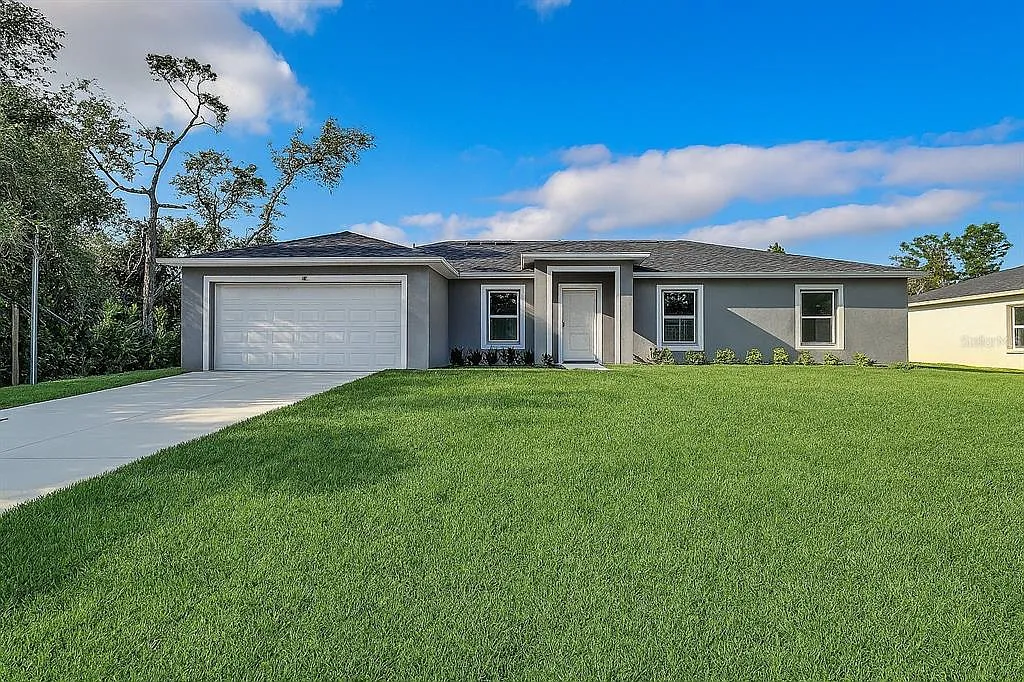
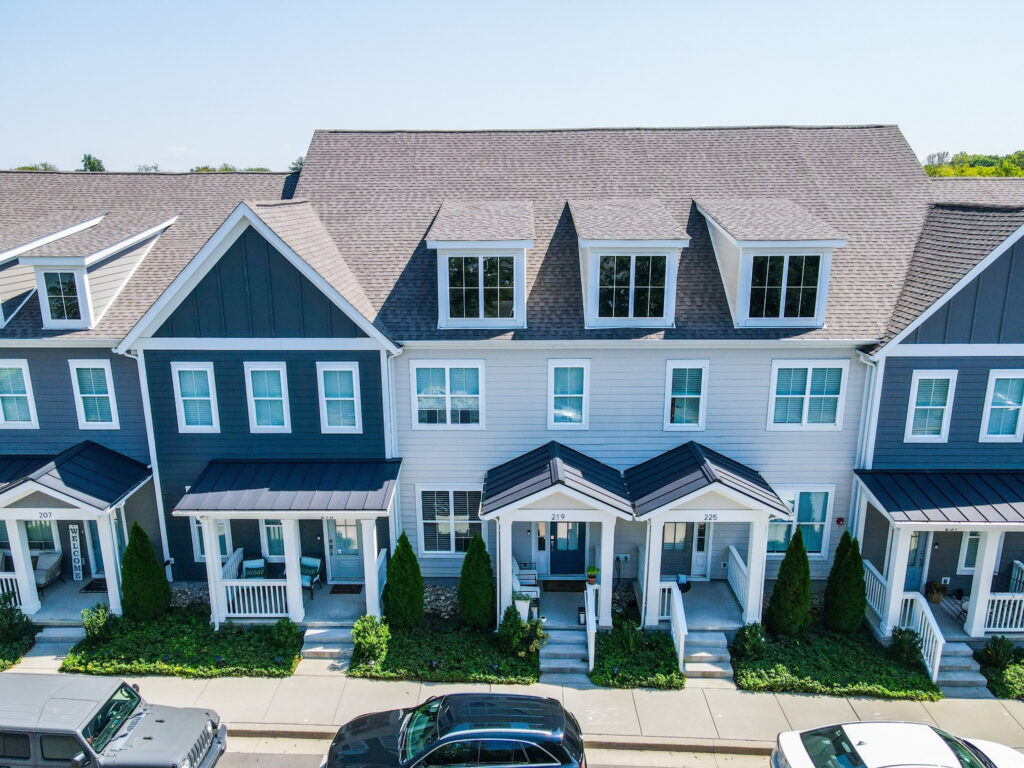
Out‑of‑State investors can compare Tennessee’s newer rental with higher NOI vs Florida’s A+ property with strong yield. Which fits YOUR investment strategy?
We have much more inventory available than what you see on our website – Let us know about your requirement.
📈 Choose Your Winner & Contact Us Today!
Speak to a Norada Investment Counselor (No Obligation):
(800) 611-3060
Mortgage rates remain high in 2026, but rental properties continue to deliver strong cash flow and appreciation. Savvy investors know that turnkey real estate is the path to passive income and long‑term wealth.
Norada Real Estate helps you secure turnkey rental properties designed for immediate cash flow and appreciation—so you can invest smartly regardless of interest rate trends.
Also Read:
- Mortgage Rates Predictions Backed by 7 Leading Experts: 2025–2026
- Mortgage Rate Predictions for the Next 3 Years: 2026, 2027, 2028
- 30-Year Fixed Mortgage Rate Forecast for the Next 5 Years
- 15-Year Fixed Mortgage Rate Predictions for Next 5 Years: 2025-2029
- Will Mortgage Rates Ever Be 3% Again in the Future?
- Mortgage Rates Predictions for Next 2 Years
- Mortgage Rate Predictions for Next 5 Years
- Mortgage Rate Predictions: Why 2% and 3% Rates are Out of Reach
- How Lower Mortgage Rates Can Save You Thousands?
- How to Get a Low Mortgage Interest Rate?
- Will Mortgage Rates Ever Be 4% Again?