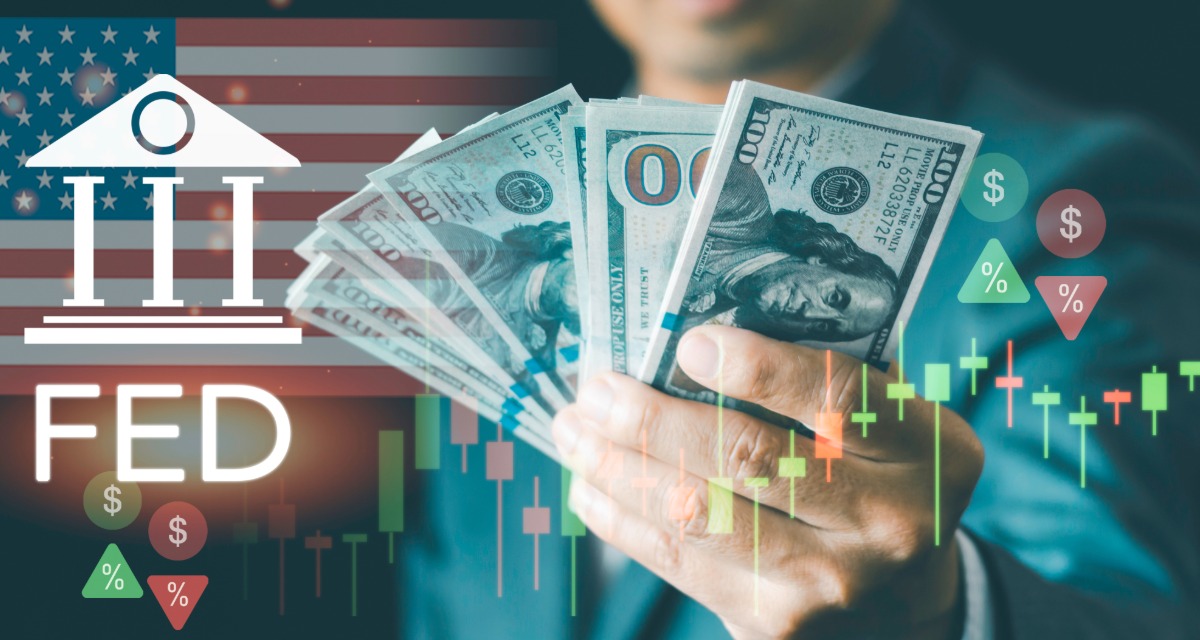
When the Federal Reserve decides to nudge interest rates higher, it's a signal that can make people scratch their heads. Suddenly, that money sitting in your regular savings account might not be working as hard as you'd hoped. In these times, when the Fed raises its key interest rate, the smartest move is to put your money into high-yield savings accounts (HYSAs) or short-term Treasury Bills (T-Bills). This way, your cash can earn a good return that keeps up with, or even beats, inflation.
Fed Rate Hike: Where to Park Your Money for Safe, High Returns
It’s been a bit of a wild ride for savers lately. For a long time, if you just parked your money in a savings account, it was like watching your purchasing power slowly slip away. With inflation ticking up, a measly 0.01% interest rate on your savings meant you were actually losing money each day. But things are changing, and I’m excited about this!
The Federal Reserve has been holding its main interest rate pretty high, somewhere around 3.75% to 4.00%. Some folks even think rates might go up more because of things like energy costs. This means cash, which used to be kind of a drag, is now a valuable asset. For the first time in ages, people like us have a real chance to make our money work harder for us. The trick is knowing exactly where to put your cash to get a good, safe return that outsmarts inflation.
The Income Awakening: Savers Get Their Power Back
For more than a decade, people who just saved their money were pretty much penalized with interest rates that were practically zero. But this current environment of higher rates flips the script. When the Fed keeps rates high or even bumps them up, banks and other financial places have to fight harder to get your deposits. This is great news for us! Now, you can easily find places offering 4.00% to 5.00% annual percentage yield (APY). This means you can actually make a real return on your money – that's your interest earned minus the inflation rate.
Before you go running to open a new account, it’s important to have a plan. I always tell people, don't take big risks with money you can't afford to lose. If you're drowning in high-interest debt, or if you don't have an emergency fund saved up, tackle those first. Once your financial house is in order, then you can focus on getting the best possible return for your cash, thinking about when you'll need to access it.
HYSAs vs. T-Bills: Quick Access or Locked-In Earnings?
Right now, there are two main champions for keeping your cash safe and earning well: High-Yield Savings Accounts (HYSAs) and Short-Duration Treasury Bills (T-Bills). Both of them are great at beating inflation, but they serve different purposes for your money.
| Feature | High-Yield Savings Accounts (HYSAs) | Short-Duration Treasury Bills (T-Bills) |
|---|---|---|
| Current Yields | Around 4.00% – 4.50% APY | Up to around 4.80% APY |
| Rate Type | Goes up or down with the Fed's rates | Stays the same for the whole bill period |
| Liquidity | Easy to get your money anytime | You have to wait until the bill matures |
| Tax Stuff | You pay taxes on the interest | You pay federal taxes, but not state or local |
| Safety | Insured by the government up to $250,000 | Backed by the U.S. government |
Why choose a HYSA?
If you think interest rates might go up even more, HYSAs are your best bet. Because their rates can change, online banks usually raise their APYs quickly after the Fed makes a move. This gives you lots of flexibility and instant access to your money, which is super important for an emergency fund. I personally like having easy access to my emergency cash.
Why choose T-Bills?
If you're looking for the absolute highest safe return, T-Bills are the way to go. They're especially good if you live in a state with high taxes, because you don't have to pay state taxes on the interest you earn. This can add up to significant savings.
The Short-Duration Play: Why Avoid Long-Term Bonds?
Here's something important I've learned: when interest rates climb, the value of older bonds usually drops. This can be a nasty surprise for people who buy long-term bonds thinking they're a “safe” place for their money. If you buy a bond that won't mature for 10 or even 30 years, and the Fed keeps raising rates, the market value of your bond can plummet. If you need to sell it before it matures, you could lose a lot of money.
That’s why the smart money is focusing on short-duration investments. This means things that mature quickly, like T-Bills that last only a few months.
- Less Risk with Rates: Things like 1-month to 6-month T-Bills or very short-term bond funds don't get hit as hard by interest rate changes because they'll be paid back soon.
- Reinvesting Power: When your short-term T-bills mature every few weeks, you can immediately reinvest that money into new bills that are paying even higher rates if the Fed keeps hiking. It's like a constant opportunity to get a better return.
- No Market Worries: You completely avoid the ups and downs of the big bond market. Your original money stays safe and sound.
My Step-by-Step Plan for Your Money
So, what should you actually do?
- Figure out your essential costs: Keep enough money in a highly accessible HYSA to cover your living expenses for about 3 to 6 months. This is your safety net for unexpected events.
- Put your extra cash to work: For money you won't need for the next 3 to 12 months, consider creating a T-Bill ladder. This means buying T-Bills that mature at different times (like one every 4 weeks and another every 8 weeks). This way, you'll always have some cash becoming available, and you can reinvest it at potentially higher rates.
- Say goodbye to low-yield accounts: Move any money just sitting around in regular checking or savings accounts at traditional banks to these higher-earning options. Those old accounts just aren't cutting it anymore.
It’s a great time to be a saver! By understanding where to keep your money during these Fed rate hikes, you can make sure your hard-earned cash is not just safe, but also growing.
The Fed’s rate decisions can create market volatility, but turnkey rentals continue to deliver reliable cash flow and appreciation. Investors in 2026 are focusing on real estate as a hedge against uncertainty.
Norada Real Estate helps you secure turnkey properties designed for immediate income and long‑term growth—so your portfolio stays strong regardless of Fed policy shifts.
Want to Know More?
Explore these related articles for even more insights:
- How Fed Rate Hikes Affect Your Wallet, Credit Cards, and Loans
- Goldman Sachs and J.P. Morgan Warn of an Imminent Fed Rate Hike This Week
- Fed Interest Rate Decision July 29, 2026: Rates Steady at 3.50-3.75%
- Interest Rate Predictions for the Next 5 Years: 2026-2030
- J.P. Morgan Predicts No Fed Rate Cuts Before 2027 as Inflation Persists
- Fed Interest Rate Predictions for the Next 3 Years: 2026-2028
- The Fed After Jerome Powell: Who Could Drive Rate Cuts in 2026?
- Why Your Loan Payment Isn’t Budging Despite Recent Fed Rate Cut
- How Does the Recent Fed Rate Cut Impact Your Personal Finances
- Fed Interest Rate Forecast for the Next 12 Months