Get ready, because the next two years, from 2026 to 2028, look like they’ll mean interest rates stay pretty much where they are now, maybe even go up a tiny bit before they start coming down slowly.
It’s like trying to guess the weather for next month – tricky, right? But we’ve got some really smart people, including the folks at the Federal Reserve (that’s the U.S. central bank), looking closely at all the numbers. They’ve got their fingers on the pulse of how our money is working, and their best guesses for the next couple of years are super important for all of us.
Interest Rate Predictions for the Next 2 Years: 2026-2028: What to Expect
What’s Happening Right Now?
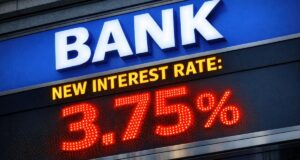
Right now, in late July 2026, the main interest rate the Fed controls is sitting pretty steady, somewhere between 3.50% and 3.75%. They decided at their last meeting to just keep it there. Why? Well, the economy is sending mixed signals, like a puzzle with a few pieces missing.
Inflation, that’s when prices go up, has calmed down a bit from its highest point, but it’s still higher than we’d like. Good news is, lots of people have jobs, and the economy is growing, just not at a super-fast speed. But then, there are big world events, especially with oil and gas, that can make things a bit rocky and unpredictable.
The Fed’s Crystal Ball: What They Think
The people at the Fed have a special report where they share their thoughts. It’s called the “dot plot” because they mark their predictions with dots. Here’s a peek at what they’re thinking for the end of each year:
| Year | Expected Interest Rate | Inflation (Overall) | Inflation (Without Food & Energy) | Economic Growth | Joblessness |
|---|---|---|---|---|---|
| 2026 | 3.8% | 3.6% | 3.3% | 2.2% | 4.3% |
| 2027 | 3.6% | 2.3% | 2.5% | 2.3% | 4.3% |
| 2028 | 3.4% | 2.0% | 2.1% | 2.2% | 4.2% |
See that? It suggests they might even raise rates just a little bit by the end of 2026. After that, they think they might start to slowly lower them through 2027 and 2028, but not by a whole lot. It's important to know that not everyone at the Fed agrees exactly, so there's a range of what they think might happen.
What Do the Markets Say?
The people who trade money a lot, like in futures markets, seem to think rates might go up a bit more and stay higher for longer than what the Fed’s main guess is. They’re putting their money on rates possibly climbing to around 4.1% by the middle of next year, and then staying pretty close to 4% for a while. This means they believe the Fed will try to keep things a bit “tight” to control prices.
How Does This Affect You and Me?
For Your Home: If you’re thinking about buying a house, mortgage rates are already a bit high, around 6.66%. If interest rates go up even a little more, those monthly payments could feel even bigger. For folks who already have a super low mortgage rate, they might not want to move, which means fewer houses for sale. By 2028, when rates might be lower, mortgage rates could be in the mid-to-high 5% range. That’s better, but not like the super-duper low rates we saw a few years ago.
For Your Savings: Right now, your savings accounts and certificates of deposit (CDs) are giving you some decent earnings, maybe around 4% or more. These will probably drop down slowly as interest rates decrease. But, rates for things like credit cards and car loans will likely stay high, which can make budgeting tricky for families.
For Businesses: Companies will still have to pay more to borrow money for big projects. This might make them think twice about expanding. Overall, though, the economy is expected to keep growing steadily, not crash, according to the most likely plan.
Could Things Be Different?
What if something unexpected happens?
- Prices keep going up fast: If oil prices shoot up again, or if people keep spending like crazy, the Fed might have to keep rates high or even raise them more.
- The economy slows down a lot: If more people lose their jobs or the world economy takes a nosedive, the Fed might have to lower interest rates faster than they think.
The biggest question marks are world events and how much the government spends.
The Big Picture
Here’s the main takeaway: we’re probably not going back to the super-low interest rates of the past anytime soon. The Fed wants to make sure prices stay stable while also keeping people employed. So, expect borrowing to cost more through 2027, with some relief coming in 2028.
What's the best thing you can do? Keep an eye on the news about prices and jobs. Also, think about planning your money now. If you need to borrow money, maybe lock in a rate if you can. And if you have savings, make sure they’re working hard for you!
What are your biggest questions about how interest rates might change over the next few years? Let us know in the comments below!
The Fed’s rate decisions can create market volatility, but turnkey rentals continue to deliver reliable cash flow and appreciation. Investors in 2026 are focusing on real estate as a hedge against uncertainty.
Norada Real Estate helps you secure turnkey properties designed for immediate income and long‑term growth—so your portfolio stays strong regardless of Fed policy shifts.
Want to Know More?
Explore these related articles for even more insights:
- Fed Interest Rate Decision July 29, 2026: Rates Steady at 3.50-3.75%
- Interest Rate Predictions for the Next 5 Years: 2026-2030
- J.P. Morgan Predicts No Fed Rate Cuts Before 2027 as Inflation Persists
- No Fed Rate Cut: Interest Rates Remain Unchanged in January 2026
- Fed Interest Rate Predictions for the Next 3 Years: 2026-2028
- The Fed After Jerome Powell: Who Could Drive Rate Cuts in 2026?
- Why Your Loan Payment Isn’t Budging Despite Recent Fed Rate Cut
- How Does the Recent Fed Rate Cut Impact Your Personal Finances
- How Will Today's Fed Rate Cut Impact Mortgage and Refinance Rates
- Fed Interest Rate Decision Today: Latest News and Predictions
- Fed Interest Rate Forecast for the Next 12 Months
- When is Fed's Next Meeting on Interest Rate Decision in 2025?
- Market Reactions: How Investors Should Prepare for Interest Rate Cut
- Impact of Interest Rate Cut on Mortgages, Car Loans, and Your Wallet