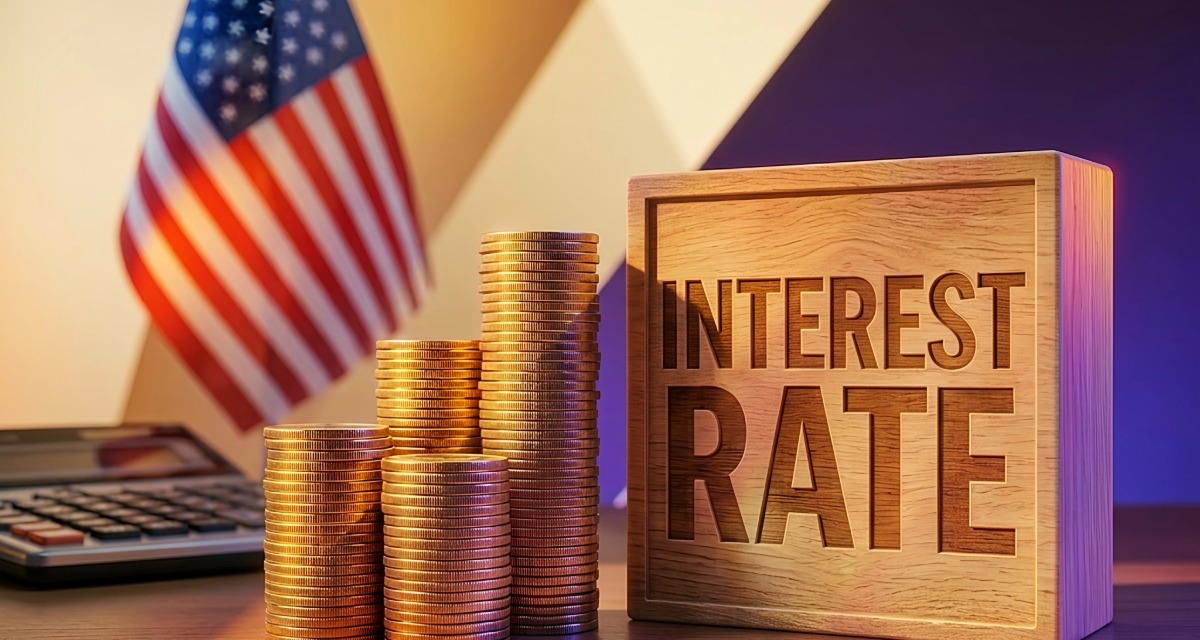
In a big speech at a super important meeting called the Jackson Hole Economic Policy Symposium, Fed Chair Kevin Warsh dropped a hint that the central bank might have to raise interest rates. This is a big deal because higher interest rates can change how much things cost and how easy it is to borrow money. He basically said that even though prices haven't been climbing as fast lately, they're still not where they need to be. The Fed has a goal of keeping prices steady, and if they don't see that happening soon, they'll have to take action.
Interest Rate Hike Signal from Fed Chair Kevin Warsh at Jackson Hole
Jackson Hole is kind of like a fancy summer camp for the world's top economists and central bankers. They get together every year in the beautiful mountains of Wyoming to talk about the economy and what might happen next. It’s a pretty big deal, and what’s said there can really make waves in the financial world. This year, everyone was listening super closely to Fed Chair Kevin Warsh.
Why the Talk About Raising Interest Rates?
The main reason the Fed even thinks about raising interest rates is to fight inflation. Inflation is when prices for things like food, gas, and toys go up over time. If prices go up too fast, it’s hard for people to afford things. The Fed has a goal to keep inflation at a nice, steady 2%.
Warsh’s message was pretty clear: the inflation fight isn't over yet. He looked at the numbers and said that even though things have cooled down a little bit, the real problems underneath haven't really gone away. He made it super clear that the Fed is serious about hitting that 2% inflation target. If inflation doesn't start heading that way fast enough, they’ve still got “work to do.”
What Happens When Interest Rates Go Up?
This is where things get interesting for all of us. When the Fed decides to raise interest rates, it’s like they’re telling banks to charge more money when you borrow.
- For Borrowing: If you want to buy a house or a car, loans will likely become more expensive. This means your monthly payments will be higher.
- For Saving: On the flip side, if you have money in a savings account, you might start earning a little more interest.
- For Businesses: Companies might find it more costly to borrow money to grow or invest, which could slow down how fast they create new jobs.
- For the Stock Market: Sometimes, when interest rates go up, the stock market can get a bit shaky. Companies that borrow a lot of money might struggle more.
The Market Reacts: What the Numbers Show
As soon as Warsh finished his speech, the people who trade money (investors) started making changes. You can see this in something called the CME FedWatch tool. Before his speech, not many people thought the Fed would raise rates in September. But after he spoke, the chance of a rate hike jumped from around 35% to over 55%! That’s a big jump!
Here’s how different parts of the financial world reacted:
- Bonds: Short-term government loans (like 2-year Treasury bonds) got more expensive for buyers, meaning their interest rates went up. This is because investors are expecting the Fed to raise rates soon. But, long-term government loans (like 30-year bonds) didn’t change as much, because investors seem to think the Fed will get inflation under control in the long run.
- U.S. Dollar: The U.S. dollar got stronger. This means it's worth more compared to other countries' money.
- Stocks: Stocks that are tied to things that need a lot of money to grow, like technology companies or companies that build things, might have a harder time. This is because borrowing money will cost them more.
My Two Cents: Why This Matters to You
As someone who's watched the economy for a while, this kind of talk from the Fed Chair is a big deal. It signals a change in direction. For a while, the Fed kept interest rates super low, making it cheap to borrow money. This helped the economy get back on its feet after tough times. But now, it seems like they’re worried that keeping rates too low for too long might be causing prices to climb too much.
Warsh’s approach is also interesting. He’s not giving a lot of clear directions about what they’ll do next. Instead, he’s saying the Fed will be watching the economy very closely and making decisions based on the latest numbers. This means investors and regular people like us need to pay attention to the news and understand how the economy is doing. It’s like they’re saying, “We’ll tell you what we’re doing when we do it, so watch the data!”
How to Prepare Your Own Money
So, what can you do with your own money? Don’t panic! But it’s smart to be aware.
- Savings: Make sure your emergency money is in a place where it earns good interest, like a high-yield savings account. When interest rates go up, these accounts usually pay more.
- Borrowing: If you have debts with interest rates that can change (like some credit cards), it might be a good idea to pay them down or see if you can lock in a fixed interest rate before rates go up further.
- Investments: If you have investments, it’s always a good idea to have them spread out across different things (like stocks, bonds, and maybe even real estate). This helps protect you if one area of the market has trouble. You might want to look at investments that do well when interest rates are going up.
What Comes Next?
We’ll have to wait and see what the Fed decides. But Fed Chair Warsh has definitely put everyone on notice. The idea of a potential interest rate hike at Jackson Hole is a sign that the Fed is serious about keeping prices stable, and that could mean some changes for how we all manage our money.
The Fed’s rate decisions can create market volatility, but turnkey rentals continue to deliver reliable cash flow and appreciation. Investors in 2026 are focusing on real estate as a hedge against uncertainty.
Norada Real Estate helps you secure turnkey properties designed for immediate income and long‑term growth—so your portfolio stays strong regardless of Fed policy shifts.
Want to Know More?
Explore these related articles for even more insights:
- Fed Interest Rate Decision July 29, 2026: Rates Steady at 3.50-3.75%
- Interest Rate Predictions for the Next 5 Years: 2026-2030
- J.P. Morgan Predicts No Fed Rate Cuts Before 2027 as Inflation Persists
- No Fed Rate Cut: Interest Rates Remain Unchanged in January 2026
- Fed Interest Rate Predictions for the Next 3 Years: 2026-2028
- The Fed After Jerome Powell: Who Could Drive Rate Cuts in 2026?
- Why Your Loan Payment Isn’t Budging Despite Recent Fed Rate Cut
- How Does the Recent Fed Rate Cut Impact Your Personal Finances
- How Will Today's Fed Rate Cut Impact Mortgage and Refinance Rates
- Fed Interest Rate Decision Today: Latest News and Predictions
- Fed Interest Rate Forecast for the Next 12 Months
- When is Fed's Next Meeting on Interest Rate Decision in 2025?
- Market Reactions: How Investors Should Prepare for Interest Rate Cut
- Impact of Interest Rate Cut on Mortgages, Car Loans, and Your Wallet