It's looking more and more like the Federal Reserve will be nudging interest rates up, not down, by the end of 2026. This is a big change from what many of us thought would happen! For a long time, the talk was all about the Fed possibly lowering interest rates. That's what investors were expecting. But the economy has a funny way of surprising us, and it seems like some stubborn price increases, what we call inflation, are making the Fed reconsider.
So, what does this mean for you and me? It means borrowing money for things like houses or cars could become more expensive. It also means that saving money might earn you a bit more interest. It's like the Fed is playing a game of chess with the economy, and they're about to make a move that could change the whole board.
Federal Reserve is Highly Anticipated to Raise Interest Rates in Late 2026
What's Going On with Interest Rates Right Now?
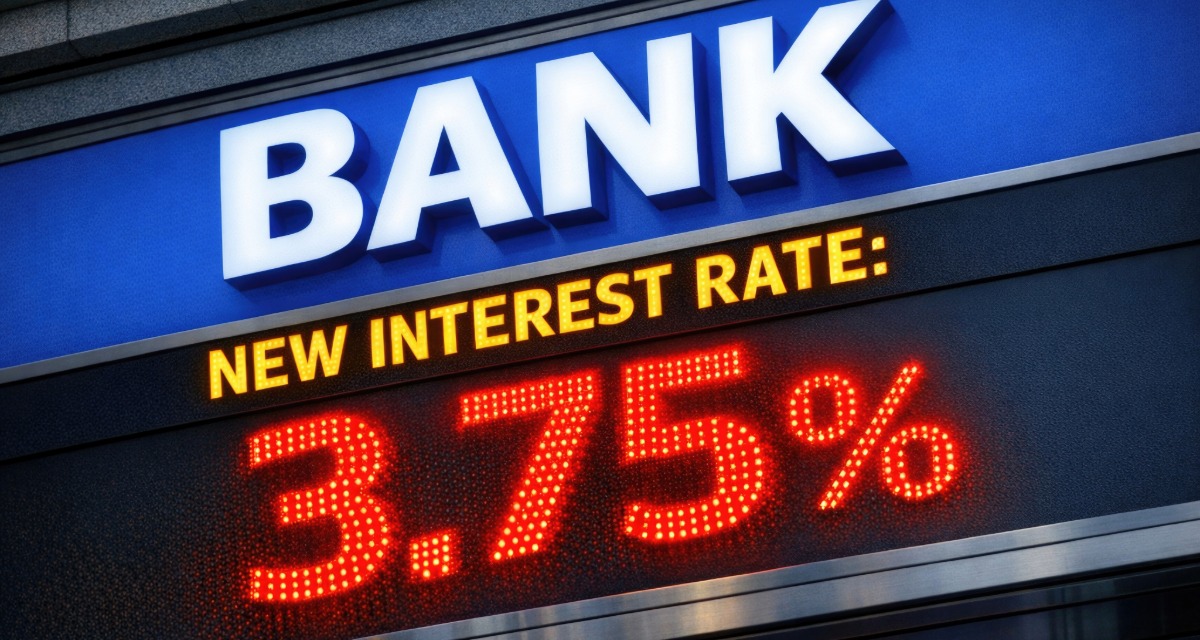
Right now, the main interest rate the Fed controls, called the federal funds rate, is sitting pretty steady. It's been hovering between 3.50% and 3.75% for a while. Think of it like a thermostat for the economy – the Fed sets it to keep things from getting too hot or too cold. Currently, it's set to “comfortable.”
But the feeling in the financial world, where people who invest and manage money make their bets, is starting to change. They're now looking at the calendar and saying, “Hey, there's a pretty good chance the Fed will raise rates by a little bit, maybe a quarter of a percent, by the fall.” And by December 2026, a lot of people think it's almost a sure thing, with odds climbing to around 70%.
Why the Change of Heart at the Fed?
This isn't just a random guess. There are some pretty clear reasons why the Fed is starting to think about turning up the heat on interest rates:
- Stubborn Inflation: Even though the Fed wants prices to stay pretty stable, generally aiming for a 2% inflation rate, we've seen prices for everyday things just not come down as much as they'd hoped. Right now, the kind of inflation that matters most to the Fed, called core PCE inflation, is hanging around 3.3%. That's still quite a bit higher than their target. It's like trying to cool down a room, but the heater keeps sneaking back on.
- New Economic Surprises: Things like new taxes on imported goods and tensions between countries around the world are making prices go up in sneaky ways. These things can make it harder for the Fed to get inflation under control.
- The “Warsh” Effect: A key person at the Fed, the new Chair named Kevin Warsh, gave a big speech recently. He made it very clear that the Fed isn't afraid to make borrowing more expensive if prices keep going up too fast. He basically said, “We'll do what we have to do to keep inflation in check.” This was a pretty strong signal to everyone paying attention.
What the Fed Officials Are Saying
It's not just Chair Warsh. We've seen some other important people at the Fed, like some of the regional Fed presidents, start to signal that they think it's time to be more serious about raising rates. At a recent meeting, three of them actually voted to raise rates, even though the majority wanted to keep them the same. This shows there's a growing group inside the Fed who are worried about inflation and want to act.
How Markets See It
You can actually see what the people who trade money think will happen by looking at tools like the CME FedWatch Tool. Right now, it looks like a 50/50 chance that the Fed will raise rates by a quarter of a percent at their next meeting in September. But by December 2026, it's almost a done deal in their minds.
Why Does This Matter to You?
When the Fed raises interest rates, it's like sending a ripple through the whole economy:
- Borrowing Gets Pricier: If you're thinking about taking out a loan for a new car, a house, or even using a credit card, you might see the interest you have to pay go up. This can make big purchases feel a lot more expensive.
- Saving Becomes More Rewarding: On the flip side, if you have money in a savings account or other investments, you might start to earn more interest. This is good news for people who are trying to save up for something or for retirement.
- Businesses Might Slow Down: When it costs more for businesses to borrow money, they might think twice before expanding or hiring new people. This can sometimes lead to a slower economy.
My Take on All of This
From where I stand, this shift from expecting rate cuts to expecting rate hikes is a really important sign that the economy isn't behaving exactly as we predicted. I think Chair Warsh's approach of not giving too many hints about what the Fed will do next is making things a bit more uncertain, but it also forces everyone to really pay attention to the actual economic numbers.
The fact that inflation is proving to be so sticky is the main driver here. We've heard promises about it coming down for a while, but it's like a stubborn weed that keeps popping back up. The Fed has a tough job: they need to bring down inflation without causing a big economic slowdown, which is often called a recession. It's a delicate balancing act.
I believe that the Fed's decision to potentially raise rates in late 2026 is a sign that they are serious about their job to keep prices stable. They're not going to let inflation get out of control. While it might make things a bit more expensive in the short term, in the long run, it's probably the right move for a healthy economy. We'll just have to keep our eyes on the numbers and see how things play out.
The Fed’s rate decisions can create market volatility, but turnkey rentals continue to deliver reliable cash flow and appreciation. Investors in 2026 are focusing on real estate as a hedge against uncertainty.
Norada Real Estate helps you secure turnkey properties designed for immediate income and long‑term growth—so your portfolio stays strong regardless of Fed policy shifts.
Want to Know More?
Explore these related articles for even more insights:
- Fed Interest Rate Decision July 29, 2026: Rates Steady at 3.50-3.75%
- Interest Rate Predictions for the Next 5 Years: 2026-2030
- J.P. Morgan Predicts No Fed Rate Cuts Before 2027 as Inflation Persists
- No Fed Rate Cut: Interest Rates Remain Unchanged in January 2026
- Fed Interest Rate Predictions for the Next 3 Years: 2026-2028
- The Fed After Jerome Powell: Who Could Drive Rate Cuts in 2026?
- Why Your Loan Payment Isn’t Budging Despite Recent Fed Rate Cut
- How Does the Recent Fed Rate Cut Impact Your Personal Finances
- How Will Today's Fed Rate Cut Impact Mortgage and Refinance Rates
- Fed Interest Rate Decision Today: Latest News and Predictions
- Fed Interest Rate Forecast for the Next 12 Months
- When is Fed's Next Meeting on Interest Rate Decision in 2025?
- Market Reactions: How Investors Should Prepare for Interest Rate Cut
- Impact of Interest Rate Cut on Mortgages, Car Loans, and Your Wallet