Today's mortgage rates, August 22, 2026, are turning volatile heading into the weekend: the 5/1 ARM jumped a sharp 49 basis points to 6.74%, the biggest single-day move in weeks, while the 30-year fixed rose to 6.64% — putting rates at their highest level in about a year. The 15-year fixed bucked the trend with a slight dip to 5.88%. A nervous bond market, rising oil prices tied to Middle East tensions, and a Fed in no rush to cut rates are all keeping pressure on mortgage costs. Here's the full breakdown and what it means if you're buying or refinancing.
Today's Mortgage Rates, August 22: Rates Turn Volatile as 5/1 ARM Rises by Basis 49 Points
What Are Today's Mortgage Rates Like?
Let's get right to it. Here's a snapshot of what mortgage rates look like today, Saturday, August 22nd, 2026, based on the latest information from Zillow:
| Loan Type | Current Rate |
|---|---|
| 30-year fixed | 6.64% |
| 20-year fixed | 6.37% |
| 15-year fixed | 5.88% |
| 5/1 ARM | 6.74% |
| 7/1 ARM | 6.30% |
| 30-year VA | 6.14% |
| 15-year VA | 5.59% |
| 5/1 VA | 5.84% |
As you can see, not every loan type is behaving the same. While the 30-year fixed rate nudged up, the 15-year fixed rate actually saw a slight dip. But the real surprise is the 5/1 Adjustable-Rate Mortgage (ARM), which shot up by a notable 49 basis points.
Why Are Rates Doing This Dance?
It's easy to get lost in the numbers, but what’s really causing these mortgage rates to be so jumpy? Think of it like a big puzzle with many pieces. A nervous bond market is a huge driver here. Mortgage rates tend to follow what the 10-year U.S. Treasury yield is doing. Right now, that yield has been doing a bit of a seesaw, hovering around the 4.69% mark.
But it’s not just the Treasury market. Several other big things are at play:
- Geopolitical Energy Shocks & Inflation Fears: You’ve probably heard about what’s happening in the Middle East. When there are conflicts there, oil prices tend to go up. Lenders see this and worry that higher energy costs will make everyday prices (like gas and groceries) stay higher for longer. This is called inflation, and if it’s higher than the Federal Reserve wants (they aim for around 2%), it means lenders might charge more for mortgages to make up for the fact that money will be worth less in the future.
- Bond Market Volatility and Government Actions: The U.S. government is trying to keep the bond market steady. The Treasury Secretary has been buying back bonds to try and help. This is supposed to make borrowing money a bit cheaper. However, there are still concerns about how much money the government owes (the federal deficit). This big debt can keep a “floor” under bond yields, meaning they don't fall too much, which in turn keeps mortgage rates from dropping significantly.
- The Federal Reserve's Waiting Game: The Federal Reserve, led by Chairman Kevin Warsh, has kept its main interest rate steady. They’re not lowering it right now because the economy is showing mixed signals. This means borrowing money for everything, including mortgages, won't get cheaper anytime soon. In fact, some people at the Fed are even talking about the possibility of raising interest rates later this winter, which would likely push mortgage rates even higher.
Short-Term Trends: Jumpy and Staying Put
Right now, the trend for mortgage rates is best described as turbulent and range-bound. This means rates are bouncing around a lot, but they’re not really going too far in either direction. They’re kind of stuck in this middle-to-high 6% area, which is the highest they’ve been in about a year.
Back in late July, the 30-year fixed rate even went over 6.80% for a bit. It has pulled back a little since then, but it’s still very sensitive to any news. This is why we’re seeing those big daily swings, like the 14 basis point jump in the 30-year fixed rate and the massive 49 basis point leap in the 5/1 ARM we saw at the end of the week.
Many smart people who study the housing market, like those at Fannie Mae and the Mortgage Bankers Association, believe that rates will likely stay in this general range, between the mid-6% and high-6% corridor, for the rest of the year. This is important information if you’re planning to buy a home later this year.
What Does This Mean for You as a Homebuyer?
Seeing mortgage rates go up and down can feel like a frustrating game. If you were hoping for lower rates to make buying a home more affordable, these recent movements might be disappointing. However, there are still ways to navigate this market.
Here are a few things to consider:
- Understand Your Budget: Before you even start looking at houses, know exactly how much you can comfortably afford each month. This includes not just the mortgage payment, but also property taxes, homeowner’s insurance, and potential HOA fees.
- Shop Around: Don't just go with the first lender you talk to. Different lenders can offer different rates and fees. Comparing offers from multiple banks, credit unions, and mortgage brokers is crucial. This is especially true when rates are volatile, as one lender might have a better offer than another on any given day.
- Consider Different Loan Types: While the 30-year fixed mortgage is the most popular, it might not be the best fit for everyone, especially with the current rate environment. An ARM might offer a lower initial rate, but you need to be comfortable with the possibility of your payment increasing later. A 15-year fixed mortgage will have a higher monthly payment but you’ll pay less interest over the life of the loan and own your home faster.
- Talk to a Mortgage Professional: A good loan officer or mortgage broker can be an invaluable resource. They can explain the different loan options, help you understand the impact of today's mortgage rates, August 22nd, and guide you toward the best decision for your personal financial situation. They can also help you understand how points can affect your rate.
- Be Prepared for Fluctuations: If you’re actively looking to buy, understand that rates can change between when you get pre-approved and when you actually lock in your rate. Having a little wiggle room in your budget can be a lifesaver.
My Two Cents on Today's Mortgage Rates
From my perspective, the current market is a prime example of how interconnected everything is. The ripples from global events are directly impacting something as personal as your ability to buy a home. It’s a tough environment because certainty is low. Buyers are likely feeling a bit hesitant, and rightly so. When rates are this unpredictable, it makes it hard to get a clear picture of long-term affordability.
I’ve seen periods like this before, and my advice is always to stay informed but also to focus on what you can control. That means solidifying your finances, understanding your borrowing power, and being patient. Don't rush into a decision just because you think rates will skyrocket tomorrow. Instead, work with professionals who can help you make the best move for your situation, no matter what the headlines say.
Looking Ahead: What Experts Predict
The general consensus from housing experts is that we’re likely to stay in this “higher-for-longer” rate environment for a while. This means that for the rest of 2026, you should probably expect mortgage rates to stick around these mid-to-high 6% levels. It's not the time to hope for rates to drop back down into the 3s or 4s anytime soon. This information is crucial for anyone planning a home purchase or refinance in the coming months.
VS
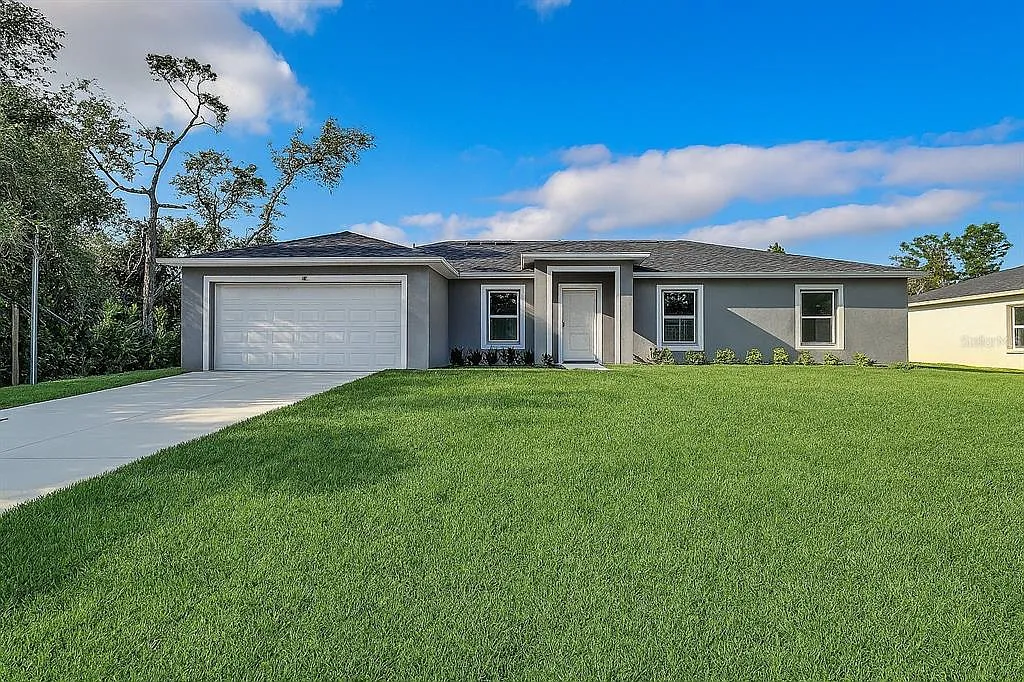
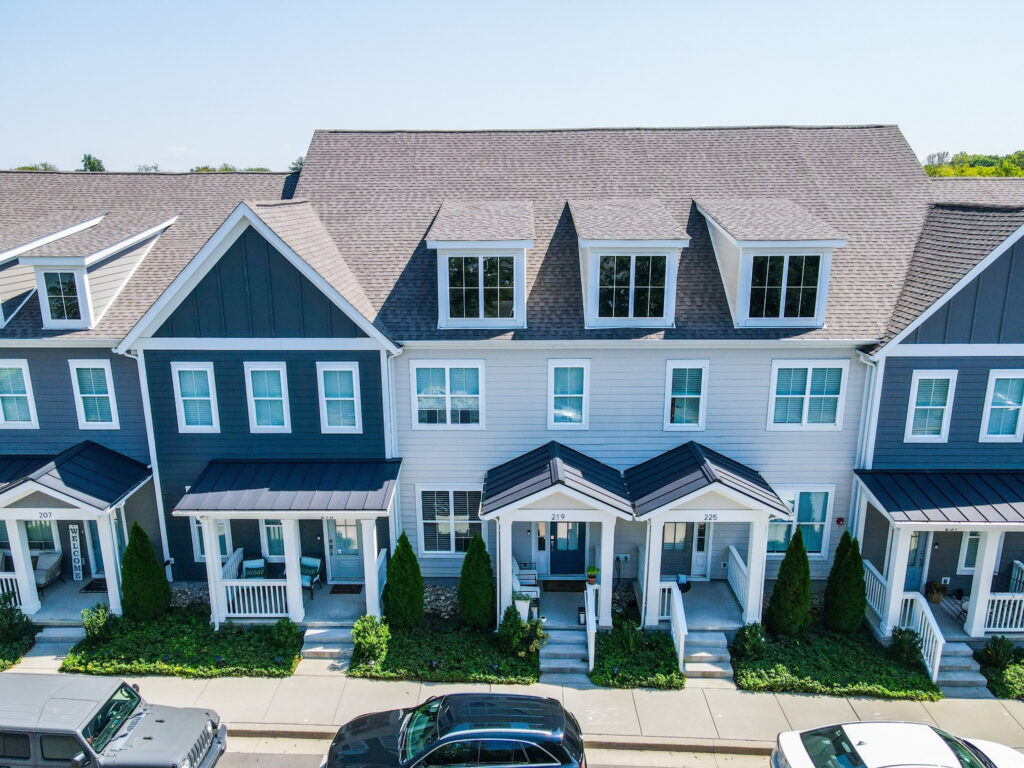
Out‑of‑State investors can compare Tennessee’s newer rental with higher NOI vs Florida’s A+ property with strong yield. Which fits YOUR investment strategy?
We have much more inventory available than what you see on our website – Let us know about your requirement.
📈 Choose Your Winner & Contact Us Today!
Speak to a Norada Investment Counselor (No Obligation):
(800) 611-3060
Mortgage rates remain high in 2026, but rental properties continue to deliver strong cash flow and appreciation. Savvy investors know that turnkey real estate is the path to passive income and long‑term wealth.
Norada Real Estate helps you secure turnkey rental properties designed for immediate cash flow and appreciation—so you can invest smartly regardless of interest rate trends.
Also Read:
- Mortgage Rates Predictions Backed by 7 Leading Experts: 2025–2026
- Mortgage Rate Predictions for the Next 3 Years: 2026, 2027, 2028
- 30-Year Fixed Mortgage Rate Forecast for the Next 5 Years
- 15-Year Fixed Mortgage Rate Predictions for Next 5 Years: 2025-2029
- Will Mortgage Rates Ever Be 3% Again in the Future?
- Mortgage Rates Predictions for Next 2 Years
- Mortgage Rate Predictions for Next 5 Years
- Mortgage Rate Predictions: Why 2% and 3% Rates are Out of Reach
- How Lower Mortgage Rates Can Save You Thousands?
- How to Get a Low Mortgage Interest Rate?
- Will Mortgage Rates Ever Be 4% Again?