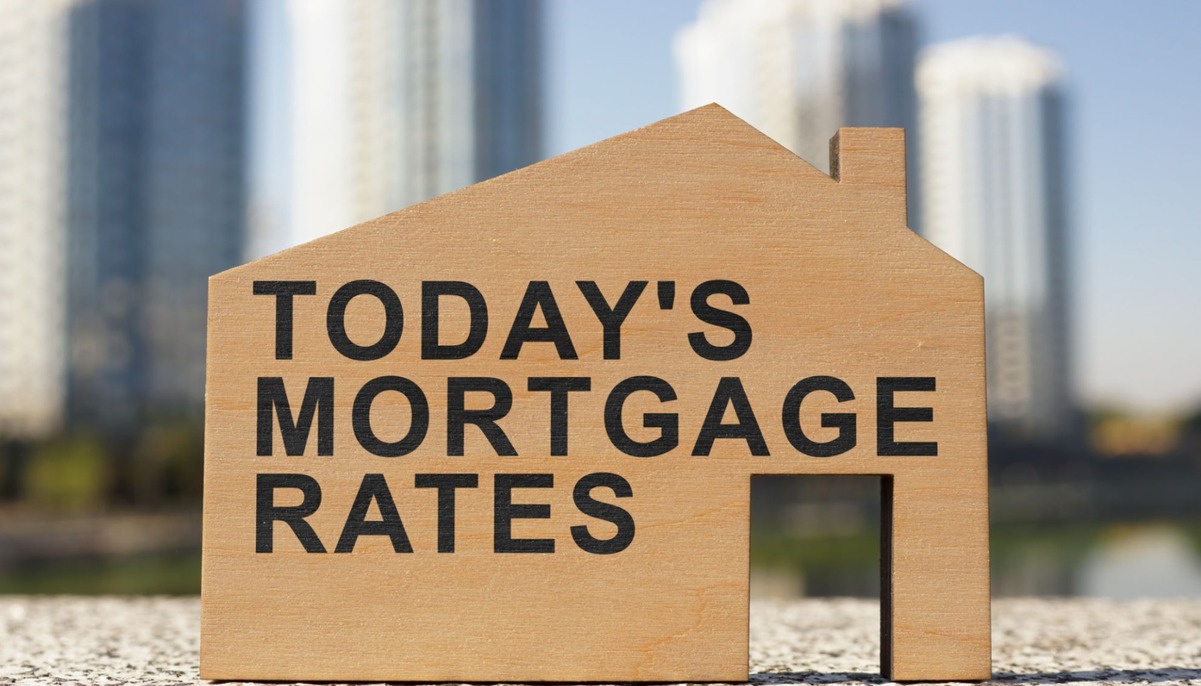
Today's mortgage rates, August 21, 2026, are dropping to their lowest point in about a week: the 30-year fixed fell to 6.50%, continuing a gentle slide from the highs seen earlier this month. The 15-year fixed ticked up slightly to 6.00%, while the 5/1 ARM saw a bigger drop. Stubborn inflation, global conflicts pushing up oil prices, and a heavily indebted government are all keeping rates elevated even as the Treasury tries to calm markets with bond buybacks. Here's the full breakdown and what it means for buyers and refinancers.
Today's Mortgage Rates, August 21: 30-Year Rate Drops to 6.50%, Lowest in a Week
What's Happening with Today's Mortgage Rates?
Let's look at the numbers that Zillow shared for today, August 21, 2026:
| Loan Type | Today's Rate |
|---|---|
| 30-year fixed | 6.50% |
| 20-year fixed | 6.27% |
| 15-year fixed | 6.00% |
| 5/1 ARM | 6.25% |
| 7/1 ARM | 6.12% |
| 30-year VA | 6.50% |
| 15-year VA | 5.43% |
| 5/1 VA | 5.71% |
(Note: “Basis points” are just small percentage points. 100 basis points equal 1%.)
You can see that the most common loan, the 30-year fixed, actually went down a tiny bit. But the 15-year fixed went up. The adjustable-rate mortgage (ARM), the 5/1, saw a bigger drop. It’s a bit of a mixed bag, showing how much things can change even from day to day.
Why Are Rates Still This High?
This is the big question, right? Why aren't rates coming down more to make buying a home easier? It's a mix of big economic forces.
- The Bond Market Wobbles:
Mortgage rates are like a cousin to what the government pays when it borrows money through bonds. When people get nervous about the economy or inflation, they tend to sell bonds, which makes the government pay more to borrow. This pushes mortgage rates up.Even though Treasury Secretary Scott Bessent tried to help by having the government buy back some of its own bonds (like giving the bond market a little helping hand), it only gave us a short break. The real problems underneath are still there. - Inflation is Stubborn:
Inflation is like the price of everything going up. When prices are going up fast, the money you get back later is worth less. So, people who lend money want to be paid more to make up for that. The government's goal is to keep inflation low, but right now, it's higher than they want. This makes lenders charge more for mortgages. - World Events Cause Trouble:
What happens in other parts of the world can really affect us here. The ongoing conflicts involving the U.S. and other countries have made oil prices jump. When oil is expensive, it costs more to make and move things, which makes prices go up for almost everything else too. This makes it harder for the Federal Reserve (the folks who try to control the economy) to bring down borrowing costs. - The Big Government Debt:
The U.S. government has a lot of debt – over $40 trillion right now. Paying the interest on that debt is costing a huge amount of money. Plus, big companies are borrowing a lot of money too, to build things like AI technology. When there's a lot of borrowing happening (both from the government and big companies), lenders can ask for higher interest rates because there's so much demand for their money.
My Thoughts on What This Means for You
As someone who watches the housing market, I see these rates as a sign that things aren't going back to super-low borrowing costs anytime soon. The Federal Reserve is keeping its main interest rate high to fight inflation. Because of this, experts like those at Fannie Mae and the Mortgage Bankers Association think we'll likely see 30-year mortgage rates stay between 6.5% and 6.8% for the rest of 2026.
This means if you're looking to buy a home, you'll need to be prepared for higher monthly payments than you might have seen a couple of years ago. It doesn't mean you can't buy, but it does mean being smart about your budget is more important than ever.
- For Buyers: Think about how much house you can really afford with these rates. Maybe a smaller home or a home in a slightly different area could be a great option. Also, exploring different loan types, like a 15-year fixed if you can manage the higher monthly payment, could save you a lot of money on interest over time.
- For Refinancers: If you have an older, higher-rate mortgage, even a rate around 6.50% might be an improvement if your current rate is much higher. However, if your rate is already pretty good, refinancing now might not save you enough to make it worth the costs.
What Can You Do?
- Shop Around: Don't just go with the first lender you talk to. Rates can vary a bit between banks and mortgage companies.
- Improve Your Credit Score: A higher credit score usually means you can get a better interest rate.
- Consider an ARM (Carefully): An Adjustable-Rate Mortgage (ARM) might have a lower starting rate. The 5/1 ARM is at 6.25% today. However, remember that the rate can go up after the first few years. This can be a good option if you plan to sell or refinance before the rate adjusts, but it comes with a risk.
- Talk to a Pro: A good mortgage broker or loan officer can help you understand all your options and find the best fit for your situation.
The housing market is always changing, and staying informed is key. I hope this breakdown helps you feel more confident about today's mortgage rates!
VS
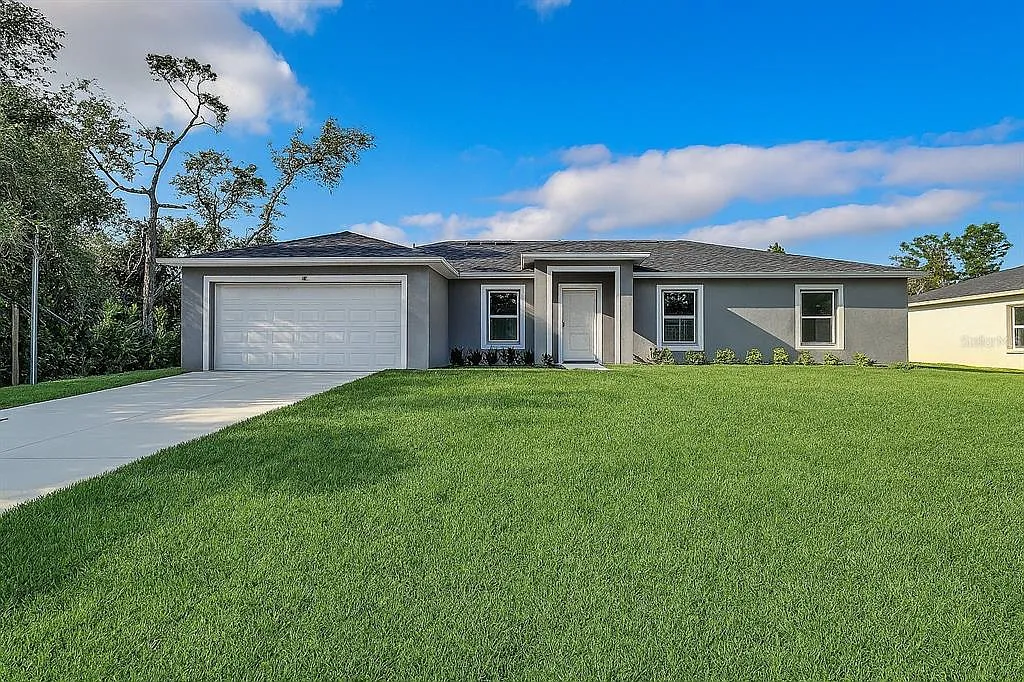
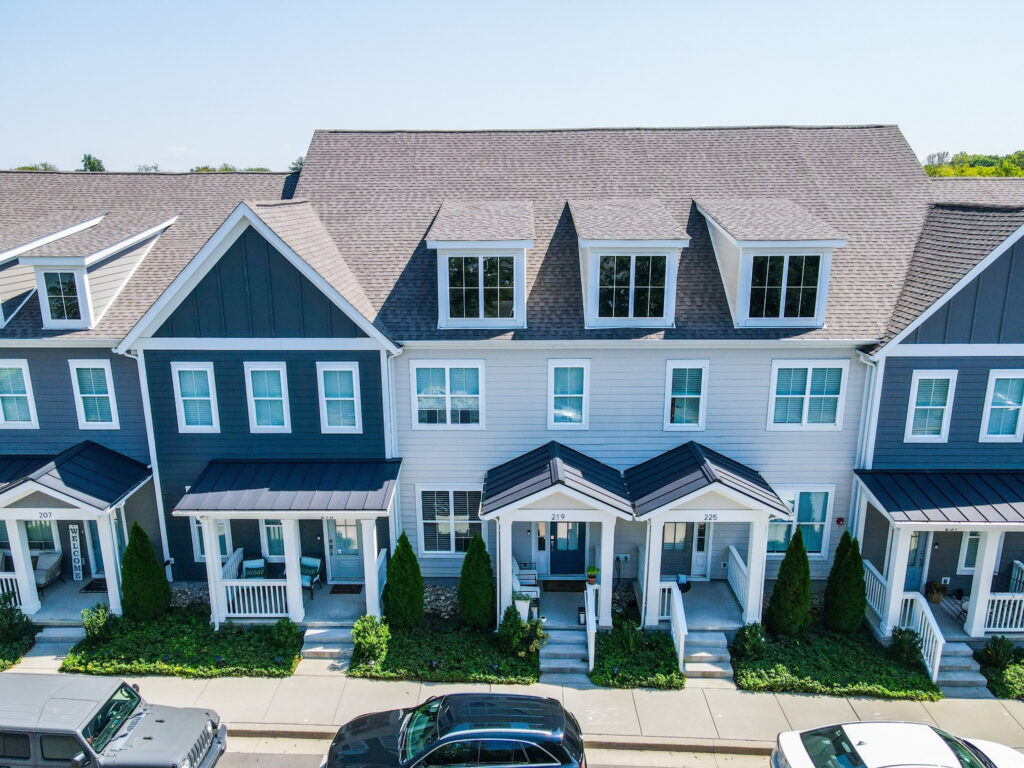
Out‑of‑State investors can compare Tennessee’s newer rental with higher NOI vs Florida’s A+ property with strong yield. Which fits YOUR investment strategy?
We have much more inventory available than what you see on our website – Let us know about your requirement.
📈 Choose Your Winner & Contact Us Today!
Speak to a Norada Investment Counselor (No Obligation):
(800) 611-3060
Mortgage rates remain high in 2026, but rental properties continue to deliver strong cash flow and appreciation. Savvy investors know that turnkey real estate is the path to passive income and long‑term wealth.
Norada Real Estate helps you secure turnkey rental properties designed for immediate cash flow and appreciation—so you can invest smartly regardless of interest rate trends.
Also Read:
- Mortgage Rates Predictions Backed by 7 Leading Experts: 2025–2026
- Mortgage Rate Predictions for the Next 3 Years: 2026, 2027, 2028
- 30-Year Fixed Mortgage Rate Forecast for the Next 5 Years
- 15-Year Fixed Mortgage Rate Predictions for Next 5 Years: 2025-2029
- Will Mortgage Rates Ever Be 3% Again in the Future?
- Mortgage Rates Predictions for Next 2 Years
- Mortgage Rate Predictions for Next 5 Years
- Mortgage Rate Predictions: Why 2% and 3% Rates are Out of Reach
- How Lower Mortgage Rates Can Save You Thousands?
- How to Get a Low Mortgage Interest Rate?
- Will Mortgage Rates Ever Be 4% Again?