Today, August 21, 2026, we're seeing a welcome drop in the average rate for a 30-year fixed refinance. It's now sitting at 6.86%, which is a sweet 16 basis points lower than last week's average. This little dip might be just the nudge some of you need to explore saving some money on your home loan. Let's dive into what this means for you and what else is happening in the world of mortgage rates today.
Mortgage Rates Today, August 21, 2026: 30-Year Refinance Rate Drops by 16 Basis Points
What's Happening with Mortgage Rates Right Now?
The main headline today is that the national 30-year fixed refinance rate has fallen. According to data gathered by Zillow, this popular loan type is now averaging 6.86%. This is a noticeable decrease from the previous week's average of 7.02%.
But it's not just the 30-year that's making waves. Here's a quick look at some other key refinance rates:
| Loan Type | Average Rate (August 21, 2026) | Change from Previous Week |
|---|---|---|
| 30-Year Fixed Refinance Rate | 6.86% | -16 basis points |
| 15-Year Fixed Refinance Rate | 6.04% | +2 basis points |
| 5-Year ARM Refinance Rate | 6.50% | No significant change |
It's interesting to see that while the 30-year is going down, the 15-year fixed refinance rate has inched up slightly. This is common – sometimes different loan types react differently to market forces. The 5-year Adjustable Rate Mortgage (ARM) is holding steady for now.
When we look at the broader picture, national average rates for 30-year fixed refinances are generally hovering between 6.50% and 6.88%, depending on which lender network you check. The baseline rate for the week is sitting at 6.65%. While these numbers might still feel a bit higher than we've seen in the past year or so, the fact that they've seen a small decline over the last couple of weeks offers a moment of calm for homeowners who are thinking about refinancing.
The Summer's Rate Rollercoaster
If you've been following mortgage rates this summer, you know it's been a bit of a ride. Rates really seemed to jump up towards the end of July, reaching a peak for 2026. Before that, in June, we were seeing averages closer to the 6.50% mark.
Compared to this time last year, the current 30-year benchmark rate is a little higher. Last year, it was around 6.58%. This difference, combined with the general rate environment, has led to a bit of a slowdown in people wanting to refinance. We're seeing about an 18% drop in refinance consumer demand compared to this time last year.
Why Are Rates Moving Like This? The Big Picture Stuff
It’s never just one thing that makes mortgage rates go up or down. It’s a mix of big economic news, global events, and what the people in charge of our money are doing.
- Geopolitical Flares & Energy Costs: Earlier this summer, there were some renewed conflicts involving the U.S. and Iran. When that kind of thing happens, oil and energy prices often go up around the world. This made people worry about inflation creeping back up, which pushed bond yields higher, and in turn, pushed mortgage rates up to their summer highs.
- Treasury Bond Buybacks: This is a really important one for today's news. Our Treasury Secretary, Scott Bessent, announced he wants to “at least double” the government's buying of long-term bonds. When the government buys a lot of bonds, it makes those bonds more valuable and their yields go down. Since mortgage rates often follow the yields on long-term Treasury bonds, this move has acted like a brake, helping to pull mortgage rates down this week. It's like giving the market a little bit of relief.
- A Hesitant Federal Reserve: The Federal Reserve, which is in charge of setting the main interest rate in our country, recently decided to keep their benchmark federal funds rate steady. It's currently between 3.5% and 3.75%. However, it wasn't a unanimous decision. Three people on the Fed's committee actually wanted to raise rates. This disagreement shows that there's still some concern about prices going up too fast (inflation), and that can make the bond market a bit jumpy.
What Should You Be Watching For if You're Thinking of Refinancing?
If you bought your home in the last couple of years, especially between 2022 and 2025 when home prices were at their highest, you might be in a really good spot to save money by refinancing. Here are some key things I always tell people to keep in mind:
- The Break-Even Timeline: Refinancing isn't free. There are costs involved, like lender fees and discount points. Right now, the average cost to refinance is around $5,157. You need to figure out how much money you'll save each month and then calculate how long it will take for those savings to “pay back” the costs of refinancing. If you plan to move or refinance again before you reach that break-even point, it might not be worth it.
- Lender Margin Compression: Because not as many people are refinancing as they used to, lenders are really trying hard to get your business. This intense competition means they might be willing to lower their profit margins. This is great news for you because it means you might be able to negotiate better rates or lower fees.
- The “Shop Around” Superpower: This is something I can't stress enough. I've seen people pay a lot more money over the years because they took the very first rate offered to them. Data shows that borrowers who get quotes from multiple lenders can save an average of $78,000 over the life of their loan compared to those who don't. Seriously, talk to at least three different lenders. It makes a huge difference!
Is Now the Right Time to Refinance?
The decision to refinance is a personal one, and it depends on your specific financial situation and your goals. The fact that the 30-year refinance rate has dropped is a positive sign, but it's just one piece of the puzzle.
Take a close look at your current mortgage, compare it to the rates you can get today from multiple lenders, and do the math on your break-even point. If you can lock in a lower rate and the savings make sense for your budget, then today's slightly lower rates might be exactly what you've been waiting for.
VS
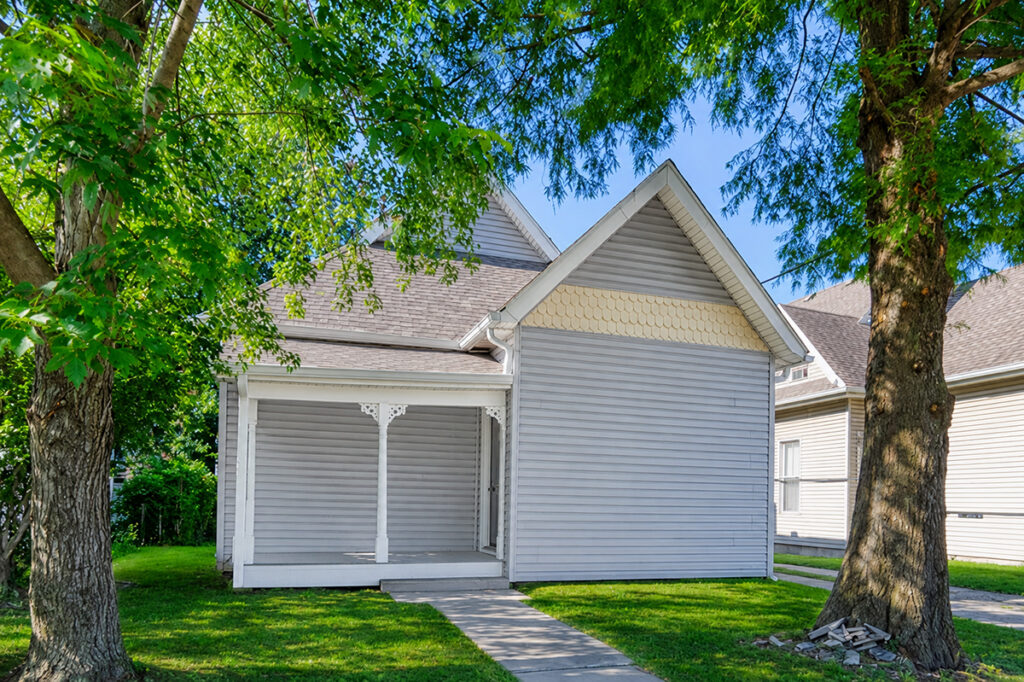
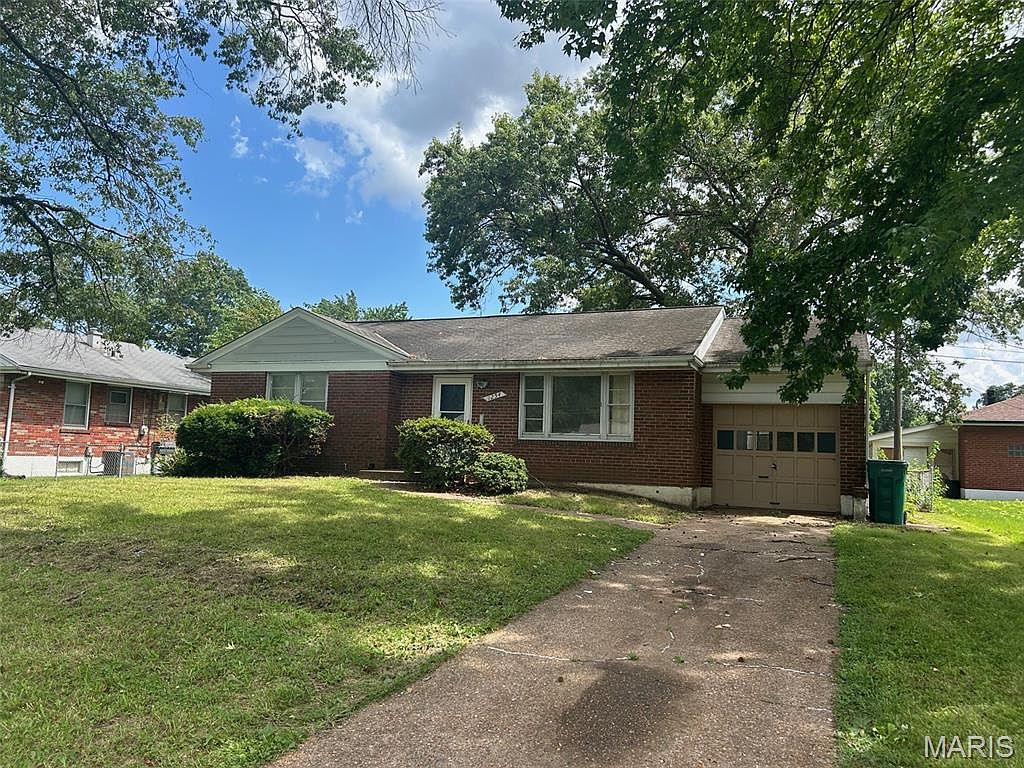
Saint Louis offers a budget‑friendly 4‑bed rental with a high cap rate, while Indianapolis provides a classic 2‑bed property with steady cash flow. Which Midwest market fits YOUR investment strategy?
We have much more inventory available than what you see on our website – Let us know about your requirement.
📈 Choose Your Winner & Contact Us Today!
Speak to a Norada Investment Counselor (No Obligation):
(800) 611-3060
Mortgage rates remain high in 2026, but rental properties continue to deliver strong cash flow and appreciation. Savvy investors know that turnkey real estate is the path to passive income and long‑term wealth.
Norada Real Estate helps you secure turnkey rental properties designed for immediate cash flow and appreciation—so you can invest smartly regardless of interest rate trends.
Also Read:
- Mortgage Rates Predictions Backed by 7 Leading Experts: 2025–2026
- Mortgage Rate Predictions for the Next 3 Years: 2026, 2027, 2028
- 30-Year Fixed Mortgage Rate Forecast for the Next 5 Years
- 15-Year Fixed Mortgage Rate Predictions for Next 5 Years: 2025-2029
- Will Mortgage Rates Ever Be 3% Again in the Future?
- Mortgage Rates Predictions for Next 2 Years
- Mortgage Rate Predictions for Next 5 Years
- Mortgage Rate Predictions: Why 2% and 3% Rates are Out of Reach
- How Lower Mortgage Rates Can Save You Thousands?
- How to Get a Low Mortgage Interest Rate?
- Will Mortgage Rates Ever Be 4% Again?