
The 30-year fixed mortgage rate has dipped for the second week in a row, offering a bit of breathing room for borrowers. As of August 20, 2026, this popular home loan option is averaging 6.65%, a small but welcome change from last week's 6.67%. While it might not seem like a huge leap, even small drops can make a big difference over the life of a loan, potentially saving you thousands of dollars.
30-Year Fixed Mortgage Rate Drops for Second Consecutive Week
Freddie Mac, a company that plays a big role in the housing market by buying mortgages from lenders, puts out a weekly report called the Primary Mortgage Market Survey®. This is where we get our trusted numbers. Here’s a breakdown of what they found this week:
Weekly Mortgage Rate Update (as of 08/20/2026)
| Loan Type | Average Rate | Weekly Change | Yearly Change |
|---|---|---|---|
| 30-Year Fixed FRM | 6.65% | -0.02% | +0.07% |
| 15-Year Fixed FRM | 5.95% | -0.01% | +0.26% |
FRM stands for Fixed-Rate Mortgage.
As you can see, not only did the 30-year fixed rate tick down, but the 15-year fixed rate also saw a slight dip. While the 30-year loan is still a bit higher than it was last year (6.58%), the recent downward trend is encouraging. The 15-year loan, on the other hand, is notably higher than last year's average of 5.69%.
What Does This Mean for Your Monthly Payment?
Let’s crunch some numbers to see how this rate change impacts a typical homebuyer. Imagine you’re buying a home for $400,000 and you’re putting down 20%, which is $80,000. This means you’re taking out a loan for $320,000.
- At 6.67% (last week's average): Your estimated Principal & Interest (P&I) payment would be around $2,062.18.
- At 6.65% (this week's average): Your estimated Principal & Interest (P&I) payment is approximately $2,054.29.
That’s a difference of about $7.89 per month. While it might not sound like much week-to-week, over 30 years, this adds up.
Estimated Monthly Payment Breakdown (for a $320,000 loan at 6.65%)
| Component | Estimated Amount | Notes |
|---|---|---|
| Principal & Interest (P&I) | $2,054.29 | This is the cost of borrowing the money. |
| Property Taxes | ~$333.33 | Based on 1% of home value annually (national avg.). |
| Homeowners Insurance | ~$125.00 | Varies widely by location. |
| Total Estimated Payment | ~$2,512.62 | This is your total monthly housing cost. |
It’s important to remember that this total payment includes more than just the loan itself. Property taxes and homeowners insurance are also part of your monthly housing bill, and these can change over time too.
Why Are Rates Moving? The Market Movers and Shakers
It’s easy to look at the numbers and think, “Okay, rates went down.” But what’s actually causing these changes? Well, it’s a bit like a complex dance between different parts of the economy. This week, the main driver seems to be a bit of calm after a busy period in the bond markets.
- Treasury Yields Stabilize: The interest rates on mortgages tend to follow what happens with the yields on U.S. Treasury bonds, especially the 10-year Treasury note. After a week of lots of ups and downs (volatility), these yields settled down a bit.
- Government Action: The U.S. Treasury Department stepped in by doubling the amount of bonds they are buying back. Think of this as them trying to make sure there's enough demand for bonds, which can help keep their prices steady and yields from going too high. This action is aimed at counteracting something called “rising term premiums,” which basically means investors are asking for more money to hold onto long-term debt because of the uncertainty.
How Do Borrowers React? The Power of Small Changes
Even though the drop in rates this week is small, it’s fascinating to see how quickly people notice. The Mortgage Bankers Association (MBA), another group that tracks the housing market, has reported that even tiny decreases in mortgage rates can lead to a short burst of activity.
This tells me a few important things:
- Buyers are Ready: People who want to buy homes are often waiting for the right moment. When they see rates become even a little more affordable, they tend to jump in. This is a good sign for the housing market – it means there’s still a strong desire to own.
- Refinancing Opportunities: It’s not just about buying new homes. Homeowners who already have mortgages are also keeping a close eye on rates. If rates drop enough, they might refinance their existing loan to get a lower monthly payment or pay off their mortgage faster.
From my perspective, this sensitivity is a key indicator. It shows that while the overall economy has its challenges, the dream of homeownership is still very much alive. People are actively looking for ways to make it work, and even a small nudge from the interest rate market can make a big difference in their ability to achieve that goal.
My Take: Patience and Shopping Around are Still Key
While it’s great to see these rates move in a favorable direction, I always advise people to stay grounded. This is just one week, and the market can change quickly. My personal experience has taught me that trying to perfectly time the market is a losing game for most people.
Instead, I strongly encourage everyone to:
- Shop Around: This is probably the most important advice I can give. Don’t just go with the first lender you talk to. Different lenders can offer slightly different rates and fees. Comparing offers from at least three to five lenders can save you a significant amount of money over the life of your loan. It’s like shopping for groceries – you wouldn’t buy everything from the first store you enter, right?
- Get Pre-Approved: Before you even start seriously looking at homes, get pre-approved for a mortgage. This gives you a clear understanding of how much you can afford and shows sellers you are a serious buyer. It also helps you understand what rate you might qualify for.
- Understand Your Credit Score: Your credit score is a huge factor in the interest rate you'll be offered. Make sure yours is in good shape. If it’s not perfect, take steps to improve it before you apply for a mortgage. Even a small improvement can lead to a better rate.
- Factor in All Costs: Remember that the sticker price of a home isn't the only cost. Consider property taxes, homeowners insurance, potential HOA fees, and any upfront closing costs.
This recent dip in the 30-year fixed mortgage rate is a positive sign, offering a breath of fresh air for those looking to buy or refinance. It’s a reminder that while the market can be unpredictable, opportunities do arise. By staying informed, being patient, and doing your homework, you can make the most of these shifting conditions and move closer to achieving your homeownership goals.
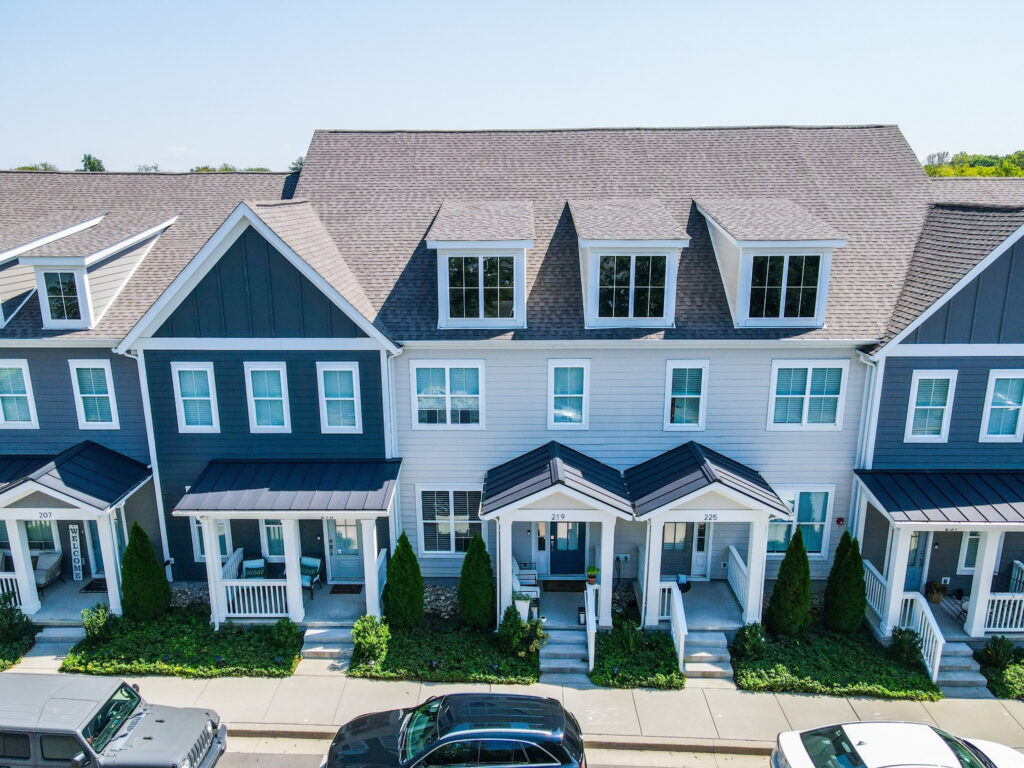
VS
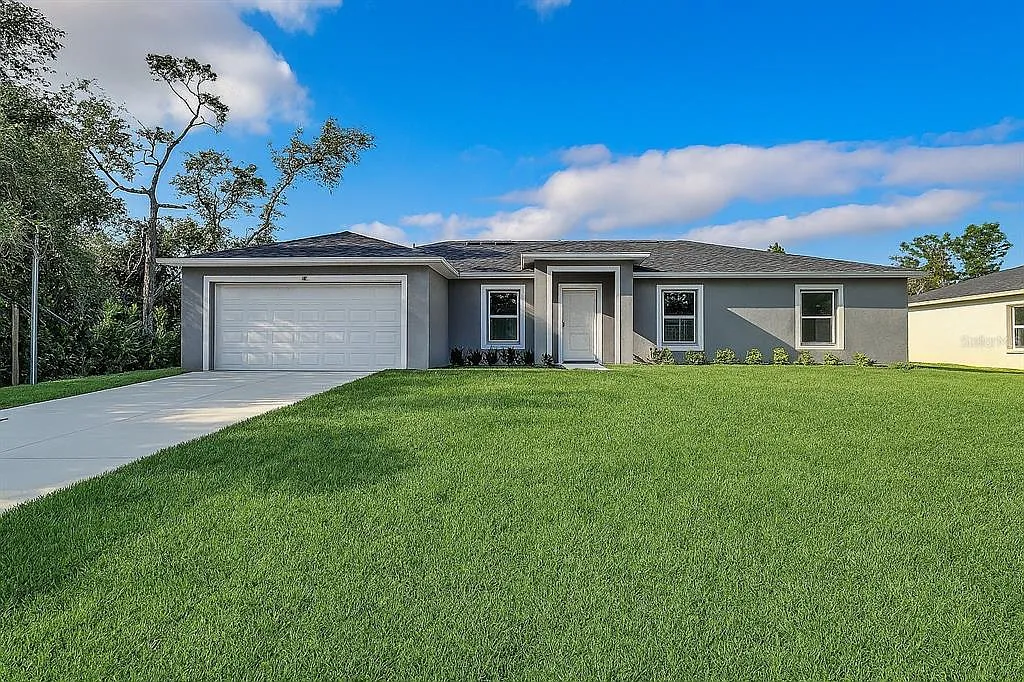
Out‑of‑State investors can compare Tennessee’s newer rental with higher NOI vs Florida’s A+ property with strong yield. Which fits YOUR investment strategy?
We have much more inventory available than what you see on our website – Let us know about your requirement.
📈 Choose Your Winner & Contact Us Today!
Speak to a Norada Investment Counselor (No Obligation):
(800) 611-3060
Mortgage rates remain high in 2026, but rental properties continue to deliver strong cash flow and appreciation. Savvy investors know that turnkey real estate is the path to passive income and long‑term wealth.
Norada Real Estate helps you secure turnkey rental properties designed for immediate cash flow and appreciation—so you can invest smartly regardless of interest rate trends.
Also Read:
- Mortgage Rates Predictions Backed by 7 Leading Experts: 2025–2026
- Mortgage Rate Predictions for the Next 3 Years: 2026, 2027, 2028
- 30-Year Fixed Mortgage Rate Forecast for the Next 5 Years
- 15-Year Fixed Mortgage Rate Predictions for Next 5 Years: 2025-2029
- Will Mortgage Rates Ever Be 3% Again in the Future?
- Mortgage Rates Predictions for Next 2 Years
- Mortgage Rate Predictions for Next 5 Years
- Mortgage Rate Predictions: Why 2% and 3% Rates are Out of Reach
- How Lower Mortgage Rates Can Save You Thousands?
- How to Get a Low Mortgage Interest Rate?
- Will Mortgage Rates Ever Be 4% Again?