Today's mortgage rates, August 19, 2026, capture a real tug-of-war in the economy: domestic inflation has been cooling and the job market is softening, both signs that would normally pull rates down, yet mortgage rates are sitting near their highest points of the year. The 30-year fixed rate ticked up slightly to 6.55%, while the 15-year fixed eased to 5.87% and the 5/1 ARM dipped to 6.31%. The reason for the disconnect is largely overseas — Middle East tensions are keeping oil prices and inflation fears elevated, offsetting the good news at home. Here's the full rate breakdown and what's driving today's numbers.
Today's Mortgage Rates, August 19: Rates Near Yearly Highs Even as Inflation Cools Down
It's always helpful to have a clear picture of where things stand. According to the latest data from Zillow, here's a breakdown of the rates you'll see today, August 19, 2026:
| Loan Type | Interest Rate |
|---|---|
| 30-year fixed | 6.55% |
| 20-year fixed | 6.40% |
| 15-year fixed | 5.87% |
| 5/1 ARM | 6.31% |
| 7/1 ARM | 6.30% |
| 30-year VA | 6.01% |
| 15-year VA | 5.60% |
| 5/1 VA | 5.82% |
It’s interesting to see the small movements. The fact that the 30-year fixed rate ticked up might make some people feel a little uneasy. However, the decrease in the 15-year fixed and 5/1 ARM rates offers some good news for borrowers who can be a bit more flexible with their loan terms.
Why Are Rates Doing This Dance?
You might be wondering what’s making these numbers go up and down. It’s not just random chance. Think of it like a tug-of-war between different economic forces.
On one side, we have things happening in our own country that are trying to pull rates down. For example, the job market seems to be cooling off a bit, and the cost of everyday things (inflation) has slowed down. Normally, these would be good signs for lower borrowing costs.
On the other side, there are bigger global events that are pushing rates up. Right now, there’s a lot of worry about conflicts in the Middle East, which can make oil prices go up. When oil prices rise, it can make all prices rise, which is bad news for inflation. This fear causes investors to demand higher interest rates on government bonds, which then affects mortgage rates. Adding to this, the people in charge of our country’s money (the Federal Reserve) have decided to keep their main interest rate steady, and some of them are even talking about raising it, not lowering it. This uncertainty is what makes mortgage rates feel so “flippy,” as some experts like to say.
Earlier in 2026, we saw rates dip close to 6%, which was a welcome sight. But now, because of those global tensions and the worries about inflation, rates have climbed back up, reaching their highest points for the year. Even though we’re seeing some good news on the inflation front domestically, the cost of borrowing money to buy a house is still higher than many people expected for this summer’s home-buying season.
Where Are Rates Likely Heading?
So, what’s the crystal ball tell us about the future? Well, the smart people who study the housing market have been adjusting their predictions. Big organizations like Fannie Mae and the Mortgage Bankers Association are now saying that we should expect mortgage rates to stick around the 6.3% to 6.5% range for the rest of the year. The chance of seeing rates drop below 6% before 2027 seems pretty slim right now.
This means that if you're thinking about buying a home, you probably shouldn't hold your breath waiting for a massive drop in interest rates.
My Take: What This Means for You
As someone who's seen many housing market cycles, I can offer a bit of perspective. Right now, the market is a bit tricky. High interest rates have definitely made it harder for people to buy homes, and the number of homes being sold has slowed down. However, this hasn't caused home prices to fall apart. In fact, with fewer homes available, prices are still expected to go up by as much as 4% by the end of the year.
This brings up a tough choice: do you wait for rates to hopefully drop, or do you buy now? If you wait, you might end up paying a lot more for the actual house itself, even if the interest rate is lower. It’s a classic case of the “cost of waiting.”
My biggest piece of advice, and something I always tell friends and family, is don’t just go with the first lender you talk to. I’ve seen too many people pay way more money over the life of their loan just because they didn’t shop around. A study found that people who don’t compare offers can end up paying an extra $78,000! That’s a lot of money! Make sure you get quotes from at least three different lenders. You might be surprised at the difference.
Also, since fixed rates are proving to be a bit stubborn, don't be afraid to ask about creative financing options. Talk to your lender or even the builder of a home you're interested in. Sometimes they can offer deals:
- Seller Concessions: This is where the person selling the house agrees to pay for some of your closing costs or to help lower your interest rate for the first few years. For example, a “2-1 buydown” means your interest rate could be 2% lower in the first year and 1% lower in the second year. This can make your monthly payments much more manageable in the beginning.
- Shorter Loan Terms: If your budget can handle it, thinking about a 15-year fixed mortgage instead of a 30-year one can save you a ton of money in the long run. You'll pay more each month, but over the life of the loan, you could save about 60% on interest. That’s a huge chunk of change!
The mortgage market today, August 19, 2026, is a balancing act. While rates are showing some small shifts, the overall picture suggests a period of stability within a higher range for the rest of the year. My advice is to be informed, be a smart shopper, and explore all your options. Getting into a home is a big step, and doing your homework now can make a big difference for your future financial well-being.
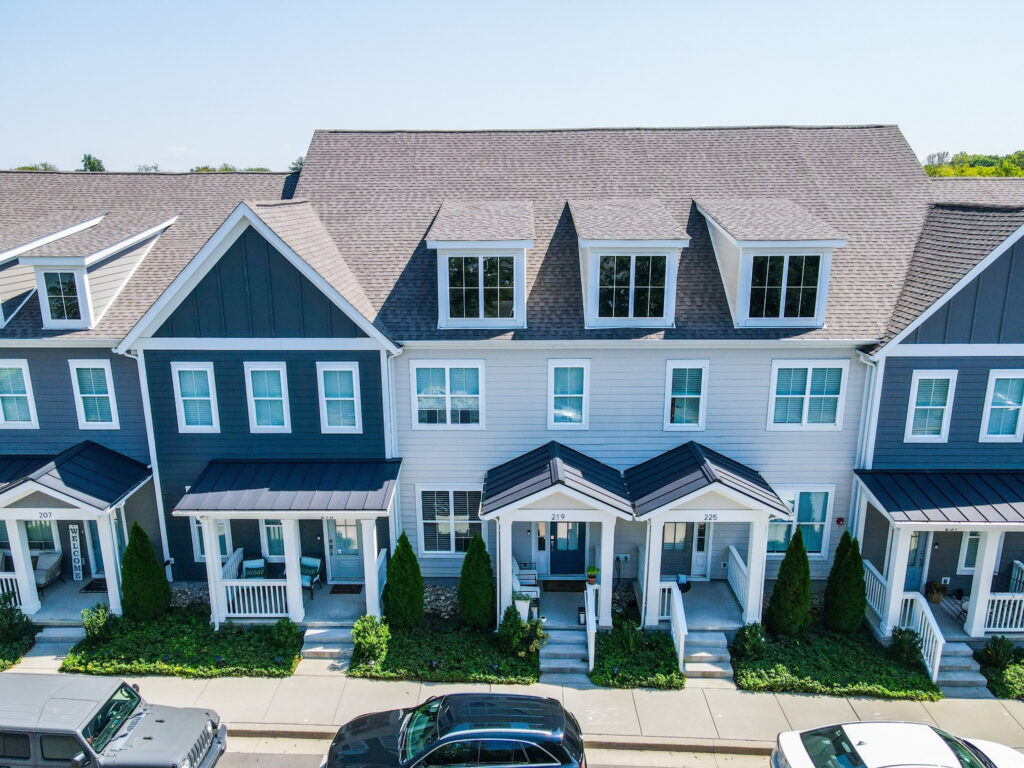
VS
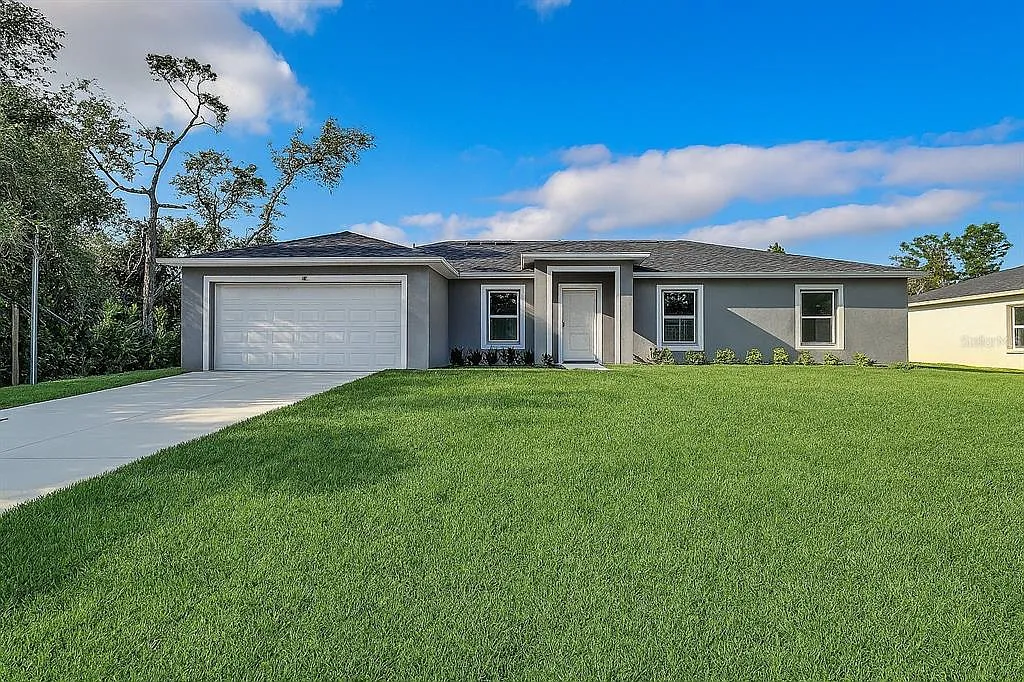
Out‑of‑State investors can compare Tennessee’s newer rental with higher NOI vs Florida’s A+ property with strong yield. Which fits YOUR investment strategy?
We have much more inventory available than what you see on our website – Let us know about your requirement.
📈 Choose Your Winner & Contact Us Today!
Speak to a Norada Investment Counselor (No Obligation):
(800) 611-3060
Mortgage rates remain high in 2026, but rental properties continue to deliver strong cash flow and appreciation. Savvy investors know that turnkey real estate is the path to passive income and long‑term wealth.
Norada Real Estate helps you secure turnkey rental properties designed for immediate cash flow and appreciation—so you can invest smartly regardless of interest rate trends.
Also Read:
- Mortgage Rates Predictions Backed by 7 Leading Experts: 2025–2026
- Mortgage Rate Predictions for the Next 3 Years: 2026, 2027, 2028
- 30-Year Fixed Mortgage Rate Forecast for the Next 5 Years
- 15-Year Fixed Mortgage Rate Predictions for Next 5 Years: 2025-2029
- Will Mortgage Rates Ever Be 3% Again in the Future?
- Mortgage Rates Predictions for Next 2 Years
- Mortgage Rate Predictions for Next 5 Years
- Mortgage Rate Predictions: Why 2% and 3% Rates are Out of Reach
- How Lower Mortgage Rates Can Save You Thousands?
- How to Get a Low Mortgage Interest Rate?
- Will Mortgage Rates Ever Be 4% Again?