If you're thinking about refinancing your home, it's important to know that 30-year fixed refinance rates have gone up today, August 14, 2026, to an average of 7.16%, a noticeable jump of 17 basis points from yesterday. This means that if you were planning to lock in a new rate, it might cost you a bit more.
Mortgage Rates Today, August 14, 2026: 30-Year Refinance Rate Jumps by 17 Basis Points
What's Happening with Refinance Rates Today?
As of Friday, August 14, 2026, Zillow reported that the average 30-year fixed refinance rate has climbed to 7.16%. This is a significant increase from where it was just yesterday. Looking back a little further, this new rate is also 15 basis points higher than the average rate of 7.01% we saw last week.
It's not just the 30-year loans that are seeing changes. The 15-year fixed refinance rate has also edged up, now standing at an average of 5.99%, a rise of 4 basis points from last week. For those considering adjustable-rate mortgages, the 5-year ARM refinance rate is currently holding steady at 6.50%.
Here’s a quick look at the numbers:
| Loan Term | Current Average Rate (Aug 14, 2026) | Change from Previous Week |
|---|---|---|
| 30-Year Fixed Refinance | 7.16% | Up 15 basis points |
| 15-Year Fixed Refinance | 5.99% | Up 4 basis points |
| 5-Year ARM Refinance | 6.50% | No change |
(Data by Zillow)
The Summer of Rate Swings: What's Driving This Upward Trend?
We’ve seen a bit of a rollercoaster with refinance rates lately. After a brief dip below 6% earlier in the year – a time that felt like a rare moment of opportunity for many homeowners – rates have been steadily climbing. This latest jump is part of a bigger story for 2026.
It feels like just yesterday we were seeing rates at their lowest in years, and many of us were probably thinking about how to take advantage of that. But then, as the summer heated up, so did concerns about inflation and some worrying global events. These factors have really pushed mortgage rates higher, going past 6.80% at the end of July.
And it doesn't look like things will cool down quickly. Experts at places like Fannie Mae and the Mortgage Bankers Association are now saying that we should expect rates to stay above 6% for the rest of this year and maybe even into 2027. This is a big change from what some might have hoped for at the beginning of the year.
Why Are Rates Going Up? A Deeper Look
It’s easy to just see the numbers, but as someone who's been involved in this world, I know there are big reasons behind these shifts. Right now, two main things are playing a huge role:
- Global Jitters and Oil Prices: The news about conflicts involving the U.S. and Iran has really shaken things up. When there’s worry about stability in places that produce a lot of oil, prices for oil tend to jump. This can make people nervous about inflation – the general rise in prices for everything – and when that happens, lenders often raise their rates to protect themselves. It’s like a chain reaction.
- The 10-Year Treasury Yield: This is a really important one for anyone tracking mortgage rates. Think of the 10-year U.S. Treasury note as a kind of bellwether. When investors are feeling uneasy or worried about inflation, they tend to flock to these safer investments, which drives up their yield (the return you get on them). Right now, that yield is hovering around 4.3% to 4.6%. Because mortgage rates usually follow this trend very closely, higher Treasury yields mean higher mortgage rates for us.
- The Fed's Tightrope Walk: The Federal Reserve, often called the “Fed,” has been playing a careful game. They did lower interest rates a bit at the end of last year, but they've kept them steady in their meetings this year. Some of the people on the Fed's board are talking tough about keeping rates higher to fight inflation. Combined with a strong economy lately, this has made markets think that the Fed might even have to raise rates again, possibly as soon as September. That expectation alone can push mortgage rates up.
What Does This Mean for You if You're Thinking About Refinancing?
If you're looking at refinancing your mortgage, especially with rates around 7%, you need to be really smart about it. Lenders are being pickier, and it’s more important than ever to focus on what gives you an advantage.
Here are the things I always tell people to consider:
- Your Break-Even Point: Refinancing isn't free. You'll have closing costs and lender fees, which can add up to thousands of dollars. You need to figure out how much you'll save each month on your mortgage payment and then calculate how long it will take for those savings to cover those initial costs. If you plan to sell your house before you reach that “break-even” point, refinancing might not be worth it.
- The “Refi Premium”: It's a bit of a bummer, but right now, lenders are often charging a little extra for refinances compared to what they charge for people buying a new home. This “premium” can mean that refinance rates are a bit higher, even for the same loan term. This is something to be aware of when comparing offers.
- The 15-Year Fix Strategy: If you can manage it, switching to a 15-year fixed mortgage can be a smart move. These loans typically have rates that are 0.70% to 0.90% lower than 30-year loans. While your monthly payments will be higher, you'll pay much less interest over the life of the loan. This is a great way to build equity faster and save a significant amount of money in the long run.
- Shop Around, Seriously! This is probably the most important advice I can give. Don't just take the first offer you get. Based on data I've seen, people who don't compare offers from different lenders can end up paying an extra $78,000 over the life of their loan. That's a huge amount of money! Try to get quotes from at least three to four different lenders. You'll be surprised how much the rates and fees can vary.
Looking Ahead: What to Expect
It's clear that the market is a bit choppy right now. We're not seeing those low rates from earlier in the year, and the predictions suggest we’ll be in this higher-rate environment for a while. My advice is to stay informed, do your homework, and make decisions that are right for your own financial situation.
VS
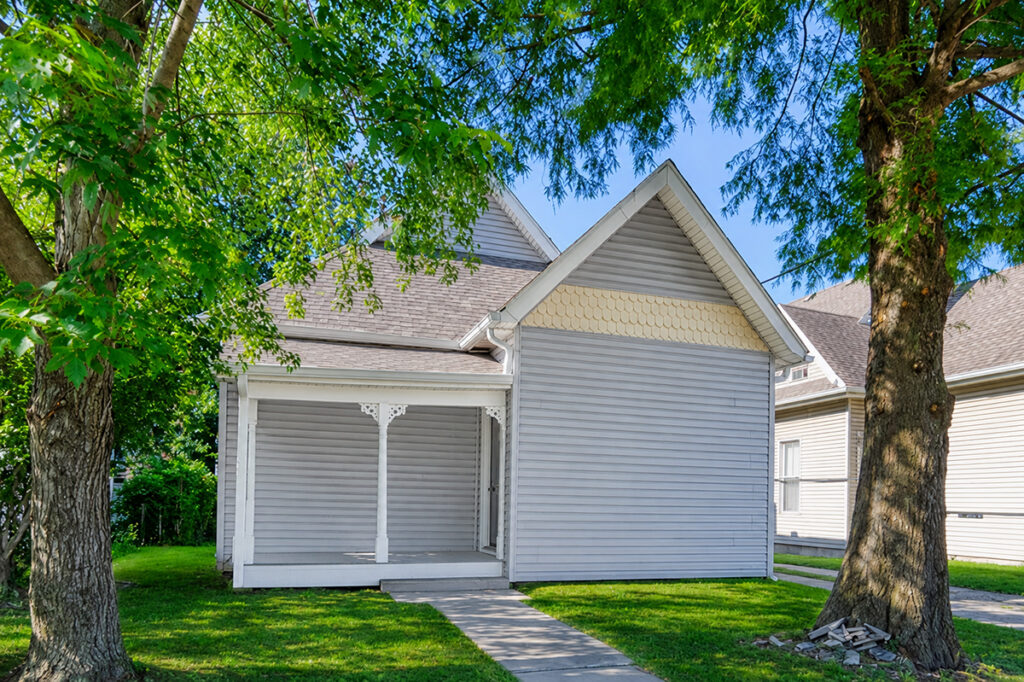
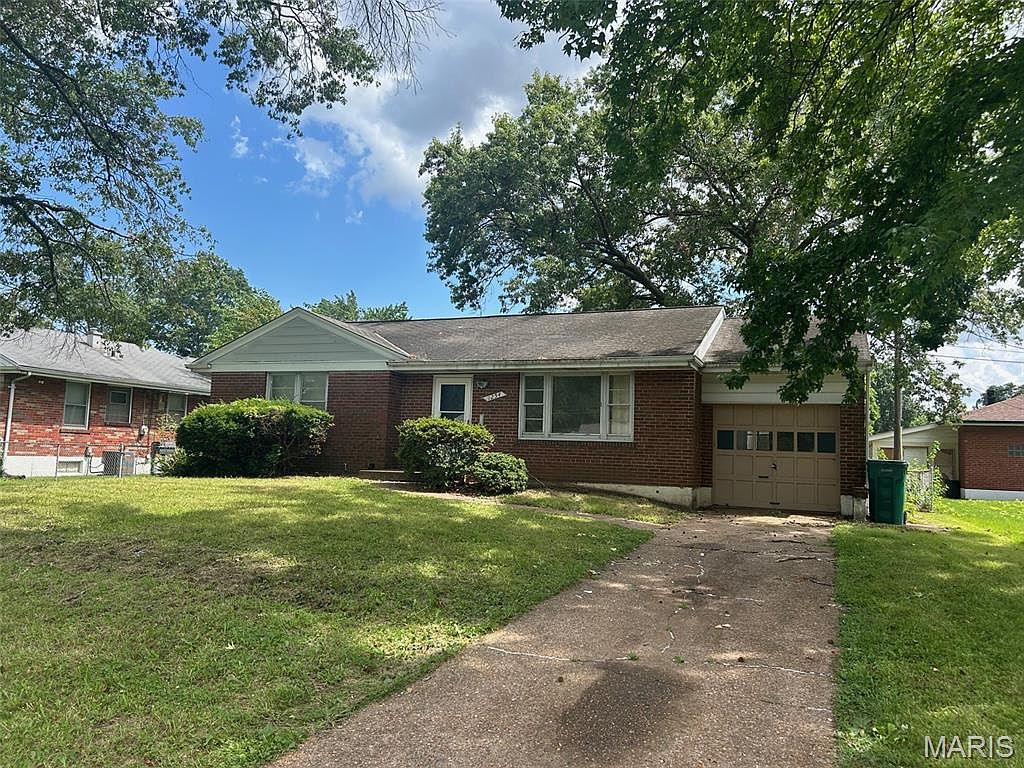
Saint Louis offers a budget‑friendly 4‑bed rental with a high cap rate, while Indianapolis provides a classic 2‑bed property with steady cash flow. Which Midwest market fits YOUR investment strategy?
We have much more inventory available than what you see on our website – Let us know about your requirement.
📈 Choose Your Winner & Contact Us Today!
Speak to a Norada Investment Counselor (No Obligation):
(800) 611-3060
Mortgage rates remain high in 2026, but rental properties continue to deliver strong cash flow and appreciation. Savvy investors know that turnkey real estate is the path to passive income and long‑term wealth.
Norada Real Estate helps you secure turnkey rental properties designed for immediate cash flow and appreciation—so you can invest smartly regardless of interest rate trends.
Also Read:
- Mortgage Rates Predictions Backed by 7 Leading Experts: 2025–2026
- Mortgage Rate Predictions for the Next 3 Years: 2026, 2027, 2028
- 30-Year Fixed Mortgage Rate Forecast for the Next 5 Years
- 15-Year Fixed Mortgage Rate Predictions for Next 5 Years: 2025-2029
- Will Mortgage Rates Ever Be 3% Again in the Future?
- Mortgage Rates Predictions for Next 2 Years
- Mortgage Rate Predictions for Next 5 Years
- Mortgage Rate Predictions: Why 2% and 3% Rates are Out of Reach
- How Lower Mortgage Rates Can Save You Thousands?
- How to Get a Low Mortgage Interest Rate?
- Will Mortgage Rates Ever Be 4% Again?



