The average 30-year fixed refinance rate has nudged up to 7.18% as of August 11, 2026, an increase of 11 basis points from yesterday. This means that if you've been waiting for the “perfect” time to lower your monthly payments, that moment might be a little further away than we hoped.
According to the latest data from Zillow, the national average 30-year fixed refinance rate has climbed from 7.07% to 7.18%. This isn't a huge jump, but it's enough to make a difference for many homeowners. Over the past week, the average rate for a 30-year fixed refinance has gone up by 17 basis points, starting from 7.01%.
It's not just the 30-year loans seeing a change. The 15-year fixed refinance rate has also moved up, now averaging 6.21%, a 12 basis point increase from 6.09%. For those considering adjustable-rate mortgages, the 5-year ARM refinance rate is currently holding steady at 6.50%.
Mortgage Rates Today, August 11, 2026: 30-Year Refinance Rate Rises by 11 Basis Points
Here's a quick look at the national averages reported by Zillow:
| Loan Type | Average Refinance Rate | Change from Previous Day | Change from Previous Week |
|---|---|---|---|
| 30-Year Fixed | 7.18% | +11 Basis Points | +17 Basis Points |
| 15-Year Fixed | 6.21% | +12 Basis Points | N/A |
| 5-Year ARM | 6.50% | N/A | N/A |
Note: Data sourced from Zillow.
Why Are Rates Going Up Again?
It feels like a bit of a tug-of-war in the economy, and right now, the forces pushing rates higher are winning.
- The Federal Reserve's Balancing Act: The Federal Reserve recently decided to keep its key interest rate, the federal funds rate, where it is, between 3.50% and 3.75%. They're trying to walk a fine line – cooling down the economy enough to fight inflation but not so much that it causes big problems. However, inflation is still a bit stubborn, hovering around 3.8%. Plus, some folks in charge at the Fed have been hinting that they might need to raise rates again, possibly as early as September. This uncertainty puts upward pressure on all sorts of borrowing costs, including mortgages.
- Bumpy Ride in the Bond Market: You know how sometimes the stock market gets a bit wild? The bond market can do that too. Recently, the yields on government bonds shot up to highs we haven't seen in a year. This happened because people got worried about inflation and also about what's going on in other parts of the world. When bond yields go up, mortgage rates usually follow them. It's like a domino effect.
- Global Ripples Affecting Our Wallets: Things happening far away can really impact our daily lives. Earlier this summer, some conflicts and tensions involving the U.S. and Iran caused oil prices to spike. When gas and other energy prices go up, it tends to push up overall inflation. This makes it harder for mortgage rates to come down into that comfy sub-6% range that many homeowners have been hoping for.
When Does Refinancing Still Make Sense?
Even with these rising rates, refinancing can still be a smart move for some. It really depends on your personal situation and how much you can save. I always tell people to think of it like this: refinancing is an investment in lowering your future costs.
Here's my three-step checklist to help you figure out if it's the right time for you:
- Figure Out Your “Break-Even” Point: Refinancing usually comes with costs, often called closing costs. These can add up, typically costing you somewhere between 2% and 6% of the amount you're borrowing.
- The Simple Math: Take the total amount you'll spend on closing costs and divide it by how much money you'll save each month on your mortgage payment.
- The Goal: Let's say your closing costs are $6,000. If you'll save $150 each month by refinancing, your break-even point is 40 months (that's 3 years and 4 months). My advice? Don't refinance if you don't plan on staying in your home for longer than your break-even period. You want to make sure you actually save money in the long run.
- Consider the “Refinance Premium”: Lenders sometimes charge a little extra for refinance loans compared to loans for buying a new house. They might add about 0.01% to 0.15% to the interest rate because there can be a bit more risk involved for them.
- My Rule of Thumb: Unless you can get a rate that's at least 0.50% to 0.75% lower than your current mortgage rate, it's usually not worth the hassle and cost of refinancing. Always look at your original loan papers to know what you're aiming to beat.
- Shop Around, Seriously! This is one of the most important steps. I've seen people over the years who just went with the first lender they talked to and ended up paying thousands, sometimes tens of thousands, more over the life of their loan.
- Get Multiple Offers: Talk to at least three different mortgage companies. This makes them compete for your business, which can get you a better rate and lower fees.
- Compare Everything: Don't just look at the interest rate. Make sure you're comparing the total costs, any credits the lender might offer you, and how much it costs to get a lower rate (these are called discount points). The “Loan Estimate” form is what you'll use to compare these offers side-by-side.
My Two Cents on the Market
Looking at these numbers, it's clear that the market is still a bit unpredictable. The Federal Reserve's actions and global economic factors are playing a big role. For homeowners, this means being patient and strategic.
If you were hoping to refinance to a much lower rate, you might need to wait a bit longer for rates to settle or even drop. If you're looking to do a cash-out refinance to tap into your home's equity for renovations or other needs, you'll have to weigh the cost of borrowing at these current rates against the benefits you'll get from the cash.
VS
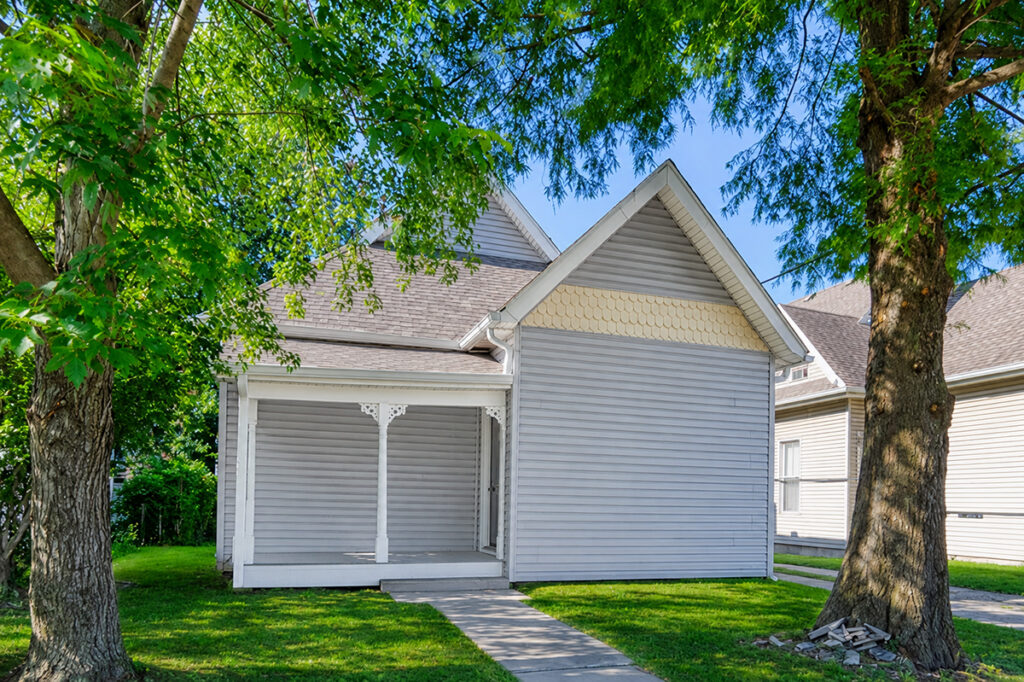
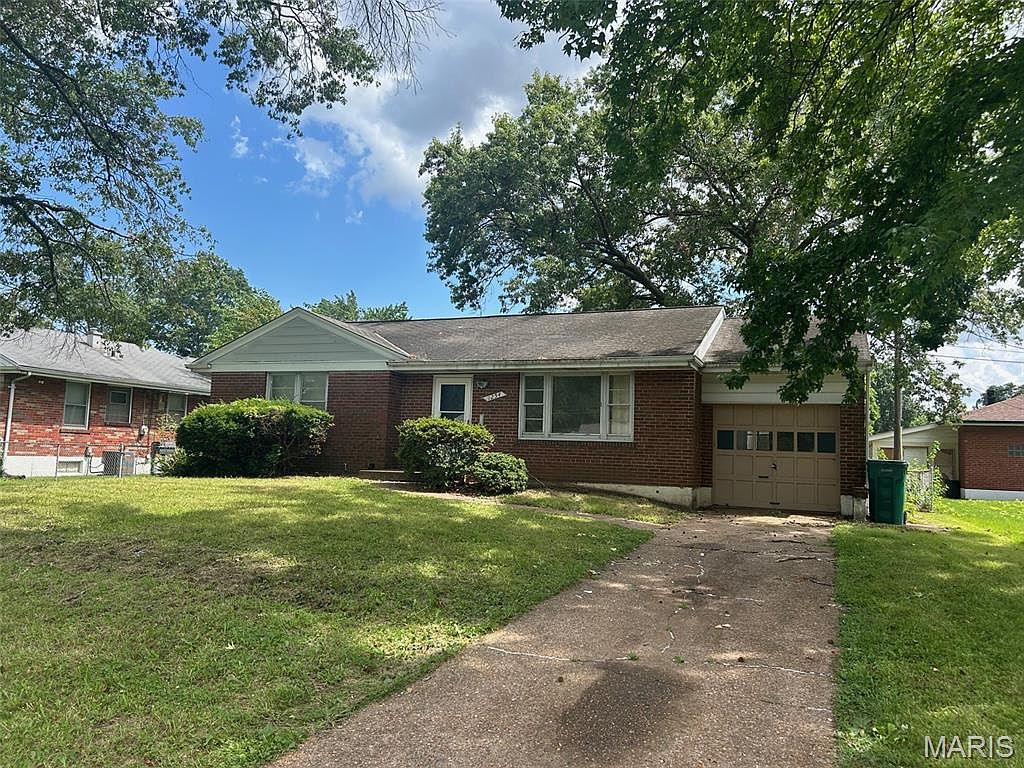
Saint Louis offers a budget‑friendly 4‑bed rental with a high cap rate, while Indianapolis provides a classic 2‑bed property with steady cash flow. Which Midwest market fits YOUR investment strategy?
We have much more inventory available than what you see on our website – Let us know about your requirement.
📈 Choose Your Winner & Contact Us Today!
Speak to a Norada Investment Counselor (No Obligation):
(800) 611-3060
Mortgage rates remain high in 2026, but rental properties continue to deliver strong cash flow and appreciation. Savvy investors know that turnkey real estate is the path to passive income and long‑term wealth.
Norada Real Estate helps you secure turnkey rental properties designed for immediate cash flow and appreciation—so you can invest smartly regardless of interest rate trends.
Also Read:
- Mortgage Rates Predictions Backed by 7 Leading Experts: 2025–2026
- Mortgage Rate Predictions for the Next 3 Years: 2026, 2027, 2028
- 30-Year Fixed Mortgage Rate Forecast for the Next 5 Years
- 15-Year Fixed Mortgage Rate Predictions for Next 5 Years: 2025-2029
- Will Mortgage Rates Ever Be 3% Again in the Future?
- Mortgage Rates Predictions for Next 2 Years
- Mortgage Rate Predictions for Next 5 Years
- Mortgage Rate Predictions: Why 2% and 3% Rates are Out of Reach
- How Lower Mortgage Rates Can Save You Thousands?
- How to Get a Low Mortgage Interest Rate?
- Will Mortgage Rates Ever Be 4% Again?