As of August 2026, the U.S. housing market sits in an unusual holding pattern. Mortgage rates hover near 6.7%, existing-home sales remain subdued around the 4.1 million annualized pace, and national home-price growth has slowed to the low single digits. Many prospective buyers and owners wonder whether a sharp crash—reminiscent of 2008—is coming within the next five years. The short answer from most mainstream economists and institutional forecasts is no. A full-blown national crash appears unlikely. A prolonged period of muted price growth, regional corrections, and gradual improvement in affordability is far more probable.
Will the Housing Market Crash in the Next 5 Years? Experts Say No
What’s Happening Right Now?
Houses are still expensive, but the wild price jumps from a few years ago have stopped. Think of it like a race car that’s gone from speeding to a comfortable cruise. The numbers show that home prices are only going up by about 0.7% to 1.6% each year right now. That’s way less than the super-fast increases we saw back in 2021 and 2022.
Even though the numbers look okay, if you think about how much money things cost nowadays (like milk and gas), houses have actually gotten a little cheaper when you really look at it. The average home price is near $440,000, which sounds like a lot, but it’s not zooming up like before.
Too Few Houses, Too Many People
One of the main reasons prices are still up there is that there aren't enough houses for everyone who wants one. Imagine trying to buy the last piece of pizza at a party – you might have to pay more! While there are more houses for sale now than during the craziness of the pandemic, there are still fewer than there were before all that happened.
And guess what? A lot of people have mortgages with super low interest rates, like 3% or even less. They don’t want to sell their house if it means getting a new mortgage that costs almost double, like 6.5% or 7%. This is called the “lock-in effect,” and it’s keeping a lot of homes off the market.
Not Your Grandpa's 2008 Crisis
Remember 2008? That was a big, scary mess because banks were lending money to people who couldn’t really afford it, many people bought houses they planned to flip quickly for profit, and then lots of people lost their homes, which made even more houses available. It was a perfect storm of badness.
Today, things are way different. Banks are much more careful about who they lend money to. Most people buying homes now have put down a good chunk of money, and they have to prove they can afford the payments. Also, most homeowners have paid off a good part of their loans, so they aren’t losing money on their houses.
What’s Keeping Things Steady?
There are a few big reasons why a crash seems unlikely:
- Not Enough Homes: For many years, we haven’t built enough new houses. So, even if not a lot of people are buying, the few who are can still keep prices up because there just aren’t that many options.
- People Have Money in Their Homes: Like we talked about, most people who own homes have paid off a good amount of their loans. This means they aren’t in danger of losing their homes if prices dip a little.
- More People Want Homes: A lot of younger people (Millennials and Gen Z) are still at the age where they want to buy their first home. They need places to live, and that keeps demand steady.
- What the Experts Say: Big banks like J.P. Morgan think home prices will stay about the same this year and go up only a little bit next year. Fannie Mae, another big housing company, also thinks prices will go up slowly, and more people will start buying homes.
These smart people expect things to cool down gently, not fall off a cliff.
What Could Still Cause Problems?
Even though a big crash isn’t likely, there are a few things that could make prices drop more than expected, especially in certain areas:
- Lots of People Lose Jobs: If the economy takes a big hit and many people become unemployed, they won’t be able to buy houses, and some will have to sell their homes, which could lower prices.
- Mortgage Rates Stay Super High: If interest rates stay near 7% for a long time, it will be even harder for people to afford homes, and fewer people will buy or sell.
- Many People Sell at Once: If interest rates suddenly drop a lot, some of those people who are “locked-in” might decide to sell their homes all at once. This could make too many houses available in some places.
- Some Areas Have Too Many New Houses: Some places that have been growing really fast might have built too many houses. If fewer people move there, prices could go down in those specific towns or cities.
- Paychecks Don’t Keep Up: If home prices and mortgage rates keep going up but people’s salaries don’t, it will be even harder for people to buy homes.
It’s important to remember that what happens in one city might be totally different from what happens in another.
What to Expect in the Next Five Years
Here’s a look at what most people think will happen between now and 2031:
- Prices: Home prices will likely stay pretty much the same or go up just a little bit each year. Real prices (what you can actually buy with your money after considering inflation) might even go down sometimes. Don't expect the crazy price jumps of the past.
- Buying and Selling: More people will start buying and selling homes as interest rates might slowly go down and more houses become available. We could see more homes sold than right now.
- Interest Rates: Most experts think interest rates will slowly come down over the next few years, maybe to somewhere in the mid-to-high 5% range. Don’t expect them to suddenly drop a lot.
- Being Able to Afford a Home: It will get a little easier to buy a home, but it will still take time. This will happen if salaries go up, home prices go down a bit in some areas, and interest rates get lower.
A huge crash where prices drop a lot all over the country for many years is very unlikely unless something very bad happens with the economy.
What This Means for You
- If You Want to Buy: Waiting for a massive price drop might mean you miss out on better interest rates and limited house choices. It’s better to focus on your own money, what’s happening in the area you want to buy in, and if you can afford to stay in your home for a long time. Trying to guess when the market will crash is super hard.
- If You Want to Sell: It’s really important to price your home correctly for today’s market. Homes that look good and are priced right will still sell. Houses priced too high, like from the peak of the pandemic, might sit on the market for a long time.
- If You Invest in Homes: Think carefully about where you invest and if the rental income makes sense. Places with good jobs and not many houses to rent might be better choices than trying to guess what will become popular.
- For People Who Make Rules: Building more houses is the best way to make them more affordable for everyone in the long run. This means making it easier and faster to get permission to build.
The Bottom Line
The housing market in 2026 is a bit tricky, expensive, and frustrating for many people. But it doesn’t look like the kind of situation that leads to a big, sudden crash. Not enough homes available, people having money in their houses, and banks being careful with loans are all good things that protect us.
Most expert predictions say prices will stay about the same or go up a little in the next few years, and things will slowly get better. It won’t be the wild ride of the past, but a more normal pace.
This doesn’t mean every town or every homeowner will be completely safe. Some areas might see prices drop, and it will still be hard for some people to afford a home. But for most of the country, it’s more likely that we’ll see a few years of slower price changes, more houses being bought and sold, and things getting a little easier for people who can be patient or who buy smart.
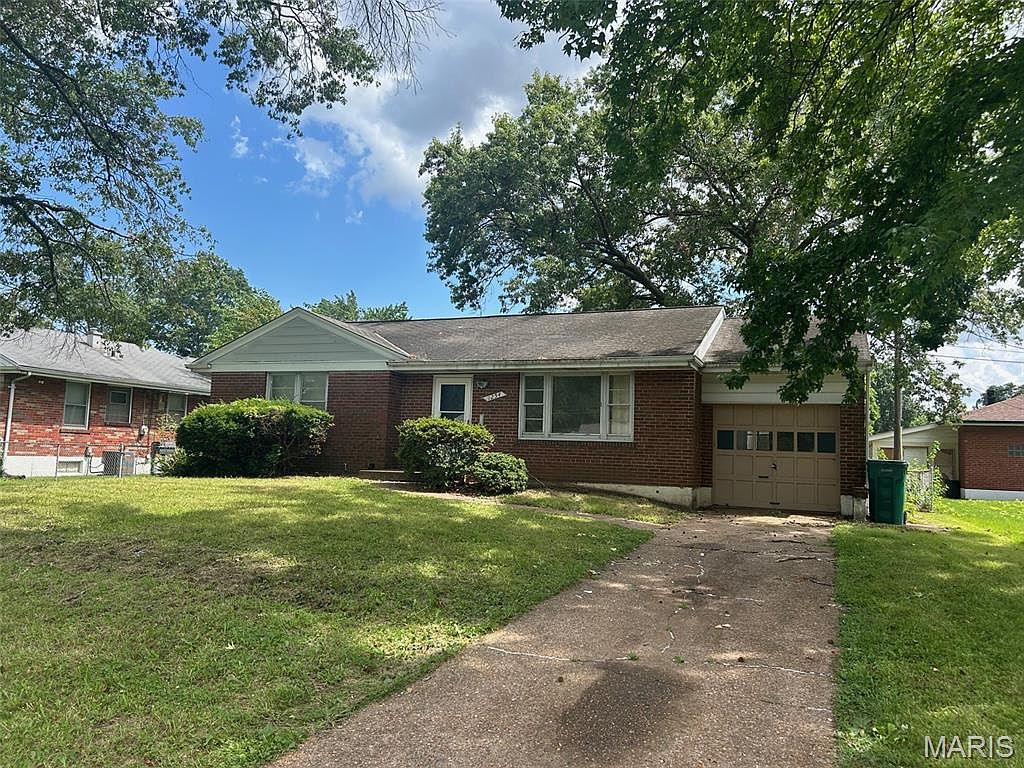
VS
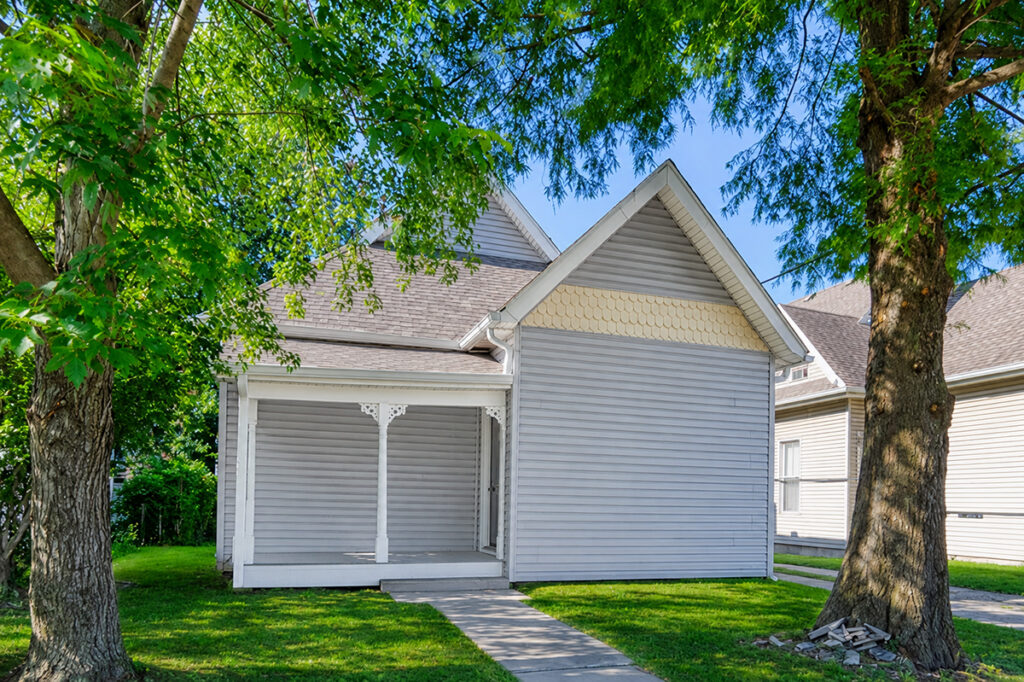
Saint Louis offers a budget‑friendly 4‑bed rental with a high cap rate, while Indianapolis provides a classic 2‑bed property with steady cash flow. Which Midwest market fits YOUR investment strategy?
We have much more inventory available than what you see on our website – Let us know about your requirement.
📈 Choose Your Winner & Contact Us Today!
Speak to a Norada Investment Counselor (No Obligation):
(800) 611-3060
Also Read:
- Top 10 Housing Markets Set to Deliver High ROI in 2026
- Top 10 Most Popular Housing Markets of 2025 for Homebuyers
- Will Real Estate Rebound in 2026: Top Predictions by Experts
- Housing Market Predictions for the Next 4 Years: 2026, 2027, 2028, 2029
- Housing Market Predictions for 2026 Show a Modest Price Rise of 1.2%
- Housing Market Predictions 2026 for Buyers, Sellers, and Renters
- 12 Housing Markets Set for Double-Digit Price Decline by Early 2026
- Real Estate Forecast: Will Home Prices Bottom Out in 2025?
- Housing Markets With the Biggest Decline in Home Prices Since 2024
- Why Real Estate Can Thrive During Tariffs Led Economic Uncertainty
- Rise of AI-Powered Hyperlocal Real Estate Marketing in 2025
- Real Estate Forecast Next 5 Years: Top 5 Predictions for Future
- 5 Hottest Real Estate Markets for Buyers & Investors in 2025