As of today, August 3, 2026, the national average for a 30-year fixed refinance rate has seen a slight dip, settling at 7.02%. This marks a decrease of just 1 basis point from the previous week's average of 7.03%, according to data from Zillow. While this might seem like a tiny change, in the world of mortgages, even small shifts can be important for homeowners considering a refinance.
Mortgage Rates Today, August 3, 2026: 30-Year Refinance Rate Drops by 1 Basis Point
Here's a snapshot of the current national average refinance rates, as reported by Zillow:
| Loan Term | Average Rate | Change from Last Week |
|---|---|---|
| 30-Year Fixed | 7.02% | Down 1 basis point |
| 15-Year Fixed | 6.09% | Stable |
| 5-Year ARM | 6.00% | Stable |
Note: Rates are national averages and can vary based on individual creditworthiness, loan amount, and lender.
It's been a bit of a rollercoaster for mortgage rates lately. They shot up at the beginning of the summer and have been hovering around a higher level since then. Even though we saw a tiny drop over the weekend, rates are still feeling a bit unpredictable. Experts from places like Fannie Mae and the Mortgage Bankers Association are forecasting that the 30-year rate will likely stay in the 6.4% to 6.5% range for the rest of the year.
Understanding What's Moving the Market
Several big economic and global events are playing a role in where mortgage rates are heading. It's like a complicated recipe with many ingredients!
- A Divided Federal Reserve: The Federal Reserve recently decided to keep its main interest rate steady, between 3.50% and 3.75%. But, not everyone on the Fed agreed. Three members actually wanted to raise rates! The Fed Chair and the President of the New York Fed have both made it clear that they might raise rates again in September if inflation doesn't calm down. This uncertainty can make markets nervous.
- Stubborn Inflation: Inflation, which is how much prices are going up, is still sitting around 3.5% to 3.7%. That's much higher than the 2% the Fed is aiming for. When inflation is high, money doesn't buy as much in the future. This means investors who lend money, like those buying mortgage-backed securities, want to be paid more to make up for the loss in value. Mortgage rates tend to follow what's happening with the yields on 10-year Treasury notes, which are influenced by inflation expectations.
- Geopolitical Tensions in the Middle East: The ongoing situation involving Iran has caused a ripple effect on energy prices, leading to a jump in global oil costs. When oil prices go up, it can push inflation even higher here at home. This makes investors more cautious and demand higher returns for the risk they are taking, which also pushes mortgage rates up.
Key Things for Homeowners Thinking About Refinancing
Based on what I'm seeing and my experience in the mortgage world, here are three important things to think about if you're considering refinancing:
- Are You a “Recent Buyer” Who Can Save? If you bought or refinanced your home when rates were really high, like over 7.5% or even 8%, then today's rates in the high 6% range could actually be a good opportunity for you. Some reports show that as many as 87% of people who got loans during that peak might be paying too much each year, an average of about $3,343. For this group, even a small drop of 0.5% to 1% could be worth exploring what different lenders are offering.
- Consider the 15-Year Mortgage Option: If you want the lowest possible rate, looking at a 15-year fixed refinance is usually the way to go. The current average rate for these is around 6.09%. While this can save you a lot of money on total interest paid over the life of the loan, it means you'll be paying more each month. You need to be sure your budget can handle these higher payments comfortably. I've seen people get excited about the lower rate, only to find their monthly budget stretched too thin.
- Don't Forget the Break-Even Point: Refinancing isn't free. There are closing costs, lender fees, and other expenses that can add up to anywhere from $3,000 to $4,500. To figure out when you'll actually start saving money, you need to divide your total closing costs by how much you'll save each month. This tells you your “break-even” month. If you think you might sell your home or move before you reach that month, refinancing might end up costing you money instead of saving it. It's a crucial step many people overlook.
My Thoughts on the Current Market
From where I stand, the market right now is a mixed bag, but with some potential for savvy homeowners. The fact that the 30-year fixed refinance rate has seen a small dip is good news, even if it's just a basis point. It signals that lenders are still competing for business. However, the underlying economic factors—sticky inflation and global uncertainty—mean we're unlikely to see dramatically lower rates anytime soon.
The forecast for rates to stay range-bound between 6.4% and 6.5% for the rest of the year suggests that if you're considering a refinance, now might be a good time to explore your options. Waiting for rates to drop significantly might mean waiting a long time, and you could miss out on current savings.
For those who bought when rates were at their peak, a refinance today could lead to tangible monthly savings. It's essential to do the math on closing costs and the break-even point, as I mentioned. Don't just look at the advertised rate; look at the total picture.
The 15-year fixed rate is certainly attractive if you can manage the higher monthly payments. Paying off your home faster and saving on total interest is a powerful financial move. But, as always, personal financial circumstances are key. A rate that looks good on paper might not be the right fit for everyone's budget.
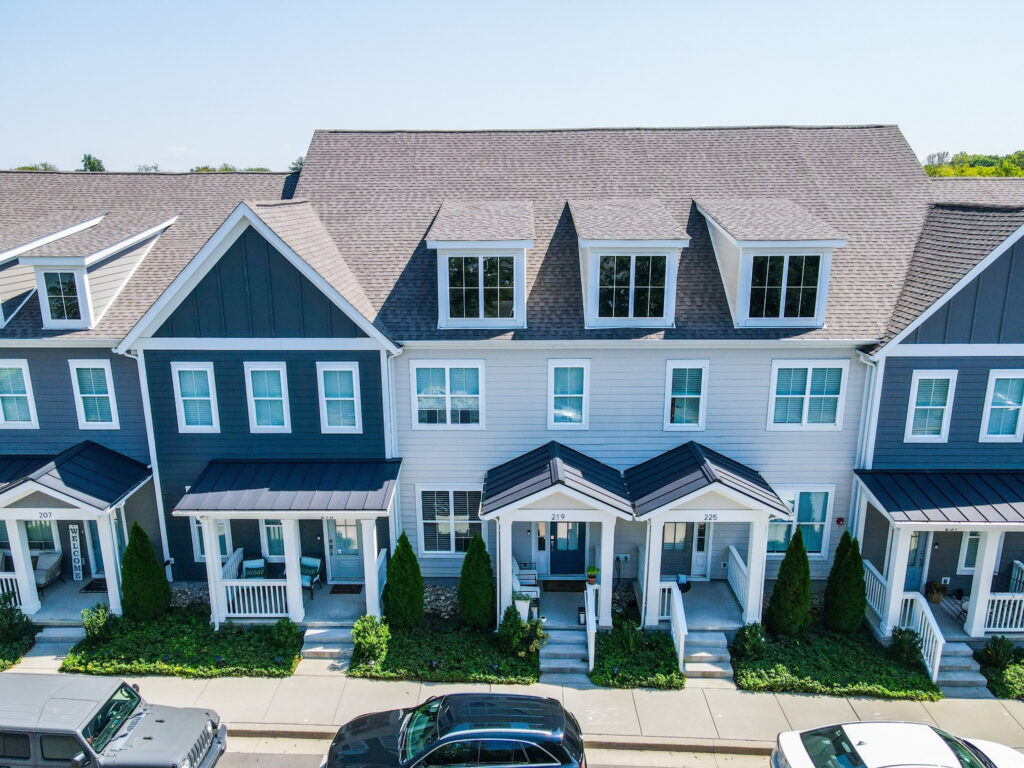
VS
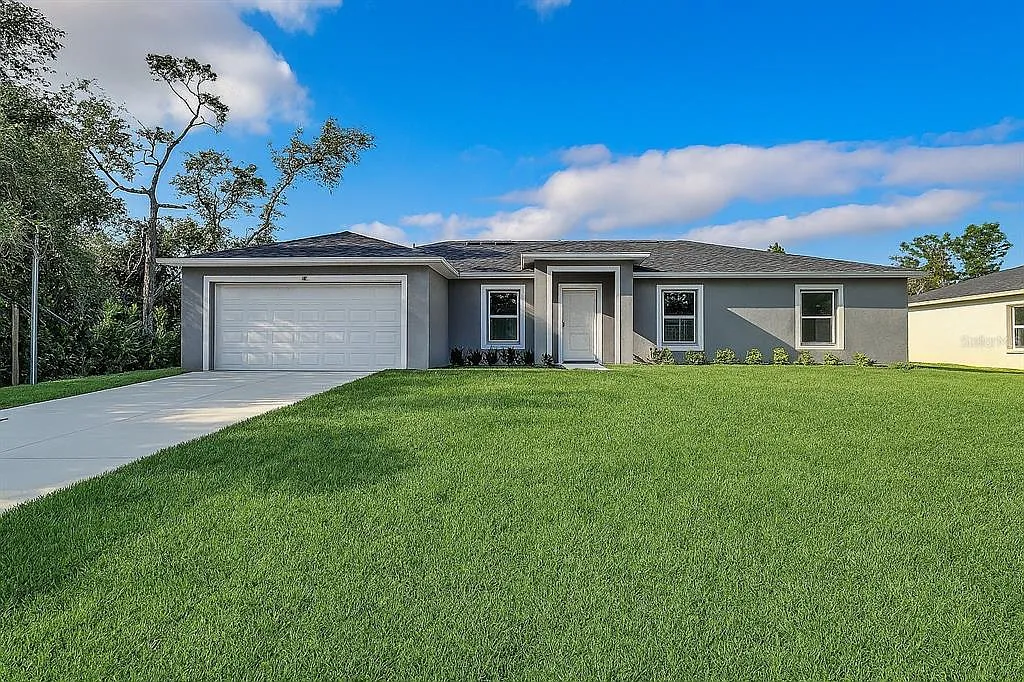
Out‑of‑State investors can compare Tennessee’s newer rental with higher NOI vs Florida’s A+ property with strong yield. Which fits YOUR investment strategy?
We have much more inventory available than what you see on our website – Let us know about your requirement.
📈 Choose Your Winner & Contact Us Today!
Speak to a Norada Investment Counselor (No Obligation):
(800) 611-3060
Mortgage rates remain high in 2026, but rental properties continue to deliver strong cash flow and appreciation. Savvy investors know that turnkey real estate is the path to passive income and long‑term wealth.
Norada Real Estate helps you secure turnkey rental properties designed for immediate cash flow and appreciation—so you can invest smartly regardless of interest rate trends.
Also Read:
- Mortgage Rates Predictions Backed by 7 Leading Experts: 2025–2026
- Mortgage Rate Predictions for the Next 3 Years: 2026, 2027, 2028
- 30-Year Fixed Mortgage Rate Forecast for the Next 5 Years
- 15-Year Fixed Mortgage Rate Predictions for Next 5 Years: 2025-2029
- Will Mortgage Rates Ever Be 3% Again in the Future?
- Mortgage Rates Predictions for Next 2 Years
- Mortgage Rate Predictions for Next 5 Years
- Mortgage Rate Predictions: Why 2% and 3% Rates are Out of Reach
- How Lower Mortgage Rates Can Save You Thousands?
- How to Get a Low Mortgage Interest Rate?
- Will Mortgage Rates Ever Be 4% Again?



