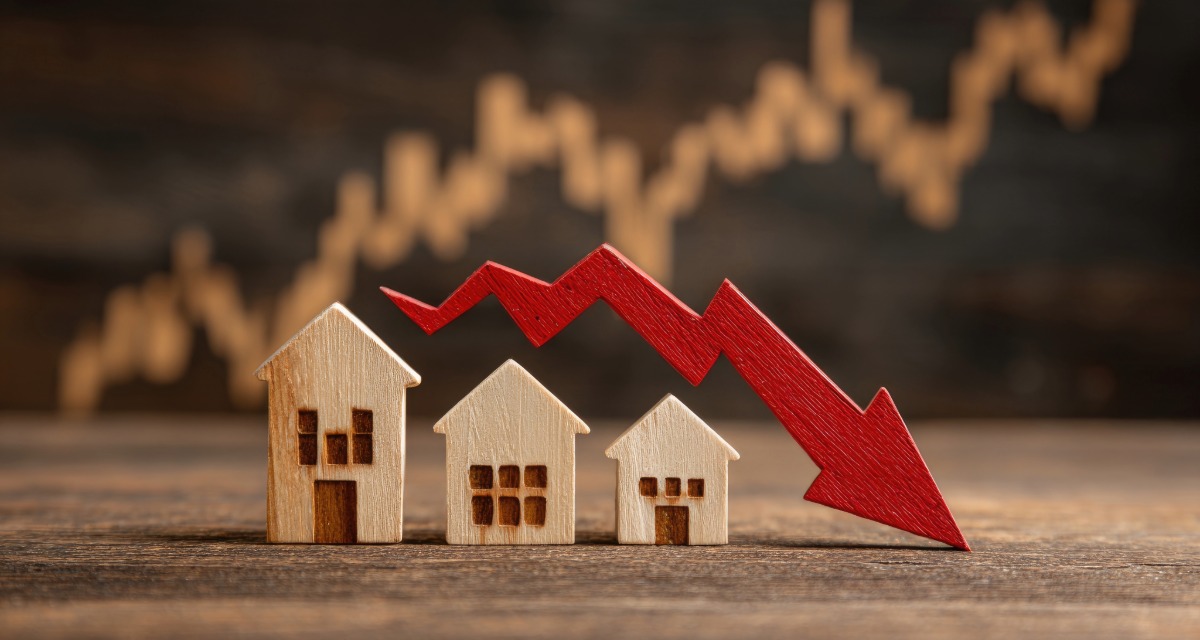
Even though mortgage rates seem to be creeping up week by week, here's a little secret: the big picture shows a slight dip. The average rate for a 30-year fixed mortgage is actually 6 basis points lower than it was a year ago. This is a small win, but in the world of buying a home, every bit counts!
30-Year Fixed Mortgage Rate is Down by 6 Basis Points Year-Over-Year
What’s Happening with Rates Right Now?
According to Freddie Mac, right now, the average rate for a 30-year fixed mortgage is sitting at 6.66%. This is a little bit higher than last week, but here’s the cool part: last year at this very same time, the average rate was 6.72%. So, even though it feels like things are going up, we’re actually paying a tiny bit less on average than we were a year ago!
This small drop might not sound like a lot, but over 30 years, it can add up to thousands of dollars saved. Isn't that awesome?
What’s Causing These Rate Swings?
It's a bit like a seesaw, isn't it? Rates go up, then they go down. Lots of things can make these rates move.
One big thing is something called “Treasury yields.” Imagine the government needs to borrow money, so they sell these things called Treasury bonds. When lots of people want to buy these bonds, the price goes up, and the interest rate they pay goes down. When fewer people want them, the price goes down, and the interest rate goes up. Mortgage rates often follow these Treasury yields pretty closely.
Another player in this game is the Federal Reserve, or “the Fed” as people often call it. They are like the captains of the country's money ship. They can make decisions that affect how much it costs to borrow money all over the place. Recently, they decided to keep things steady for now, which can sometimes push long-term borrowing costs a little higher.
The Silver Lining: More Homes for Sale!
Sometimes, even if the interest rate feels a bit high, there's good news elsewhere. And right now, there's a lot more good news about homes for sale!
More houses on the market means you have more choices when you're looking for your dream home. You don't have to feel rushed or settle for something that isn't quite right. It's like going to an ice cream shop with lots of flavors – you can pick the one you really want!
This increase in homes for sale helps balance things out. Even with rates changing, having more options makes it easier for people to find a house and makes the whole process less stressful.
Quick Look at Mortgage Numbers
Let's break down some of the important numbers from Freddie Mac's Primary Mortgage Market Survey® so you can see them clearly:
| Mortgage Type | Current Average Rate | Change from Last Week | Change from Last Year (Basis Points) |
|---|---|---|---|
| 30-Year Fixed | 6.66% | Up 0.08% | Down 6 |
| 15-Year Fixed | 6.04% | Up 0.08% | Up 19 |
A “basis point” is just a tiny unit of interest rate measurement, equal to 1/100th of a percent.
See? The 30-year fixed is actually doing better when we look back a whole year.
What About Shorter-Term Loans?
It’s not just the 30-year fixed mortgage that’s important. Many people also look at the 15-year fixed mortgage. This loan means you pay off your house faster, usually in 15 years. This often means you pay less interest overall, but your monthly payments will be higher.
As you can see in the table, the 15-year fixed mortgage has gone up a bit more compared to last year. So, if you’re looking at different loan types, it’s good to compare them.
Why Should You Jump on a 30-Year Fixed?
The 30-year fixed mortgage is super popular for a reason. It offers stability and predictability.
- Predictable Payments: Your monthly payment stays the same for the entire 30 years. This makes it easy to plan your budget.
- Lower Monthly Cost: While you might pay more interest overall compared to a 15-year loan, your monthly payments are generally lower. This can make homeownership more affordable from month to month.
- Flexibility: If you suddenly need more cash for something important, like a medical emergency or a child's education, your mortgage payment won't be a surprise.
What Does This All Mean for You?
This news about the 30-year fixed mortgage rate being down year-over-year is a positive sign for anyone thinking about buying a home. While rates can bounce around, this comparison shows that things might be a bit more manageable than they were a year ago.
With more homes available too, it feels like a good time to start exploring your options. Could now be the time to finally get those house keys?
VS
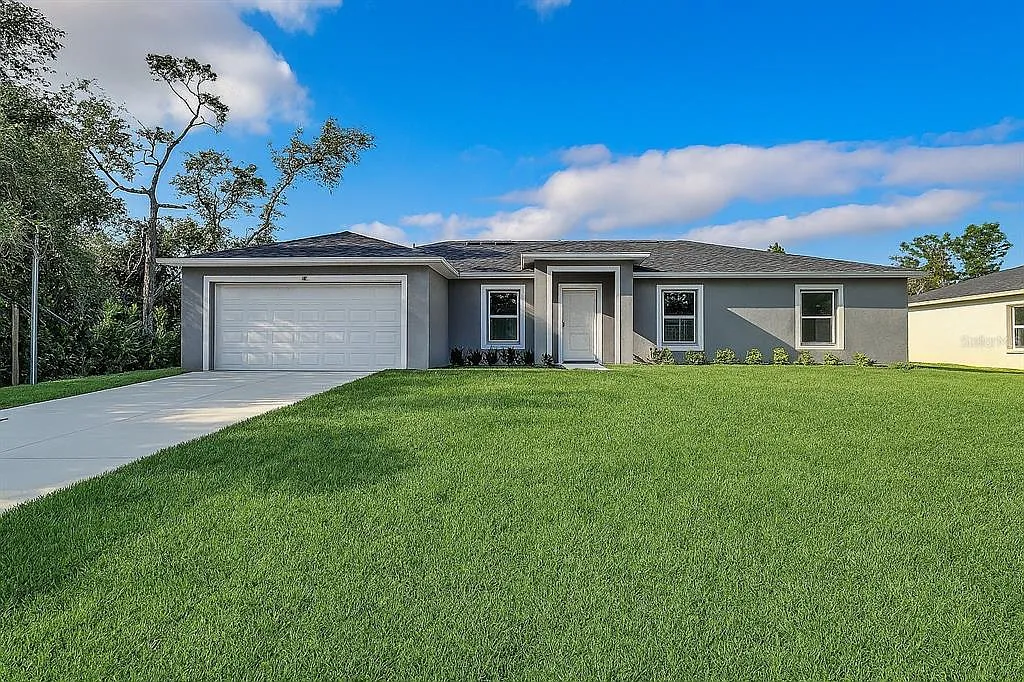
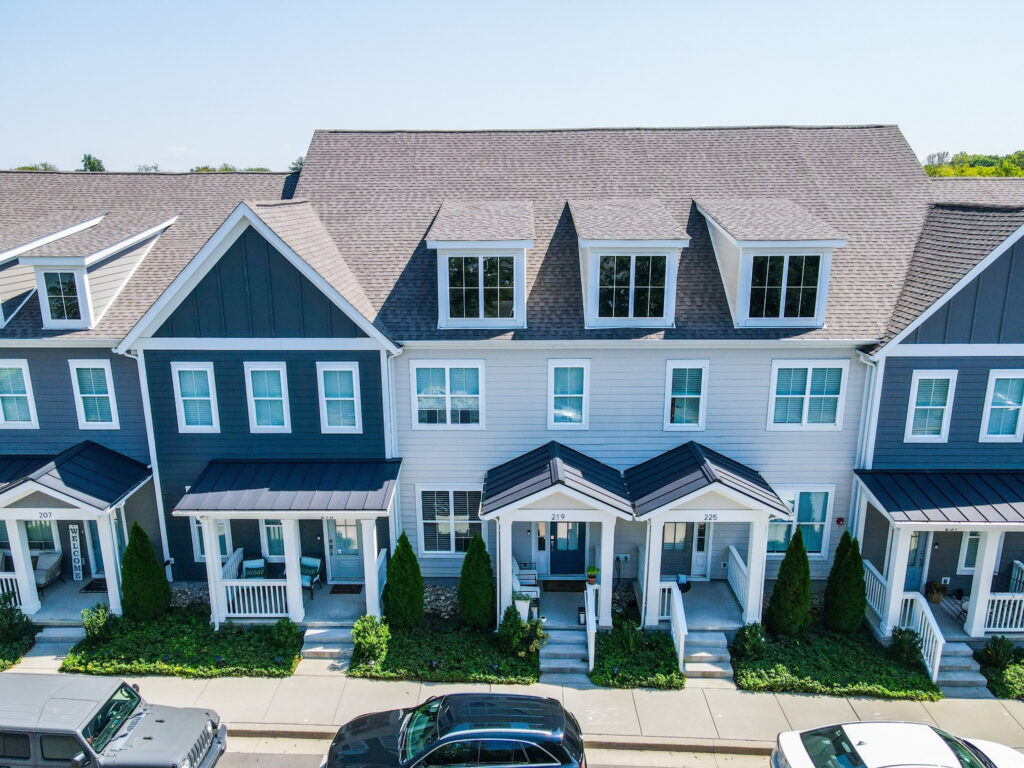
Out‑of‑State investors can compare Tennessee’s newer rental with higher NOI vs Florida’s A+ property with strong yield. Which fits YOUR investment strategy?
We have much more inventory available than what you see on our website – Let us know about your requirement.
📈 Choose Your Winner & Contact Us Today!
Speak to a Norada Investment Counselor (No Obligation):
(800) 611-3060
Mortgage rates remain near 6%, but rental properties continue to deliver strong cash flow and appreciation. Savvy investors know that turnkey real estate is the path to passive income and long‑term wealth.
Norada Real Estate helps you secure turnkey rental properties designed for immediate cash flow and appreciation—so you can invest smartly regardless of interest rate trends.
Also Read:
- Will Mortgage Rates Drop to 5% in 2026: Expert Forecast
- How to Get a 3% Mortgage Rate in 2026 With Assumable Mortgages?
- How to Get a 4% Interest Rate on a Mortgage in 2026?
- What Leading Housing Experts Predict for Mortgage Rates in 2026
- Mortgage Rate Predictions for 2026: What Leading Forecasters Expect
- Mortgage Rate Predictions for the Next 3 Years: 2026, 2027, 2028
- 30-Year Fixed Mortgage Rate Forecast for the Next 5 Years
- 15-Year Fixed Mortgage Rate Predictions for Next 5 Years: 2025-2029
- Will Mortgage Rates Ever Be 3% Again in the Future?
- Mortgage Rates Predictions for Next 2 Years
- Mortgage Rate Predictions for Next 5 Years
- Mortgage Rate Predictions: Why 2% and 3% Rates are Out of Reach
- How Lower Mortgage Rates Can Save You Thousands?
- How to Get a Low Mortgage Interest Rate?
- Will Mortgage Rates Ever Be 4% Again?