Today's mortgage rates, September 13, 2026, hold near 6.91% for the 30-year fixed — a notable jump from last week that's making homeownership harder to reach for many buyers. The 15-year fixed sits at 6.37%, while the 5/1 ARM is at 6.85%. Persistent inflation, a stronger-than-expected jobs report, and rising energy costs are all keeping upward pressure on rates, with the Fed now leaning toward holding or raising rates rather than cutting them. Here's the full rate breakdown and what it means for buyers and sellers alike.
Today's Mortgage Rates, Sept 13: 30-Year Holds Near 6.91%, a Notable Jump From Last Week
Today's Mortgage Rates: A Snapshot
Here's a look at the numbers, according to the latest data from Zillow for today, Sunday, September 13, 2026:
| Mortgage Type | Interest Rate |
|---|---|
| 30-year fixed | 6.91% |
| 20-year fixed | 6.79% |
| 15-year fixed | 6.37% |
| 5/1 ARM | 6.85% |
| 7/1 ARM | 6.60% |
| 30-year VA | 6.26% |
| 15-year VA | 5.84% |
| 5/1 VA | 5.89% |
Note: These are average rates and can vary based on your credit score, down payment, and lender.
What's Driving These Rising Rates? It's More Than Just One Thing.
It's easy to just see the number and feel frustrated, but it's important to understand why mortgage rates are moving. They don't just go up or down on a whim. A lot of powerful forces are at play, and they’re all connected.
Think of it like a recipe. You need a few key ingredients for mortgage rates to be low and stable, and right now, some of those ingredients are getting scarce or are becoming more expensive.
The Fed and Inflation: The Big Picture Players
The Federal Reserve is like the conductor of our economic orchestra. When they want to cool things down, they can raise their main interest rate. This, in turn, makes it more expensive for banks to borrow money, and they pass that cost along to us.
The August jobs report came out stronger than expected, and sadly, inflation is still being a stubborn guest. This means the Fed is thinking about raising rates, not lowering them. This is a big change from what many people thought would happen. When Wall Street sees this, they adjust their expectations, and this directly impacts the cost of borrowing money for things like mortgages.
Global Worries and Energy Costs: Adding to the Heat
It’s not just what’s happening here at home. Things happening around the world, like tensions in other countries, can make people nervous. Also, when the price of gas and other energy sources goes up, it makes everything else more expensive, including the cost of doing business. All these “big picture” worries push the yields on long-term government bonds higher, and since mortgage rates tend to follow these yields, up they go!
The “Lock-In” Effect: Why Existing Homeowners Aren't Moving
This is a really interesting point, and I see it all the time. Many people who bought or refinanced their homes during the super low-rate period of the pandemic (think 3% or even less!) are now sitting on a fantastic mortgage. The average rate on all mortgages out there is around 4.33%. Now, with today's rates hovering around 6.9%, why would anyone want to sell their home and then have to buy another one at a much, much higher rate? They wouldn't! This means fewer homes are hitting the market, which can create a weird situation where prices could stay high even with fewer buyers.
Tough Times for Buyers: What You Need to Know
These higher rates mean that buying a home is becoming a lot harder for many people. It's not just about the monthly mortgage payment.
- Big Affordability Gap: The average home price is pretty high, around $429,100. But a lot of families simply can't afford a home that expensive. Studies show that over half of U.S. households can only manage a home costing under $300,000. That’s a big gap to bridge.
- Stricter Loan Rules: Banks are getting more careful. They're asking for higher credit scores, looking closer at how much debt you have compared to your income, and sometimes making it harder for first-time buyers to get loans.
- More Costs Than Just the Mortgage: It’s not just the loan payment anymore. Homeowners insurance is going up a lot, and property taxes are also rising. These unexpected costs can add hundreds of dollars to your monthly housing bill.
But Wait, There Are Still Opportunities!
Even though things are tough, I always tell people to look for the silver lining. And believe me, there are some bright spots for savvy buyers right now.
- More Homes Available Means More Choices: Because fewer people are buying, there are more homes on the market than we’ve seen in years. This is great because it means you have more options and less pressure to jump into a bidding war. The wild competition of the past few years has cooled down.
- Builders Are Offering Sweet Deals: Homebuilders know that sales are slow. To get people buying, they're offering really good incentives. Sometimes, they'll pay a big chunk of the sales price or offer ways to buy down your mortgage rate, making your actual monthly payment much lower than the listed market rate. I’ve seen some builders offer deals that save buyers thousands of dollars.
- Sellers Are More Willing to Negotiate: Homes are staying on the market longer. This means if you find a house you like that's been listed for a while, you have more power. You can ask for a lower price or ask the seller to help you with closing costs.
My Take: Patience and Smart Shopping are Key
From my experience, this is a time for patience and being really smart about your home search. Don't get discouraged by the headlines.
- Get Pre-Approved: Know exactly how much you can borrow before you start looking. This will save you time and heartache.
- Shop Around for Lenders: Don't just go with the first bank you talk to. Compare rates and fees from different mortgage companies. Even a small difference can save you a lot of money over time.
- Consider Different Loan Types: While the 30-year fixed is popular, an ARM (Adjustable-Rate Mortgage) might be a good option if you plan to move or refinance within a few years. Just be sure you understand how the rate can change.
- Focus on Your Long-Term Goals: If buying a home is your dream, keep working towards it. These market shifts can be temporary.
The housing market is always changing, and while today’s mortgage rates present challenges, they also bring opportunities for those who are prepared and informed. Keep learning, stay persistent, and you can still find your perfect home.
VS
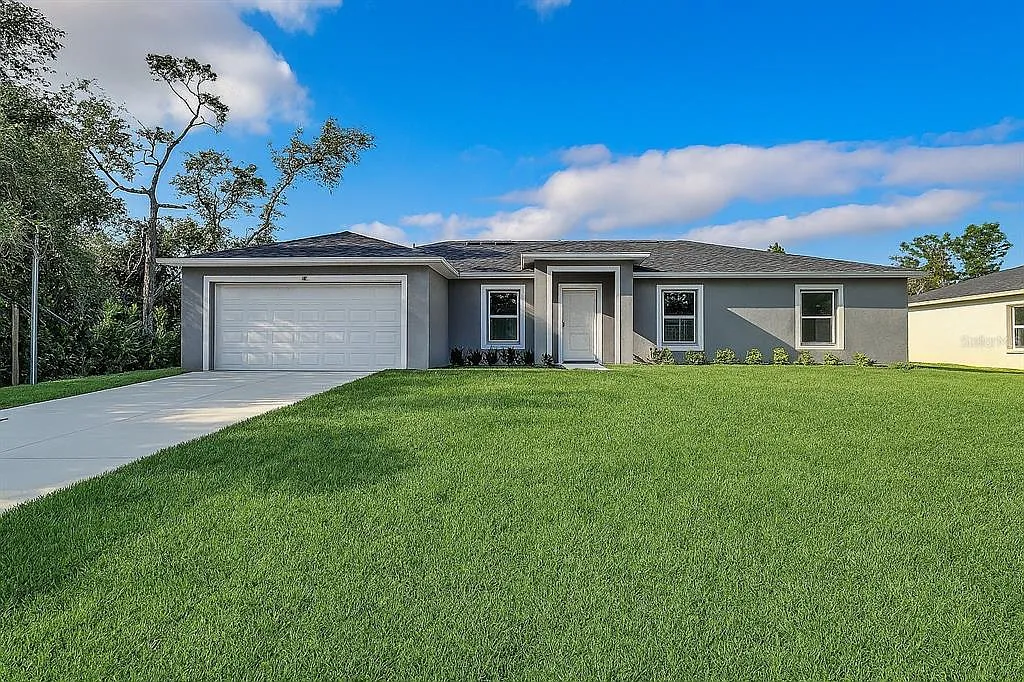
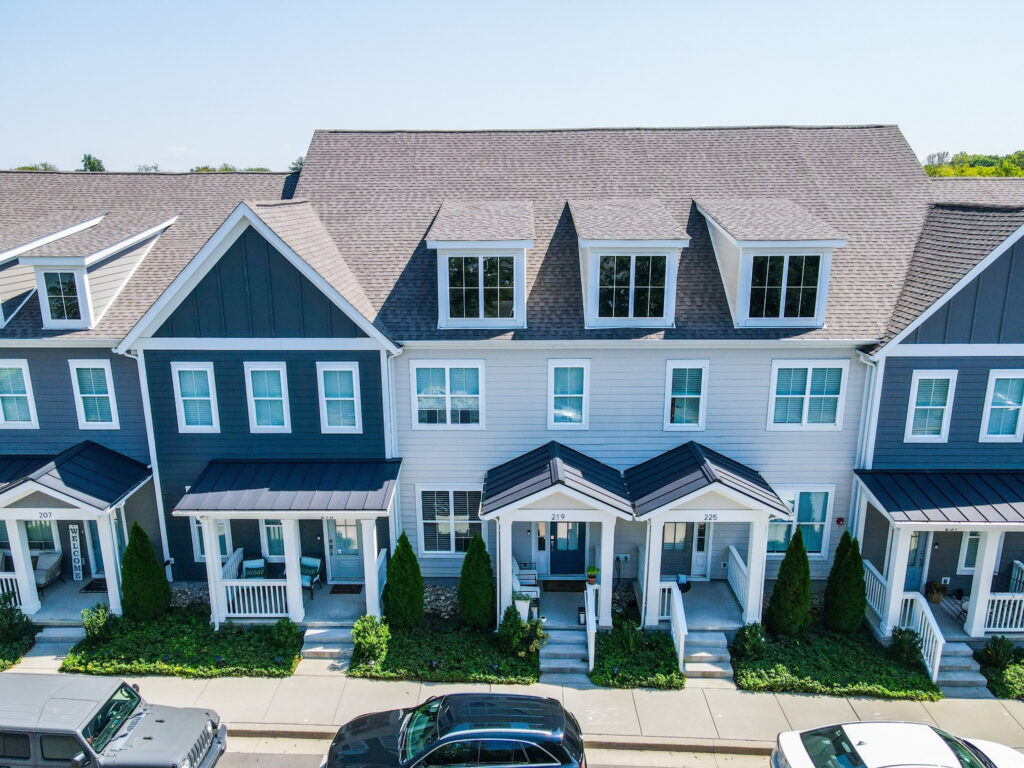
Out‑of‑State investors can compare Tennessee’s newer rental with higher NOI vs Florida’s A+ property with strong yield. Which fits YOUR investment strategy?
We have much more inventory available than what you see on our website – Let us know about your requirement.
📈 Choose Your Winner & Contact Us Today!
Speak to a Norada Investment Counselor (No Obligation):
(800) 611-3060
Mortgage rates remain high in 2026, but rental properties continue to deliver strong cash flow and appreciation. Savvy investors know that turnkey real estate is the path to passive income and long‑term wealth.
Norada Real Estate helps you secure turnkey rental properties designed for immediate cash flow and appreciation—so you can invest smartly regardless of interest rate trends.
Also Read:
- Mortgage Rates Predictions Backed by 7 Leading Experts: 2025–2026
- Mortgage Rate Predictions for the Next 3 Years: 2026, 2027, 2028
- 30-Year Fixed Mortgage Rate Forecast for the Next 5 Years
- 15-Year Fixed Mortgage Rate Predictions for Next 5 Years: 2025-2029
- Will Mortgage Rates Ever Be 3% Again in the Future?
- Mortgage Rates Predictions for Next 2 Years
- Mortgage Rate Predictions for Next 5 Years
- Mortgage Rate Predictions: Why 2% and 3% Rates are Out of Reach
- How Lower Mortgage Rates Can Save You Thousands?
- How to Get a Low Mortgage Interest Rate?
- Will Mortgage Rates Ever Be 4% Again?