
Thinking about buying a home or refinancing soon? This is a big question, and one I get asked a lot. For many of you looking to close on a home within the next month or two, the answer is a resounding yes, you should strongly consider locking your mortgage rate this week, September 7–13, 2026. Right now, the mortgage market is a bit like a rollercoaster – it’s moving fast, and the winds seem to be pushing rates upwards, making it safer to hold onto the rate you can get today rather than hoping for a big drop that might not come.
Should You Lock Your Mortgage Rate This Week: September 7–13, 2026
When you’re about to make one of the biggest financial decisions of your life, like buying a home, understanding these shifts is crucial. The last thing you want is for your monthly payment to jump unexpectedly just before you get the keys to your new place.
Why This Week Is a Big Deal for Your Mortgage Rate
Let's break down why locking in your rate right now, this week, makes a lot of sense. We’re not just talking about a tiny bump; there are some pretty significant things happening that could send mortgage rates higher.
The Rollercoaster Just Went Up: You might have heard talk about mortgage rates going down. Well, that didn't quite happen as some folks expected. In fact, rates have been climbing, reaching some of their highest points in over a year. This means that if you're thinking about buying, getting a rate that's currently around 6.64% to 6.81% for a 30-year fixed loan is a good deal compared to what might be coming. Trying to wait for a big drop right now feels a bit risky, and I’d rather see you protected.
Gas Prices and Worries About More Price Hikes: You’ve probably noticed that gas prices have been going up, even crossing the $100 a barrel mark. When gas gets more expensive, it usually means other things start to cost more too. This is called inflation, and it makes lenders nervous. When inflation fears rise, mortgage rates tend to go up because the money people pay back later won’t be worth as much.
The Big Bank Meeting: The people in charge of our country’s money – the Federal Open Market Committee (FOMC) – are meeting next week, on September 16–17. There’s a lot of buzz that they might not lower interest rates like everyone hoped, or they might even raise them again. This uncertainty makes lenders push their rates up, just in case. You can see this happening already, with rates on fixed loans steadily moving higher.
Waiting for the Big Price Report: On Friday morning, September 11, a really important report called the Consumer Price Index (CPI) is coming out. This report tells us how much prices have changed for everyday things. If this report shows that prices are still going up a lot (what we call “sticky inflation”), the stock market can get spooked, and bond prices can fall. When bonds fall, mortgage rates tend to shoot up – and fast!
Lock vs. Float: What’s the Smart Move?
When you're getting ready to buy, you have two main choices for your mortgage rate: you can lock it or float it.
| Strategy | When to Choose | Core Benefit | Risk Involved |
|---|---|---|---|
| Lock Your Rate | You're under contract and closing in 30–60 days; your budget is tight. | Guarantees your interest rate and loan fees won’t go up before you close. | You miss out on any drops unless you have a special “float-down” option. |
| Float Your Rate | You’re just starting to look for a home; closing is 90+ days away. | You can wait to see if rates go down before you commit to a specific rate. | You’re exposed to sudden rate hikes that could make your dream home unaffordable or increase your monthly cost. |
For most people looking to close in the next 30 to 60 days, locking your rate this week is the most sensible strategy. Floating your rate right now feels like playing with fire when your closing date is close. The chances of rates dropping significantly before your closing are pretty slim compared to the real risk of them climbing higher.
How to Make the Most of Your Rate Lock This Week
If you decide to lock your rate, here are a few smart things to do:
- Ask About a Float-Down Provision: When you talk to your lender about locking your rate, ask if they offer a “float-down” option. This is like a safety net. If rates go up significantly after you lock, you're protected. But if they unexpectedly drop a little before your closing, you might be able to get that lower rate. It's a great way to have your cake and eat it too, with just one chance to lower your rate.
- Compare Purchase vs. Refinance Rates: If you're buying a home, make sure you're comparing offers for purchase loans. The numbers I'm seeing show that rates for buying a home are usually a bit lower than rates for refinancing an existing mortgage. For example, some data shows purchase rates are tracking a little better than refinance rates, which are sitting closer to 6.86%. Don't get confused by different types of quotes!
- Keep Your Credit Score Steady: A rate lock is great, but it only works if the information on your loan application stays the same. This means no big changes! Don't switch jobs, don't buy a new car and take out a loan for it, and definitely don't open new credit cards between now and when you close. Any of these things could affect your credit score and potentially void your rate lock or even lead to a higher rate.
My Two Cents as Someone Who's Seen This Before
Looking at the big picture, the forces pushing mortgage rates up seem stronger than the forces pushing them down right now. We’ve got global events affecting oil prices, inflation concerns, and big government decisions on the horizon. For someone with a closing date in the near future, trying to wait for a better rate feels like a gamble I wouldn't want to take. It’s better to secure a rate that feels manageable for your budget and take away that worry.
Think of it this way: if you knew there was a chance the price of your favorite candy bar was going to go up tomorrow, but you could buy it at today’s price right now, you’d probably buy it today, right? Locking your mortgage rate is a similar idea. You’re protecting yourself from a potential future price increase.
So, if your closing date is coming up in the next 30 to 60 days, my advice is to lock in your mortgage rate this week. It gives you peace of mind and protects your budget from the uncertainty of the market.
VS
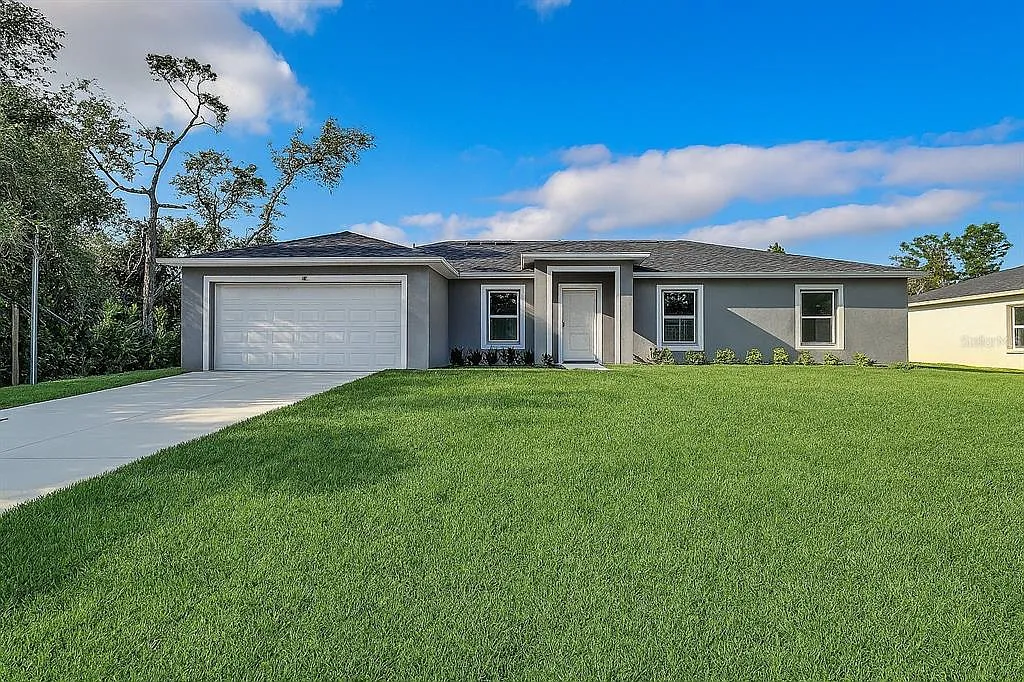
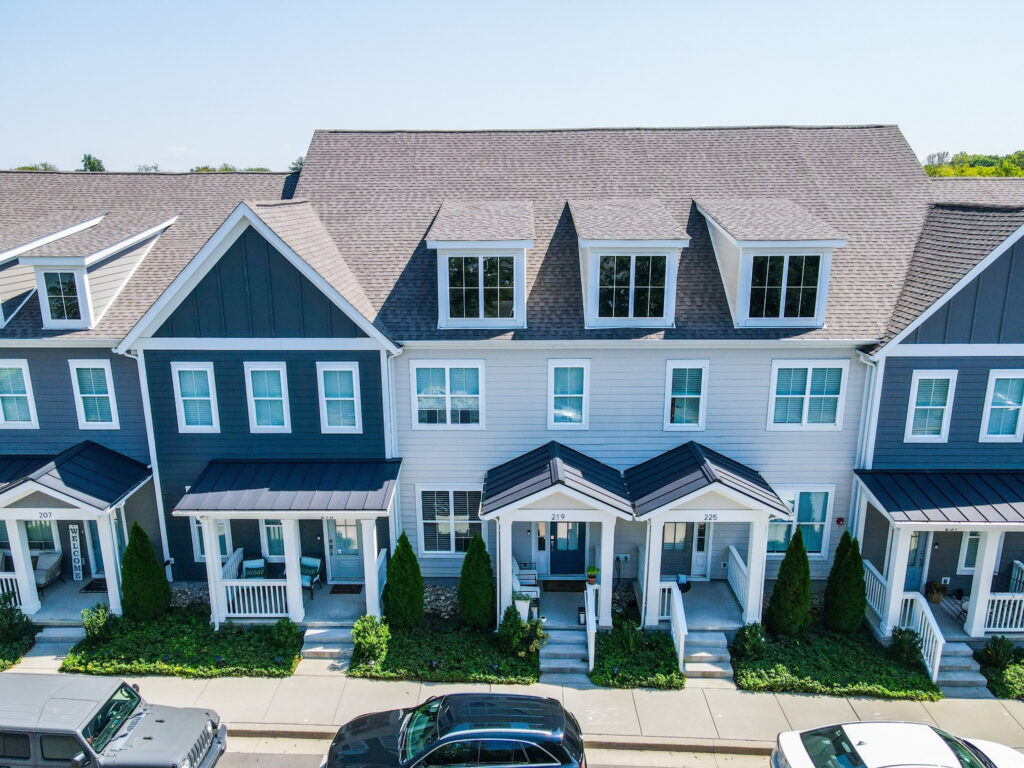
Out‑of‑State investors can compare Tennessee’s newer rental with higher NOI vs Florida’s A+ property with strong yield. Which fits YOUR investment strategy?
We have much more inventory available than what you see on our website – Let us know about your requirement.
📈 Choose Your Winner & Contact Us Today!
Speak to a Norada Investment Counselor (No Obligation):
(800) 611-3060
Mortgage rates remain high in 2026, but rental properties continue to deliver strong cash flow and appreciation. Savvy investors know that turnkey real estate is the path to passive income and long‑term wealth.
Norada Real Estate helps you secure turnkey rental properties designed for immediate cash flow and appreciation—so you can invest smartly regardless of interest rate trends.
Also Read:
- Mortgage Rates Predictions Backed by 7 Leading Experts: 2025–2026
- Mortgage Rate Predictions for the Next 3 Years: 2026, 2027, 2028
- 30-Year Fixed Mortgage Rate Forecast for the Next 5 Years
- 15-Year Fixed Mortgage Rate Predictions for Next 5 Years: 2025-2029
- Will Mortgage Rates Ever Be 3% Again in the Future?
- Mortgage Rates Predictions for Next 2 Years
- Mortgage Rate Predictions for Next 5 Years
- Mortgage Rate Predictions: Why 2% and 3% Rates are Out of Reach
- How Lower Mortgage Rates Can Save You Thousands?
- How to Get a Low Mortgage Interest Rate?
- Will Mortgage Rates Ever Be 4% Again?