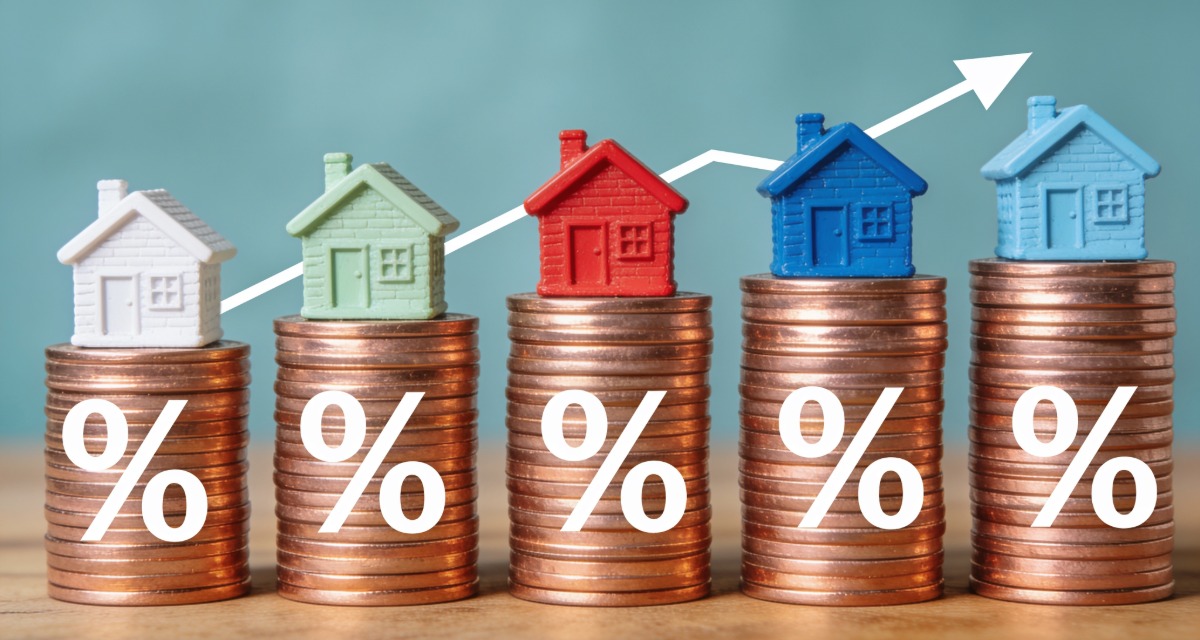
The average rate for a 30-year fixed mortgage has risen to 6.71%, a noticeable increase of 21 basis points compared to this time last year. This upward trend means buying a home is becoming more expensive for new buyers, and fewer people are finding it a good idea to refinance their existing loans.
30-Year Fixed Mortgage Rate Rises by 21 Basis Points Compared to Last Year
As of September 3, 2026, the average 30-year fixed-rate mortgage has nudged up to 6.71%. Now, I know what you might be thinking: “A few tenths of a percent? What's the big deal?” But when you're talking about a loan that you'll be paying back for 30 years, those small changes add up to a whole lot of money.
This 6.71% rate is actually the highest we've seen in a little over a year. It’s a jump of 5 basis points from the week before (when it was 6.66%), and the really important number to remember is that it's a full 21 basis points higher than it was at this time last year, when it was sitting at a more welcoming 6.50%. This change affects everyone looking to buy a new home or thinking about switching their current mortgage.
Why the Climb? Let's Break It Down
It’s never just one thing, is it? Several factors are playing a role in pushing these mortgage rates higher.
The Bond Market Gets a Little Jittery
Think of mortgage rates like a ship following a big boat. The big boat in this case is the yield on the U.S. 10-year Treasury note. When investors get worried and start selling off these bonds, their yields go up. And wouldn't you know it, mortgage rates tend to follow suit pretty closely. It's like a chain reaction. Right now, there's a bit of selling happening, which is nudging those yields – and consequently, our mortgage rates – upwards.
Worries About Prices Going Up and World News
We’re seeing some bumps in the road with global events, like renewed troubles in the Middle East. This often causes energy prices to jump. When gas and oil get more expensive, people start to worry about inflation, which is when the cost of almost everything seems to climb. Even though some parts of our economy are showing signs of slowing down, these inflation concerns are preventing mortgage rates from taking a dive.
People Are Still Eager to Buy Homes
This might seem a little surprising, but even with these higher rates, lots of folks are still trying to buy houses. It seems like buyers are starting to get used to the idea that rates might stick around in the “high sixes,” as some smart people in the economics world are calling it. They’re finding ways to adjust and make their dream of homeownership happen.
What Does This Mean for You and Your Wallet?
This rise in mortgage rates has some pretty clear impacts, especially if you’re looking to buy a house or maybe refinance your current one.
For Those Dreaming of a New Home
- Higher Monthly Payments: The most obvious effect is that your monthly mortgage payment will be higher than if you had bought a year ago with the same amount of money borrowed. This can make it trickier to afford the house you want or might mean you have to look at smaller homes or different neighborhoods.
- The Affordability Squeeze: Home affordability – meaning how much of your paycheck goes towards your home costs – gets a bit tighter. You might find yourself needing to spend more of your income on housing than you originally planned.
For Homeowners with Existing Mortgages
- The Refinance Pause: If you were hoping to refinance your current mortgage to grab a lower interest rate and save some cash, this might not be the best moment. The rates have gone up past the point where many people find it worth it to switch loans. It’s just not as appealing to take out a new loan if the interest rate is higher than what you already have.
Let's Look at the Numbers: A Snapshot from Freddie Mac
To give you a clearer picture, here's some information directly from Freddie Mac, a group that keeps a close eye on mortgage rates across the country.
U.S. Weekly Average Mortgage Rates (as of 09/03/2026)
| Mortgage Type | Current Average Rate | 1-Week Change | 1-Year Change | Monthly Average | 52-Week Average | 52-Week Range |
|---|---|---|---|---|---|---|
| 30-Year Fixed | 6.71% | +0.05% | +0.21% | 6.67% | 6.32% | 5.98% – 6.71% |
| 15-Year Fixed | 6.04% | +0.06% | +0.44% | 5.98% | 5.64% | 5.35% – 6.04% |
Note: Basis points are like tiny steps for interest rates. 100 basis points is the same as 1 full percentage point.
As you can see, it's not just the 30-year fixed rate that's climbing. The 15-year fixed rate has also gone up noticeably, both from last week and even more so compared to last year. This shows that borrowing money for a home is becoming more expensive overall.
My Thoughts on All This
From where I stand, this rise in rates isn't a huge shock. We've been seeing signals from the economy that point towards this. The Federal Reserve has been trying to calm down inflation, and one of the main tools they use is influencing interest rates. When the Fed signals that rates might go up, it affects everything from your credit card bills to, of course, your mortgage.
What I find interesting is how many people are still determined to buy homes. It really shows how much people want to own their own place. But we have to be realistic: higher rates mean you can't borrow as much money for the same monthly payment.
Let’s do a quick example. Imagine you were looking at a $300,000 loan.
- At a rate of 6.50%, your monthly payment for just the loan (principal and interest) would be about $1,896.
- But at the current rate of 6.71%, that same $300,000 loan jumps to about $1,937 per month.
That’s an extra $41 each month. Over a year, that’s almost $500 more, and over the entire 30 years, it adds up to over $15,000! That's why it’s super important to be smart and plan carefully right now.
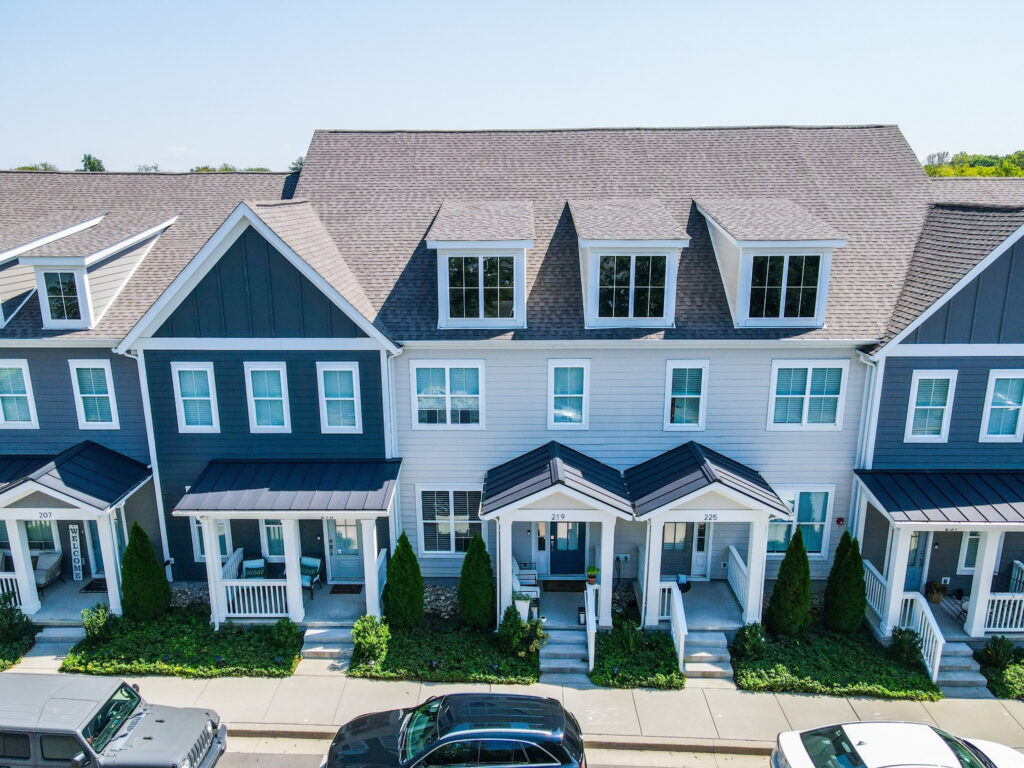
VS
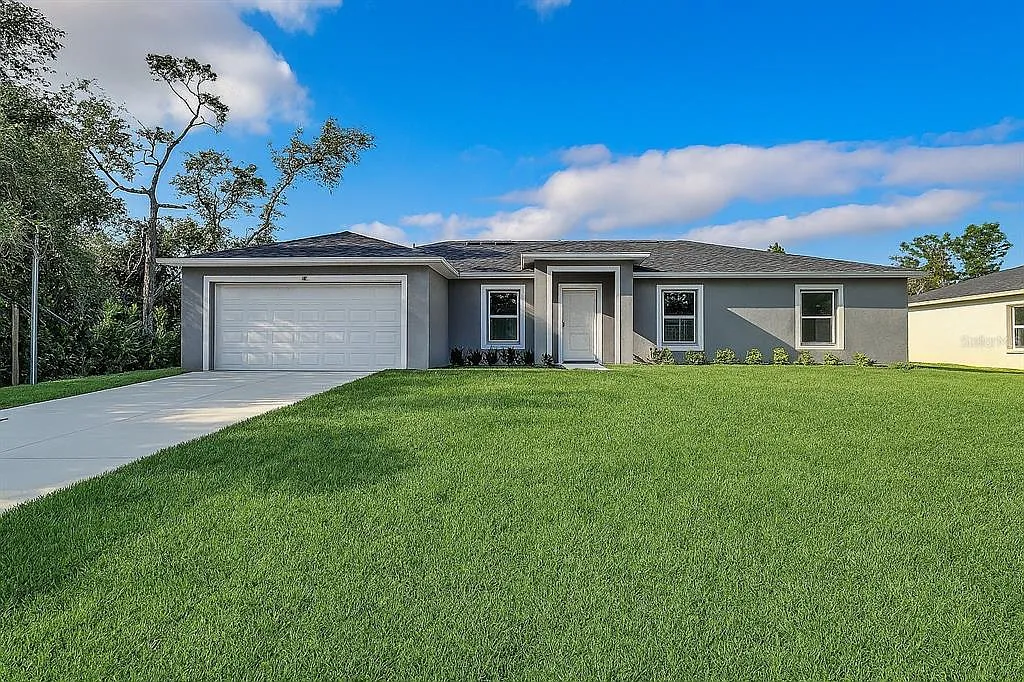
Out‑of‑State investors can compare Tennessee’s newer rental with higher NOI vs Florida’s A+ property with strong yield. Which fits YOUR investment strategy?
We have much more inventory available than what you see on our website – Let us know about your requirement.
📈 Choose Your Winner & Contact Us Today!
Speak to a Norada Investment Counselor (No Obligation):
(800) 611-3060
Mortgage rates remain high in 2026, but rental properties continue to deliver strong cash flow and appreciation. Savvy investors know that turnkey real estate is the path to passive income and long‑term wealth.
Norada Real Estate helps you secure turnkey rental properties designed for immediate cash flow and appreciation—so you can invest smartly regardless of interest rate trends.
Also Read:
- Mortgage Rates Predictions Backed by 7 Leading Experts: 2025–2026
- Mortgage Rate Predictions for the Next 3 Years: 2026, 2027, 2028
- 30-Year Fixed Mortgage Rate Forecast for the Next 5 Years
- 15-Year Fixed Mortgage Rate Predictions for Next 5 Years: 2025-2029
- Will Mortgage Rates Ever Be 3% Again in the Future?
- Mortgage Rates Predictions for Next 2 Years
- Mortgage Rate Predictions for Next 5 Years
- Mortgage Rate Predictions: Why 2% and 3% Rates are Out of Reach
- How Lower Mortgage Rates Can Save You Thousands?
- How to Get a Low Mortgage Interest Rate?
- Will Mortgage Rates Ever Be 4% Again?