The average 30-year fixed-rate mortgage has climbed to 6.71%, a significant jump of 21 basis points compared to this time last year, making it harder for folks to buy homes and less appealing to refinance.
According to the latest report from Freddie Mac, a really important group that tracks mortgage rates across the country, the average rate for a 30-year fixed mortgage hit 6.71% for the week ending September 3, 2026. Now, you might think a few tenths of a percent doesn't sound like much, but trust me, it adds up, especially when you're talking about a loan that lasts for 30 years!
This new rate is actually the highest it's been in over a year. It’s a jump of 5 basis points from the week before (when it was 6.66%), and the key thing is that it's a full 21 basis points higher than it was at this exact time last year, when it was sitting at a more comfortable 6.50%.
Mortgage Rates Surge: 30-Year Fixed Hits 6.71%, Up 21 Basis Points Annually
Why the Climb? A Peek Under the Hood
So, what’s causing this climb? It’s not just one thing, but a few big players are definitely at work.
- The Bond Market Jitters: Think of mortgage rates as following closely behind something called the U.S. 10-year Treasury note yield. When people start selling off a lot of these bonds (which is happening right now), their yields go up. And when those yields climb, mortgage rates tend to follow right behind them. It's like a ripple effect.
- Worries About Inflation and World Events: We’re seeing some renewed trouble in the Middle East, and that’s causing energy prices to jump. When energy prices go up, it often makes folks worry about inflation – that’s when prices for everything seem to go up. Even though some signs show the economy might be cooling down a bit, these inflation worries are keeping mortgage rates from dropping.
- People Are Still Buying Homes: This might surprise you, but even with these higher rates, lots of people are still looking to buy houses. It seems like buyers are slowly getting used to the idea that rates are going to stay in the “high sixes,” as some economists are calling it. They're finding ways to make it work.
What Does This Mean for You?
This rise in mortgage rates has some pretty direct effects, especially for those looking to buy a home or refinance.
For New Homebuyers:
- Higher Monthly Payments: The most obvious impact is that your monthly mortgage payment will be higher than if you had bought a year ago with the same loan amount. This can make it harder to qualify for the size of loan you need or force you to look at smaller homes or less expensive areas.
- Affordability Crunch: Home affordability, which is how much of your income is needed for housing costs, gets tighter. It means you might have to stretch your budget more than you planned.
For Current Homeowners:
- The Refinance Freeze: If you were hoping to refinance your current mortgage to get a lower rate and save money, this might not be the best time. The rate has climbed above what many people are willing to refinance for, essentially putting a freeze on the refinance market for many. It’s just not as attractive to switch loans when the new rate is higher than your old one.
A Look at the Numbers: Freddie Mac's Survey
To give you a clearer picture, here’s a snapshot from Freddie Mac’s latest survey:
U.S. Weekly Average Mortgage Rates as of 09/03/2026
| Mortgage Type | Current Average Rate | 1-Week Change | 1-Year Change | Monthly Average | 52-Week Average | 52-Week Range |
|---|---|---|---|---|---|---|
| 30-Year Fixed | 6.71% | +0.05% | +0.21% | 6.67% | 6.32% | 5.98% – 6.71% |
| 15-Year Fixed | 6.04% | +0.06% | +0.44% | 5.98% | 5.64% | 5.35% – 6.04% |
Note: Basis points are simply a way to measure small changes in interest rates. 100 basis points equals 1 percentage point.
As you can see, not only is the 30-year fixed rate up, but the 15-year fixed rate has also seen a noticeable increase, both from last week and significantly from last year. This shows a broader trend of rising borrowing costs across the board.
My Two Cents: What I'm Seeing and Thinking
From my perspective, this upward trend isn't entirely surprising, given the economic signals we've been getting. The Federal Reserve has been working to cool down inflation, and one of the ways they do that is by influencing interest rates. When the Fed signals higher rates, it impacts everything from credit cards to mortgages.
What’s interesting is the resilience of the purchase market. It tells me that people really want to own homes, and they’re willing to adapt. However, we need to be realistic. Higher rates mean less buying power. A $300,000 loan at 6.50% has a monthly principal and interest payment of about $1,896. But at 6.71%, that same loan jumps to about $1,937 per month. That’s an extra $41 every month, which adds up to almost $500 more over a year, and over $15,000 over the life of the loan!
This is why being smart and strategic is more important than ever.
What Can You Do?
If you’re in the market to buy or thinking about refinancing, don’t despair. There are absolutely ways to manage this situation.
- Shop Around Like Crazy: This is my biggest piece of advice. Don't just go with the first lender you talk to. Rates can vary significantly between banks, credit unions, and mortgage brokers. Getting quotes from at least three different lenders can seriously save you a lot of money over the years. A small difference in the rate can mean tens of thousands of dollars saved.
- Consider Different Loan Types: The 30-year fixed is the most popular, but it might not be the best fit for everyone right now.
- Adjustable-Rate Mortgages (ARMs): While they can be a bit riskier because the rate can go up, ARMs often start with a lower interest rate than fixed-rate loans. If you plan to move or refinance before the fixed period ends, an ARM could save you money initially.
- FHA and VA Loans: If you qualify for these government-backed loans (FHA for first-time homebuyers with lower credit scores, VA for veterans), they often come with more competitive initial interest rates and sometimes lower down payment requirements.
- Boost Your Credit Score: A higher credit score usually means you'll qualify for better interest rates. If you can, take some time to improve your credit score before applying for a mortgage. Paying down debt and ensuring you have a good payment history can make a big difference.
- Negotiate Fees: Beyond the interest rate, there are other fees associated with getting a mortgage (like origination fees, appraisal fees, etc.). Don't be afraid to ask lenders to reduce or waive some of these fees.
The mortgage market is always moving, and staying informed is half the battle. While these rising rates might feel a bit daunting, remember that there are strategies and options available to help you achieve your homeownership goals.
VS
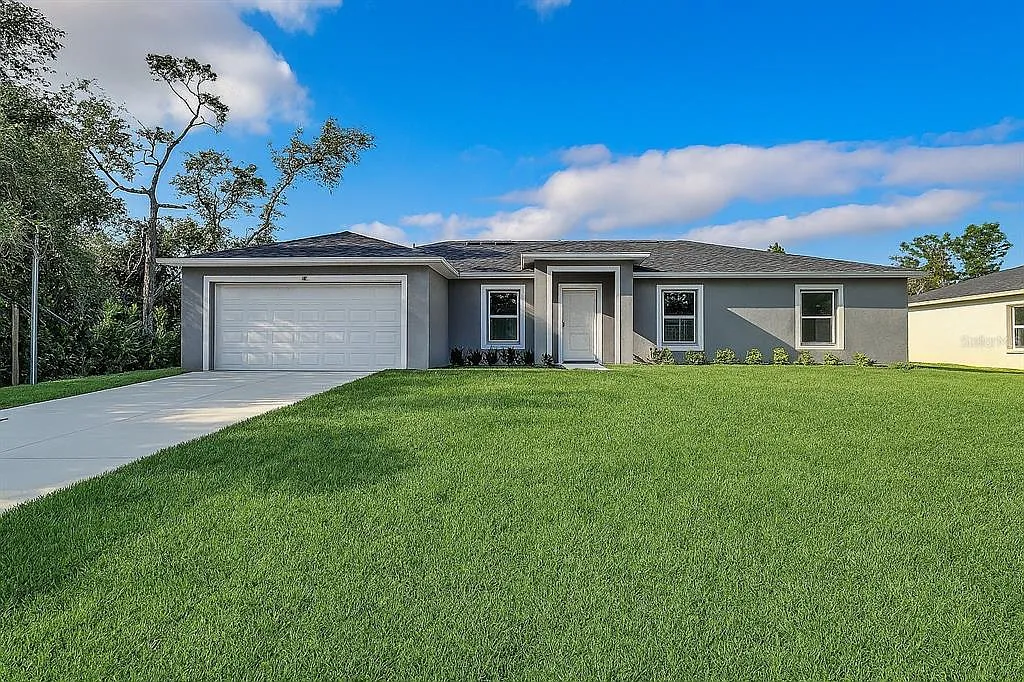
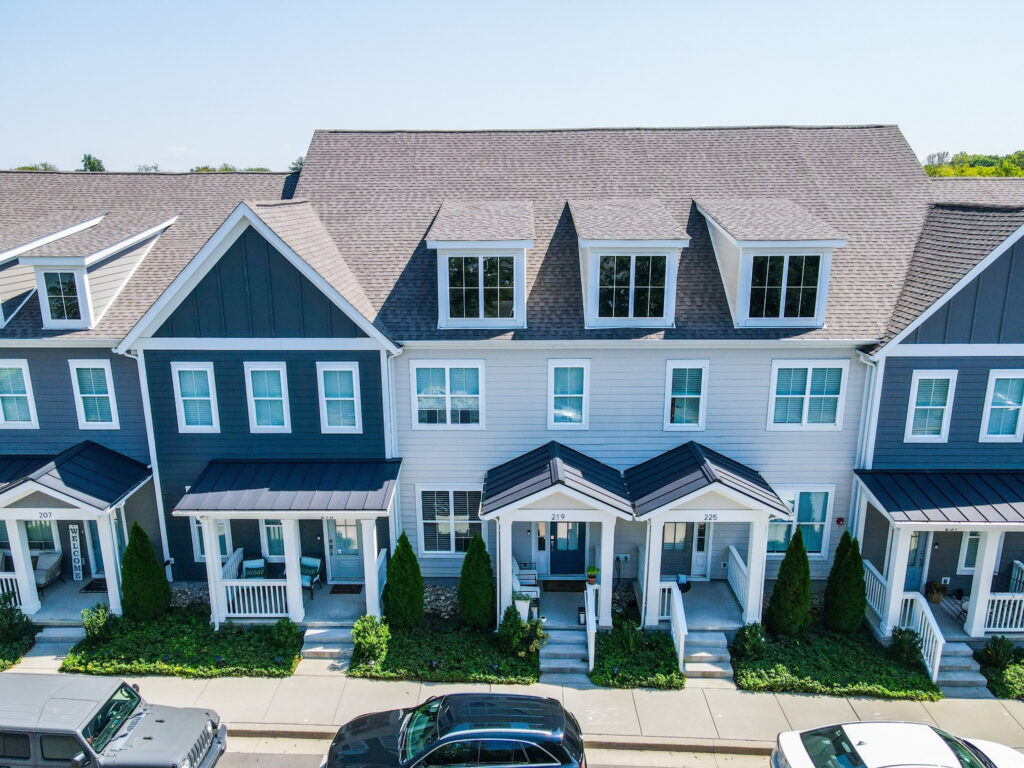
Out‑of‑State investors can compare Tennessee’s newer rental with higher NOI vs Florida’s A+ property with strong yield. Which fits YOUR investment strategy?
We have much more inventory available than what you see on our website – Let us know about your requirement.
📈 Choose Your Winner & Contact Us Today!
Speak to a Norada Investment Counselor (No Obligation):
(800) 611-3060
Mortgage rates remain high in 2026, but rental properties continue to deliver strong cash flow and appreciation. Savvy investors know that turnkey real estate is the path to passive income and long‑term wealth.
Norada Real Estate helps you secure turnkey rental properties designed for immediate cash flow and appreciation—so you can invest smartly regardless of interest rate trends.
Also Read:
- Mortgage Rates Predictions Backed by 7 Leading Experts: 2025–2026
- Mortgage Rate Predictions for the Next 3 Years: 2026, 2027, 2028
- 30-Year Fixed Mortgage Rate Forecast for the Next 5 Years
- 15-Year Fixed Mortgage Rate Predictions for Next 5 Years: 2025-2029
- Will Mortgage Rates Ever Be 3% Again in the Future?
- Mortgage Rates Predictions for Next 2 Years
- Mortgage Rate Predictions for Next 5 Years
- Mortgage Rate Predictions: Why 2% and 3% Rates are Out of Reach
- How Lower Mortgage Rates Can Save You Thousands?
- How to Get a Low Mortgage Interest Rate?
- Will Mortgage Rates Ever Be 4% Again?