Today's mortgage rates, August 29, 2026, jumped sharply: the 30-year fixed climbed to 6.88%, pushing it near its highest point of the year, as sticky inflation keeps the Federal Reserve on hold. The 15-year fixed rose to 6.25%, while the 7-year ARM was the lone bright spot, dipping slightly to 6.63%. With core inflation measures still running above the Fed's 2% target, elevated Treasury yields, and no rate cuts in sight, borrowing costs are unlikely to ease soon. Here's the full rate breakdown and what's driving today's jump.
Today's Mortgage Rates, August 29: 30-Year Hits 6.88% as Sticky Inflation Keeps Fed on Hold
Here's a quick look at what Zillow is reporting for some popular loan types:
| Loan Type | Rate | APR |
|---|---|---|
| 30-Year Fixed | 6.88% | 7.04% |
| 30-Year FHA | 6.38% | 7.09% |
| 30-Year VA | 6.38% | 6.67% |
| 15-Year Fixed | 6.25% | 6.53% |
| 7-Year ARM (Example) | 6.63% | N/A |
(Note: APRs are also rounded up to 2 decimal places)
What's the Big Picture for Rates?
Right now, it feels like mortgage rates are playing a bit of a waiting game. They're not really dropping, and they're not shooting up dramatically either. Rates are essentially holding in place for now. For folks wanting to buy a home, this means the rates we're seeing today are pretty close to where they've been for a little while, not offering a big discount, but also not a scary jump.
Freddie Mac, a big name in the housing world, says that the average 30-year fixed rate is hanging out pretty close to its highest point this year, which was 6.69%. This means that getting a lower rate today might be a bit of a challenge, and it's something to keep in mind as you budget.
However, it's not all the same story for every kind of loan. While those fixed-rate mortgages are staying put, adjustable-rate mortgages (ARMs), like the 7-year ARM I mentioned, are actually showing a small dip.
Looking ahead, some smart folks who study the housing market think that rates might stay in this range for the rest of the year. The Mortgage Bankers Association is guessing the 30-year fixed rate will likely be between 6.60% and 6.70%. Fannie Mae, another big player, thinks it might be a little higher, around 6.70% to 6.80%. This gives us a pretty good idea of what to expect in the coming months.
Why Are Rates Doing What They're Doing?
So, why aren't rates going down? It's not just one thing; it's a mix of big global events and what's happening right here at home.
- Energy Worries and Global Troubles: You might remember that there's been some serious trouble in Iran earlier this year. This has made it harder to get oil and other energy sources. When energy is harder to get, prices can go up, which means more inflation. When inflation is high, it makes it harder for interest rates, including mortgage rates, to come down. Investors are watching this very closely because it impacts everything.
- Inflation is Still a Bit Stubborn: Here in the US, we're seeing mixed signals about how much things are costing. The Consumer Price Index (CPI), which measures a lot of everyday stuff, has gone down a bit. But another important measure, the Personal Consumption Expenditures (PCE) price index, is still sticking around 3.7%. Both of these numbers are higher than what the Federal Reserve, the country's main bank, wants, which is 2%. When inflation doesn't cool down, the Fed tends to keep interest rates higher.
- The Federal Reserve is Waiting: Because inflation isn't completely gone, the Federal Reserve has decided to keep its main interest rate steady. They've held off on making any big cuts at their meetings this year. When the Fed's main rate stays high, it makes borrowing money more expensive for everyone, including people getting mortgages.
- The Bond Market Matters: Mortgage rates closely track the 10-year U.S. Treasury yield. Right now, this yield is staying high. Even when the government tried to buy more bonds to make the yield go down, the market didn't really move much. This shows that there's still a lot of demand for higher returns, which keeps mortgage rates from falling.
My Take: What This Means for You
From my experience, seeing rates hover like this can be a bit frustrating for buyers. It means that the dream of a lower monthly payment might not be as close as some had hoped. However, it's not all doom and gloom.
First off, ARMs are looking a little more attractive if you're okay with a loan that might change in the future. They often start with a lower rate than fixed loans. Just make sure you understand how those rates can change and if you're comfortable with that possibility.
Secondly, even though rates are steady, they are still historically quite good. If you look back over the last few decades, the rates we're seeing today are not the highest they've ever been.
What I always advise people to do is to shop around. Don't just go with the first lender you talk to. Different lenders offer different rates and fees, and a little bit of comparing can save you a lot of money over the life of your loan. Also, look at the APR (Annual Percentage Rate), not just the interest rate. The APR includes fees and other costs, giving you a truer picture of the loan's total cost.
Also, don't forget about your credit score. A higher credit score usually means you'll qualify for better rates. If your score isn't as high as you'd like, consider working on improving it before you apply for a mortgage.
And for those looking to refinance, it’s worth seeing if the current rates make sense for your situation. If you've had your current mortgage for a while and rates have dropped significantly since you got it, it could be a good time to explore options. But with rates where they are now, it might be more of a “wait and see” situation for many refi borrowers.
Looking at Different Loan Types
I want to touch on a few specific loan types because they cater to different needs:
- 30-Year Fixed: This is the most popular for a reason. It gives you a predictable monthly payment for the entire life of the loan, making budgeting much easier. The rate today is 6.88%.
- 15-Year Fixed: If you want to pay off your home faster and build equity quicker, this is a great option. The rate is a bit lower at 6.25%, but your monthly payments will be higher than a 30-year loan.
- 30-Year FHA: These loans are designed for borrowers who might not have the highest credit scores or a large down payment. They often have lower credit score requirements and allow for smaller down payments. The rate is 6.38%.
- 30-Year VA: For our veterans and active-duty military members, these loans offer fantastic benefits, often with no down payment required and competitive rates like 6.38%.
Bottom Line:
Today's numbers put the 30-year fixed near its highest point of the year, and neither the Fed nor the bond market is giving much reason to expect quick relief. If you're weighing loan types, the gap between fixed and adjustable rates is worth a closer look — a 7-year ARM at 6.63% is meaningfully cheaper right now than locking in a 30-year fixed at 6.88%.
VS
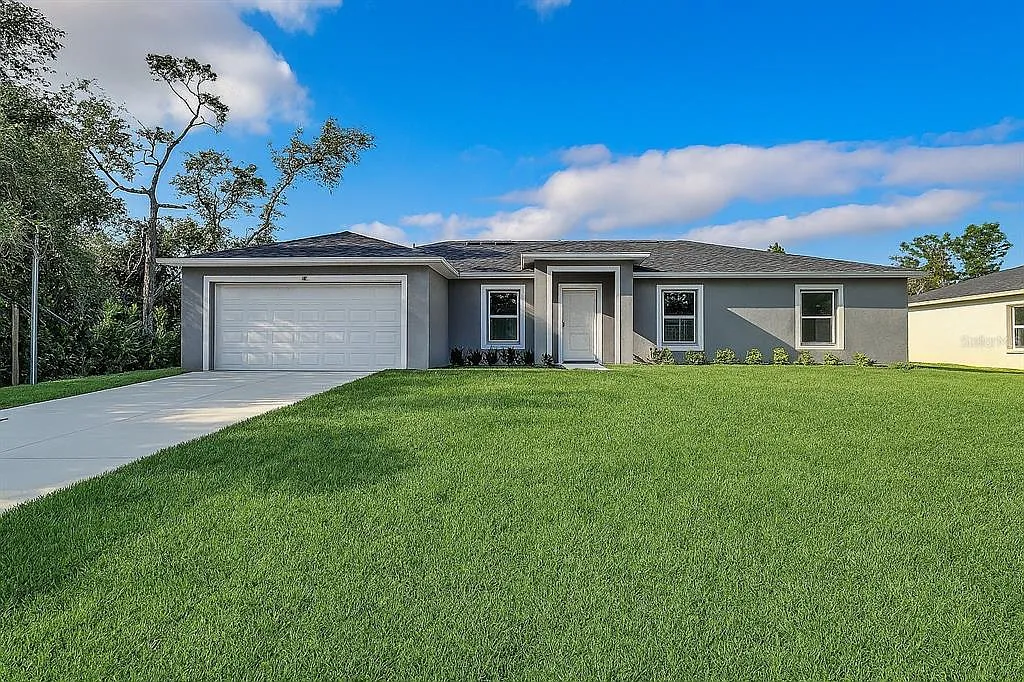
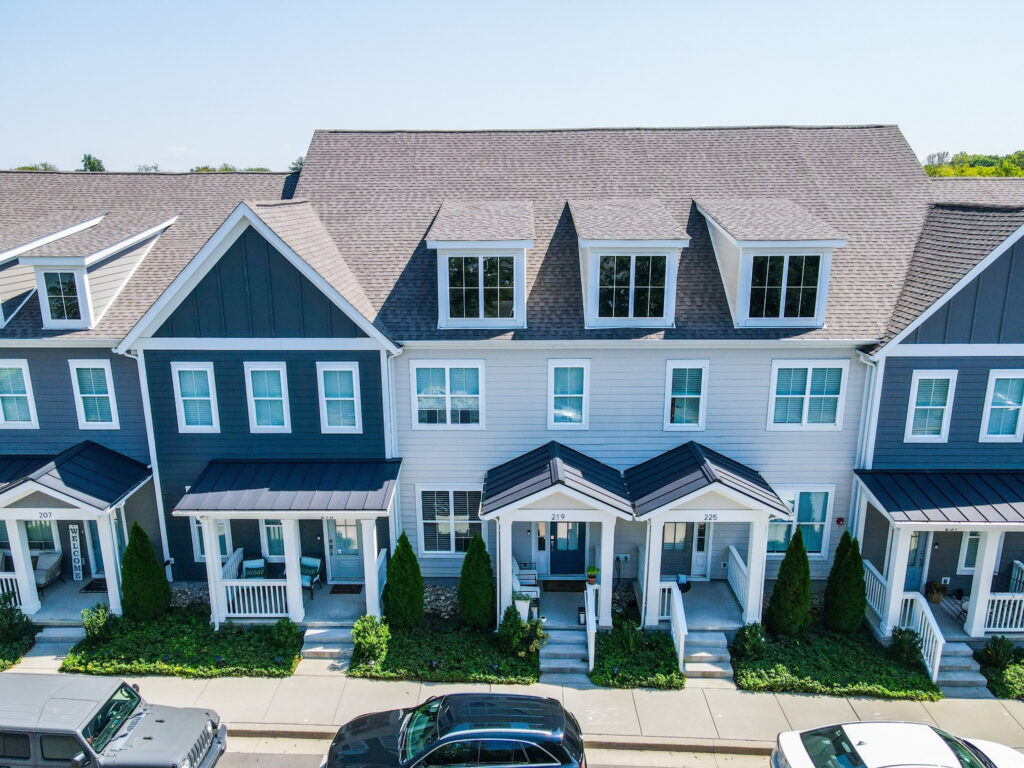
Out‑of‑State investors can compare Tennessee’s newer rental with higher NOI vs Florida’s A+ property with strong yield. Which fits YOUR investment strategy?
We have much more inventory available than what you see on our website – Let us know about your requirement.
📈 Choose Your Winner & Contact Us Today!
Speak to a Norada Investment Counselor (No Obligation):
(800) 611-3060
Mortgage rates remain high in 2026, but rental properties continue to deliver strong cash flow and appreciation. Savvy investors know that turnkey real estate is the path to passive income and long‑term wealth.
Norada Real Estate helps you secure turnkey rental properties designed for immediate cash flow and appreciation—so you can invest smartly regardless of interest rate trends.
Also Read:
- Mortgage Rates Predictions Backed by 7 Leading Experts: 2025–2026
- Mortgage Rate Predictions for the Next 3 Years: 2026, 2027, 2028
- 30-Year Fixed Mortgage Rate Forecast for the Next 5 Years
- 15-Year Fixed Mortgage Rate Predictions for Next 5 Years: 2025-2029
- Will Mortgage Rates Ever Be 3% Again in the Future?
- Mortgage Rates Predictions for Next 2 Years
- Mortgage Rate Predictions for Next 5 Years
- Mortgage Rate Predictions: Why 2% and 3% Rates are Out of Reach
- How Lower Mortgage Rates Can Save You Thousands?
- How to Get a Low Mortgage Interest Rate?
- Will Mortgage Rates Ever Be 4% Again?