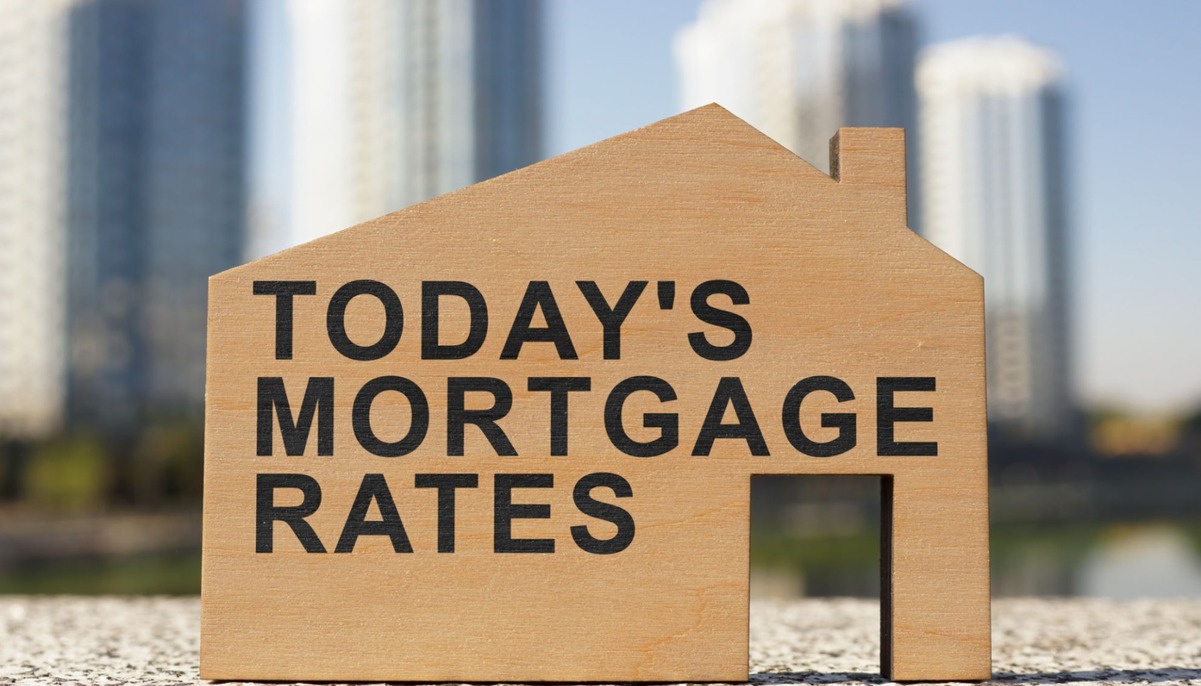
Today's mortgage rates, August 24, 2026, show the 30-year fixed climbing to 6.75%, with persistent inflation concerns continuing to keep borrowing costs elevated. The 15-year fixed sits notably lower at 6.12%, while VA loans remain the most competitive option at 6.25%. Lenders are watching inflation reports like the Consumer Price Index closely, since sticky price growth makes it harder for rates to ease. Here's the full rate and fee breakdown for today, including the APR and closing costs for each loan type.
Today's Mortgage Rates, August 24: 30-Year Rate Hits 6.750% Amid Persistent Inflation Concerns
The Latest Fixed Mortgage Rates from Zillow
Let's get straight to the numbers Zillow is reporting for today, August 24, 2026. These are for purchase mortgages, meaning when you're buying a new place.
| Loan Type | Rate | APR | Points (Cost) |
|---|---|---|---|
| 30-Year Fixed | 6.750% | 6.938% | 1.902 ($5,230.50) |
| 30-Year FHA | 6.375% | 7.081% | 1.770 ($4,867.50) |
| 30-Year VA | 6.250% | 6.561% | 1.967 ($5,409.25) |
| 20-Year Fixed | 6.875% | 7.088% | 1.633 ($4,490.75) |
| 15-Year Fixed | 6.125% | 6.425% | 1.885 ($5,183.75) |
(APR, or Annual Percentage Rate, includes the interest rate plus other loan costs, giving you a broader idea of the total cost. “Points” are fees paid directly to the lender at closing in exchange for a reduced interest rate.)
What These Rates Mean for You
Looking at these figures, here’s what stands out to me:
- The 15-Year Fixed is Still a Great Deal: If you're aiming to pay off your home faster and save a good chunk of money on interest, the 15-year fixed-rate at 6.125% is looking very attractive. Yes, your monthly payments will be higher than a 30-year loan, but the savings over the life of the mortgage are significant. It’s like choosing a shorter, more intense workout that gives you better long-term results!
- VA Loans Offer a Competitive Edge: For our eligible military members and veterans, the 30-year VA loan at 6.250% is a standout. It’s lower than the standard 30-year fixed, which is fantastic for those who qualify. These government-backed loans are designed to make homeownership more accessible and affordable.
- FHA Loans for Lower Credit Profiles: The 30-year FHA loan at 6.375% is a key option for borrowers who might not have a perfect credit score. While the APR is a bit higher due to the nature of these loans, they offer a pathway to homeownership when other options might be out of reach.
- 30-Year Fixed – The Popular Choice: The 30-year fixed at 6.750% remains the most common choice for many buyers. It offers the longest repayment period, which usually means the lowest monthly payment, making it easier for budgeting. However, you do pay more in interest over the full 30 years compared to shorter loans.
Why Do Mortgage Rates Change? It's a Complex Dance!
You might wonder why these numbers aren't set in stone and can shift. The world of mortgage rates is like a finely tuned machine, influenced by many interconnected factors. It’s not just one thing; it's a whole system working together.
Here's my take on what's influencing these rates today:
1. Inflation: The Value of Your Money
Inflation is probably the biggest player. When prices for goods and services go up, the money you have today buys less in the future. Lenders need to get paid back enough interest to make sure the money they receive years from now is still worth something.
- What to Look For: Keep an eye on reports like the Consumer Price Index (CPI). If inflation is creeping up, mortgage rates tend to follow suit. If it's cooling down, rates might ease a bit.
2. The Federal Reserve's Influence
The Federal Reserve, often called “the Fed,” doesn't directly set your mortgage rate. But their decisions about short-term interest rates and how they manage the overall economy have a big ripple effect.
- Interest Rate Policies: The Fed's moves on short-term rates influence how investors view the economy, which in turn affects the yields on long-term investments like bonds that mortgage rates are tied to.
- Balance Sheet Adjustments: The Fed is currently making changes to its holdings of bonds. As they buy fewer or let bonds expire, it can affect the demand for those bonds, potentially pushing rates higher to attract investors.
3. The 10-Year Treasury Yield: The Go-To Indicator
The interest rate on the U.S. 10-year Treasury note is a really important benchmark. Think of it as a guiding light for fixed mortgage rates. When the yield on these bonds goes up, mortgage rates usually follow.
- Market Conditions: Sometimes, even if the Treasury yield is stable, other issues in the financial world (like worries about banks or the economy) can cause lenders to charge a bit more to cover potential risks. This wider “spread” means you might see higher rates.
4. Economic Health: Jobs and Growth
The strength of our economy plays a big role, and sometimes it works in surprising ways. A booming economy can actually lead to higher mortgage rates.
- Strong Economy = Higher Rates (Sometimes): When lots of people are employed and spending money, it can fuel inflation, which, as we talked about, pushes rates up.
- Weak Economy = Lower Rates (Often): If the economy is struggling, people tend to get more cautious. Investors might move money into safer assets like bonds, which can drive bond yields down, and consequently, mortgage rates can fall.
5. Global Events: The Unexpected Twists
Things happening across the globe can unexpectedly shake up mortgage rates here at home. International conflicts or economic instability can make investors nervous.
- Seeking Safety: In times of global uncertainty, investors often flock to U.S. Treasury bonds because they are considered very safe. This surge in demand can push bond prices up and yields down, which can lead to a drop in mortgage rates, regardless of what's happening in our own backyard.
Your Next Step: Do Your Homework!
My strongest advice for anyone looking at mortgages today is to compare, compare, compare! These rates from Zillow are a great snapshot, but every lender has different fees and ways of doing business.
- Get Multiple Quotes: Reach out to at least three or four different lenders (banks, credit unions, mortgage brokers).
- Understand the APR: Always look at the APR, not just the interest rate, to get a fuller picture of the loan's cost.
- Factor in Points: Decide if paying points to lower your rate makes sense for how long you plan to stay in the home.
Doing this homework can make a real difference in your monthly payments and the total amount you pay over the life of your loan. Keep these rates in mind and happy house hunting!
VS
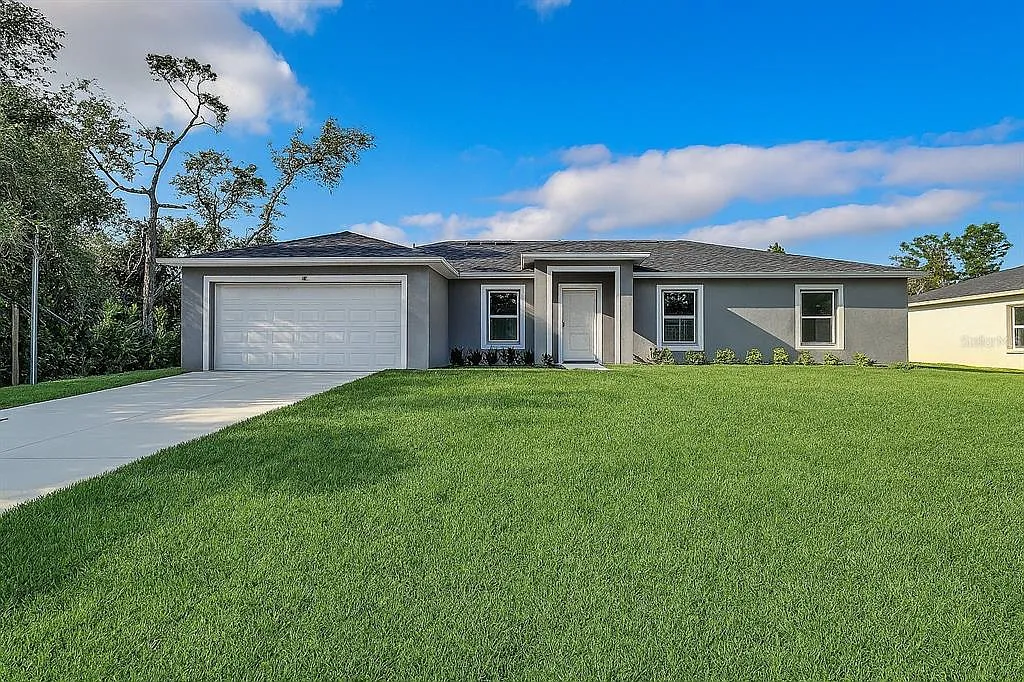
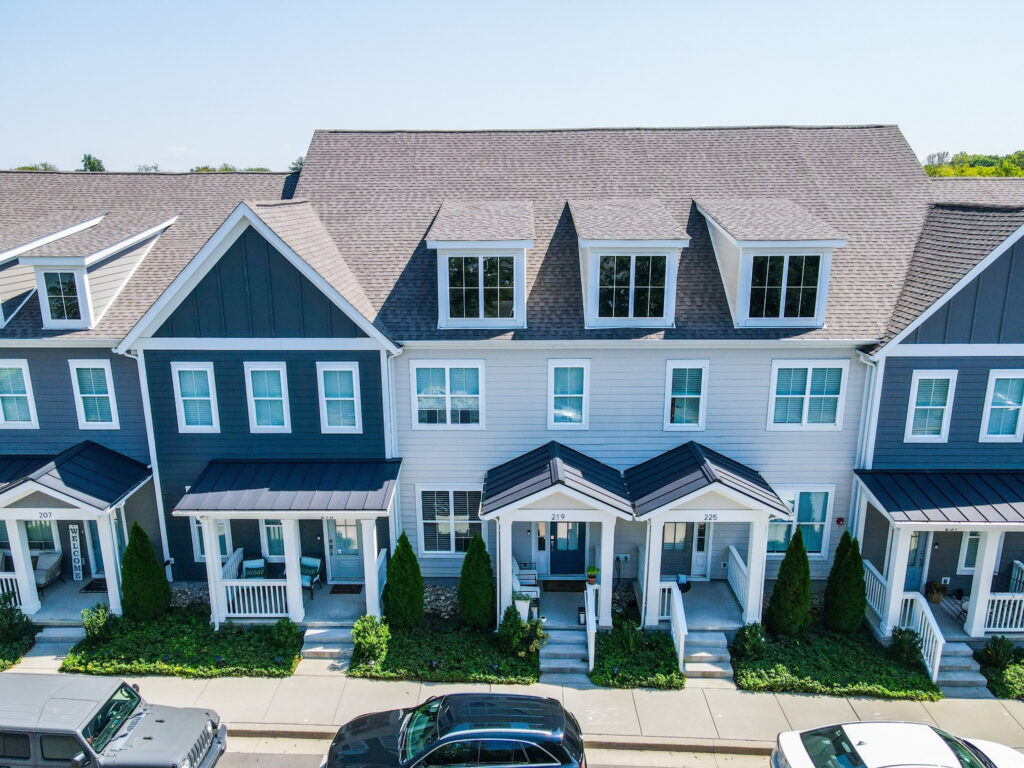
Out‑of‑State investors can compare Tennessee’s newer rental with higher NOI vs Florida’s A+ property with strong yield. Which fits YOUR investment strategy?
We have much more inventory available than what you see on our website – Let us know about your requirement.
📈 Choose Your Winner & Contact Us Today!
Speak to a Norada Investment Counselor (No Obligation):
(800) 611-3060
Mortgage rates remain high in 2026, but rental properties continue to deliver strong cash flow and appreciation. Savvy investors know that turnkey real estate is the path to passive income and long‑term wealth.
Norada Real Estate helps you secure turnkey rental properties designed for immediate cash flow and appreciation—so you can invest smartly regardless of interest rate trends.
Also Read:
- Mortgage Rates Predictions Backed by 7 Leading Experts: 2025–2026
- Mortgage Rate Predictions for the Next 3 Years: 2026, 2027, 2028
- 30-Year Fixed Mortgage Rate Forecast for the Next 5 Years
- 15-Year Fixed Mortgage Rate Predictions for Next 5 Years: 2025-2029
- Will Mortgage Rates Ever Be 3% Again in the Future?
- Mortgage Rates Predictions for Next 2 Years
- Mortgage Rate Predictions for Next 5 Years
- Mortgage Rate Predictions: Why 2% and 3% Rates are Out of Reach
- How Lower Mortgage Rates Can Save You Thousands?
- How to Get a Low Mortgage Interest Rate?
- Will Mortgage Rates Ever Be 4% Again?