If you've been thinking about refinancing your home, you'll want to know that on August 22, 2026, the average 30-year fixed refinance rate climbed by 9 basis points from the previous week, reaching 7.11%. This means it's a bit more expensive today to refinance with that popular loan type compared to just a week ago. This is a noticeable jump from last week's average of 7.02%. It also means that Saturday saw a bigger increase, as the rate went from 6.95% to 7.11%.
Mortgage Rates Today, August 22, 2026: 30-Year Refinance Rate Rises by 9 Basis Points
What's Happening with Rates Right Now?
Here’s a quick look at how the rates stack up, based on Zillow's data for August 22, 2026:
| Loan Type | Current Average Rate | Change from Previous Week |
|---|---|---|
| 30-Year Fixed Refi | 7.11% | +9 Basis Points |
| 15-Year Fixed Refi | 6.07% | +6 Basis Points |
| 5-Year ARM Refi | 6.50% | N/A |
It’s not just the 30-year loan that’s seeing a change. The 15-year fixed refinance rate also nudged up, from 6.01% to 6.07%, an increase of 6 basis points. For those considering an adjustable-rate mortgage, the 5-year ARM refinance rate is sitting at 6.50%.
To put it simply, mortgage refinance rates across the board are hanging out near their highest points in about a year. We've seen some ups and downs this month. Rates dipped a little when it looked like inflation might be calming down, but they’ve bounced back up recently because people are feeling a bit more worried about the overall economy.
The Trend: Staying Put and Staying High
The main story for the end of August is that rates seem determined to stay high. Earlier this month, rates took a little break because the jobs report wasn’t as strong as some expected. That gave people a bit of hope for lower rates. But that relief was short-lived. Even efforts by the government, like the bond buyback program, didn't really change things for long. People who study the housing market, like those at Fannie Mae and the Mortgage Bankers Association, think rates will likely stay in the 6.5% to 6.8% range for a while longer.
Why Are Rates Moving Like This?
It can feel like rates change for no reason, but there are big things happening behind the scenes. Here are the main reasons I'm seeing:
- The Middle East Conflict and Oil Prices: This is a huge deal. The fighting in the Middle East is making oil and gas prices go up. When those prices go up, people start to worry more about inflation (when prices for everything go up). Since mortgage rates are tied to how much people expect prices to rise, they get pulled up too.
- Worries About the Federal Reserve: Even though we saw some signs that inflation might be slowing down, the Consumer Price Index (CPI) is still at 3.4%. That’s much higher than the 2% goal the Federal Reserve (the people who manage the country’s money) wants. Instead of hoping the Fed will lower interest rates, people are now thinking there's a bigger chance they might actually raise rates later this year. The CME FedWatch tool, which tracks these kinds of bets, shows a growing chance of this happening.
- Bumpy Treasury Yields: When lenders decide what mortgage rates to offer, they look at how much money the U.S. government pays on its 10-year Treasury bonds. Lately, these yields have been going up a lot, reaching levels not seen in almost 20 years. This is partly because people are worried about how much debt the U.S. has and also just generally unsure about how the economy will do. When Treasury yields are high, it makes it hard for lenders to offer lower mortgage rates.
What This Means for You if You're Refinancing
Knowing all this, what's the best move for you? Here are my top thoughts:
- The 50 Basis Point Rule: Think of it this way: If your current mortgage rate is more than 50 basis points (or 0.50%) higher than the rates being offered today, you might be able to save money by refinancing. Experts estimate that only about 3.6% of people with mortgages right now are in a good spot to save money with a simple rate-and-term refinance. So, unless your current rate is above, say, 7.25%, refinancing just to get a slightly lower rate might not save you enough money after you pay the closing costs.
- Look at Shorter Loans or Special Programs: If you need to refinance, consider a 15-year fixed loan. As we saw, these rates are much lower and often under 6%. Also, look into government-backed loans like VA or FHA streamlines. They can sometimes offer lower starting rates than regular home loans.
- Be Careful with Cash-Out Refinances: Home values have been really high this summer, making it tempting to take out cash from your home’s value. But if you had a really low mortgage rate from a few years ago (like in 2020 or 2021) and you refinance your entire loan at nearly 7%, you could end up paying way more interest over the life of the loan. It might be smarter to explore other options like a Home Equity Line of Credit (HELOC) if you need cash.
It's a complicated time in the mortgage market. Keeping an eye on these numbers and understanding the forces behind them will help you make the best decisions for your home and your finances.
VS
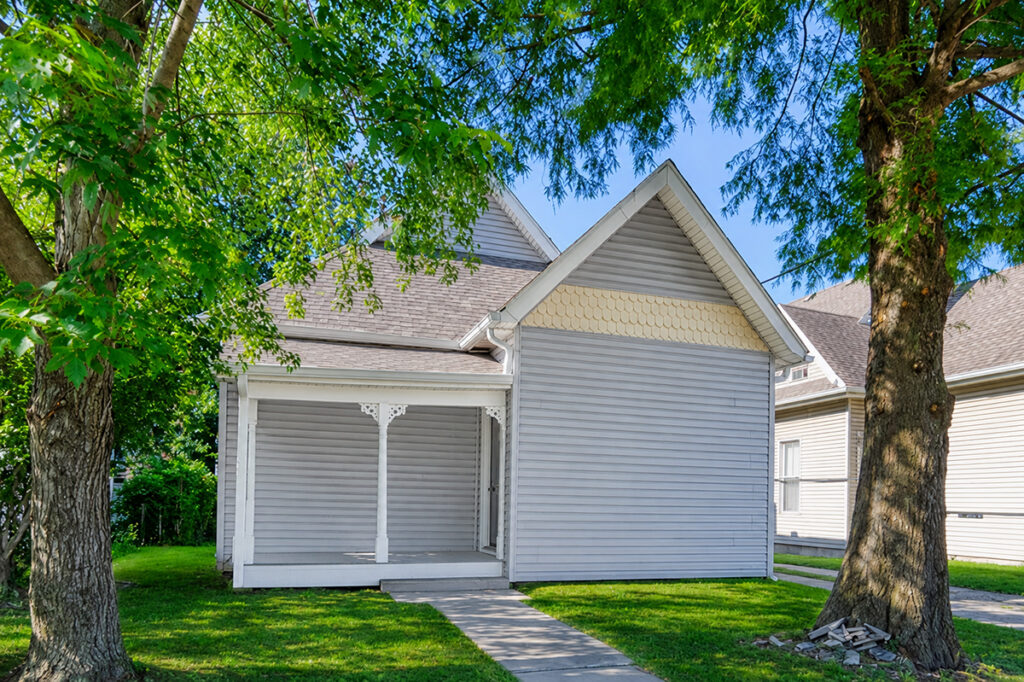
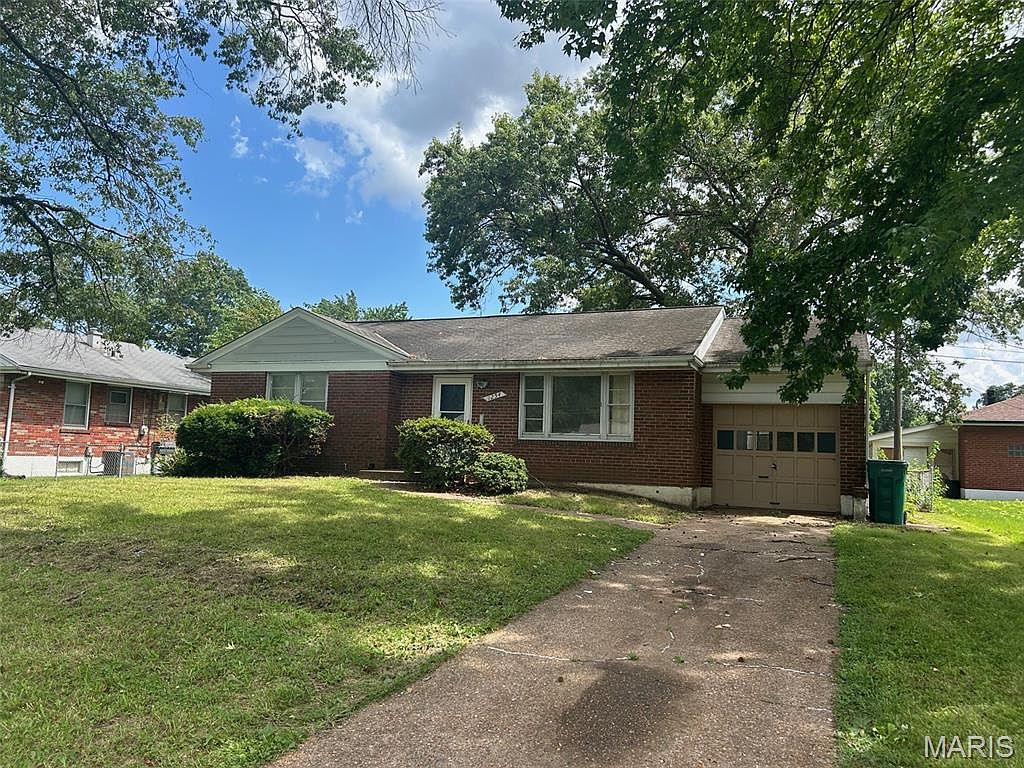
Saint Louis offers a budget‑friendly 4‑bed rental with a high cap rate, while Indianapolis provides a classic 2‑bed property with steady cash flow. Which Midwest market fits YOUR investment strategy?
We have much more inventory available than what you see on our website – Let us know about your requirement.
📈 Choose Your Winner & Contact Us Today!
Speak to a Norada Investment Counselor (No Obligation):
(800) 611-3060
Mortgage rates remain high in 2026, but rental properties continue to deliver strong cash flow and appreciation. Savvy investors know that turnkey real estate is the path to passive income and long‑term wealth.
Norada Real Estate helps you secure turnkey rental properties designed for immediate cash flow and appreciation—so you can invest smartly regardless of interest rate trends.
Also Read:
- Mortgage Rates Predictions Backed by 7 Leading Experts: 2025–2026
- Mortgage Rate Predictions for the Next 3 Years: 2026, 2027, 2028
- 30-Year Fixed Mortgage Rate Forecast for the Next 5 Years
- 15-Year Fixed Mortgage Rate Predictions for Next 5 Years: 2025-2029
- Will Mortgage Rates Ever Be 3% Again in the Future?
- Mortgage Rates Predictions for Next 2 Years
- Mortgage Rate Predictions for Next 5 Years
- Mortgage Rate Predictions: Why 2% and 3% Rates are Out of Reach
- How Lower Mortgage Rates Can Save You Thousands?
- How to Get a Low Mortgage Interest Rate?
- Will Mortgage Rates Ever Be 4% Again?