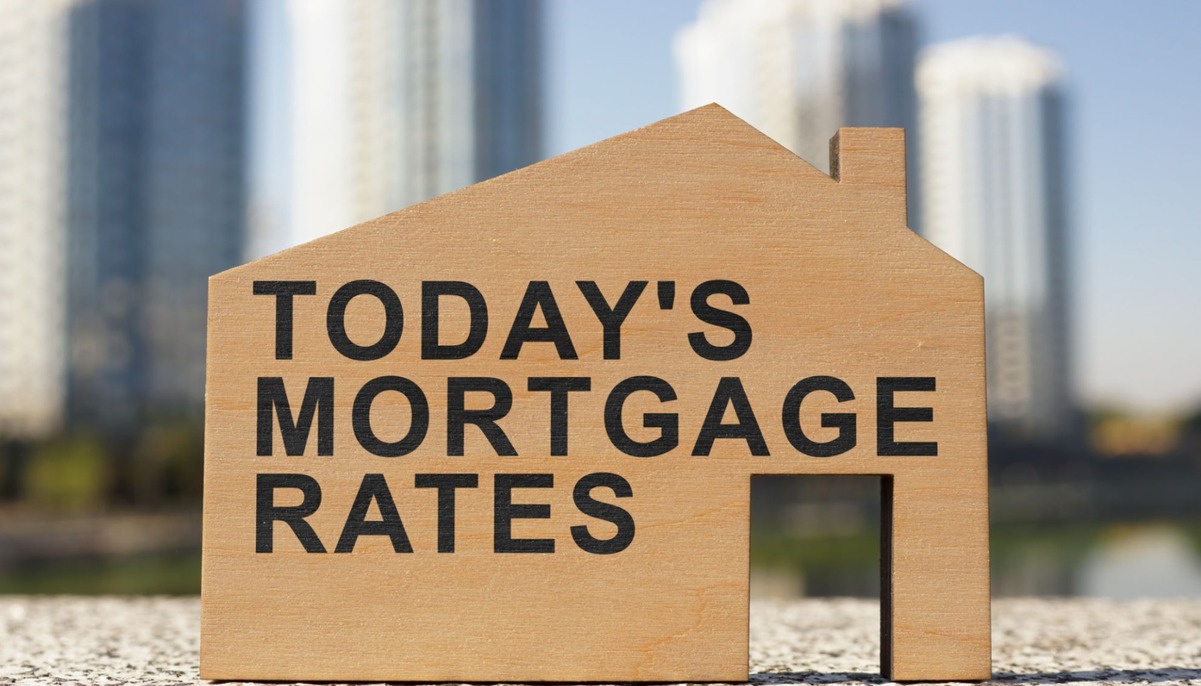
Mortgage rates today, August 18, 2026, average 6.53% for a 30‑year fixed loan, according to Zillow. The 15‑year fixed sits at 5.94%, while adjustable‑rate mortgages like the 5/1 ARM are around 6.39%. After yesterday’s slight dip, today’s numbers show a modest uptick, keeping rates firmly in the mid‑to‑upper 6% range. For buyers and homeowners considering refinancing, this means monthly payments remain elevated, making it more important than ever to compare lenders and understand the forces driving these shifts.
Today's Mortgage Rates, August 18: 30‑Year Fixed at 6.53%, Experts Predict 6.4%–6.5% in 2026
Let's break down what's happening with mortgage rates right now, using the latest information from Zillow. It's not just about the numbers; it's about understanding why these numbers are where they are, and what it means for you.
The Latest Rates, Straight Up
Here's a look at the average mortgage rates as of Tuesday, August 18, 2026, according to Zillow:
| Loan Type | Average Rate |
|---|---|
| 30-year fixed | 6.53% |
| 20-year fixed | 6.45% |
| 15-year fixed | 5.94% |
| 5/1 ARM | 6.39% |
| 7/1 ARM | 6.29% |
| 30-year VA | 6.05% |
| 15-year VA | 5.63% |
| 5/1 VA | 5.94% |
Note: “Basis points” are just a way to measure tiny changes in percentages. 100 basis points equals 1%. So, a change of 1 basis point is a very small increase or decrease.
You can see that the 30-year fixed rate, which is the most popular for buying a home, is pretty stable, just a tiny bit lower than yesterday. But, if you look at the 15-year fixed or the 5/1 ARM (Adjustable-Rate Mortgage), they've gone up a bit more. This shows that not all rates are moving in the same direction, and it’s why comparing options is super important.
What's Going On? A Little Bit of This, A Little Bit of That
Looking at the bigger picture, rates have been a bit all over the place lately. They peaked at the end of July, but we've seen them ease back a bit in the last couple of weeks. This has happened because some of the economic news we've gotten shows that things are cooling down just a little bit.
However, don't expect a huge drop anytime soon. Experts like Fannie Mae and the Mortgage Bankers Association believe that rates will likely stay “sticky” – meaning they won't move down too much – and will probably hover around 6.4% to 6.5% for the rest of this year.
So, what’s causing this push and pull? It’s like a tug-of-war between different forces affecting how lenders decide on their rates.
The Big Players in Mortgage Rates
- The 10-Year Treasury Yield: This is a big one. Mortgage rates tend to follow the 10-year U.S. Treasury yield. When the government has to pay more to borrow money for 10 years, mortgage lenders usually do the same. Right now, that yield is climbing back towards 4.73%. When this number goes up, mortgage rates usually follow suit.
- World Events and Gas Prices: Things happening in other parts of the world, especially conflicts, can make oil prices jump. We're seeing WTI crude oil prices going for more than $82–$85 a barrel. When gas and energy cost more, people start thinking that prices in general might keep going up (that's called inflation). This makes lenders hesitant to lower mortgage rates too quickly because they want to make sure they're still making enough money.
- What the Fed is Saying (and Not Saying): The Federal Reserve, often called “the Fed,” is like the central bank of the U.S. They have a big impact on interest rates. At their meeting at the end of July, they decided to keep their main interest rate steady, between 3.5% and 3.75%. However, not everyone on the Fed agreed. Three people thought they should raise rates. This disagreement tells lenders that the Fed is still worried about prices going up and might keep interest rates higher for a longer time.
- Good News for Your Wallet (Mostly): On the flip side, we've had some economic reports that are good news for people hoping for lower rates. The job market seems to be cooling off a bit, and the yearly inflation rate dropped to 3.4%. This softening of the economy is a key reason why mortgage rates haven't shot up past the 7% mark. It’s that little bit of breathing room that's keeping things from getting too out of hand.
Why Should You Care About Today's Rates?
It's easy to just see a number and think “okay.” But understanding the why behind today's mortgage rates, August 18, 2026, can really help you make smarter decisions.
- For Homebuyers: If you're looking to buy a home, these rates mean your monthly mortgage payment will be a certain amount. Even a small change in the rate can mean paying hundreds or even thousands of dollars more or less over the life of your loan. Getting a few different quotes from lenders is always a good idea. Sometimes, the rate you get depends on more than just the listed average – things like your credit score, how big your down payment is, and even the type of loan you choose.
- For Homeowners Thinking of Refinancing: If you already own a home, you might be wondering if now is a good time to refinance your mortgage to get a lower rate. Today's rates are still relatively good compared to historical averages, but whether it makes sense for you depends on how much lower your new rate would be compared to your current one, and how long you plan to stay in your home.
My Take on It All
From my experience, the mortgage market right now feels like it's in a holding pattern. The Fed is trying to be careful, but the economy is showing signs of slowing down. This creates a tricky situation for mortgage rates. They're not dramatically falling, but they're also not skyrocketing.
What I've learned is that trying to perfectly time the market is a fool's errand for most people. Instead, focus on your personal situation. What can you afford? What are your goals? Get pre-approved early in the home-buying process so you know your budget. If you're refinancing, crunch the numbers carefully. A slightly higher rate today might be acceptable if it means you can lock in a payment you're comfortable with and move forward with your life.
The key is to stay informed, work with trusted professionals (like loan officers and real estate agents), and make the decision that's best for your financial well-being. Today's mortgage rates, August 18, 2026, are just one piece of that puzzle.
VS
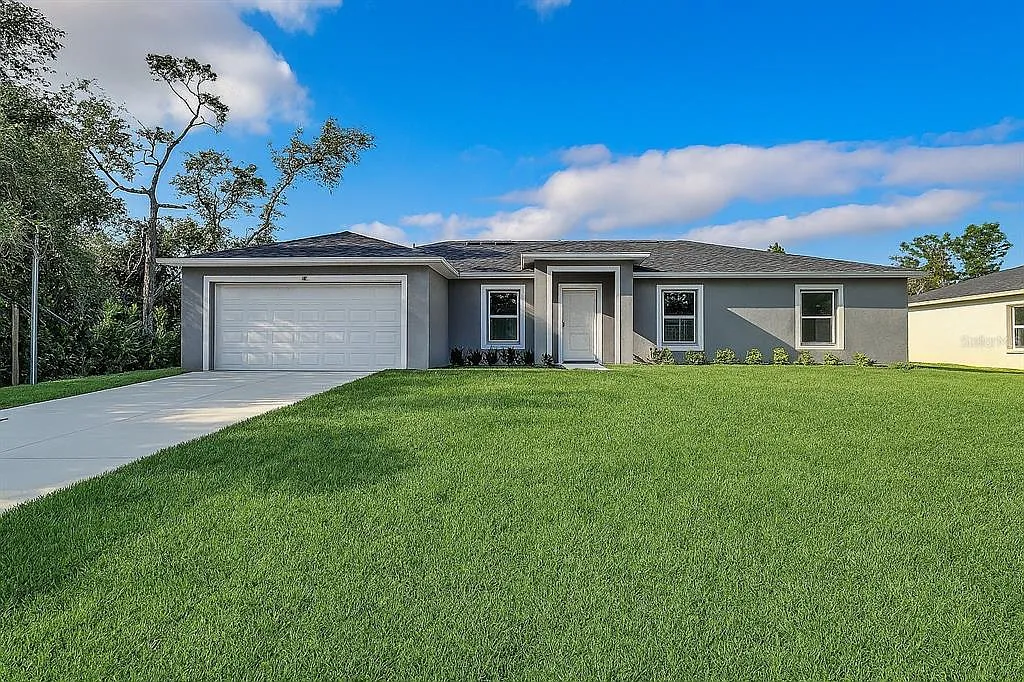
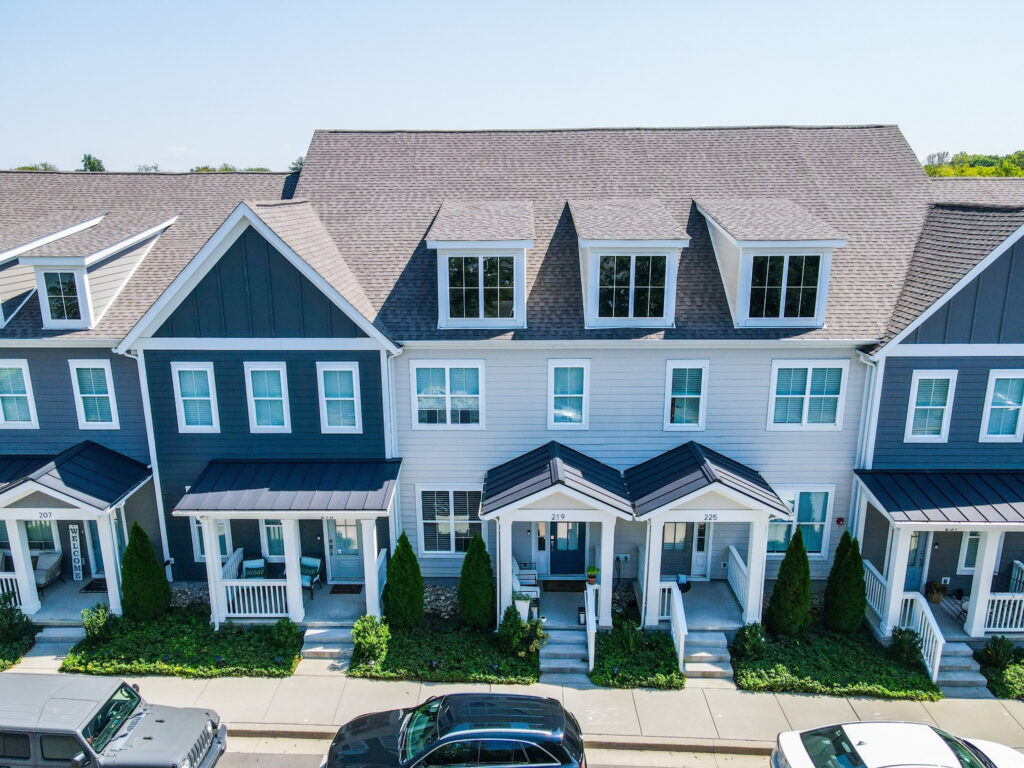
Out‑of‑State investors can compare Tennessee’s newer rental with higher NOI vs Florida’s A+ property with strong yield. Which fits YOUR investment strategy?
We have much more inventory available than what you see on our website – Let us know about your requirement.
📈 Choose Your Winner & Contact Us Today!
Speak to a Norada Investment Counselor (No Obligation):
(800) 611-3060
Mortgage rates remain high in 2026, but rental properties continue to deliver strong cash flow and appreciation. Savvy investors know that turnkey real estate is the path to passive income and long‑term wealth.
Norada Real Estate helps you secure turnkey rental properties designed for immediate cash flow and appreciation—so you can invest smartly regardless of interest rate trends.
Also Read:
- Mortgage Rates Predictions Backed by 7 Leading Experts: 2025–2026
- Mortgage Rate Predictions for the Next 3 Years: 2026, 2027, 2028
- 30-Year Fixed Mortgage Rate Forecast for the Next 5 Years
- 15-Year Fixed Mortgage Rate Predictions for Next 5 Years: 2025-2029
- Will Mortgage Rates Ever Be 3% Again in the Future?
- Mortgage Rates Predictions for Next 2 Years
- Mortgage Rate Predictions for Next 5 Years
- Mortgage Rate Predictions: Why 2% and 3% Rates are Out of Reach
- How Lower Mortgage Rates Can Save You Thousands?
- How to Get a Low Mortgage Interest Rate?
- Will Mortgage Rates Ever Be 4% Again?