Today's mortgage rates, August 13, 2026, show a notable split: the 5/1 ARM swung 20 basis points lower to 6.31%, a much bigger move than the fixed-rate loans saw today. The 30-year fixed dipped a modest 7 basis points to 6.58%, while the 15-year fixed ticked up just slightly to 6.01%. That kind of day-to-day swing in ARM rates is worth watching if you're weighing a fixed versus adjustable loan, since it shows just how quickly those rates can shift. Here's the full breakdown and what's driving today's numbers.
Today's Mortgage Rates, August 13: 30-Year Falls to 6.58%, 5/1 ARM Drops 20 Basis Points
Let's Break Down the Numbers
I always like to look at the data from Zillow because they track these rates closely. Here’s what they’re showing us for purchase mortgages today, Thursday, August 13, 2026:
- 30-year fixed-rate: 6.58% (This is down 7 basis points from yesterday. A basis point is just a fancy way of saying 0.01%, so this is a small but good drop!)
- 20-year fixed-rate: 6.44%
- 15-year fixed-rate: 6.01% (This is up 1 basis point. A tiny increase!)
- 5/1 ARM (Adjustable-Rate Mortgage): 6.31% (This is down a noticeable 20 basis points.)
- 7/1 ARM: 6.24%
- 30-year VA loan: 6.09% (For our amazing veterans!)
- 15-year VA loan: 5.63%
- 5/1 VA loan: 6.31%
You can see from these numbers that the 5/1 ARM rates have been jumping around more than the fixed-rate loans. That means they’ve been changing by bigger amounts each day, which can be a little nerve-wracking if you prefer things to be steady.
Why Are Mortgage Rates Doing This? It's Not Random!
It might seem like mortgage rates are just doing their own thing, but they're actually connected to bigger economic news. Think of it like this: mortgage rates are like a weather report for your wallet. They often follow what's happening with the 10-year Treasury yield, which is like a report card for the U.S. economy.
Right now, rates are staying in that upper 6% range because of a few big reasons:
- Things Happening Far Away (Middle East Geopolitical Friction): There’s some trouble brewing in the Middle East, and this is making people worry about oil prices. When oil prices go up, it can make everything more expensive, and that means inflation. Inflation makes bond prices go down and interest rates go up. Lenders are being extra careful because of this uncertainty.
- The Fed's Big Decisions (A Hawkish Fed & Persistent Inflation): The people in charge of our money, called the Federal Reserve (or the “Fed” for short), recently decided to keep their main interest rate steady. But, not everyone on the committee agreed! Some wanted to raise it. Also, the cost of things (inflation) isn't going down as fast as they hoped. This makes people think the Fed might keep interest rates higher for longer than they used to.
- The Bond Market's Worries (The Bond Market Safeguard): When people who invest in bonds see that prices for things are going up (inflation), they get nervous. They want more money back for taking risks. So, they demand higher interest rates on those bonds. This then pushes mortgage lenders to charge you more for your home loan.
My Thoughts on Today's Rates
As someone who has followed the housing market for a while, I’ve learned that mortgage rates are a bit like trying to catch a falling leaf – sometimes they flutter down, and sometimes they swirl around. Today’s mixed bag is pretty typical in this kind of economic climate. The fact that the 30-year fixed is down a bit is good news for buyers who want that steady, predictable payment. However, the slight increase in the 15-year fixed means those who are looking to pay off their homes faster might see a minuscule bump.
The 5/1 ARM’s bigger drop is interesting. These types of loans usually have a lower starting rate but can change after a few years. With all the economic news out there, lenders might be trying to attract more people to these loans now, knowing they can adjust later. It's a trade-off: lower payments now for potential higher payments later. It really depends on your personal situation and how long you plan to stay in the home.
I always tell people to think about their own financial goals. Are you planning to sell the house in five years? Maybe an ARM could work for you. Do you plan to stay put for decades? A fixed rate offers more peace of mind.
What You Can Do as a Homebuyer
This is the super important part. Because the economy is a little shaky and news can change things fast, the exact rate you get can be different from lender to lender. It’s not just about the big numbers you see on websites.
I remember talking to a friend who bought a house last year. They thought they had a good rate, but they only checked with one bank. Later, they found out another lender would have given them a lower rate, which would have saved them thousands of dollars over the years!
A study by Bankrate actually found that people who don't shop around can end up paying about $78,000 more over the life of their loan. That’s a lot of money!
My best advice, and what the experts always say, is this:
- Talk to at least three different lenders. Get formal quotes from each. This means asking for a written offer with all the details.
- Compare everything. Don't just look at the interest rate. Look at the fees (called “points” or “origination fees”), the closing costs, and any other charges.
- Ask questions! If you don't understand something, ask your lender to explain it in plain English.
Looking Ahead
The world of mortgage rates is always moving. Today, August 13, 2026, offers a snapshot of that movement. While some rates are going down, the bigger economic forces mean we need to stay aware. My experience tells me that being prepared and doing your homework by comparing lenders is the best strategy for getting the best possible deal on your home loan. Don't let the numbers on a screen make you feel rushed; take your time, compare, and make the choice that's right for you and your family.
VS
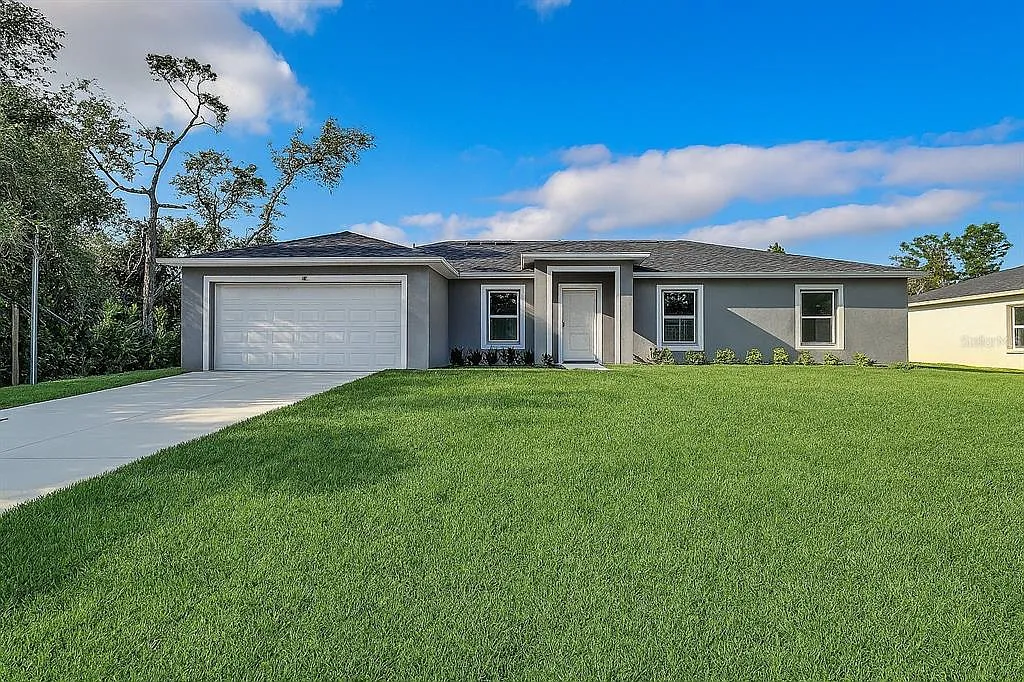
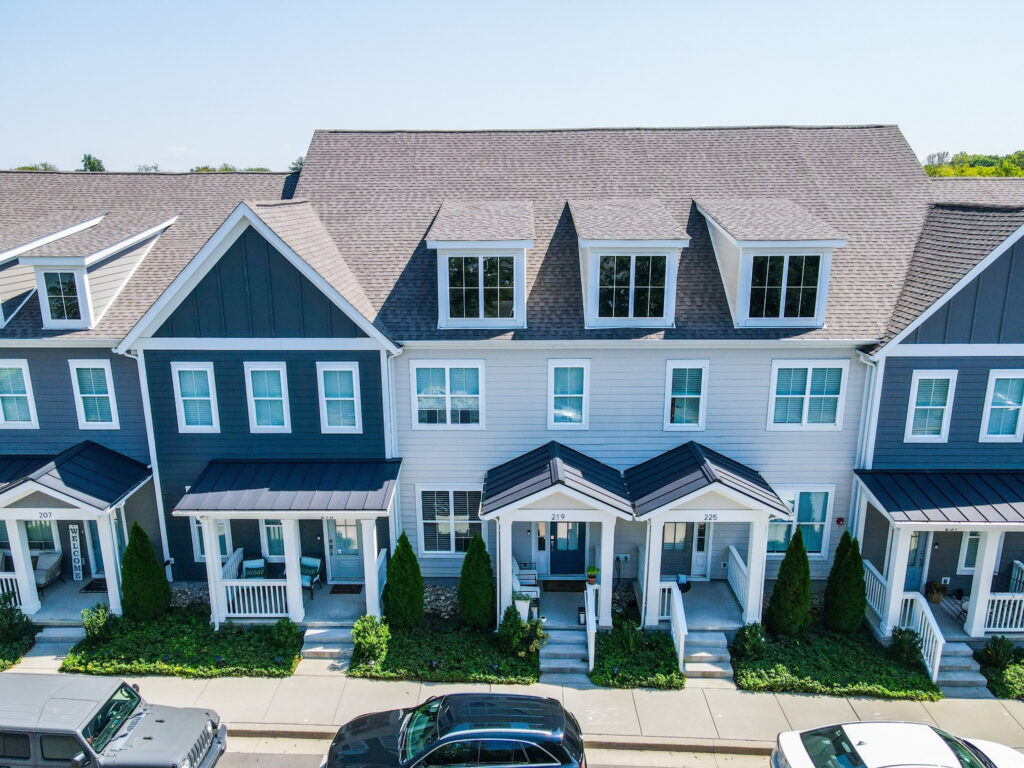
Out‑of‑State investors can compare Tennessee’s newer rental with higher NOI vs Florida’s A+ property with strong yield. Which fits YOUR investment strategy?
We have much more inventory available than what you see on our website – Let us know about your requirement.
📈 Choose Your Winner & Contact Us Today!
Speak to a Norada Investment Counselor (No Obligation):
(800) 611-3060
Mortgage rates remain high in 2026, but rental properties continue to deliver strong cash flow and appreciation. Savvy investors know that turnkey real estate is the path to passive income and long‑term wealth.
Norada Real Estate helps you secure turnkey rental properties designed for immediate cash flow and appreciation—so you can invest smartly regardless of interest rate trends.
Also Read:
- Mortgage Rates Predictions Backed by 7 Leading Experts: 2025–2026
- Mortgage Rate Predictions for the Next 3 Years: 2026, 2027, 2028
- 30-Year Fixed Mortgage Rate Forecast for the Next 5 Years
- 15-Year Fixed Mortgage Rate Predictions for Next 5 Years: 2025-2029
- Will Mortgage Rates Ever Be 3% Again in the Future?
- Mortgage Rates Predictions for Next 2 Years
- Mortgage Rate Predictions for Next 5 Years
- Mortgage Rate Predictions: Why 2% and 3% Rates are Out of Reach
- How Lower Mortgage Rates Can Save You Thousands?
- How to Get a Low Mortgage Interest Rate?
- Will Mortgage Rates Ever Be 4% Again?