If you've been thinking about refinancing your mortgage, the news today is that the 30-year fixed refinance rate has climbed by 18 basis points, landing at a solid 7.17%. This means it's getting a bit pricier to swap out your current mortgage for a new one, especially if you're looking for that long-term, stable payment.
Mortgage Rates Today, August 10, 2026: 30-Year Refinance Rate Rises by 18 Basis Points
What's Driving This Rate Hike?
So, why the sudden jump? It’s not just one thing, but a few big players are definitely making their presence felt in the market right now.
- Global Jitters and Oil Prices: There’s some serious unrest brewing in places like Iran. You know, the area near the Strait of Hormuz, which is super important for shipping oil. When there’s talk of trouble there, oil prices tend to go up. And guess what? When oil prices go up, it usually means everything else gets a little more expensive too, including things that affect inflation.
- Inflation Isn’t Budging: Speaking of inflation, it’s still a bit of a stubborn problem. Right now, it’s sitting around 3.8%, and the folks at the Federal Reserve (you know, the people who help manage our economy’s money) really want to see it closer to 2%. When inflation is high, it makes it harder for them to lower interest rates, and sometimes they even feel like they have to raise them to cool things down.
- The Fed is Getting Tougher: This is a big one. The Federal Reserve has been pretty clear that they’re not looking to cut interest rates anytime soon. In fact, some of the people in charge there are even talking about raising them. This tells the market that borrowing money might get more expensive, and that pushes mortgage rates up. The word on the street is there's a pretty good chance they’ll raise their main rate at their next meeting.
- Treasury Yields are Staying High: You might not think about it, but what happens with government bonds, like the 10-year U.S. Treasury note, has a big effect on mortgage rates. Right now, those yields are staying pretty high. This is because investors want more money back to protect themselves from inflation and all the government spending. When these yields go up, mortgage rates usually follow right behind them.
Today's Refinance Rates: A Quick Look
Here’s a breakdown of what the national average refinance rates look like today, based on data from Zillow:
| Loan Type | Rate Today (August 10, 2026) | Change from Previous Week |
|---|---|---|
| 30-Year Fixed | 7.17% | Up 18 basis points |
| 15-Year Fixed | 6.16% | Up 11 basis points |
| 5-Year ARM | 6.50% | Holding Steady |
As you can see, the 30-year fixed rate, which is the most popular choice for its predictable monthly payments, has seen the biggest jump. The 15-year fixed is also up, but still offers a lower rate than the 30-year. The 5-year Adjustable-Rate Mortgage (ARM) is holding steady for now, which could be an option for some, but comes with its own set of risks down the road.
What This Means for You
This jump in rates means that if you were hoping to refinance and get a lower monthly payment, your options might be a little more limited right now. It’s a good reminder that trying to perfectly time the market is incredibly tough.
My own experience tells me that people often wait too long, hoping for rates to drop significantly, and then they miss out on a good opportunity. Conversely, jumping in too early when rates are still high can also be a mistake. It’s all about finding that sweet spot that works for your situation.
Should You Refinance Now?
That’s the million-dollar question, isn’t it? Here’s how I think about it, and how I advise my clients:
- Your “Break-Even” Point: This is key. If you're thinking about refinancing, you need to figure out how long it will take to make back the money you spend on closing costs with your new, lower monthly payment. A good rule of thumb is that you should be looking for at least a 0.50% to 0.75% drop in your interest rate to make it worthwhile. But remember those closing costs can be anywhere from 2% to 5% of the loan amount! You divide those costs by your monthly savings, and that tells you how many months you need to stay in your home to “break even.” If you plan to move before that, it might not be worth it.
- Consider a 15-Year Fixed: If you got your mortgage when rates were really high, maybe around 8% back in late 2023, switching to a 15-year fixed refi at today’s rates could still save you a ton of money over the life of the loan. Yes, your monthly payment will be higher than a 30-year, but you'll pay off your home faster and save hundreds of thousands in interest. It's a trade-off between a higher payment now and massive savings later.
- Don’t Touch Your Low Rate! If you were lucky enough to lock in a super low rate, say below 4%, during the pandemic years, a full refinance will likely cost you more than you gain. In this case, if you need extra cash for home improvements or to pay off other debts, look into a Home Equity Loan or a Home Equity Line of Credit (HELOC) instead. These products let you tap into your home’s value without giving up your awesome low mortgage rate.
- Compare the APR, Not Just the Interest Rate: This is a detail many people miss. The interest rate is what you see advertised, but the Annual Percentage Rate (APR) is a more honest picture. It includes all the fees the lender charges – like origination fees and points. It’s like comparing the sticker price of a car versus the total cost after all the add-ons. Always get official Loan Estimates from at least three to four lenders within a short period (like a week) so you can truly compare apples to apples.
My Two Cents
From where I stand, the market is showing us that the days of incredibly low rates are likely behind us for now. The Federal Reserve’s actions and the global economic picture are pointing towards a more sustained period of higher borrowing costs.
For homeowners, this means being more strategic than ever. If you need to refinance because your current rate is truly hurting your budget, then it’s time to do your homework and shop around aggressively. But if you’re just thinking about it hoping for a magical drop, you might be disappointed in the short term.
It's about playing the long game. What are your financial goals? How long do you plan to stay in your home? What’s your risk tolerance? These are the questions we need to answer together. Don’t be afraid to talk to a few different lenders and even a trusted advisor to get a clear picture.
VS
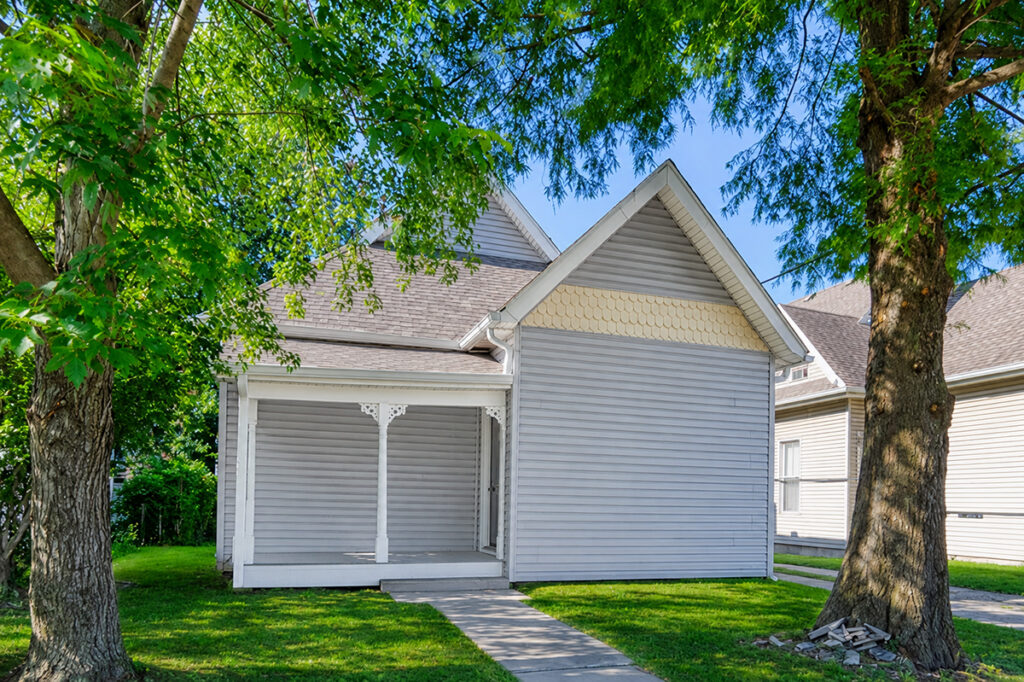
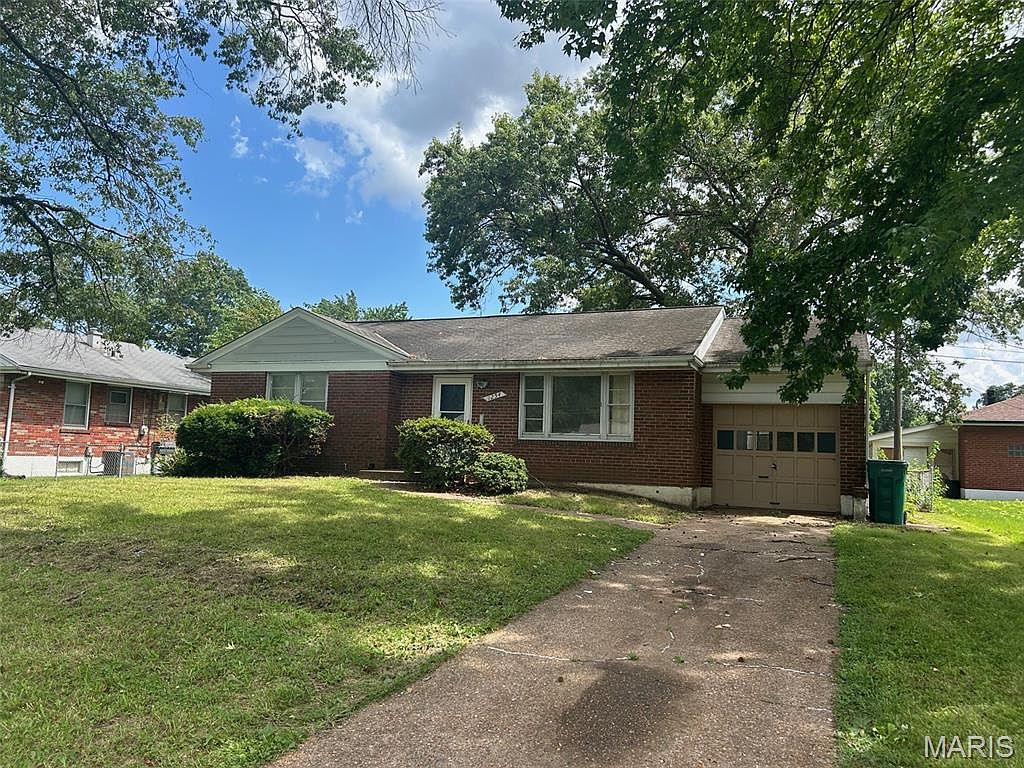
Saint Louis offers a budget‑friendly 4‑bed rental with a high cap rate, while Indianapolis provides a classic 2‑bed property with steady cash flow. Which Midwest market fits YOUR investment strategy?
We have much more inventory available than what you see on our website – Let us know about your requirement.
📈 Choose Your Winner & Contact Us Today!
Speak to a Norada Investment Counselor (No Obligation):
(800) 611-3060
Mortgage rates remain high in 2026, but rental properties continue to deliver strong cash flow and appreciation. Savvy investors know that turnkey real estate is the path to passive income and long‑term wealth.
Norada Real Estate helps you secure turnkey rental properties designed for immediate cash flow and appreciation—so you can invest smartly regardless of interest rate trends.
Also Read:
- Mortgage Rates Predictions Backed by 7 Leading Experts: 2025–2026
- Mortgage Rate Predictions for the Next 3 Years: 2026, 2027, 2028
- 30-Year Fixed Mortgage Rate Forecast for the Next 5 Years
- 15-Year Fixed Mortgage Rate Predictions for Next 5 Years: 2025-2029
- Will Mortgage Rates Ever Be 3% Again in the Future?
- Mortgage Rates Predictions for Next 2 Years
- Mortgage Rate Predictions for Next 5 Years
- Mortgage Rate Predictions: Why 2% and 3% Rates are Out of Reach
- How Lower Mortgage Rates Can Save You Thousands?
- How to Get a Low Mortgage Interest Rate?
- Will Mortgage Rates Ever Be 4% Again?