Mortgage rates on August 4, 2026, are mostly a tiny bit higher than yesterday, holding steady in a narrow range due to big world events and what the Federal Reserve is doing. Right now, the average 30-year fixed mortgage rate is 6.64%. This means buying a home is still a bit pricey, but understanding these numbers is super important for anyone thinking about getting a new home or a new loan.
Today's Mortgage Rates, August 4: 5/1 ARM Rises to 6.73%, Biggest Move of the Day
It feels like just yesterday we were all hoping for mortgage rates to keep dropping, but things have gotten a little mixed up. From what I'm seeing, and with data from Zillow, the big reasons for this wiggle are what's happening in the Middle East and the decisions our own Federal Reserve is making. It’s like a seesaw, and today, it’s tipped just a little bit higher.
What the Numbers Are Saying Today
Let's break down what the mortgage rates look like today, Tuesday, August 4, 2026, according to Zillow's latest info.
| Loan Type | Interest Rate |
|---|---|
| 30-year fixed | 6.64% |
| 20-year fixed | 6.64% |
| 15-year fixed | 6.07% |
| 5/1 ARM | 6.73% |
| 7/1 ARM | 6.52% |
| 30-year VA | 6.10% |
| 15-year VA | 6.07% |
| 5/1 VA | 6.09% |
What does this mean for you?
- The 30-year fixed rate is barely budging, up just 1 basis point (that's like 0.01%) from yesterday. It's still the most popular choice because it makes your monthly payments more predictable and lower than shorter loans.
- The 15-year fixed rate has climbed a bit more, up 6 basis points. This loan often has a lower interest rate overall, but your monthly payments will be higher.
- Adjustable-Rate Mortgages (ARMs), like the 5/1 ARM, are also seeing small increases. These start with a lower rate for a set number of years, but then the rate can change, going up or down.
Why Are Rates Moving Like This?
It’s not just random; there are big reasons behind these numbers.
1. The Federal Reserve is Playing it Cool (for Now)
The Federal Reserve, which is like the main bank for our country, recently had a meeting. They decided to keep their main interest rate the same. But, some people on their board wanted to raise rates. This makes lenders and the market think that maybe rates could go up soon, which can push mortgage rates higher. It’s like they’re saying, “We could make things more expensive, so let’s wait and see.”
2. Trouble Overseas Affects Our Wallets
There's been some conflict between the U.S. and Iran. When big countries have problems, it can affect how much oil costs around the world. If oil gets more expensive, that can make prices for everything else go up too – this is called inflation. Mortgage rates often go up when people worry about inflation because the money you borrow today will be worth less later.
3. The Bond Market's Ripple Effect
Mortgage rates are closely tied to something called the 10-year Treasury yield. Think of it like this: when investors get worried about inflation or the economy, they often put their money into things like U.S. Treasury bonds, which are seen as safer. This demand can push the yield down. However, when things like geopolitical events cause inflation fears, the opposite can happen, pushing yields up. And when those yields go up, mortgage rates usually follow.
Where Are We Headed?
Right now, it looks like mortgage rates are going to stay in this kind of tight range, not dropping much and maybe even nudging up a bit more. The big experts who study housing, like Fannie Mae and the Mortgage Bankers Association, used to think rates would go down to around 6% by the end of the year. But because of what's happening in the world and with the Fed, they've changed their minds. Now, they think rates might stay between 6.2% and 6.5% for the rest of 2026.
My Thoughts as Someone Who Watches This Stuff
As someone who’s spent time looking at these trends, it’s clear that the idea of rates suddenly falling back to 5% anytime soon isn't very likely. The forces pushing rates up – the Fed’s cautious stance and global instability – are pretty strong right now. It’s a bit frustrating for buyers, I know. We were hoping for a big dip, but the world doesn't always cooperate with our home-buying plans!
I remember when rates were much lower. It was a different world. Now, we have to be smarter about how we approach buying a home.
Smart Moves for Homebuyers Today
Knowing all this, here are some things I think are really important for anyone thinking about buying or refinancing:
- Don't Wait Too Long for Lower Rates: I get it, everyone wants the lowest rate possible. But if you wait for rates to drop by, say, half a percent, and during that time home prices go up by 3% or 4%, you might end up paying more in the long run. It can take years to save up the difference from a slightly lower monthly payment. Think of it like this: if a house costs $400,000 today and goes up by 3% ($12,000) in a year, that gain can cancel out the savings from a small rate drop.
- Shop Around, Seriously! This is probably the most important advice I can give. Lenders are all trying to get your business, especially when rates are high. I’ve seen huge differences in what different lenders offer. You must get loan estimates from at least three different lenders. Compare not just the interest rate, but also the Annual Percentage Rate (APR) and any fees they charge. This can save you tens of thousands of dollars over the life of your loan. Bankrate even found that people who don't shop around can pay around $78,000 more! That’s a lot of money.
- 15-Year vs. 30-Year: Weigh Your Options: Right now, the difference between a 15-year and a 30-year fixed loan is about 0.60%. If you can afford the higher monthly payments for a 15-year loan, it’s a fantastic way to build wealth faster. You’ll pay way less in total interest. For a $500,000 loan, choosing a 15-year term could save you about 60% in interest compared to a 30-year loan. That’s huge!
- The “Date the Rate, Marry the Home” Idea: Sometimes, you find the perfect house. It fits your budget, it's in the right neighborhood, and it just feels like home. If you find that place, don't be afraid to go for it. You can always refinance later if rates drop. If the economy cools down or inflation gets under control in the next year or two, we might see lower rates, and then you can swap your higher rate for a better one. It’s often better to get the home you love now and worry about optimizing the rate later.
Final Thoughts
Today, August 4, 2026, mortgage rates are a bit higher, and that’s mostly because of world events and the Federal Reserve's actions. It’s a good reminder that the housing market is always changing. The best thing you can do is stay informed, compare your options carefully, and make decisions that make sense for your personal situation.
VS
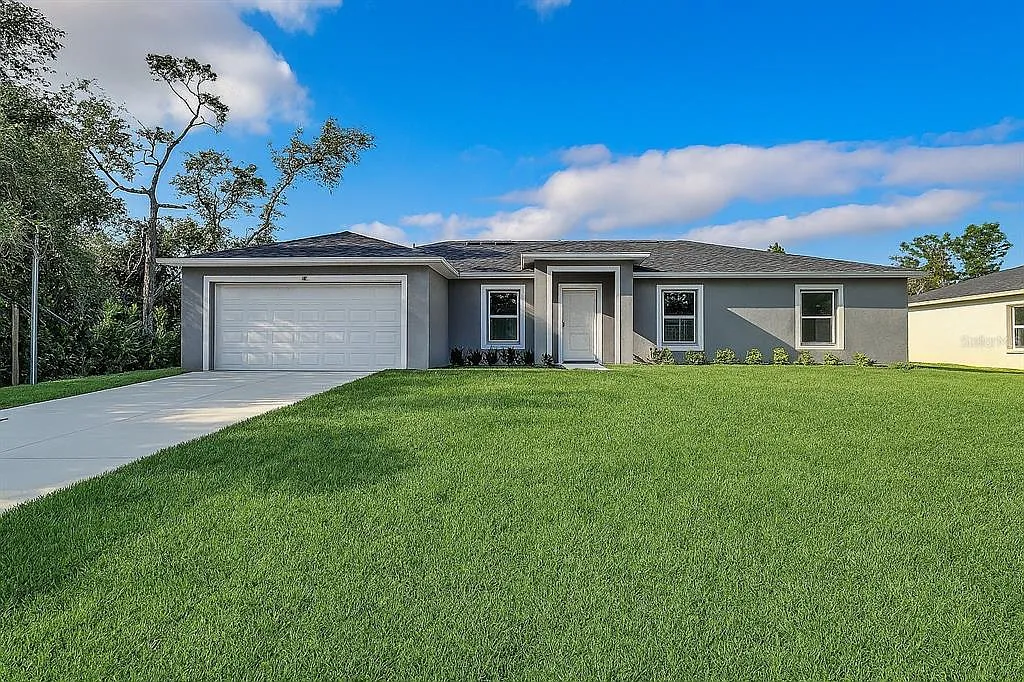
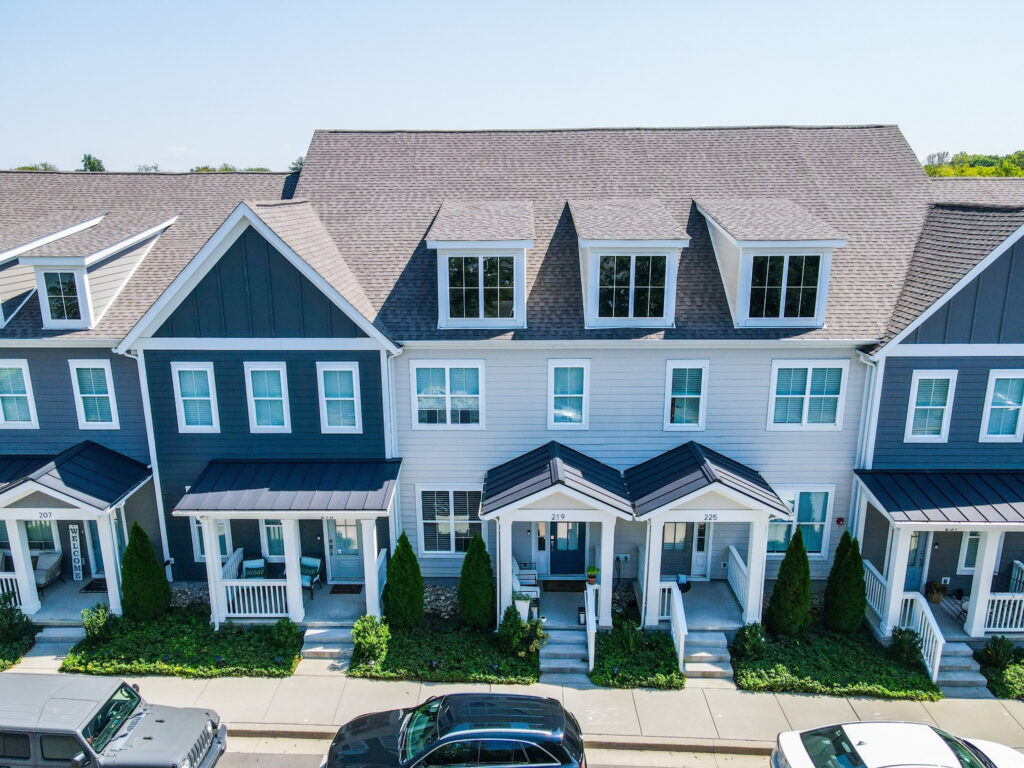
Out‑of‑State investors can compare Tennessee’s newer rental with higher NOI vs Florida’s A+ property with strong yield. Which fits YOUR investment strategy?
We have much more inventory available than what you see on our website – Let us know about your requirement.
📈 Choose Your Winner & Contact Us Today!
Speak to a Norada Investment Counselor (No Obligation):
(800) 611-3060
Mortgage rates remain high in 2026, but rental properties continue to deliver strong cash flow and appreciation. Savvy investors know that turnkey real estate is the path to passive income and long‑term wealth.
Norada Real Estate helps you secure turnkey rental properties designed for immediate cash flow and appreciation—so you can invest smartly regardless of interest rate trends.
Also Read:
- Mortgage Rates Predictions Backed by 7 Leading Experts: 2025–2026
- Mortgage Rate Predictions for the Next 3 Years: 2026, 2027, 2028
- 30-Year Fixed Mortgage Rate Forecast for the Next 5 Years
- 15-Year Fixed Mortgage Rate Predictions for Next 5 Years: 2025-2029
- Will Mortgage Rates Ever Be 3% Again in the Future?
- Mortgage Rates Predictions for Next 2 Years
- Mortgage Rate Predictions for Next 5 Years
- Mortgage Rate Predictions: Why 2% and 3% Rates are Out of Reach
- How Lower Mortgage Rates Can Save You Thousands?
- How to Get a Low Mortgage Interest Rate?
- Will Mortgage Rates Ever Be 4% Again?