
As of Monday, August 17, 2026, mortgage rates for buying a home are a little lower than the rates for refinancing an existing mortgage. This is good news if you're looking to purchase a new home! Today could be a turning point: a temporary ceasefire with Iran is ending just as negotiations have stalled, with talk of the U.S. potentially blocking key shipping lanes — a development that could push oil prices and mortgage rates higher in the days ahead.
For now, rates remain below their late-July peak of over 6.8%, with the 30-year fixed purchase rate at 6.54%, comfortably under the refinance rate for the same loan. Cooling inflation and softer job growth have helped keep rates in check, but that could change quickly if tensions escalate. Here's the full breakdown of today's numbers and what to watch next.
Today's Mortgage Rates, August 17: Purchase Rates Beat Refinancing Across the Board
What Are Today's Mortgage Rates for Buyers?
Let's break down the numbers for today, Monday, August 17, 2026, based on the latest information from Zillow. It's always smart to see the specifics for yourself.
| Loan Type | Purchase Rate |
|---|---|
| 30-Year Fixed | 6.54% |
| 20-Year Fixed | 6.31% |
| 15-Year Fixed | 5.86% |
| 5/1 ARM | 6.24% |
| 7/1 ARM | 6.38% |
| 30-Year VA | 6.08% |
| 15-Year VA | 5.63% |
| 5/1 VA | 5.68% |
Note: Data provided by Zillow.
Why Are Rates Doing What They Are?
It's no secret that mortgage rates can feel like a rollercoaster sometimes. Lately, they’ve been a bit calmer, moving down from the really high points we saw in late July, which were over 6.8%. This recent settling down isn't random; it's because of a few big things happening in the world and in our economy.
Inflation is Cooling (a Little!) and the Job Market is Calming Down
One of the biggest reasons rates have been dropping a bit in early August is because of a report called the Consumer Price Index (CPI). It showed that prices aren't going up as fast as they were before, which is great news! Also, the jobs report for July wasn't as hot as some expected. This made people feel less worried that the Federal Reserve (that's the big bank for our country) would have to raise interest rates again. When folks aren't worried about sudden rate hikes, mortgage rates can take a breather and go down a bit from those July peaks.
What the Federal Reserve is Thinking
The Federal Reserve has meetings where they talk about interest rates. At their last meeting in late July, they decided to keep their main interest rate steady for now. But, it wasn't a unanimous decision! Some important people there actually thought they should raise rates. Because of this, and the fact that prices are still going up a bit, the market is guessing there's a pretty good chance (about 67%) that the Fed will not raise rates in September. This means rates might stay where they are instead of dropping super fast.
The Real Driver: The 10-Year Treasury Yield
It's a common myth that mortgage rates are directly tied to the Federal Reserve's main interest rate. In reality, mortgage rates follow something called the U.S. 10-Year Treasury Yield much more closely. Think of it like this: when investors are nervous about the economy, they want more money back for lending their money to the government. So, the yield on these U.S. Treasury bonds goes up. When that happens, lenders who offer home loans also have to charge higher interest rates to make their own money.
Right now, that 10-year yield is around 4.69%. If investors start demanding higher yields because they see more risk, mortgage lenders will likely raise their rates too, just to keep making a profit. It's all about balancing risk and reward.
Lingering Worries About Prices
Even though the big inflation number (CPI) dropped, there are still some signs that prices could keep going up. A survey from the University of Michigan showed that people expect prices to rise more than 4% in the next year. As long as people and investors think inflation will stick around, lenders might be hesitant to lower mortgage rates too much. They'll likely want to keep them in that mid-6% range to protect themselves from rising costs.
Global Problems Can Mess With Rates Too
Sometimes, things happening far away can really shake up our mortgage rates. Right now, there's a lot of worry about the military conflict with Iran. Earlier this year, when there were U.S. military actions in Iran, we saw oil prices jump, and that pushed mortgage rates up.
Today, the tension is especially high because a temporary peace agreement is ending. Negotiations are stalled, and there are talks about the U.S. possibly blocking ships in important shipping lanes. This kind of global uncertainty can cause oil prices to go up, which then puts a floor under mortgage rates, stopping them from falling too much. It's a constant reminder that our economy is connected to the rest of the world.
What Does This Mean for You?
If you're in the market to buy a home, seeing purchase rates a bit lower than refinance rates is a good sign. It means it might be a bit more affordable to get that new home compared to refinancing an existing loan.
However, rates are still higher than they were in recent years. This means that your monthly mortgage payment will likely be higher than if you had bought a home a few years ago with much lower interest rates.
- Shop Around: It's crucial to get quotes from several different lenders. Even a small difference in interest rate can save you thousands of dollars over the life of your loan.
- Consider an ARM: If you plan to move or refinance in a few years, a 5/1 or 7/1 ARM might offer a lower initial rate. Just be sure you understand how the rate will change after the initial fixed period.
- Think About Your Budget: Make sure any home you consider fits comfortably within your budget, taking into account current rates, property taxes, insurance, and potential future rate adjustments if you choose an ARM.
- Stay Informed: Mortgage rates can change daily. Keep checking reliable sources like Zillow to see how things are moving.
I know this can all seem a bit complicated, but breaking it down helps! Understanding why rates are where they are today can help you make a smarter decision about your homeownership journey.
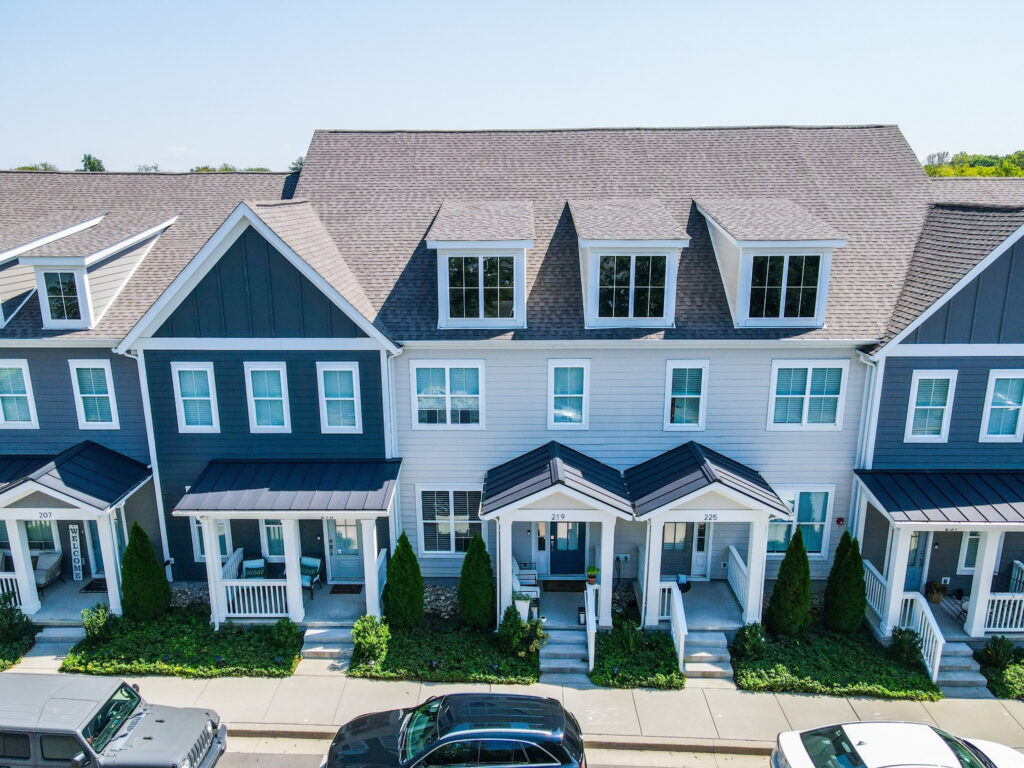
VS
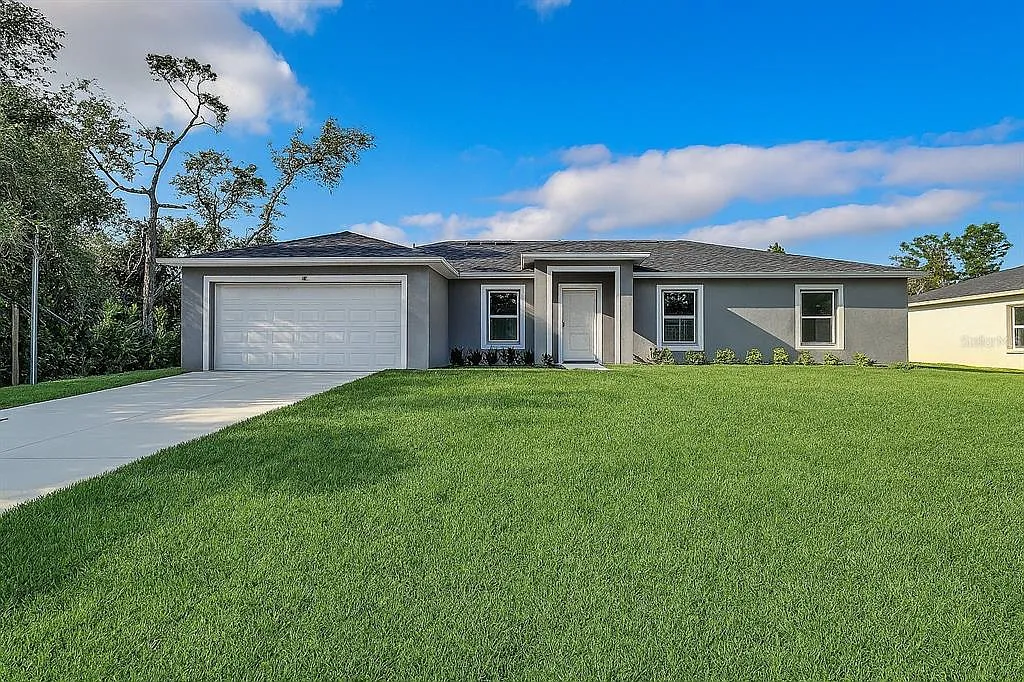
Out‑of‑State investors can compare Tennessee’s newer rental with higher NOI vs Florida’s A+ property with strong yield. Which fits YOUR investment strategy?
We have much more inventory available than what you see on our website – Let us know about your requirement.
📈 Choose Your Winner & Contact Us Today!
Speak to a Norada Investment Counselor (No Obligation):
(800) 611-3060
Mortgage rates remain high in 2026, but rental properties continue to deliver strong cash flow and appreciation. Savvy investors know that turnkey real estate is the path to passive income and long‑term wealth.
Norada Real Estate helps you secure turnkey rental properties designed for immediate cash flow and appreciation—so you can invest smartly regardless of interest rate trends.
Also Read:
- Mortgage Rates Predictions Backed by 7 Leading Experts: 2025–2026
- Mortgage Rate Predictions for the Next 3 Years: 2026, 2027, 2028
- 30-Year Fixed Mortgage Rate Forecast for the Next 5 Years
- 15-Year Fixed Mortgage Rate Predictions for Next 5 Years: 2025-2029
- Will Mortgage Rates Ever Be 3% Again in the Future?
- Mortgage Rates Predictions for Next 2 Years
- Mortgage Rate Predictions for Next 5 Years
- Mortgage Rate Predictions: Why 2% and 3% Rates are Out of Reach
- How Lower Mortgage Rates Can Save You Thousands?
- How to Get a Low Mortgage Interest Rate?
- Will Mortgage Rates Ever Be 4% Again?

