Today's mortgage rates, August 9, 2026, are easing a bit — welcome news after rates climbed as high as 6.8% by the end of July. The 30-year fixed has dropped to 6.51%, down 14 basis points from last week, while the 15-year fixed holds steady at 6.01% and the 5/1 ARM fell 28 basis points to 6.37%. It's a modest relief rather than a reversal, though, since experts still expect rates to stay above 6% for the rest of the year. Here's what's behind today's numbers and what they mean if you're buying or refinancing.
Today's Mortgage Rates, August 9: Rates Go Down Just Weeks After Topping 6.8%
What's Happening with Mortgage Rates Right Now?
Let's break down the numbers for today, Sunday, August 9, 2026, based on the latest information from Zillow. These are the rates that lenders are generally offering, though your own rate might be a little different depending on your credit score and other factors.
Here’s a quick look at today's rates:
| Mortgage Type | Rate |
|---|---|
| 30-year fixed | 6.51% |
| 20-year fixed | 6.34% |
| 15-year fixed | 6.01% |
| 5/1 ARM | 6.37% |
| 7/1 ARM | 6.30% |
| 30-year VA | 6.03% |
| 15-year VA | 5.70% |
| 5/1 VA | 5.66% |
Notice how the 30-year fixed rate has gone down a bit from last week? That's a good sign! The 15-year fixed rate is holding steady, which is still a great option for many. The adjustable-rate mortgages, or ARMs, are also showing some dips.
A Closer Look at the Numbers: My Thoughts
Looking at these numbers, I feel like we're in a bit of a balancing act. The fact that the 30-year fixed rate has dropped by 14 basis points (that's just a fancy way of saying 0.14%) is encouraging. It means that over the life of a big loan, you could be saving a little bit of money.
The 15-year fixed rate staying put at 6.01% is interesting. It suggests that this shorter loan term is still seen as a really solid bet by lenders. Many people who want to own their homes free and clear faster often lean towards this option.
The 5/1 ARM dropping by a noticeable 28 basis points is also worth noting. This type of loan has a fixed rate for the first five years, and then it can change. While it’s lower now, it's important to remember that the rate could go up later.
Where Have We Been? The Recent Rate Ride
It's been a bit of a rollercoaster lately, hasn't it? Just a few weeks ago, we saw rates climbing pretty quickly, going from the mid-6% range all the way up to over 6.8% by the end of July. That kind of jump can make anyone pause.
Even though rates have eased a little bit this past week, the experts are saying that they might stick around where they are for a while. People like those at Fannie Mae and the Mortgage Bankers Association think that rates will likely stay above 6.0% for the rest of the year. This isn't a huge surprise, given everything else going on in the world.
What's Making These Rates Move? The Big Picture
It's not just random chance that mortgage rates move up and down. A lot of things are happening in the economy and around the world that lenders pay close attention to when they decide what rates to offer.
Here are some of the main things I'm keeping an eye on:
- The 10-Year Treasury Yield: Think of this like a speedometer for interest rates. Mortgage rates tend to follow this yield very closely. It hit a high point recently, and it's been bobbing around. When this yield goes up, mortgage rates usually follow.
- Inflation: Even though inflation isn't as high as it was, it's still a bit more than the Federal Reserve (the people who manage our country's money) wants. They like it to be around 2%, and right now, it's closer to 3.8%. When inflation is high, lenders add a bit extra to their rates to make sure they don't lose money over time.
- What the Federal Reserve is Doing: The Fed decided to keep their main interest rate the same at their last meeting. But, not everyone agreed – some folks wanted to raise it a little. This means people are thinking the Fed might raise rates again soon, maybe even in September. When the Fed raises rates, it usually makes borrowing money more expensive.
- World Events and Oil Prices: Things happening in other countries can also affect our economy. Right now, there's some tension in the world that's making oil prices go up. When oil prices jump, it can make businesses more expensive to run, and that can ripple through to interest rates. Sometimes, good news about peace talks can make investors feel better, which can help rates go down a bit, but if things get tense, rates can climb.
My Take on the Future of Rates
Based on what I'm seeing and hearing from the smart people who study these things, I don't expect mortgage rates to suddenly drop back down to, say, 3% or 4% anytime soon. That's just the reality of where we are with inflation and the economy.
Instead, I think we'll continue to see rates hover in this mid-6% range for the foreseeable future. This is actually closer to what we saw before the super-low rate period of the last few years. For many people, this is still a manageable rate.
What This Means for You
If you're a homebuyer:
- Shop Around: Don't just go with the first lender you talk to. Get quotes from a few different places. Even a small difference in the rate can save you a lot of money over time.
- Understand Your Loan Options: Think about whether a fixed-rate mortgage or an ARM makes more sense for your situation. If you plan to move or refinance in a few years, an ARM might be okay, but if you plan to stay put for a long time, a fixed rate is usually safer.
- Improve Your Credit Score: The better your credit score, the better rate you're likely to get.
- Consider a Shorter Loan Term: If you can afford higher monthly payments, a 15-year or 20-year mortgage will save you a lot of money on interest compared to a 30-year loan.
If you're a home seller:
- Pricing is Key: With rates a bit higher than they were, buyers might be a little more sensitive to price. Make sure your home is priced competitively.
- Highlight Value: Focus on what makes your home special and the value it offers to buyers.
The Bottom Line
Today's mortgage rates, August 9, are offering a slight improvement from last week, but the overall trend suggests we're in a period of moderate rates for now. It's a time for careful planning and smart decisions. By understanding the factors influencing rates and knowing your options, you can navigate the current market with confidence.
VS
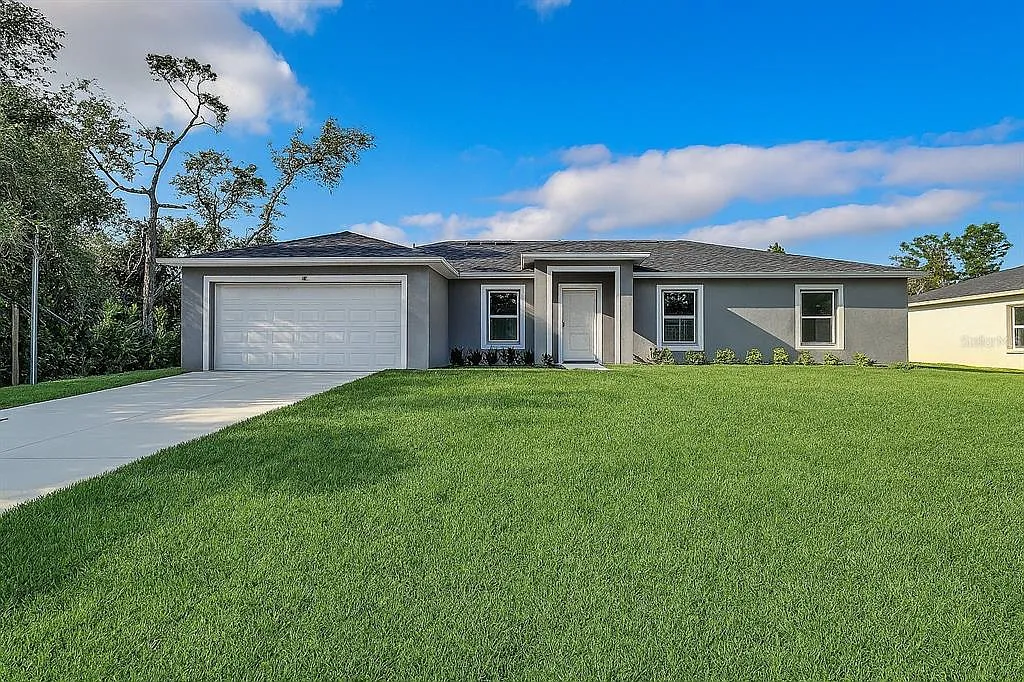
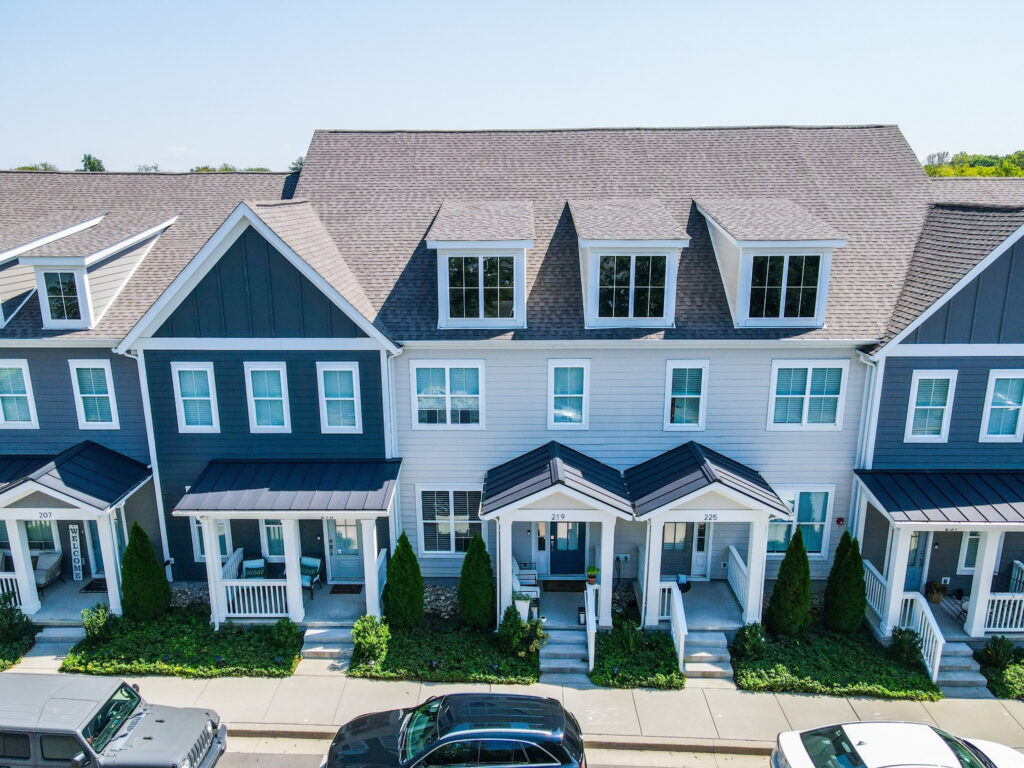
Out‑of‑State investors can compare Tennessee’s newer rental with higher NOI vs Florida’s A+ property with strong yield. Which fits YOUR investment strategy?
We have much more inventory available than what you see on our website – Let us know about your requirement.
📈 Choose Your Winner & Contact Us Today!
Speak to a Norada Investment Counselor (No Obligation):
(800) 611-3060
Mortgage rates remain high in 2026, but rental properties continue to deliver strong cash flow and appreciation. Savvy investors know that turnkey real estate is the path to passive income and long‑term wealth.
Norada Real Estate helps you secure turnkey rental properties designed for immediate cash flow and appreciation—so you can invest smartly regardless of interest rate trends.
Also Read:
- Mortgage Rates Predictions Backed by 7 Leading Experts: 2025–2026
- Mortgage Rate Predictions for the Next 3 Years: 2026, 2027, 2028
- 30-Year Fixed Mortgage Rate Forecast for the Next 5 Years
- 15-Year Fixed Mortgage Rate Predictions for Next 5 Years: 2025-2029
- Will Mortgage Rates Ever Be 3% Again in the Future?
- Mortgage Rates Predictions for Next 2 Years
- Mortgage Rate Predictions for Next 5 Years
- Mortgage Rate Predictions: Why 2% and 3% Rates are Out of Reach
- How Lower Mortgage Rates Can Save You Thousands?
- How to Get a Low Mortgage Interest Rate?
- Will Mortgage Rates Ever Be 4% Again?