Good news for homeowners! Mortgage refinance rates have just taken a welcome turn. As of today, August 8, 2026, the average rate for a 30-year fixed refinance has fallen by a significant 13 basis points, officially landing below the 7% mark at 6.90%. This dip is a breath of fresh air and presents a fantastic opportunity for those looking to trim down their monthly housing expenses.
Mortgage Rates Today, August 8, 2026: 30-Year Refinance Rate Drops by 13 Basis Points
The Latest Numbers: A Closer Look at the Dip
The good folks at Zillow have been keeping a close eye on these numbers, and their latest report is what’s painting this optimistic picture. It’s not just the 30-year loan that’s seeing some love; other refinance options have also shown improvement.
Here’s a quick rundown of where things stand today, August 8, 2026, according to Zillow:
| Loan Type | Current Rate | Change from Yesterday | Change from Last Week |
|---|---|---|---|
| 30-Year Fixed Refi | 6.90% | Down 12 basis points | Down 13 basis points |
| 15-Year Fixed Refi | 5.91% | Down 11 basis points | Down 13 basis points |
| 5-Year ARM Refi | 6.50% | Holding Steady | Holding Steady |
You can see the biggest jump, the 13 basis point drop for the 30-year fixed refinance, really stands out. This shows a strong downward movement, not just a one-day blip.
Why the 6.90% Threshold is a Big Deal
Breaking that 7% barrier is more than just a number change; it’s a significant psychological and financial milestone. For years, we’ve seen rates hover around or above this level, making refinancing a tough decision for many.
- Weekly Momentum: That 13 basis point fall from last week isn't a fluke. It signals that the market is trending downwards, giving homeowners a more confident reason to explore refinancing.
- 15-Year Strength: And look at the 15-year fixed rate dropping to 5.91%! That’s a full percentage point lower than the 30-year rate. For homeowners who can handle a higher monthly payment, this is a fantastic way to pay off their home much faster and save a ton on interest over time.
What This Means for Your Wallet
So, what does this mean for you, the homeowner? If you took out a mortgage sometime in the last couple of years when rates were higher, say above 7.5%, this current dip could mean some serious money back in your pocket each month.
My advice is always to calculate your break-even point. This means figuring out how many months it will take for the money you save on your monthly payments to cover the costs of getting the new loan. It’s like a little puzzle to make sure the refinance makes financial sense for you.
And don't forget to consider that 15-year option if your budget allows. The savings can be immense. If your current rate is significantly higher than these new offerings, it’s definitely time to explore your options.
Understanding the Current Rate Trend
It's important to remember that mortgage rates are always a bit of a rollercoaster. We saw rates hit a low earlier this year, around 6.09%, but then they climbed pretty fast through July. Now, the market seems to be settling a bit, showing a general trend towards tightening, but with these recent drops, things are looking up again.
- Short-Term: Rates can be a little jumpy day-to-day, reacting to news about the economy. Sometimes they drop a bit right before the weekend, but the bigger picture over a few weeks has been a slow climb up until this recent shift.
- Long-Term: Experts aren't expecting rates to plummet back to where they were during the pandemic days. Organizations like the Mortgage Bankers Association are predicting the 30-year rate to average around 6.5% for the rest of 2026, and Fannie Mae is suggesting a slight drop to 6.4%. This means that while rates might fluctuate, they're unlikely to go back to super-low territory anytime soon.
Why Rates Move: The Big Picture Drivers
You might wonder what makes these rates go up and down. It’s usually a mix of things, but the main players are the yield on the 10-year Treasury bond and what's happening in the world.
- The Federal Reserve & Stubborn Inflation: The folks at the Federal Reserve recently decided to keep their main interest rate steady, between 3.5% and 3.75%. Inflation, which is still hanging around 3.8% from June, is a big concern. Because inflation isn't going away easily, the Fed is keeping an eye out and might even consider raising rates again. This influences what banks charge for loans.
- Energy Costs and Global Events: Sometimes, when there are problems in other parts of the world, it can cause oil prices to jump. When oil gets more expensive, it makes everything else more expensive, and it can make investors nervous. This nervousness often pushes them to invest in safer things like government bonds, which can, in turn, push mortgage rates up.
- Investor Confidence: Global worries can make investors shift their money around. They might move from stocks to bonds, looking for a safer place for their money. These quick changes can cause mortgage rates to swing up and down pretty suddenly.
What You Need to Consider When Refinancing
If you're thinking about refinancing, it's super important to look at your own situation, not just the average numbers. The advertised rates are usually for people with the best credit scores and the most equity in their homes.
Here’s a little checklist I often share with people:
- The Break-Even Analysis: Refinancing usually comes with costs, often between 2% and 6% of your loan amount. You need to make sure you plan to stay in your home long enough for the monthly savings to pay off these costs. If you plan to move in a year or two, it might not be worth it.
- The “Rate Delta” Rule: This is my personal rule of thumb. If your current rate is under 6%, refinancing right now probably doesn't make much sense unless there's a very special situation. But if you're above 7.5%, you're likely to see immediate savings.
- Credit and Your Home's Value: Those super-low rates you see advertised? They’re usually for borrowers with a FICO score of 740 or higher and a loan-to-value ratio of 80% or less. If your credit isn't perfect or you don't have much equity, your actual rate might be higher. It's like buying a car – the sticker price is just the starting point.
- Shop Around! This is probably the most crucial step. Banks and lenders can have very different rates on the same day, especially when the market is moving. Getting quotes from at least three different lenders can save you a lot of money over the life of your loan. Don't just go with the first one you talk to!
Today’s drop in refinance rates is definitely something to pay attention to. It’s a good reminder to check in with your current mortgage and see if refinancing might be the right move for you.
VS
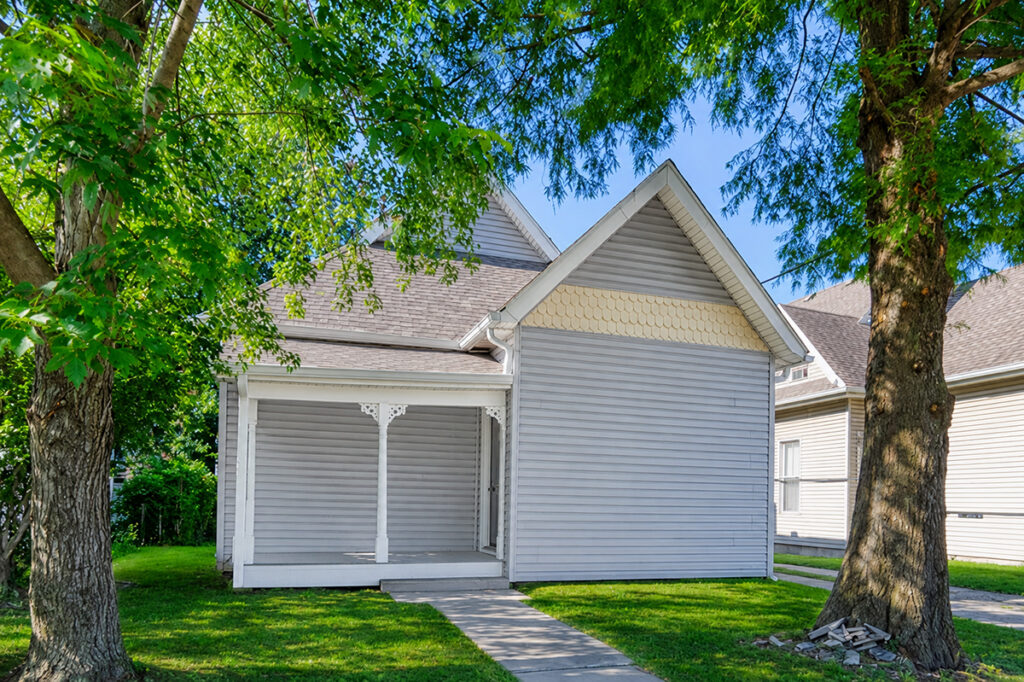
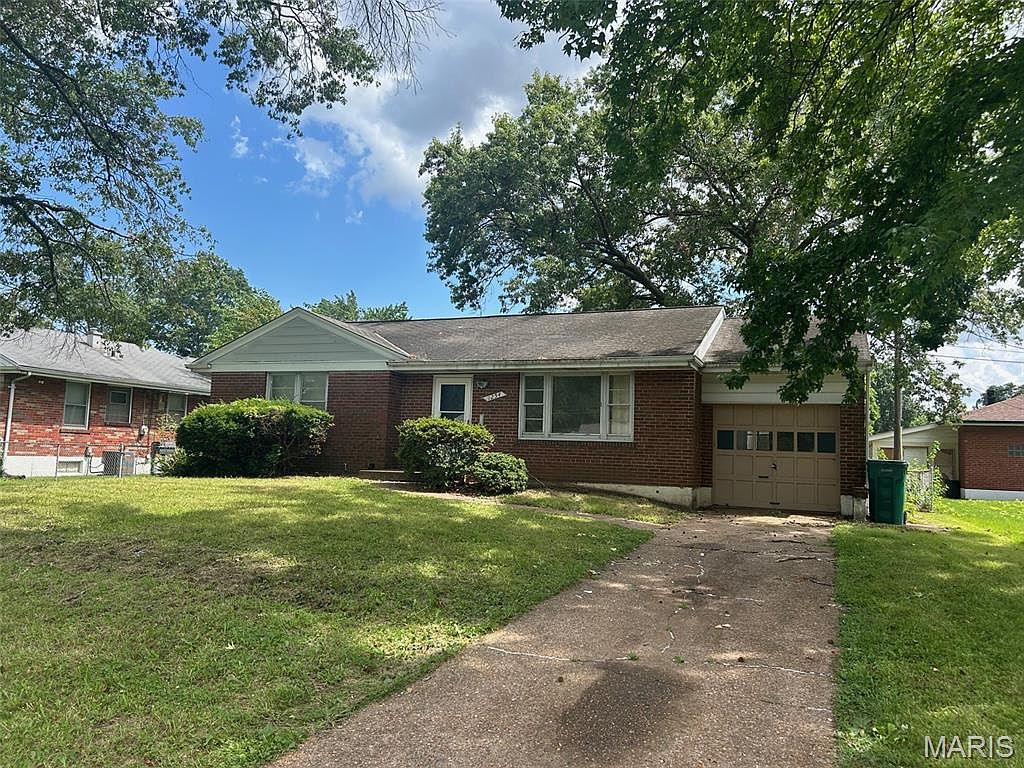
Saint Louis offers a budget‑friendly 4‑bed rental with a high cap rate, while Indianapolis provides a classic 2‑bed property with steady cash flow. Which Midwest market fits YOUR investment strategy?
We have much more inventory available than what you see on our website – Let us know about your requirement.
📈 Choose Your Winner & Contact Us Today!
Speak to a Norada Investment Counselor (No Obligation):
(800) 611-3060
Mortgage rates remain high in 2026, but rental properties continue to deliver strong cash flow and appreciation. Savvy investors know that turnkey real estate is the path to passive income and long‑term wealth.
Norada Real Estate helps you secure turnkey rental properties designed for immediate cash flow and appreciation—so you can invest smartly regardless of interest rate trends.
Also Read:
- Mortgage Rates Predictions Backed by 7 Leading Experts: 2025–2026
- Mortgage Rate Predictions for the Next 3 Years: 2026, 2027, 2028
- 30-Year Fixed Mortgage Rate Forecast for the Next 5 Years
- 15-Year Fixed Mortgage Rate Predictions for Next 5 Years: 2025-2029
- Will Mortgage Rates Ever Be 3% Again in the Future?
- Mortgage Rates Predictions for Next 2 Years
- Mortgage Rate Predictions for Next 5 Years
- Mortgage Rate Predictions: Why 2% and 3% Rates are Out of Reach
- How Lower Mortgage Rates Can Save You Thousands?
- How to Get a Low Mortgage Interest Rate?
- Will Mortgage Rates Ever Be 4% Again?