
Today, August 24, 2026, the average rate for a 30-year fixed refinance has dipped slightly, settling at 6.94%. While this might seem like a tiny change, it’s a welcome sign after a period of stillness, and it means you could potentially save a bit more money on your mortgage if you choose to refinance right now.
Mortgage Rates Today, August 24, 2026: 30-Year Refinance Rate Drops by 2 Basis Points
What's Really Going On with These Rates?
You might be wondering, “Why is it even moving a little bit?” It's a fair question. For a while now, it feels like rates have been stuck in place. But trust me, there's a lot going on behind the scenes that influences these numbers. It’s not just random; it’s a complex dance between big economic forces.
On August 24, 2026, the average 30-year fixed refinance rate held steady at 6.94%, according to Zillow. This is just a little bit lower than last week, when it was at 6.96%. It’s a small step down, but it’s a step in the right direction for borrowers.
Here's a look at the average rates for different types of mortgages as of August 24, 2026, according to Zillow:
| Loan Type | Average Refinance Rate |
|---|---|
| 30-Year Fixed Refinance | 6.94% |
| 15-Year Fixed Refinance | 5.98% |
| 5-Year ARM Refinance | 6.00% |
The Bigger Picture: Why the Flatness, and What the Drop Means
For weeks, we’ve been seeing these rates hover around the same mark. It’s been a bit frustrating for people hoping for a bigger break. The main reason for this standstill is a careful balancing act. We have inflation that’s still a bit stubborn, the Federal Reserve hitting the pause button on interest rate changes, and a lot of uncertainty in the world of oil prices.
Here’s a breakdown of what’s really keeping rates in this tight range and why that small drop is noteworthy:
- Inflation's Stubbornness and the Fed's Hesitation: Even though the Federal Reserve made some interest rate cuts late last year (back in 2025), they've kept their main interest rate pretty much the same throughout 2026. The people in charge at the Fed have been saying that the cost of things is still higher than they want it to be. This has led to some serious discussions among them. Some are even talking about raising rates again if prices don't start to cool down soon! This uncertainty makes lenders a bit cautious.
- Treasury Yields Holding Steady: Mortgage rates don’t just magically follow the Federal Reserve. They are more closely tied to something called the 10-year U.S. Treasury yield. When the yields on these government bonds stop moving much, mortgage rates tend to do the same. Right now, the 10-year Treasury yield is hanging out in the mid-4% range. This naturally keeps the 30-year fixed refinance rate stuck in the high 6% range.
- Global Worries and Oil Prices: A big reason why borrowing money is still costing a bit more is the ongoing situation involving the U.S. and Iran. This has made it harder and more dangerous to ship things, and it's put a strain on the world's oil supply. When oil prices go up, it directly makes other things more expensive, fueling that stubborn inflation we talked about. While there have been some small signs of progress in peace talks that have occasionally made oil prices a little softer, the overall worry keeps long-term borrowing costs from falling too much.
- The U.S. Treasury's Helping Hand: Now, here’s something interesting that’s actually stopping mortgage rates from going way past 7%. The U.S. Treasury Department has been stepping in and buying back a lot of its own long-term bonds. This might sound complicated, but it basically makes those bonds more valuable, which in turn pushes their yields down. This action from the U.S. Treasury is like a safety net, pushing back against the higher costs caused by global oil prices. It’s a big reason why we’re seeing this flat, sideways movement in rates.
Is Today the Day to Refinance? My Thoughts
From my perspective, seeing any drop, even a small one, is a green light to at least look into refinancing. If you've been thinking about it, especially if your current mortgage rate is higher than 6.94%, now is a good time to get quotes.
Remember, the rate you actually get depends on many things, including your credit score, how much you owe on your home, and the type of loan you choose. Don't just go with the first offer you see. Shop around!
- Consider your current loan: What’s your current interest rate? If it’s significantly higher than 6.94%, a refinance could save you a good amount of money over time.
- Think about your goals: Are you trying to lower your monthly payment, pay off your mortgage faster, or maybe take out cash from your home? Your goals will help determine if a refinance is the right move.
- Don't forget the costs: Refinancing usually comes with closing costs, just like getting a mortgage the first time. Make sure the savings you expect from a lower rate will outweigh these costs. It's often said that you should look to recoup those costs within a few years.
I’ve seen people save hundreds of dollars a month by refinancing at the right time. It might seem like a lot of work, but that extra money can make a real difference in your budget.
What to Watch For Next
The financial world is always changing. Even though rates are holding pretty steady, there are a few things that could shake things up:
- Inflation Data: Any new numbers showing inflation cooling down could encourage the Fed to consider rate cuts, which would likely push mortgage rates lower.
- Global Events: Continued instability in oil markets or new geopolitical developments could push rates back up.
- Treasury Actions: Whether the Treasury continues its bond buyback program will also play a role.
For now, the slight dip in the 30-year fixed refinance rate is a small victory. It’s a reminder that even in a seemingly steady market, opportunities can arise. So, if you’re a homeowner, take a moment to see if this small change could be a big win for your wallet.
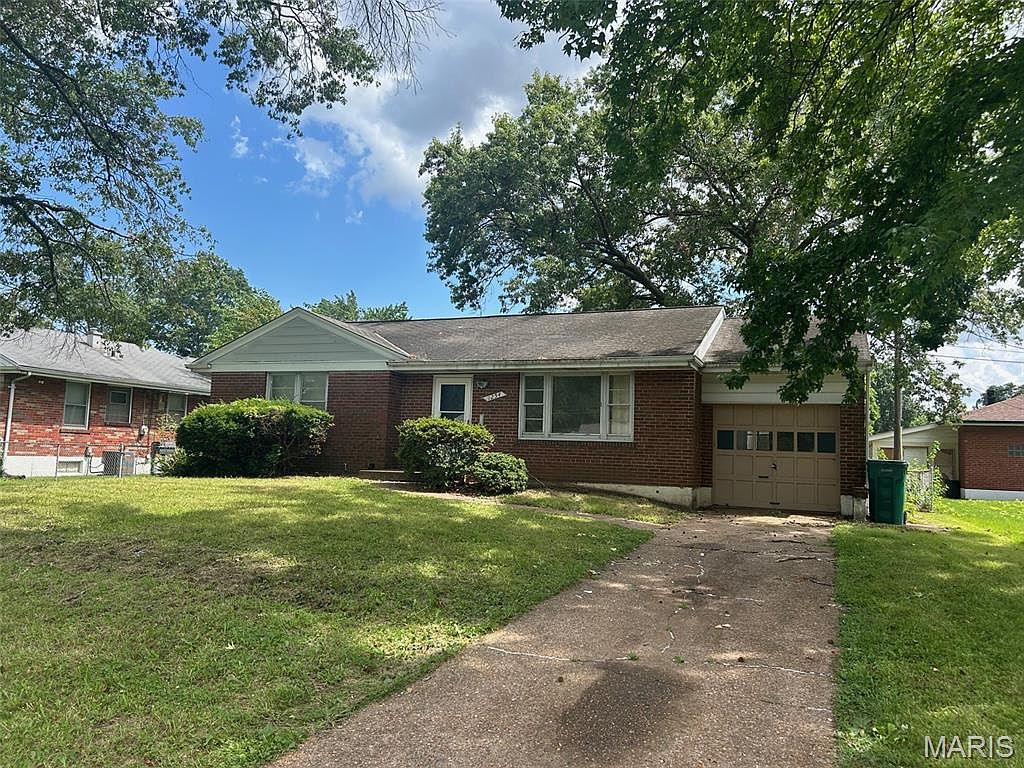
VS
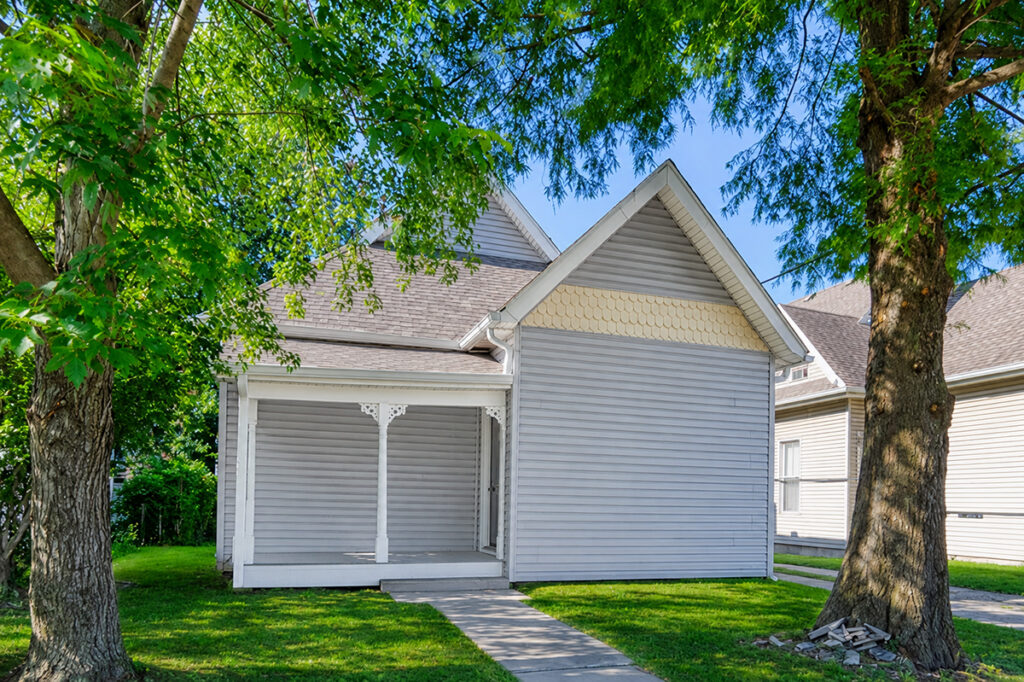
Saint Louis offers a budget‑friendly 4‑bed rental with a high cap rate, while Indianapolis provides a classic 2‑bed property with steady cash flow. Which Midwest market fits YOUR investment strategy?
We have much more inventory available than what you see on our website – Let us know about your requirement.
📈 Choose Your Winner & Contact Us Today!
Speak to a Norada Investment Counselor (No Obligation):
(800) 611-3060
Mortgage rates remain high in 2026, but rental properties continue to deliver strong cash flow and appreciation. Savvy investors know that turnkey real estate is the path to passive income and long‑term wealth.
Norada Real Estate helps you secure turnkey rental properties designed for immediate cash flow and appreciation—so you can invest smartly regardless of interest rate trends.
Also Read:
- Mortgage Rates Predictions Backed by 7 Leading Experts: 2025–2026
- Mortgage Rate Predictions for the Next 3 Years: 2026, 2027, 2028
- 30-Year Fixed Mortgage Rate Forecast for the Next 5 Years
- 15-Year Fixed Mortgage Rate Predictions for Next 5 Years: 2025-2029
- Will Mortgage Rates Ever Be 3% Again in the Future?
- Mortgage Rates Predictions for Next 2 Years
- Mortgage Rate Predictions for Next 5 Years
- Mortgage Rate Predictions: Why 2% and 3% Rates are Out of Reach
- How Lower Mortgage Rates Can Save You Thousands?
- How to Get a Low Mortgage Interest Rate?
- Will Mortgage Rates Ever Be 4% Again?

