Well, it looks like those dreams of a super-low mortgage rate took a tiny step back today. If you're thinking about refinancing your home, the news from July 7, 2026, is that the popular 30-year fixed refinance rate has nudged up to 6.77%. This is a slight increase of 9 basis points from yesterday.
I know, I know. It's not the news anyone wants to hear, especially when you're hoping to save some serious money on your monthly payments. But as someone who's followed the housing market for years, I've learned that these small shifts are just part of the big picture. Let's dive into what's really going on and what it means for you.
Mortgage Rates Today, July 7, 2026: 30‑Year Refinance Rate Climbs to 6.77%
What's Happening with Today's Refinance Rates?
According to the latest information from Zillow, the national average for a 30-year fixed refinance rate has officially moved up to 6.77%. Just yesterday, it was sitting at 6.68%. This means that if you're looking to lock in a new loan for your home over the next 30 years, you'll be looking at a slightly higher rate than you might have yesterday.
It's also worth noting that this 6.77% rate is 2 basis points higher than the average rate we saw just last week, which was around 6.75%.
But it's not all uphill. For those considering a shorter loan term, the news is a bit better:
- The 15-year fixed refinance rate has actually seen a small dip, going down by 3 basis points to 5.75%. This is great news if you're looking to pay off your home faster and save on interest over the long run.
- The 5-year adjustable-rate mortgage (ARM) refinance rate is holding steady at 6.75%. Remember, ARMs start with a fixed rate that can change later, so they can be a good option if you plan to move or refinance again before the fixed period ends.
Here’s a quick look at the numbers from Zillow:
| Loan Type | Rate Today (July 7, 2026) | Rate Yesterday | Change from Yesterday | Change from Last Week |
|---|---|---|---|---|
| 30-Year Fixed Refinance | 6.77% | 6.68% | +9 basis points | +2 basis points |
| 15-Year Fixed Refinance | 5.75% | 5.78% | -3 basis points | -3 basis points |
| 5-Year ARM Refinance | 6.75% | 6.75% | 0 basis points | N/A |
Why Are Rates Doing This Little Dance?
It's easy to get frustrated when rates go up, but understanding why they're moving helps a lot. Think of it like the weather – sometimes it's sunny, sometimes it rains. Mortgage rates are affected by a bunch of things happening in our economy.
Right now, a few key factors are keeping rates from dropping too much:
- Inflation is Still a Little Sticky: You know how prices for everyday things seem to keep going up? That's called inflation. The latest reports show that prices have been rising at an annual pace of about 4.2%. When inflation is higher, lenders need to charge more interest to make their money grow. This puts upward pressure on things like bonds, which are closely linked to mortgage rates.
- World Events and Oil Prices: Sometimes, big news from around the world can impact prices here at home. Even though there was a ceasefire in Iran that helped oil prices go down a bit (below $70 a barrel), the earlier price jumps had a ripple effect on the overall cost of things, and that matters for inflation.
- The Job Market is Cooling Down (Just a Little): The latest jobs report for June wasn't as strong as some expected. This is actually a mixed bag. A slightly cooler job market can sometimes lead to lower interest rates on things like the 10-year Treasury bonds, which in turn can help mortgage rates. We're seeing a tiny bit of that effect today.
- The Federal Reserve is Paused: Our country's central bank, the Federal Reserve (often called the “Fed”), has decided to keep its main interest rate steady. They're currently at a rate between 3.50% and 3.75%. They're waiting to see more clear signs that inflation is under control before they consider lowering rates. Think of them as being on pause, watching and waiting.
Your Refinancing Strategy: What Does This Mean for You?
When you see rates ticking up, it’s a good time to take a breath and think about your specific situation. I’ve seen so many people get caught up in the daily rate changes, but the best approach is always to look at the bigger picture for your own finances.
Major housing groups, like Fannie Mae and the Mortgage Bankers Association, are predicting that those 30-year fixed mortgage rates will likely stay in the 6.3% to 6.5% range for the rest of 2026. This means that today’s rate of 6.77% isn't necessarily the “new normal” forever, but it’s where we are for now.
So, how do you decide if refinancing makes sense now? Here’s what I tell people:
- The “1% Rule” is a Good Starting Point: Dig out your current mortgage papers. If you can refinance and get a rate that's at least 1% lower than what you have now, it's usually worth looking into more closely. For example, if your current rate is 7.8%, and you can get 6.8%, that's a big difference!
- Figure Out Your Break-Even Point: Refinancing isn't free. There are closing costs, which can add up to about 2% to 5% of the total loan amount. You need to make sure you plan to stay in your home long enough for the monthly savings from the lower rate to cover these upfront costs. If you think you might sell in a couple of years, a big refinance might not be worth it.
- Shorter Loans Can Be a Big Saver: Did you buy your home when rates were really high, maybe closer to 8%? Switching to a 15-year fixed refinance at today's lower rates (like the 5.75% we're seeing) can make a massive difference in how much interest you pay over the life of your loan. You'll pay more each month, but you'll pay off your house much faster and save a ton of money in the long run.
- Need Cash? Consider a HELOC: If you want to tap into the money you've built up in your home (your equity) for things like renovations, but you already have a great, low rate on your original mortgage (like 3% or 4%), don't refinance your whole loan! Instead, look into a Home Equity Line of Credit (HELOC). This lets you borrow against your equity without touching your current low-rate mortgage.
This is a complex topic, and honestly, I’ve spent a lot of time crunching these numbers myself. My main advice is to always look at what’s best for your budget and your future plans. Don't be afraid to talk to a trusted mortgage professional who can help you run the numbers specifically for your situation.
VS
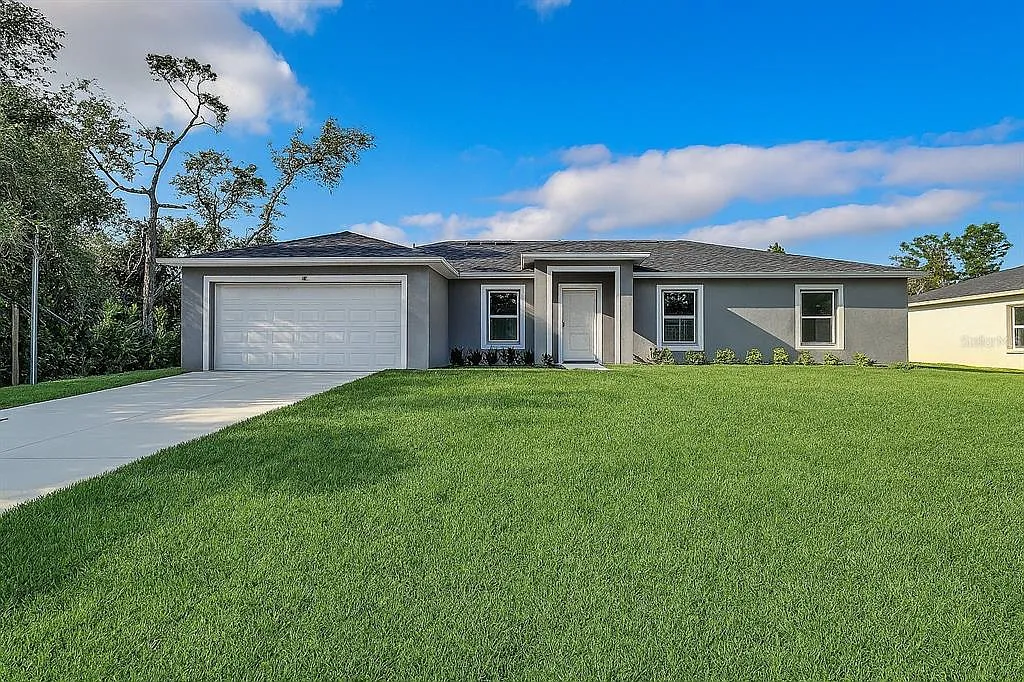
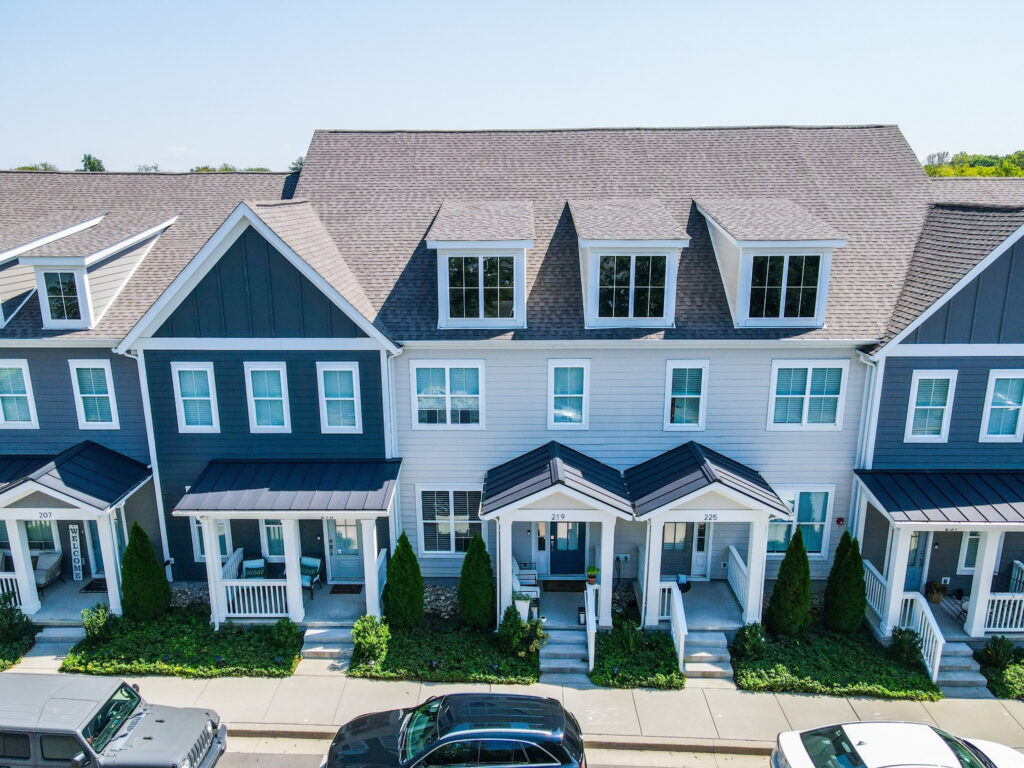
Out‑of‑State investors can compare Tennessee’s newer rental with higher NOI vs Florida’s A+ property with strong yield. Which fits YOUR investment strategy?
We have much more inventory available than what you see on our website – Let us know about your requirement.
📈 Choose Your Winner & Contact Us Today!
Speak to a Norada Investment Counselor (No Obligation):
(800) 611-3060
Mortgage rates remain high in 2026, but rental properties continue to deliver strong cash flow and appreciation. Savvy investors know that turnkey real estate is the path to passive income and long‑term wealth.
Norada Real Estate helps you secure turnkey rental properties designed for immediate cash flow and appreciation—so you can invest smartly regardless of interest rate trends.
Also Read:
- Mortgage Rates Predictions Backed by 7 Leading Experts: 2025–2026
- Mortgage Rate Predictions for the Next 3 Years: 2026, 2027, 2028
- 30-Year Fixed Mortgage Rate Forecast for the Next 5 Years
- 15-Year Fixed Mortgage Rate Predictions for Next 5 Years: 2025-2029
- Will Mortgage Rates Ever Be 3% Again in the Future?
- Mortgage Rates Predictions for Next 2 Years
- Mortgage Rate Predictions for Next 5 Years
- Mortgage Rate Predictions: Why 2% and 3% Rates are Out of Reach
- How Lower Mortgage Rates Can Save You Thousands?
- How to Get a Low Mortgage Interest Rate?
- Will Mortgage Rates Ever Be 4% Again?