It’s July 4th, 2026, and the national average for a 30-year fixed refinance rate has dipped slightly, coming in at 6.72% as reported by Zillow. This is a small but welcome drop of 2 basis points from last week’s average of 6.74%. While it might seem like a tiny change, in the world of mortgages, even these small shifts can make a difference for many homeowners.
It’s a good day to be looking at your mortgage options, especially if you've been waiting for rates to move in a favorable direction. Today, we're seeing rates hover in a range that might make refinancing a smart move for certain folks. Let's dive into what this means and what else is happening in the mortgage market.
Mortgage Rates Today, July 4, 2026: 30-Year Refinance Rate Drops by 2 Basis Points
What's Happening with Refinance Rates Right Now?
As of today, July 4, 2026, Zillow reports that the national average for a 30-year fixed refinance rate is holding steady at 6.72%. This is a slight decrease from the previous week's average of 6.74%, marking a 2 basis point drop.
But that's not the only story. Here's a quick look at other common refinance rates:
- 15-year fixed refinance rate: This has also remained stable at 5.86%.
- 5-year ARM refinance rate: This is currently at 6.00%.
To give you a clearer picture, here's how these rates stack up, according to Zillow:
| Loan Term | Current Average Rate (July 4, 2026) | Previous Week's Average Rate |
|---|---|---|
| 30-Year Fixed | 6.72% | 6.74% |
| 15-Year Fixed | 5.86% | 5.86% |
| 5-Year ARM | 6.00% | – |
(Source: Zillow)
It’s worth noting that general averages for U.S. mortgage refinance rates are sitting in the mid-to-high 6% range. For 30-year fixed refinance rates, this means they're generally falling between approximately 6.38% and 6.79%. If you're looking at 15-year fixed refinance rates, they offer a more attractive option, typically averaging between 5.64% and 6.13%.
Looking Back: Rate Trends and What They Mean
The mortgage rate market has been a bit of a rollercoaster lately. We saw rates dip to a low of around 5.98% in February of this year, which was a three-year low. But since then, they've climbed back up and have settled into this mid-6% range.
Now, I know that when we compare today's rates to the super-low rates we saw during the pandemic (under 3%!), they can feel quite high. But it's important to remember that these current rates are actually lower than the peaks we experienced in late 2023, when they were inching close to 8%. So, while it's not the pandemic bargain basement, it's certainly not the highest we've seen recently.
Why Are Rates Moving Like This?
Several big factors are influencing where mortgage rates are heading. It's not just one thing; it's a combination of global events and decisions made right here at home.
- Global Events and Energy Prices: Earlier this year, we saw some serious international conflict that sent global oil prices soaring. When energy costs go up, it often leads to higher inflation, and that puts pressure on borrowing costs, including mortgage rates.
- The Federal Reserve's Stance: The Federal Reserve (often called the “Fed”) has been a major player. After cutting rates a few times last year, they've kept their benchmark interest rate steady throughout 2026. This is largely because inflation hasn't quite come down as much as they'd like, and the job market is still strong. This has led the Fed to signal they might keep rates higher for longer, which means we shouldn't expect quick relief in borrowing costs.
- The Bond Market: Mortgage rates tend to follow the 10-year U.S. Treasury yield. When economic news is good or the Fed sounds tough, Treasury yields usually go up, and that sends mortgage rates climbing.
The “Lock-In” Effect: A Big Deal for Refinancing
One of the biggest things affecting the refinance market right now is what we call the “lock-in” effect. Because so many homeowners locked in their mortgages at those super-low rates below 5% during the pandemic, they're not seeing a big enough benefit to refinance now. This means that most of the people who are refinancing today are a very specific group who bought homes when rates were much higher, say, above 7%. If your current rate is above 7.25%, refinancing into a mid-6% loan can lead to significant savings.
What You Need to Consider if You're Thinking About Refinancing
Refinancing isn't a one-size-fits-all solution. Based on my experience, here are some key things you absolutely must think about before making a move:
- Your Break-Even Point: When you refinance, you'll have closing costs, which can be anywhere from 2% to 6% of your loan amount. You need to figure out exactly how long it will take for the money you save on your monthly payments to cover these costs. If you plan to stay in your home longer than that break-even period, refinancing might be a good idea.
- Your Personal Financial Picture: Who really benefits from refinancing now? Honestly, it's often those who bought homes in 2022 or 2023 when rates were really high, above 7%. If your current mortgage rate is higher than, say, 7.25%, then refinancing to a rate in the mid-6% range will likely save you a good chunk of money over time.
- Thinking About Loan Terms: Would switching from a 30-year loan to a 15-year loan make sense? A 15-year loan will save you a lot on the total interest you pay over the life of the loan. However, your monthly payments will be higher because you're paying back the principal faster. You need to be sure your budget can handle those bigger monthly payments comfortably.
- Your Home Equity: Are you thinking about a cash-out refinance to pay off other debts or fix up your house? If so, remember that this increases your total loan amount and resets your payment schedule. If you have a great rate on your main mortgage, it might be better to look into a Home Equity Line of Credit (HELOC) or a second mortgage instead. This way, you can keep your original, low-rate mortgage intact.
It's a complex decision, but by understanding these factors, you can make a choice that's right for your financial future. Today's slight drop in rates is certainly a positive sign for some, and I encourage you to look at your own situation to see if it makes sense for you.
VS
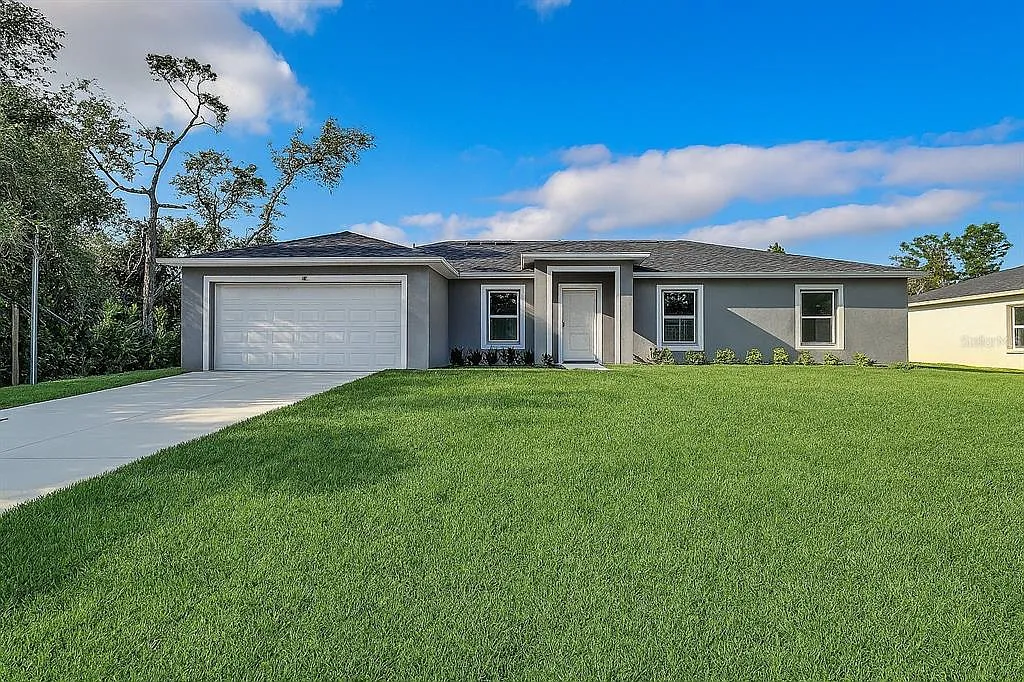
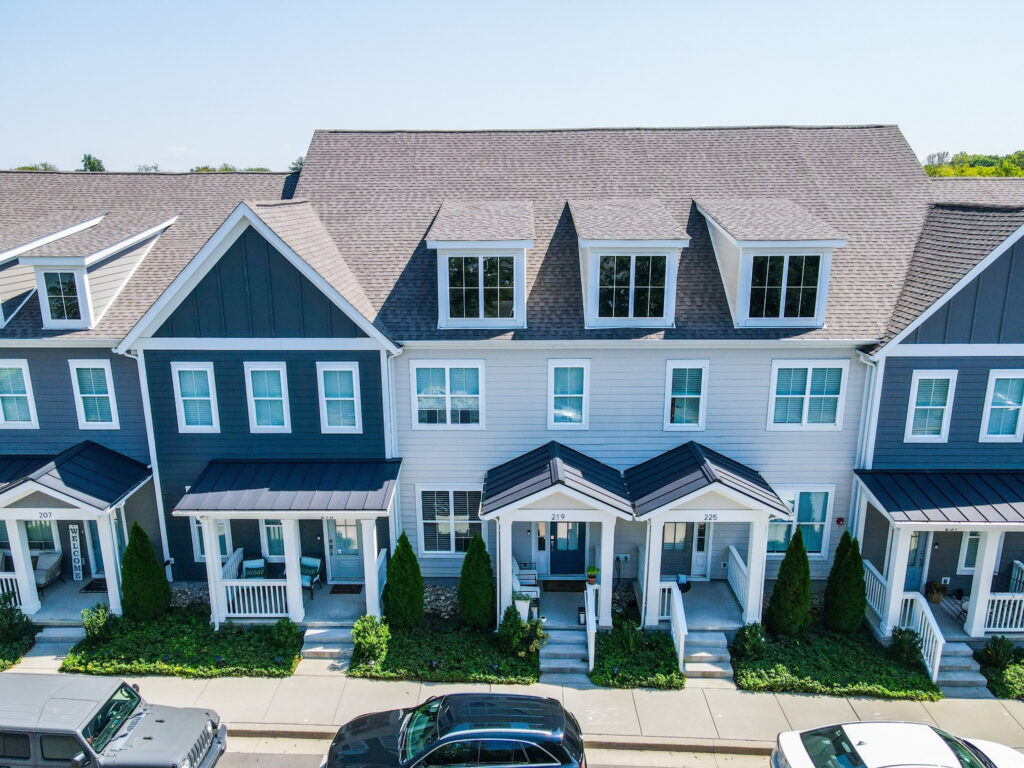
Out‑of‑State investors can compare Tennessee’s newer rental with higher NOI vs Florida’s A+ property with strong yield. Which fits YOUR investment strategy?
We have much more inventory available than what you see on our website – Let us know about your requirement.
📈 Choose Your Winner & Contact Us Today!
Speak to a Norada Investment Counselor (No Obligation):
(800) 611-3060
Mortgage rates remain high in 2026, but rental properties continue to deliver strong cash flow and appreciation. Savvy investors know that turnkey real estate is the path to passive income and long‑term wealth.
Norada Real Estate helps you secure turnkey rental properties designed for immediate cash flow and appreciation—so you can invest smartly regardless of interest rate trends.
Also Read:
- Mortgage Rates Predictions Backed by 7 Leading Experts: 2025–2026
- Mortgage Rate Predictions for the Next 3 Years: 2026, 2027, 2028
- 30-Year Fixed Mortgage Rate Forecast for the Next 5 Years
- 15-Year Fixed Mortgage Rate Predictions for Next 5 Years: 2025-2029
- Will Mortgage Rates Ever Be 3% Again in the Future?
- Mortgage Rates Predictions for Next 2 Years
- Mortgage Rate Predictions for Next 5 Years
- Mortgage Rate Predictions: Why 2% and 3% Rates are Out of Reach
- How Lower Mortgage Rates Can Save You Thousands?
- How to Get a Low Mortgage Interest Rate?
- Will Mortgage Rates Ever Be 4% Again?