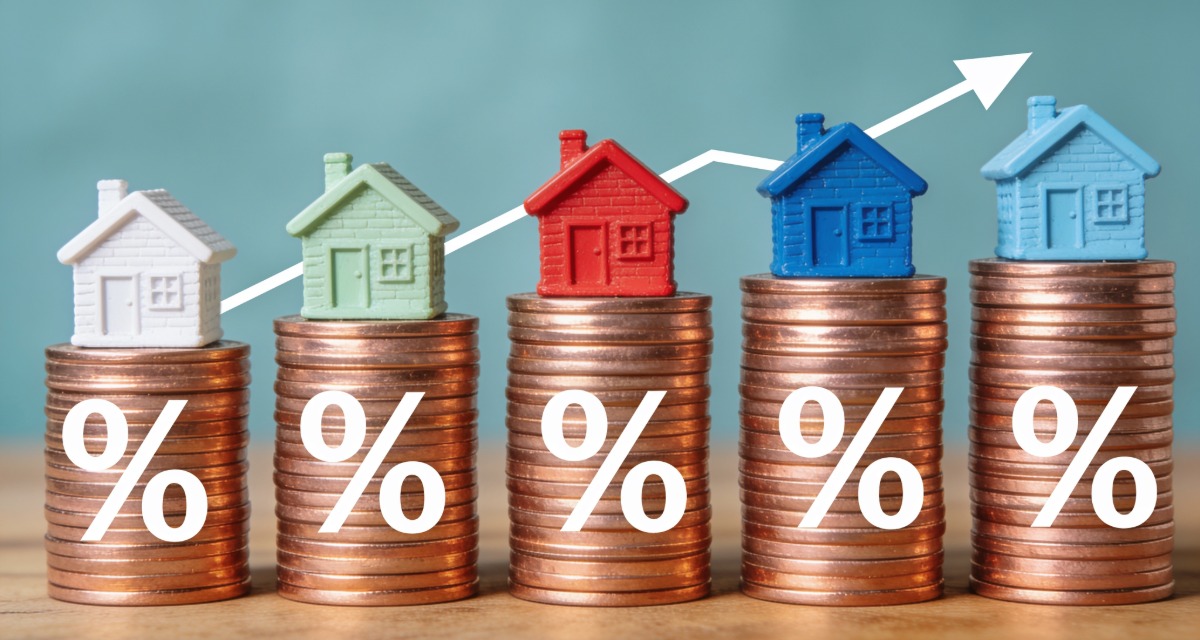
The average interest rate for a 30-year fixed mortgage is now a touch higher than it was last year. According to Freddie Mac's Primary Mortgage Market Survey®, it's up by nine basis points, moving from 6.58% to 6.67%. While this might sound like a tiny change, it can add up over time when you're paying off a big loan for your home.
30-Year Fixed Mortgage Rate Hits 6.67%, Up 9 Basis Points From Last Year
What's Making Mortgage Rates Go Up?
Have you ever noticed how sometimes the price of your favorite candy bar goes up just a little bit? It's kind of like that with mortgage rates. Even though the rate dipped a tiny bit from last week (from 6.69% to 6.67%), it's still a bit more than what you would have paid this time last year.
Why is this happening? Think about it like this: when the country's economy is feeling a little worried, like about prices going up everywhere (that's called inflation), banks get a little more careful with their money. They charge a little more to borrow it, and that's what happens with mortgage rates.
Let's Break Down the Numbers
It's helpful to see how these numbers have changed over time, as Freddie Mac released them today. This table shows you what's been happening with mortgage rates:
| Mortgage Loan Type | Current Average Rate | One Week Ago | One Year Ago |
|---|---|---|---|
| 30-Year Fixed-Rate | 6.67% | 6.69% | 6.58% |
| 15-Year Fixed-Rate | 5.96% | 6.01% | 5.71% |
See how the 30-year fixed rate is higher than last year? That difference of nine basis points might seem small, but it makes a difference when you're paying for a house over many, many years.
Does a Tiny Rate Jump Really Matter?
You might be thinking, “Nine basis points? That's not much!” But imagine you're buying a $400,000 house. When the rate was 6.58%, your monthly payment would be a certain amount. Now, with the rate at 6.67%, your monthly payment will be a little bit higher.
Over 30 years, that “little bit” higher can add up to thousands of dollars more you pay in interest. That's like the difference between buying one extra fancy video game or a whole bunch of new books! So, while it's not a huge shock, it's definitely something to keep an eye on.
Homebuyers Are Still Adapting
Even with these slightly higher rates, people are still buying homes. It’s kind of like when your favorite toy gets a little more expensive, but you still really want it, so you find a way to get it.
Lately, things have gotten a bit better for home seekers. Prices for houses haven't been jumping up as fast, and there are more houses for sale than there were a year or two ago. So, even though the borrowing cost is a bit more, there are other things making home buying a little easier.
What These Rate Changes Mean for Your Wallet
When mortgage rates go up, it means your “buying power” can feel a little squeezed. It’s like trying to stretch your allowance to buy more things – you have to be more careful. But don't worry, there are smart things you can do to make sure you still get the best deal.
- Polish Up Your Credit Score: Lenders look at your credit score to decide your rate. A great credit score means they might offer you a better rate. So, make sure your credit is in tip-top shape!
- Shop Around Like a Pro: Don't just go to the first bank you see. Talk to different banks, credit unions, and even online places. They might have different rates and fees that could save you money. It's like comparing prices at different stores for the same toy.
- Ask About “Buy-Downs”: Sometimes, sellers are willing to help you pay a little less on your mortgage for the first few years. This is called a “rate buy-down.” It can make your monthly payments much easier to handle at the beginning.
The Bottom Line: Stay Smart, Stay Savvy
So, yes, the 30-year fixed mortgage is up by nine basis points compared to last year. It's not a huge jump, but it's enough to make a difference over time. The good news is that you can be smart about it! By keeping your credit in good shape, shopping around for the best deals, and understanding your options, you can still make your homeownership dreams come true.
What's Your Next Move?
Now that you know about the slight increase in mortgage rates, what are you going to do to make sure you get the best possible deal on your future home?
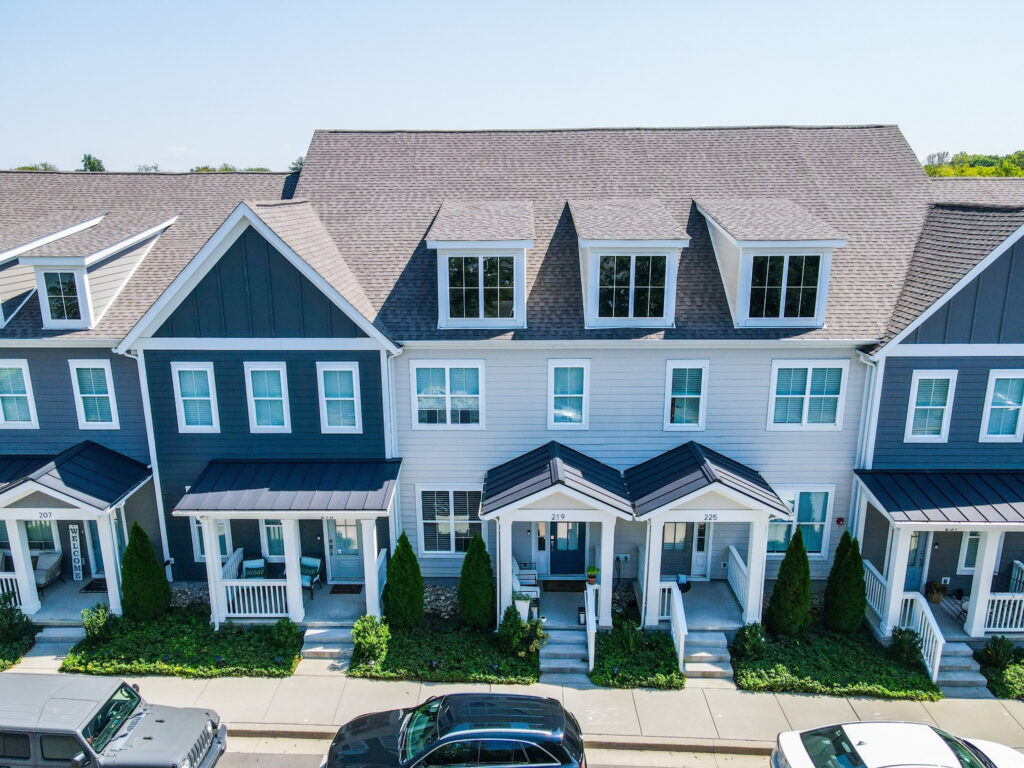
VS
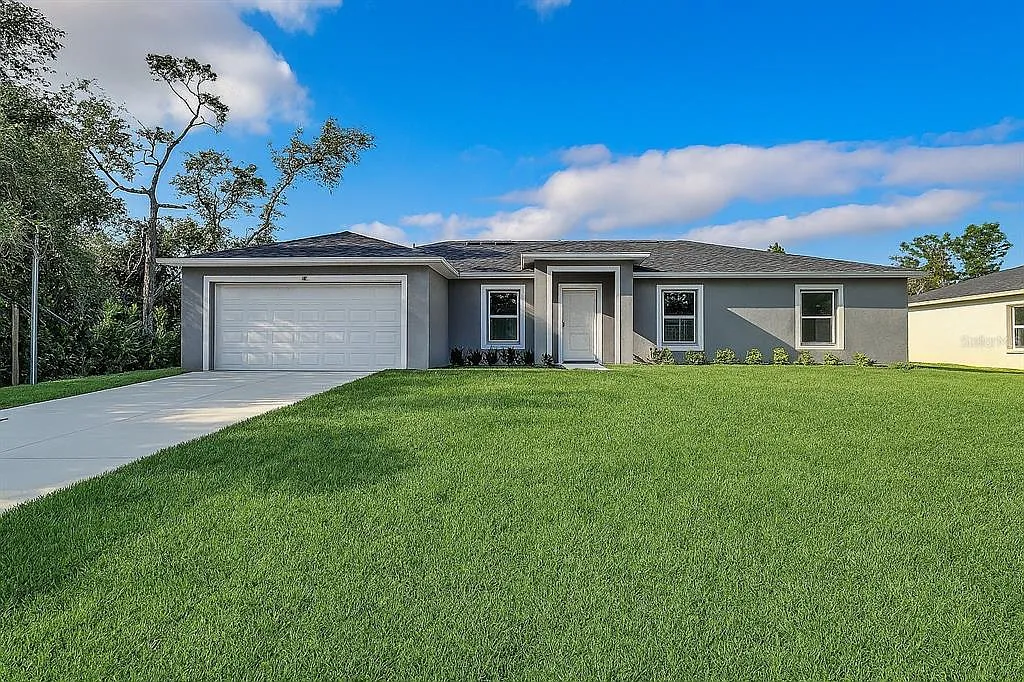
Out‑of‑State investors can compare Tennessee’s newer rental with higher NOI vs Florida’s A+ property with strong yield. Which fits YOUR investment strategy?
We have much more inventory available than what you see on our website – Let us know about your requirement.
📈 Choose Your Winner & Contact Us Today!
Speak to a Norada Investment Counselor (No Obligation):
(800) 611-3060
Mortgage rates remain near 6%, but rental properties continue to deliver strong cash flow and appreciation. Savvy investors know that turnkey real estate is the path to passive income and long‑term wealth.
Norada Real Estate helps you secure turnkey rental properties designed for immediate cash flow and appreciation—so you can invest smartly regardless of interest rate trends.
Also Read:
- Will Mortgage Rates Drop to 5% in 2026: Expert Forecast
- How to Get a 3% Mortgage Rate in 2026 With Assumable Mortgages?
- How to Get a 4% Interest Rate on a Mortgage in 2026?
- What Leading Housing Experts Predict for Mortgage Rates in 2026
- Mortgage Rate Predictions for 2026: What Leading Forecasters Expect
- Mortgage Rate Predictions for the Next 3 Years: 2026, 2027, 2028
- 30-Year Fixed Mortgage Rate Forecast for the Next 5 Years
- 15-Year Fixed Mortgage Rate Predictions for Next 5 Years: 2025-2029
- Will Mortgage Rates Ever Be 3% Again in the Future?
- Mortgage Rates Predictions for Next 2 Years
- Mortgage Rate Predictions for Next 5 Years
- Mortgage Rate Predictions: Why 2% and 3% Rates are Out of Reach
- How Lower Mortgage Rates Can Save You Thousands?
- How to Get a Low Mortgage Interest Rate?
- Will Mortgage Rates Ever Be 4% Again?