Today's mortgage rates, August 11, 2026, come with a big unknown hanging over them: the market sees the Federal Reserve's September 16th rate decision as essentially a coin flip, and that uncertainty is keeping lenders cautious. The 30-year fixed rate ticked up slightly to 6.59% today, while the 15-year fixed actually dropped to 5.97% and the 5/1 ARM jumped more noticeably to 6.52%. Much of today's movement traces back to U.S.-Iran tensions, though hints of easing negotiations offered some relief. Here's what's really driving rates right now and what to watch for next.
Today's Mortgage Rates, August 11: 30-Year Ticks Up to 6.59%, But 15-Year Falls to 5.97%
What the Numbers Tell Us Today
Let's break down what Zillow's data shows us for Tuesday, August 11, 2026. It's always smart to look at the details, not just the headlines.
| Loan Type | Rate |
|---|---|
| 30-year fixed | 6.59% |
| 20-year fixed | 6.32% |
| 15-year fixed | 5.97% |
| 5/1 ARM | 6.52% |
| 7/1 ARM | 6.29% |
| 30-year VA | 6.01% |
| 15-year VA | 5.58% |
| 5/1 VA | 5.80% |
Note: All rates are according to Zillow data for Tuesday, August 11, 2026.
See how the 30-year fixed rate is up a little? That's the one most people think about when they talk about mortgages. But look at the 15-year fixed, it actually went down! And the 5/1 ARM jumped up quite a bit. These small changes can make a difference over the life of your loan.
Why Are Rates Doing This? It's Not Just One Thing!
It’s easy to just look at the number and feel good or bad, but there are bigger forces at play. Think of it like a big puzzle where a lot of pieces need to fit just right.
The World Stage: Geopolitical Jitters and Oil Prices
Right now, what’s happening between the U.S. and Iran is a big deal. When there’s talk of conflict or unrest in the Middle East, especially around important oil shipping routes like the Strait of Hormuz, oil prices tend to go up. Why does that matter for your mortgage?
- Higher Oil Prices = Higher Inflation: When gas prices jump at the pump, it costs everyone more to buy things. This general rise in prices is called inflation.
- Inflation Pushes Bond Yields Up: Lenders use money from selling bonds to give out mortgages. When inflation is high, the value of those bonds can go down, so lenders need to get more money for them to make a profit. This means they have to charge higher interest rates on loans.
The fact that President Trump said the U.S. is “low-keying” negotiations is a sign that things might be cooling down a bit. When there’s hope for peace or a diplomatic solution, oil prices can ease up, and that can help mortgage rates come back down, even just a little. It’s a constant back-and-forth.
The Fed's Next Move: Will They Raise Rates?
The Federal Reserve (often called “the Fed”) is like the captain of the U.S. economy. They have a big tool called the federal funds rate, which is the interest rate banks charge each other for overnight loans. When the Fed changes this rate, it ripples through the entire economy, including mortgage rates.
- Current Fed Rate: The Fed recently kept their target rate between 3.50% and 3.75%. They've been trying to balance keeping the economy growing without letting inflation get too out of control.
- Dissenting Voices: It’s interesting that some Fed leaders actually wanted to raise rates. This tells me the Fed isn’t completely on the same page, and the market is watching very closely.
- The September Meeting: Everyone is talking about the next Fed meeting on September 16th. Will they raise rates, or will they keep them the same? The market sees it as about a 50/50 chance. This uncertainty makes lenders a bit nervous, and they often price that nervousness into their rates by keeping them higher.
As a homeowner and someone who’s been through a few housing cycles, I know that when the Fed signals a possible rate hike, lenders get cautious. They start pricing their loans as if a hike is more likely, just to be safe.
Watching the Inflation Numbers Closely
We just saw a jobs report that wasn't as strong as some expected. That was good news for borrowers because it made people think the Fed might not rush to raise rates. But now, all eyes are on the next big piece of economic news: the Consumer Price Index (CPI), which is a key measure of inflation.
- What We're Hoping For: The market is expecting the CPI to show inflation going up by about 0.2% each month.
- What Could Cause a Stir: If the CPI comes in higher than expected, it means prices are rising faster than people thought. This is like pouring fuel on the inflation fire. When that happens, the 10-year Treasury yield (another important indicator for mortgage rates) usually goes up, and lenders have to follow suit by raising their mortgage rates.
I always tell people to pay attention to these economic reports. They aren't just numbers for economists; they directly impact how much you'll pay for your home loan.
My Take: What This Means for You
From my perspective, the current situation is a bit of a waiting game. Rates are higher than many hoped, but not dramatically so, and there are some encouraging signs like the lower 15-year fixed rate and the VA loan options.
- Don't Panic, But Be Prepared: If you were hoping for rock-bottom rates, it might be a little while longer. However, rates are still reasonable if you compare them to historical averages.
- Shop Around: This is always the most important advice I can give. Lenders' rates can vary, so get quotes from several. Even a quarter-point difference can save you thousands over time.
- Consider Your Timeline: If you need to buy soon, you might have to accept today's rates. If you can wait, keep an eye on those inflation numbers and Fed announcements. Things can change quickly.
- Explore Different Loan Types: If you're a veteran, the VA loan rates are particularly attractive. Also, if you plan to move in a few years, an ARM (Adjustable-Rate Mortgage) might be worth considering, as their initial rates are often lower. Just be sure you understand how the rate can change later.
The mortgage market is complex, influenced by everything from international diplomacy to the latest economic data. By understanding these factors, you can make more informed decisions about your homeownership journey.
VS
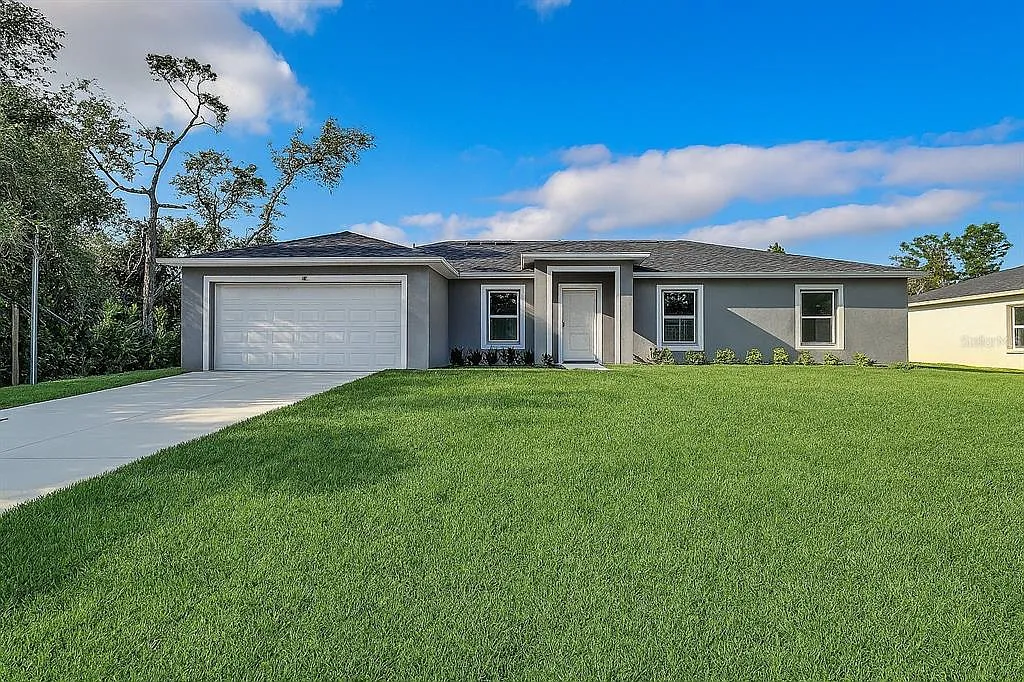
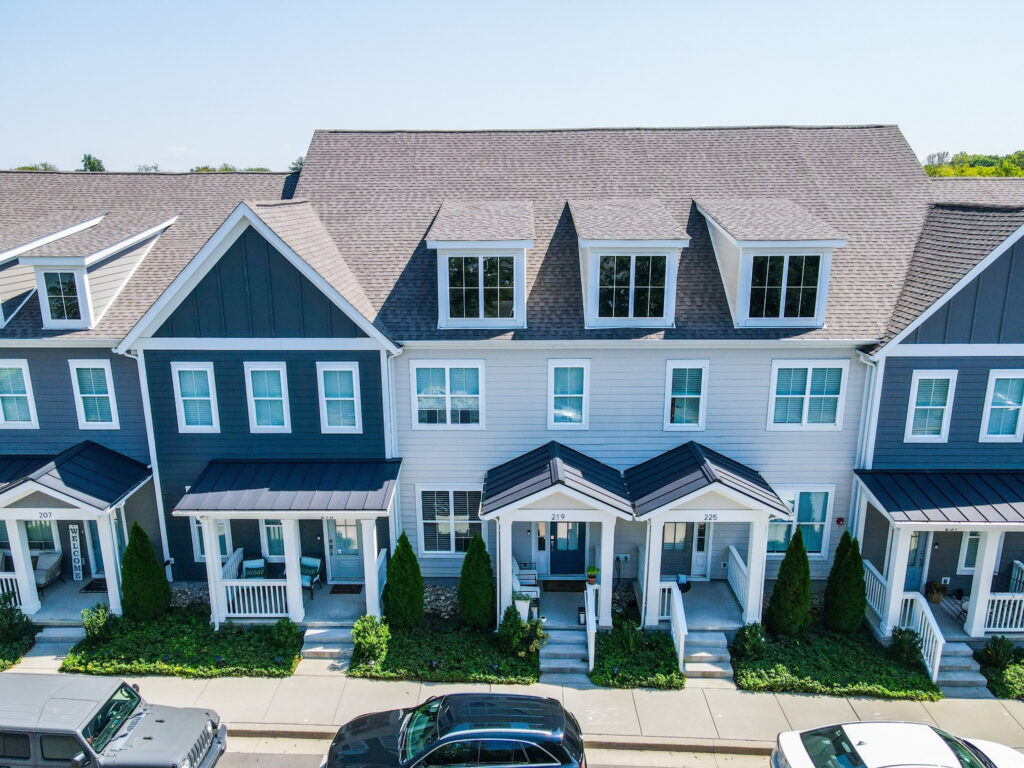
Out‑of‑State investors can compare Tennessee’s newer rental with higher NOI vs Florida’s A+ property with strong yield. Which fits YOUR investment strategy?
We have much more inventory available than what you see on our website – Let us know about your requirement.
📈 Choose Your Winner & Contact Us Today!
Speak to a Norada Investment Counselor (No Obligation):
(800) 611-3060
Mortgage rates remain high in 2026, but rental properties continue to deliver strong cash flow and appreciation. Savvy investors know that turnkey real estate is the path to passive income and long‑term wealth.
Norada Real Estate helps you secure turnkey rental properties designed for immediate cash flow and appreciation—so you can invest smartly regardless of interest rate trends.
Also Read:
- Mortgage Rates Predictions Backed by 7 Leading Experts: 2025–2026
- Mortgage Rate Predictions for the Next 3 Years: 2026, 2027, 2028
- 30-Year Fixed Mortgage Rate Forecast for the Next 5 Years
- 15-Year Fixed Mortgage Rate Predictions for Next 5 Years: 2025-2029
- Will Mortgage Rates Ever Be 3% Again in the Future?
- Mortgage Rates Predictions for Next 2 Years
- Mortgage Rate Predictions for Next 5 Years
- Mortgage Rate Predictions: Why 2% and 3% Rates are Out of Reach
- How Lower Mortgage Rates Can Save You Thousands?
- How to Get a Low Mortgage Interest Rate?
- Will Mortgage Rates Ever Be 4% Again?