Today's mortgage rates, August 10, 2026, come with a clear signal for anyone weighing whether to buy or refinance: purchasing a home currently beats refinancing across every loan type, with the 30-year fixed purchase rate at 6.51% running 13 basis points below the 6.64% refinance rate. The gap is similar for the 5/1 ARM, while the 15-year fixed shows a smaller 2-basis-point difference. Here's the full rate breakdown, what's driving the purchase-refi gap, and what it means for your next move.
Today's Mortgage Rates, August 10: Buying a Home Now Beats Refinancing by 13 Basis Points
Let's break down what the mortgage rates look like today, according to the data Zillow has provided for Monday, August 10, 2026.
Here’s a snapshot of the current rates:
| Loan Type | Purchase Rate | Refinance Rate | Difference (Purchase vs. Refi) |
|---|---|---|---|
| 30-year fixed | 6.51% | 6.64% | -0.13% |
| 15-year fixed | 6.01% | 6.03% | -0.02% |
| 5/1 ARM | 6.37% | 6.50% | -0.13% |
And here are the rates for various mortgage options today:
- 30-year fixed: 6.51%
- 20-year fixed: 6.34%
- 15-year fixed: 6.01%
- 5/1 ARM: 6.37%
- 7/1 ARM: 6.30%
- 30-year VA: 6.03%
- 15-year VA: 5.70%
- 5/1 VA: 5.66%
You'll notice that for the 30-year fixed and the 5/1 ARM, the purchase rates are 13 basis points (or 0.13%) lower than the refinance rates. For the 15-year fixed, the difference is smaller, just 2 basis points. This gap is an important signal for homeowners who might be considering refinancing.
Why Are Rates Where They Are Today?
Seeing rates in the mid-to-upper 6% range is the current reality, and it's not happening by accident. Several big economic forces are pushing mortgage rates up, and they're expected to stay pretty steady for the rest of 2026.
The Federal Reserve's Role:
The Federal Reserve, which is like the central bank of the United States, recently decided to keep its main interest rate, called the federal-funds rate, at 3.5% to 3.75%. They're doing this because inflation, which is the general increase in prices and the fall in the purchasing value of money, is still a bit higher than they'd like. When inflation is sticky, the markets get a little nervous. They start expecting that interest rates might need to go up even more in the future if prices keep climbing too fast. This cautious outlook affects everything, including the cost of borrowing money for mortgages.
Global Events and Energy Prices:
You might have noticed news about international tensions lately, especially concerning areas like the Strait of Hormuz. These kinds of global events can directly impact the price of oil and energy. When energy costs go up, it acts like a domino, pushing inflation higher. And when inflation is on the rise, it generally means higher interest rates on things like the 10-year Treasury yield, which is a big driver for mortgage rates.
Industry Predictions:
Experts at places like Fannie Mae and the Mortgage Bankers Association are forecasting that we’ll likely see 30-year fixed rates sticking around 6.2% to 6.5% through the end of this year. This suggests that we probably won't see rates suddenly drop back down to the 5% range anytime soon. It's more likely we'll stay in this mid-6% band for a while.
What Does This Mean for You? Smart Moves in Today's Market
Knowing these rates and why they're set where they are is super important. It helps you make smart decisions whether you're buying or selling. Here are my thoughts on how to navigate this market:
1. Shop Around, Seriously!
This is probably the most important piece of advice I can give. Rates aren't just one number for everyone. They can change depending on where you live, your credit score, and which bank you choose. I’ve seen studies showing that people who don’t compare offers can end up paying an extra $78,000 over the life of their loan! It's not an exaggeration. Get quotes from at least three different lenders. Look at not just the interest rate but also the APR (Annual Percentage Rate), which includes fees, and all the closing costs.
2. Test Your Budget with Rate Changes
The market can have small ups and downs every day. It’s really important to do the math and see how even a small change in interest rates can affect what you can afford. Let’s say you’re looking at a $350,000 mortgage. If you can lock in a rate of 5.98% instead of 6.63%, you could save over $53,000 in total interest payments over the years. That’s a huge difference! Play around with a mortgage calculator and see what a quarter percent or half percent difference means for your monthly payment and your overall loan cost.
3. Consider the 15-Year Fixed if You Can
If your monthly budget can handle a slightly higher payment, seriously think about the 15-year fixed mortgage. As you saw in the table, the rates are closer to the 6% mark. While your monthly payments will be higher than a 30-year loan, you'll pay off your home much faster and save a massive amount of money on interest over the life of the loan. It’s a trade-off between monthly cash flow and long-term savings, and for many people, the long-term savings are well worth it.
4. Inventory is Getting Better
I know high rates make it tough for people to afford homes. But, the good news is that because demand has cooled a bit, sellers are starting to adjust their prices. We're seeing more homes for sale in many areas compared to the really tight market we had a couple of years ago. This means you might have more choices and more room to negotiate.
Looking Ahead: What's Next for Mortgage Rates?
While today’s rates are what they are, it's natural to wonder about the future. Based on what the big housing authorities are saying, it seems like we'll be in this mid-6% range for a while. The Federal Reserve is keeping a close eye on inflation, and global economic events can always throw a curveball. My best advice is to focus on what you can control: your credit score, your budget, and shopping for the best deal from multiple lenders.
Navigating the mortgage market can feel like a puzzle, but understanding the pieces – today's rates, the reasons behind them, and what you can do to get the best deal – is the key to finding the right solution for your homeownership dreams.
VS
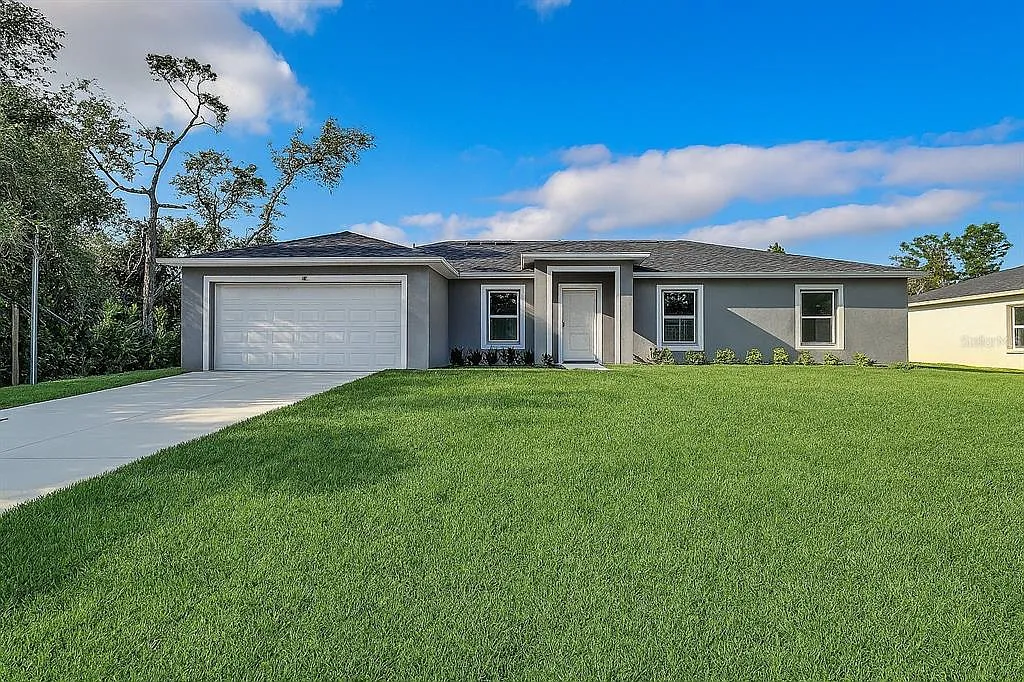
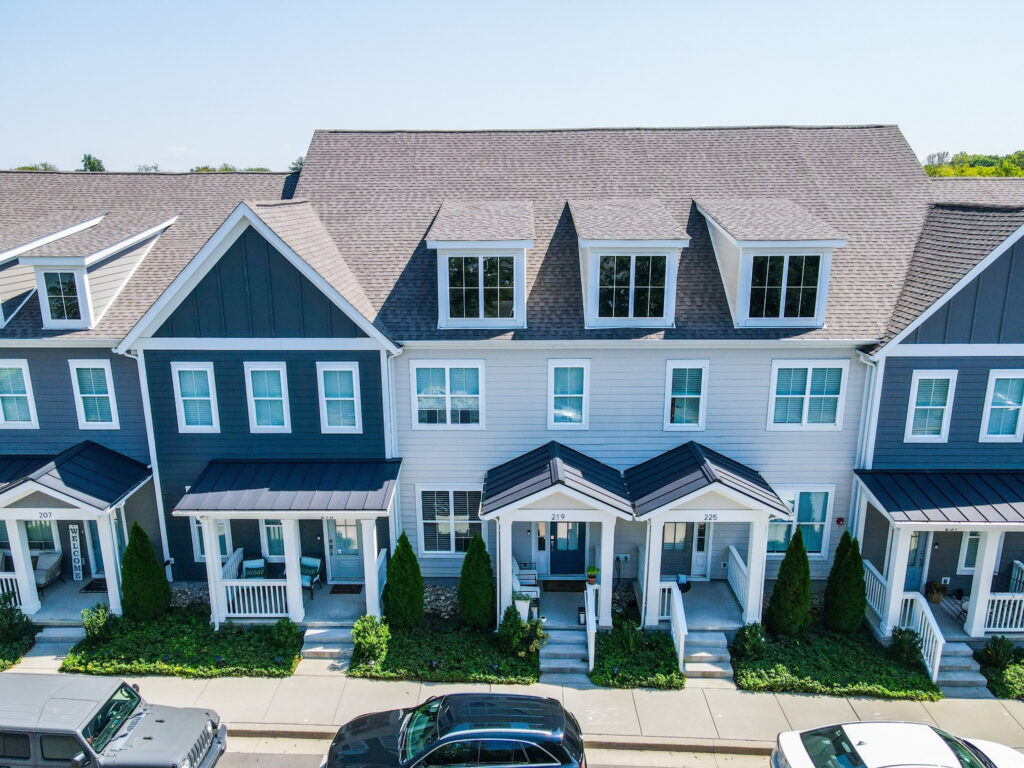
Out‑of‑State investors can compare Tennessee’s newer rental with higher NOI vs Florida’s A+ property with strong yield. Which fits YOUR investment strategy?
We have much more inventory available than what you see on our website – Let us know about your requirement.
📈 Choose Your Winner & Contact Us Today!
Speak to a Norada Investment Counselor (No Obligation):
(800) 611-3060
Mortgage rates remain high in 2026, but rental properties continue to deliver strong cash flow and appreciation. Savvy investors know that turnkey real estate is the path to passive income and long‑term wealth.
Norada Real Estate helps you secure turnkey rental properties designed for immediate cash flow and appreciation—so you can invest smartly regardless of interest rate trends.
Also Read:
- Mortgage Rates Predictions Backed by 7 Leading Experts: 2025–2026
- Mortgage Rate Predictions for the Next 3 Years: 2026, 2027, 2028
- 30-Year Fixed Mortgage Rate Forecast for the Next 5 Years
- 15-Year Fixed Mortgage Rate Predictions for Next 5 Years: 2025-2029
- Will Mortgage Rates Ever Be 3% Again in the Future?
- Mortgage Rates Predictions for Next 2 Years
- Mortgage Rate Predictions for Next 5 Years
- Mortgage Rate Predictions: Why 2% and 3% Rates are Out of Reach
- How Lower Mortgage Rates Can Save You Thousands?
- How to Get a Low Mortgage Interest Rate?
- Will Mortgage Rates Ever Be 4% Again?