As of today, August 12, 2026, the average 30-year fixed refinance rate has moved up to 7.16%, marking a 15 basis point increase from the previous week's average of 7.01%. We've been on a steady climb for a few weeks now, and it's affecting folks looking to refinance their homes. This latest jump means that refinancing loans are now actually a little pricier than the rates you'd typically see for buying a new home.
Mortgage Rates Today, August 12, 2026: 30-Year Refinance Rate Rises by 15 Basis Points
Here's a quick look at what Zillow is reporting for average refinance rates today:
| Loan Type | Average Rate | Change from Previous Week |
|---|---|---|
| 30-Year Fixed Refinance | 7.16% | +15 Basis Points |
| 15-Year Fixed Refinance | 6.19% | +13 Basis Points |
| 5-Year ARM Refinance | 6.50% | No Change Reported |
Source: Zillow
Basis Points Explained: Just a quick reminder, a “basis point” is a small unit of measurement used in finance. One basis point is equal to 0.01%, or 1/100th of a percent. So, a 15 basis point increase means the rate went up by 0.15%.
Why Are Rates Going Up? It's a Mix of Things.
It's easy to just see the numbers and feel a bit frustrated, but there are actual reasons behind these shifts. Think of it like weather – sometimes it's sunny, sometimes there are storms. Right now, we're experiencing a bit of a storm in the financial world.
The Fed's Stance: The big banking folks, called the Federal Reserve, have decided to keep their key interest rate right where it is, between 3.50% and 3.75%. Now, usually, when they do this, things stay pretty stable. But here's the tricky part: inflation, which is how much prices are going up, is still a bit stubborn. It’s hovering around 3.3% to 3.8%. This has some of the people at the Fed thinking they might need to raise rates after all. When they talk about possibly raising rates, it makes banks and investors nervous, and that pushes up the cost of borrowing money, which is what mortgage rates are all about.
What's Happening with Treasury Yields? You might hear about Treasury yields a lot, and they're important because mortgage rates often follow them, not the Fed rate directly. Imagine lenders are like grocery store owners. They need to make a profit, and they get their money from investors who buy government bonds (Treasuries). If investors want more money for their bonds because of inflation, the lenders have to charge more for mortgages to make their own profit. So, when those 10-year Treasury yields go up, mortgage rates usually follow suit.
Trouble Overseas Affects Us Too: Sadly, what happens across the world can also impact our wallets here at home. There's some tension happening with Iran, and that's causing the price of oil to jump around a lot. When oil prices go up, it costs more to transport everything, and that can make prices go up for lots of things we buy. This is called a “supply shock,” and it makes inflation worse. When inflation gets worse, especially over the long term, it puts upward pressure on fixed mortgage rates.
A Tiny Bit of Good News for Rates: Now, not everything is bad news. We saw a report that showed a few less jobs were created than expected, and some jobs were even lost. While this isn't great for people looking for work or for the economy overall, it can actually be good news for mortgage rates. When the job market cools down a bit, it’s like a handbrake on super-fast price increases, which can help stop mortgage rates from going way, way up past this 7% mark.
What This Means for You: Smart Moves to Make
So, with these rates going up, what should you be thinking about if you're considering refinancing?
1. Calculate Your Break-Even Point: Refinancing isn't free. There are closing costs, which can be a few thousand dollars, sometimes even more, depending on the lender and any extra fees. To figure out if refinancing is a good idea for you, you need to see how long it will take to save enough money each month to pay back those closing costs.
- How to calculate: Take your total closing costs and divide them by the amount of money you’ll save each month on your mortgage payment. The number you get is how many months you need to stay in your home to get your money back. If you plan to move before that break-even point, refinancing might not be worth it.
2. Watch Out for Loan Term Extensions: Let's say you've been paying your mortgage for 5 years, and you've got 25 years left on a 30-year loan. If you refinance into a new 30-year loan, you're starting that 30-year clock all over again! Even if your monthly payment goes down, you could end up paying a lot more in total interest over the next 30 years compared to sticking with your old loan. This is a really important thing to consider.
3. The 15-Year Fixed Might Be Your Friend: If your main goal is to save money on interest over the long haul, a 15-year fixed refinance is often a great option. The average rate for these is currently 6.19%, which is significantly lower than the 30-year rate. The catch is that your monthly payments will be higher because you're paying off the loan in half the time. But if you can afford it, you'll save a ton of money on interest.
4. Be Careful with Adjustable-Rate Mortgages (ARMs): If you have a mortgage where the interest rate can change, like a 5/1 ARM (where the rate is fixed for 5 years and then adjusts each year), think carefully before jumping to a 30-year fixed rate right now. If your current ARM has good “caps” (meaning there's a limit to how much your rate can go up), you might be better off waiting. Locking in a high fixed rate today could be more expensive in the long run than seeing how your ARM plays out.
My Take on Today's Rates
From my experience in this market, seeing these rates climb isn't surprising, given the economic signals we've been getting. The Fed's cautious approach to inflation, coupled with global economic uncertainties, creates a challenging environment for borrowing costs.
For anyone considering refinancing, my best advice is to do your homework. Don't just look at the advertised rate. Dive deep into the closing costs, understand the loan terms, and most importantly, figure out what makes sense for your specific financial situation and your long-term plans. What works for one person might not be the best move for another. Taking the time to analyze these details will help you make a confident decision that benefits you the most.
VS
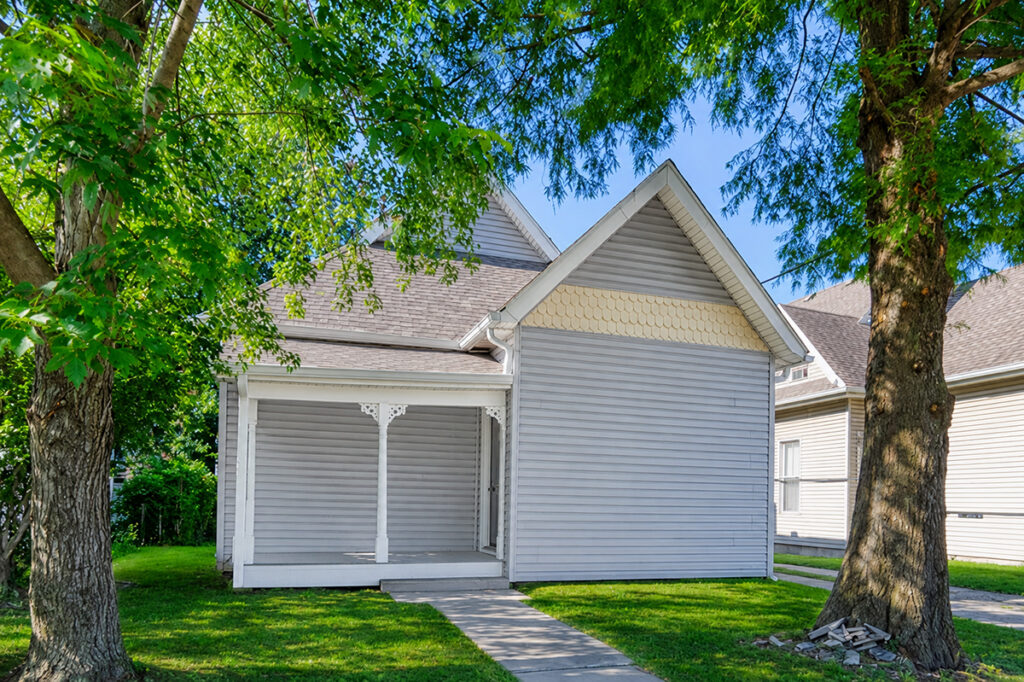
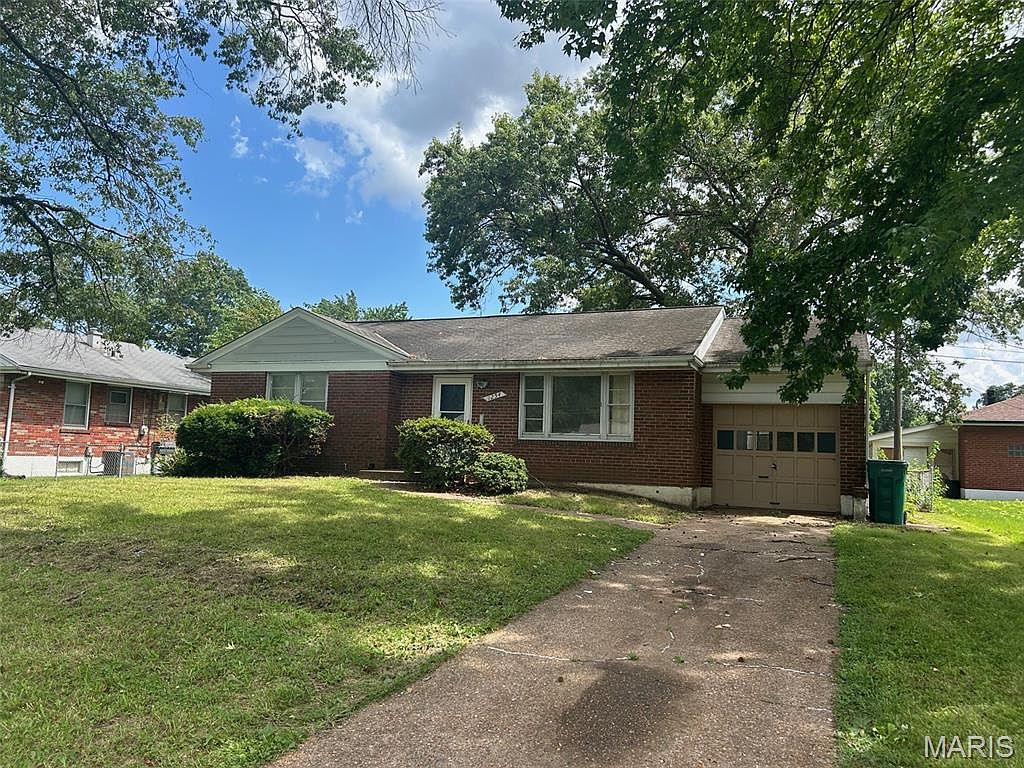
Saint Louis offers a budget‑friendly 4‑bed rental with a high cap rate, while Indianapolis provides a classic 2‑bed property with steady cash flow. Which Midwest market fits YOUR investment strategy?
We have much more inventory available than what you see on our website – Let us know about your requirement.
📈 Choose Your Winner & Contact Us Today!
Speak to a Norada Investment Counselor (No Obligation):
(800) 611-3060
Mortgage rates remain high in 2026, but rental properties continue to deliver strong cash flow and appreciation. Savvy investors know that turnkey real estate is the path to passive income and long‑term wealth.
Norada Real Estate helps you secure turnkey rental properties designed for immediate cash flow and appreciation—so you can invest smartly regardless of interest rate trends.
Also Read:
- Mortgage Rates Predictions Backed by 7 Leading Experts: 2025–2026
- Mortgage Rate Predictions for the Next 3 Years: 2026, 2027, 2028
- 30-Year Fixed Mortgage Rate Forecast for the Next 5 Years
- 15-Year Fixed Mortgage Rate Predictions for Next 5 Years: 2025-2029
- Will Mortgage Rates Ever Be 3% Again in the Future?
- Mortgage Rates Predictions for Next 2 Years
- Mortgage Rate Predictions for Next 5 Years
- Mortgage Rate Predictions: Why 2% and 3% Rates are Out of Reach
- How Lower Mortgage Rates Can Save You Thousands?
- How to Get a Low Mortgage Interest Rate?
- Will Mortgage Rates Ever Be 4% Again?