As of Monday, July 6, 2026, mortgage rates are holding steady with purchase loans slightly higher than refinance options. The current 30-year fixed-rate for purchases sits at 6.40%, and the 15-year fixed-rate for purchases is at 5.86%. This means if you're looking to buy a home, you'll likely see these slightly higher numbers, while those looking to refinance might find a touch more room.
The predictions are all pointing towards rates sticking around where they are for a good while longer. Don't expect to see those pandemic-era lows anytime soon. Instead, it looks like rates will likely stay in that 6.0% to 6.5% range through the rest of 2026. This is a pretty important piece of information for anyone planning to buy or refinance, so let's break down what this means for you.
Today's Mortgage Rates, July 6: Experts Predict Rates to Stay in 6%–6.5% Range
What Are Today's Mortgage Rates, July 6?
Here's a quick look at the rates according to Zillow's latest data for today, July 6, 2026:
| Loan Type | Interest Rate |
|---|---|
| 30-year fixed | 6.40% |
| 20-year fixed | 6.29% |
| 15-year fixed | 5.86% |
| 5/1 ARM | 6.52% |
| 7/1 ARM | 6.30% |
| 30-year VA | 5.81% |
| 15-year VA | 5.51% |
| 5/1 VA | 5.74% |
As you can see, the 5/1 ARM purchase loan is a bit higher today at 6.52%, which might surprise some people. ARMs (Adjustable-Rate Mortgages) are usually designed to start lower, but the current market conditions are making even those less appealing for an initial rate.
What's the Big Picture for Mortgage Rates?
It’s not just me saying this; the experts are all pretty much in agreement. Major housing and financial groups are now expecting rates to stay put.
- Fannie Mae thinks the 30-year rate will stay flat at 6.4% until the end of 2026.
- The Mortgage Bankers Association (MBA) is looking at rates averaging around 6.5% for the next few months.
- Wells Fargo has a slightly more optimistic prediction, seeing an average of 6.26% for the whole year, maybe even dipping to 6.20% in 2027.
- And Morgan Stanley is throwing out the idea that rates could drop to 5.75% later in the year, though that seems like a long shot to me right now.
This consistency across different experts gives us a pretty good idea of what to expect. It’s like looking at a weather forecast that’s predicting the same temperature for a week – you can start planning around it.
Why Are Rates So High (and Staying There)?
It’s easy to just look at the numbers and be done with it, but understanding why these rates are where they are can really help you make smarter decisions. Mortgage rates don't just magically follow the Federal Reserve. They're influenced by a bunch of things happening in the big, complicated world of finance.
Things Pushing Rates Up:
- The Fed is Holding Steady: Remember when the Federal Reserve was cutting rates to help the economy? Well, they've stopped doing that for now. They're keeping the federal funds rate steady because prices are still creeping up a bit too much. This makes borrowing money more expensive overall.
- Prices Still Going Up (Inflation): Even though it feels like things are slowing down, the cost of many things is still rising. The Personal Consumption Expenditures (PCE) index is up 4.1% compared to last year. When prices go up, it makes lenders want more money back for the loans they give out, so rates go up.
- World Events: Sometimes, big things happening in other parts of the world, especially with oil and gas, can make prices jump here at home. These “energy shocks” can make inflation worse and push mortgage rates higher.
- Bond Market is Up: When the government borrows money, they sell bonds. The interest rate on these bonds, especially the 10-year Treasury yield which is hovering around 4.48%, sets a kind of starting point for mortgage rates. When that yield is high, mortgage rates tend to be high too.
Things Holding Rates Back from Going Even Higher:
- Jobs Market is Cooling: The good news is that the job market isn't growing so fast that it's overheating the economy. This helps to keep bond yields from going through the roof.
- Prices Are Slowing Down: While inflation is still a concern, the price of homes isn't skyrocketing like it used to. Also, other economic signs aren't showing super-fast growth. These factors help to keep mortgage rates from climbing even higher when they'd otherwise want to.
My Take: Don't Wait to Buy the “Perfect” Rate
Honestly, trying to perfectly time the market for mortgage rates feels like trying to catch lightning in a bottle. I've seen people miss out on great homes because they were waiting for a magical drop in interest rates that never came. My advice? If you find a home you love and can afford, and it fits your life right now, go for it. You can always refinance later if rates do drop. It's better to be in a home you love than waiting forever for a slightly lower rate.
Expert Tips for Buyers and Homeowners
The experts have some really solid advice for both people looking to buy and those who already own a home.
For Homebuyers:
- Fall in Love with the House, Not Just the Rate: Like I said, focus on finding the right home for your needs and budget. You can always refinance later.
- Ask for Help (Seller Concessions): Since homes have been on the market a little longer, sellers might be more willing to help with closing costs or even offer temporary rate reductions. Don't be afraid to ask!
- Boost Your Credit Score: Before you apply, do everything you can to improve your credit score and pay down debt. Even a small improvement can get you a better rate, and when rates are high, every little bit counts.
For Homeowners:
- Set a Refinance Goal: Don't stress about tiny daily changes in rates. Wait until rates are at least 0.75% to 1% lower than your current rate. This usually makes it worth paying the closing costs to refinance.
- Use Your Home Equity Wisely: If you're lucky enough to have a super low rate from a few years ago (like 3% or 4%), don't give that up for a cash-out refinance unless you absolutely have to. Instead, consider a Home Equity Line of Credit (HELOC) or a second mortgage for big projects like renovations.
Looking Ahead
So, what does all this mean for you? It means being smart and informed. Today's mortgage rates, July 6, are a snapshot of a market that's settling into a new normal. It’s not the low-interest-rate party of the past, but it's also not the sky-high rates of some economic periods. By understanding the forces at play and following the guidance of experts, you can navigate this market with confidence and make the best financial decisions for your future.
VS
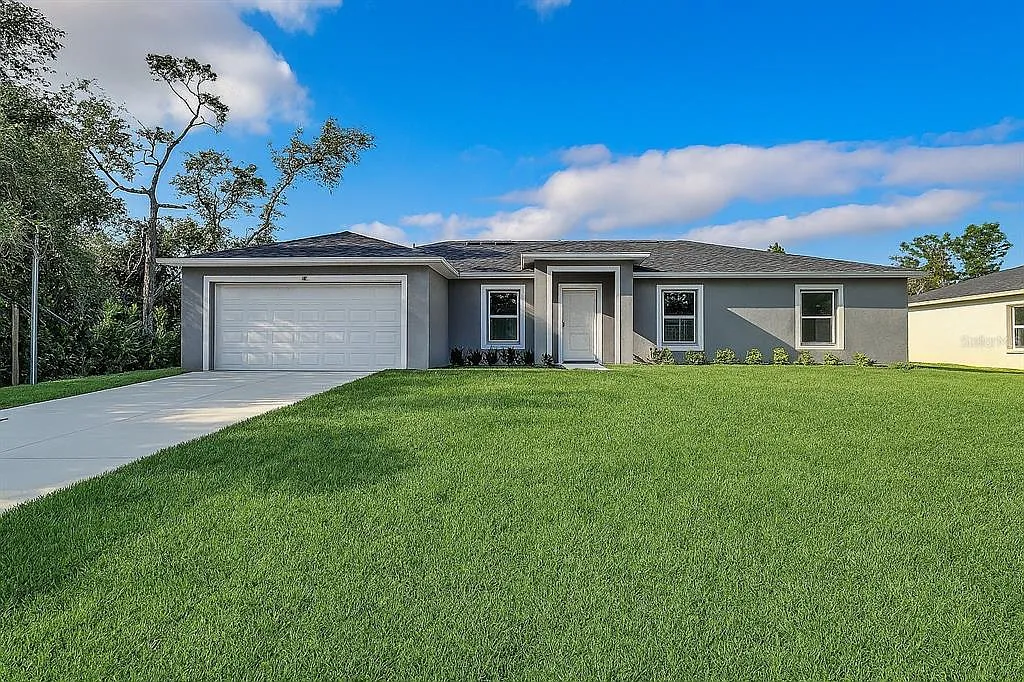
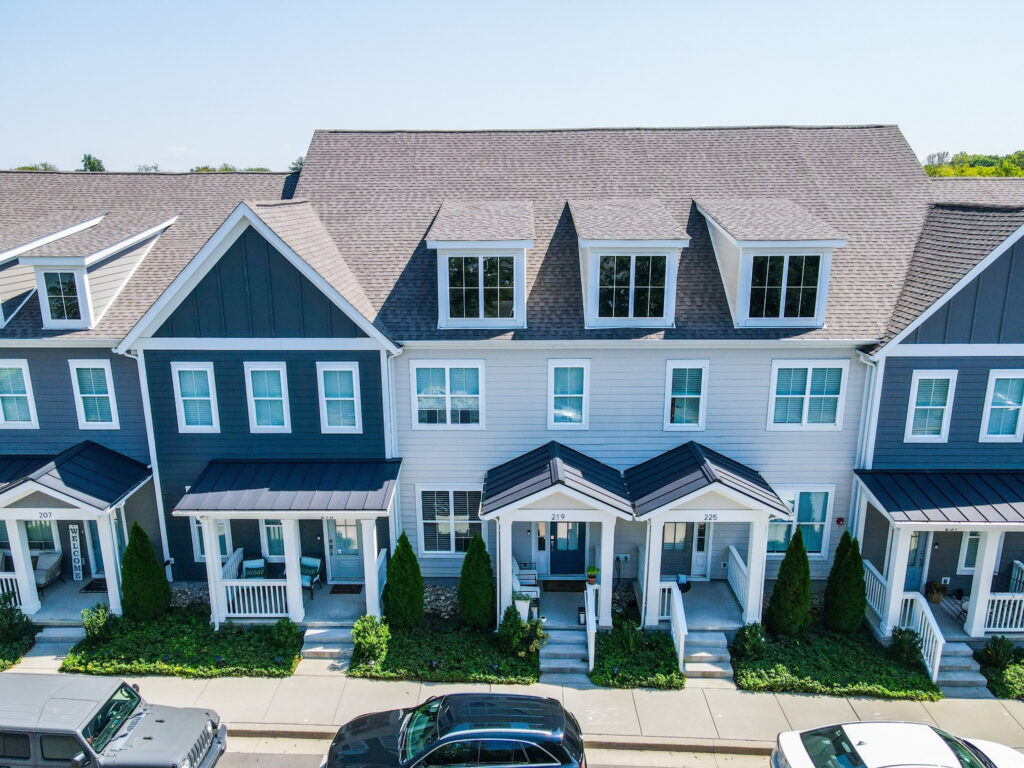
Out‑of‑State investors can compare Tennessee’s newer rental with higher NOI vs Florida’s A+ property with strong yield. Which fits YOUR investment strategy?
We have much more inventory available than what you see on our website – Let us know about your requirement.
📈 Choose Your Winner & Contact Us Today!
Speak to a Norada Investment Counselor (No Obligation):
(800) 611-3060
Mortgage rates remain high in 2026, but rental properties continue to deliver strong cash flow and appreciation. Savvy investors know that turnkey real estate is the path to passive income and long‑term wealth.
Norada Real Estate helps you secure turnkey rental properties designed for immediate cash flow and appreciation—so you can invest smartly regardless of interest rate trends.
Also Read:
- Mortgage Rates Predictions Backed by 7 Leading Experts: 2025–2026
- Mortgage Rate Predictions for the Next 3 Years: 2026, 2027, 2028
- 30-Year Fixed Mortgage Rate Forecast for the Next 5 Years
- 15-Year Fixed Mortgage Rate Predictions for Next 5 Years: 2025-2029
- Will Mortgage Rates Ever Be 3% Again in the Future?
- Mortgage Rates Predictions for Next 2 Years
- Mortgage Rate Predictions for Next 5 Years
- Mortgage Rate Predictions: Why 2% and 3% Rates are Out of Reach
- How Lower Mortgage Rates Can Save You Thousands?
- How to Get a Low Mortgage Interest Rate?
- Will Mortgage Rates Ever Be 4% Again?