Good news for homeowners looking to save some money! Today, July 8, 2026, the average rate for a 30-year fixed mortgage refinance has dipped by a tiny bit, making it a little cheaper to swap your current loan for a new one. The national average rate for a 30-year fixed refinance is holding steady at 6.73%, according to Zillow. This is a small, but welcome, drop of 2 basis points from last week.
It might not sound like much, but these small changes can add up over time when you're talking about a mortgage. It's like finding a few extra pennies on the sidewalk – they might not make you rich, but they're still nice to have! Let's dive into what this means and what's going on with mortgage rates right now.
Mortgage Rates Today, July 8, 2026: 30‑Year Refinance Rate Drops by 2 Basis Points
What's Happening with Refinance Rates Today?
As I mentioned, the big news today is that the average 30-year fixed refinance rate is sitting at 6.73%. This is the same rate we saw recently, but it's a slight improvement from last week, when it was at 6.75%. Think of it like a thermostat – it's been a bit stuck in the mid-to-high 6% range, and today it nudged down just a hair.
It's not just the 30-year loan that's seeing a little movement. The average 15-year fixed refinance rate has also gone down, from 5.82% to 5.80%. That's another 2 basis point drop. If you're thinking about a shorter loan term, this could be interesting for you.
What about those adjustable-rate mortgages, or ARMs? The current national average 5-year ARM refinance rate is holding steady at 6.75%. So, for now, if you're looking at an ARM, the rates haven't budged.
Why Are Rates Doing This Little Dance?
You might be wondering why rates are moving around. It's like a puzzle with a few different pieces!
- The Fed's Big Say: The Federal Reserve, led by their new Chair Kevin Warsh, is a major player. They recently decided to keep their main interest rate, called the federal funds rate, between 3.50% and 3.75%. What's more important is what they didn't say. They’ve taken out any hints about cutting rates anytime soon. In fact, they're even signaling that they might raise rates later this year if prices keep going up too fast. This is a big deal because when the Fed's main rate goes up, other borrowing costs, like mortgages, tend to follow.
- Prices Going Up (Inflation): Right now, prices for a lot of things are increasing faster than the Fed likes. The Consumer Price Index (CPI), which measures how much prices are changing, shows that things have gone up by 4.2% in a year. That's more than double the Fed's goal of 2%. A big reason for this is that energy prices, like gas for your car, have shot up by a whopping 23.5%. When energy costs more, it makes everything else more expensive too.
- The 10-Year Treasury Yield: A big clue to where mortgage rates are headed can be found in the 10-year Treasury yield. This is like a benchmark for long-term borrowing costs in the country. Right now, it's sitting close to 4.48%. Mortgage and refinance rates usually follow this number pretty closely.
- Jobs, Jobs, Jobs: The job market is still looking pretty strong. Even though fewer jobs were added in June than some people expected (57,000 instead of 115,000), the overall number of people without jobs is still low. This gives the Fed more power to keep borrowing costs higher for longer, because they see people still able to find work.
- A Little Help from Peace: Believe it or not, sometimes big world events can affect your mortgage rate. There was a recent tentative peace deal that helped end a conflict between the U.S. and Iran. This has helped make oil prices more stable, which in turn has given us a bit of a breather from rates shooting up even higher.
What Does This Mean for You?
So, with rates hovering in this range, what should you be thinking about if you're considering a refinance?
Key Things to Think About:
- Is It Worth It? Calculating Your Break-Even Point: When you refinance, you usually have to pay some fees, called closing costs. These can be anywhere from 2% to 6% of the amount you're borrowing. Before you jump in, do the math! Make sure the money you save each month on your mortgage payments will be enough to cover those closing costs over a reasonable amount of time. You don't want to pay more in fees than you save.
- Shop Around, Shop Around, Shop Around! This is super important. Every bank and lender has different rates. I've seen it myself – people who get quotes from at least three different lenders can save an average of $78,000 over the life of their loan compared to those who just go with the first one they talk to. Don't be afraid to ask for quotes from different places!
- Look at Different Types of Loans: Some loans have lower rates than others. For example, government-backed loans like FHA and VA loans often have lower entry points. While a typical 30-year conventional refinance might be around 6.54% to 6.76%, an FHA refinance could be closer to 6.00%, and a VA refinance might average around 5.88%. These can be great options if you qualify.
- Using Your Home's Value (Equity): Lots of people are thinking about taking out money from their homes by refinancing. This is called a cash-out refinance. While it can be a good idea, remember that when rates are high, you're essentially resetting your entire mortgage to today's higher interest rates. So, make sure you're borrowing that money for something important and that you can afford the new, higher payments.
Looking Ahead
Experts like Fannie Mae and the Mortgage Bankers Association believe that mortgage rates will likely stay in the 6.0% to 6.5% range for the rest of the year. This means that while today's small drop is nice, we might not see huge changes very soon. The Fed is still keeping a close eye on inflation, and that's going to be a big factor in what happens with interest rates.
So, even though the rate dropped by just a tiny bit today, it’s always a good idea to keep an eye on what’s happening with mortgage rates. If you’re thinking about refinancing, now is a great time to start comparing offers and see if you can save some money.
Here's a quick look at the rates we're seeing:
| Loan Type | Average Refinance Rate (July 8, 2026) | Change from Previous Week |
|---|---|---|
| 30-Year Fixed | 6.73% | -2 basis points |
| 15-Year Fixed | 5.80% | -2 basis points |
| 5-Year ARM | 6.75% | Stable |
Important Numbers to Remember
- Current 30-Year Fixed Refinance Rate: 6.73% (as of July 8, 2026, via Zillow)
- Inflation Rate (CPI): 4.2% annual growth
- 10-Year Treasury Yield: ~4.48%
- Closing Costs for Refinance: 2% – 6% of the loan amount
VS
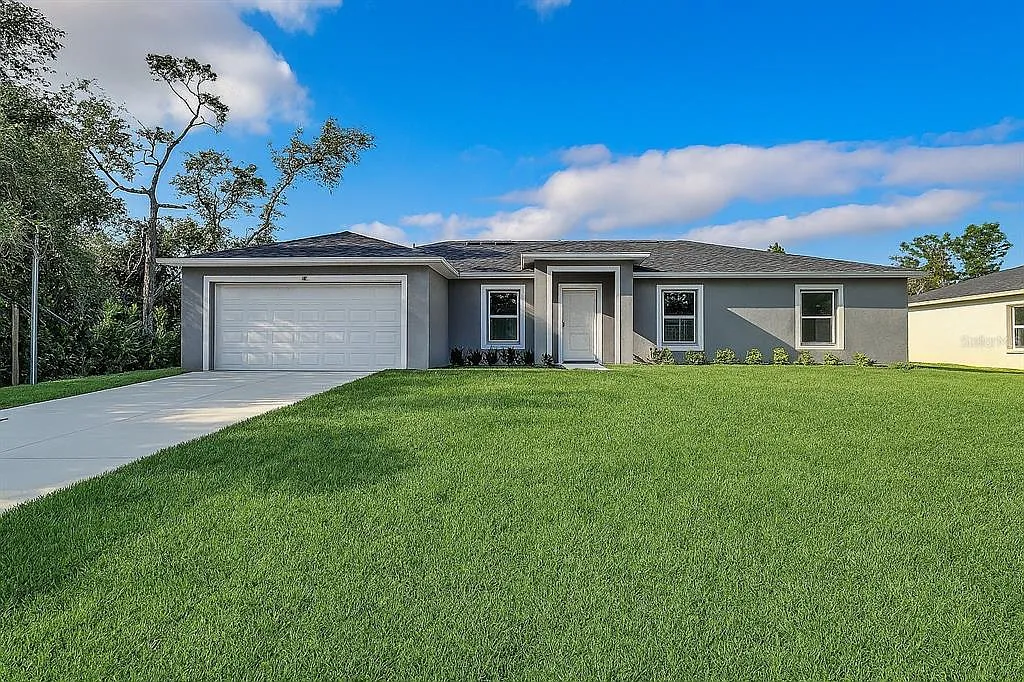
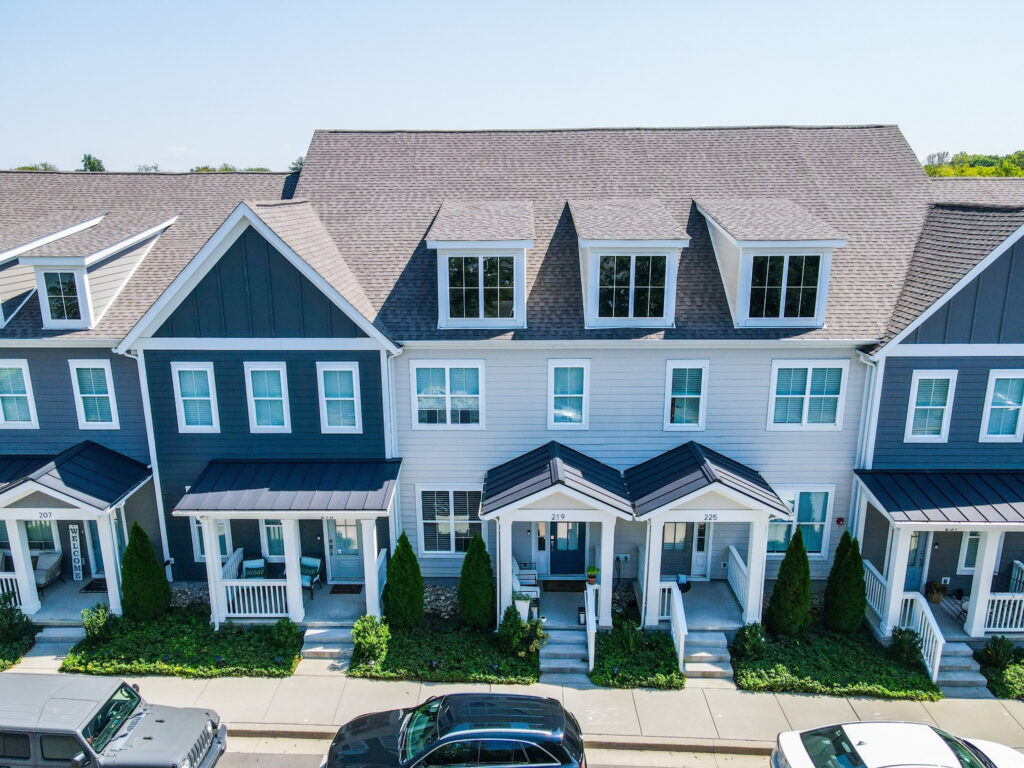
Out‑of‑State investors can compare Tennessee’s newer rental with higher NOI vs Florida’s A+ property with strong yield. Which fits YOUR investment strategy?
We have much more inventory available than what you see on our website – Let us know about your requirement.
📈 Choose Your Winner & Contact Us Today!
Speak to a Norada Investment Counselor (No Obligation):
(800) 611-3060
Mortgage rates remain high in 2026, but rental properties continue to deliver strong cash flow and appreciation. Savvy investors know that turnkey real estate is the path to passive income and long‑term wealth.
Norada Real Estate helps you secure turnkey rental properties designed for immediate cash flow and appreciation—so you can invest smartly regardless of interest rate trends.
Also Read:
- Mortgage Rates Predictions Backed by 7 Leading Experts: 2025–2026
- Mortgage Rate Predictions for the Next 3 Years: 2026, 2027, 2028
- 30-Year Fixed Mortgage Rate Forecast for the Next 5 Years
- 15-Year Fixed Mortgage Rate Predictions for Next 5 Years: 2025-2029
- Will Mortgage Rates Ever Be 3% Again in the Future?
- Mortgage Rates Predictions for Next 2 Years
- Mortgage Rate Predictions for Next 5 Years
- Mortgage Rate Predictions: Why 2% and 3% Rates are Out of Reach
- How Lower Mortgage Rates Can Save You Thousands?
- How to Get a Low Mortgage Interest Rate?
- Will Mortgage Rates Ever Be 4% Again?



