If you've been thinking about refinancing your home, today might be a good day to take a closer look. As of August 1, 2026, the average 30-year fixed refinance rate has dipped by 7 basis points to 6.97%, according to Zillow. This small but welcome decrease offers a glimmer of hope for homeowners looking to potentially lower their monthly payments. While this isn't a dramatic drop, it’s a step in the right direction, especially considering rates have been hovering near their highest points in a while.
Mortgage Rates Today, August 1, 2026: 30-Year Refinance Rate Drops by 7 Basis Points
It feels like just yesterday we were seeing much lower rates, and for many, those days are a distant memory. Homeowners who bought or refinanced between 2022 and 2025, when rates were often above 7% and even touched 8%, stand to benefit the most from this slight easing. If your current mortgage rate is sitting north of 7.25%, even a small drop like this could translate into noticeable savings each month. It's always wise to keep an eye on these numbers, as even a quarter-point difference can add up significantly over the life of a loan.
Diving Deeper into Today's Refinance Rates
Let's break down what these numbers mean for different types of mortgages, based on the data from Zillow.
- 30-Year Fixed Refinance Rate: Currently at 6.97%. This is the rate that has seen a modest decline of 7 basis points from last week's 7.04%. It's the most popular choice for many homeowners because it offers a predictable monthly payment and a longer repayment period, making those payments more manageable. While it's still higher than the lows we've seen, this dip is a positive sign.
- 15-Year Fixed Refinance Rate: Holding steady at 6.04%. This rate is about a full percentage point lower than the 30-year rate. The appeal here is clear: you'll pay off your mortgage much faster and save a significant amount on interest over the life of the loan. The trade-off, however, is a higher monthly payment.
- 5-Year Adjustable-Rate Mortgage (ARM) Refinance Rate: Currently at 6.00%. This rate is the lowest among the three, matching the 15-year fixed rate. ARMs can be attractive because they often start with a lower interest rate than fixed-rate mortgages. However, it's crucial to remember that this initial rate is only for the first five years. After that, the rate will adjust periodically based on market conditions, meaning your payments could go up, sometimes quite a bit.
What Do These Rates Mean for Your Monthly Payment?
Numbers on a screen are one thing, but seeing how they affect your wallet is another. Let's consider a hypothetical loan balance of $400,000 to illustrate the real-world impact.
| Mortgage Type | Interest Rate | Monthly Principal & Interest Payment |
|---|---|---|
| 30-Year Fixed Refinance | 6.97% | $2,653 |
| 15-Year Fixed Refinance | 6.04% | $3,384 |
| 5-Year ARM Refinance | 6.00% | $2,398 (initial payment) |
Note: The 5-Year ARM payment of $2,398 is an initial estimate and assumes a rate that would result in this payment at a 6.00% interest rate for the first five years. Actual payments can vary.
As you can see, the 15-year fixed loan comes with a monthly payment that's $731 higher than the 30-year fixed option ($3,384 vs. $2,653). That's a substantial difference in your monthly budget. However, the long-term savings are huge. By choosing the 15-year term, you'd be saving hundreds of thousands of dollars in interest over the life of the loan compared to the 30-year option.
The 5-year ARM, starting at a lower rate, offers the lowest initial monthly payment. But remember, that payment is only guaranteed for five years. After that, if rates have gone up, your payments could climb significantly, potentially making it more expensive than a fixed-rate loan in the long run. This is where careful consideration of your financial future and risk tolerance comes into play.
Things to Watch Out For Before You Refinance
Refinancing isn't just about getting a lower interest rate; it involves costs and careful planning. I always tell people to think of it as taking out a new loan, which means there will be fees.
- Closing Costs: These are the hidden expenses that can add up. Expect to pay anywhere from 2% to 5% of your loan amount in fees. This can include things like appraisal fees, title insurance, origination fees, and more. It’s vital to get a clear breakdown of all these costs from your lender.
- Finding Your Break-Even Point: This is a crucial step. To figure out when you'll start actually saving money, divide your total closing costs by the amount you expect to save each month. For example, if your closing costs are $8,000 and you save $200 per month, your break-even point is 40 months (or about 3 years and 4 months). You need to be confident you'll stay in your home at least that long to recoup your costs.
- Compare Your Current Rate: It simply doesn't make sense to refinance if your current mortgage rate is already lower than the new rate you're being offered. If your existing rate is below 6.5%, refinancing to today's 6.97% would actually increase your costs. Always do the math!
- The All-In APR: Lenders often advertise attractive base rates, but they might tack on points or fees that increase the overall cost of the loan. Always compare the Annual Percentage Rate (APR) across different lenders. The APR gives you a more accurate picture of the true, all-in cost of borrowing because it includes most fees.
Understanding the Bigger Picture: Rate Trends and Economic Drivers
Looking at the current rates is important, but understanding the forces behind them gives you a much clearer picture. We've seen refinance rates climb from their low point earlier this year, hovering around 6.09% back in February. Today's rates are getting close to the highest we've seen in the past year, pushing back towards that 7% mark.
Several factors are influencing these rates:
- The Federal Reserve's Stance: The Federal Reserve recently held its key interest rate steady at 3.6%. However, the meeting showed a divided board, with some members pushing for an immediate rate hike. This signals that the fight against inflation is far from over, and it keeps upward pressure on borrowing costs.
- Geopolitical Tensions and Inflation: We're seeing renewed conflicts in the Middle East, which have driven up crude oil prices. This, in turn, sparks worries about renewed inflation across the economy. When inflation fears rise, bond yields often increase, and this directly impacts mortgage rates.
- Bond Market Movements: Mortgage rates tend to follow the yields on U.S. Treasury notes, particularly the 10-year note. Recently, these yields have surged past 4.6%. This increase is a direct response to the Fed's firm stance on inflation and the global economic uncertainties.
Factors That Matter Most to Refinancers
When I talk to people about refinancing, I always emphasize these key points:
- Your “Vintage” Rate: If you took out your mortgage between 2022 and 2025, you likely have a higher rate. This group, in particular, has the most to gain from refinancing when rates dip, even by a small amount. If your current rate is above 7.25%, you could be looking at immediate monthly savings of $200 or more.
- The Break-Even Timeline: As mentioned before, you must calculate your break-even point. Refinancing is only beneficial if you plan to stay in your home long enough to recoup the closing costs through monthly savings.
- APR is King: Don't be fooled by a low advertised rate. Always look at the APR to understand the full cost.
- Rate Lock Windows: With the possibility of the Fed raising rates again in September, the window to lock in a favorable rate can be quite small. Keeping a close eye on the bond market and being ready to act when rates dip even temporarily is crucial. If you see rates move back towards the low 6% range, and your current rate is significantly higher, it might be time to lock it in.
Refinancing is a big financial decision, and while today's slight dip in the 30-year fixed rate is encouraging, it's essential to do your homework. Weigh the potential savings against the costs, consider your long-term plans, and understand the economic factors at play.
VS
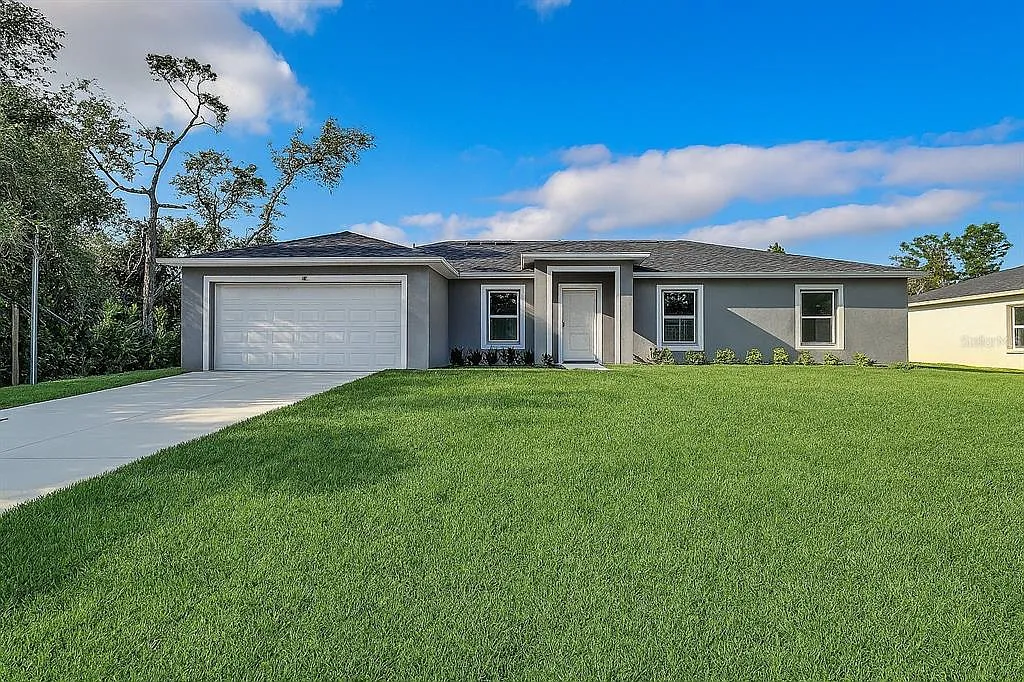
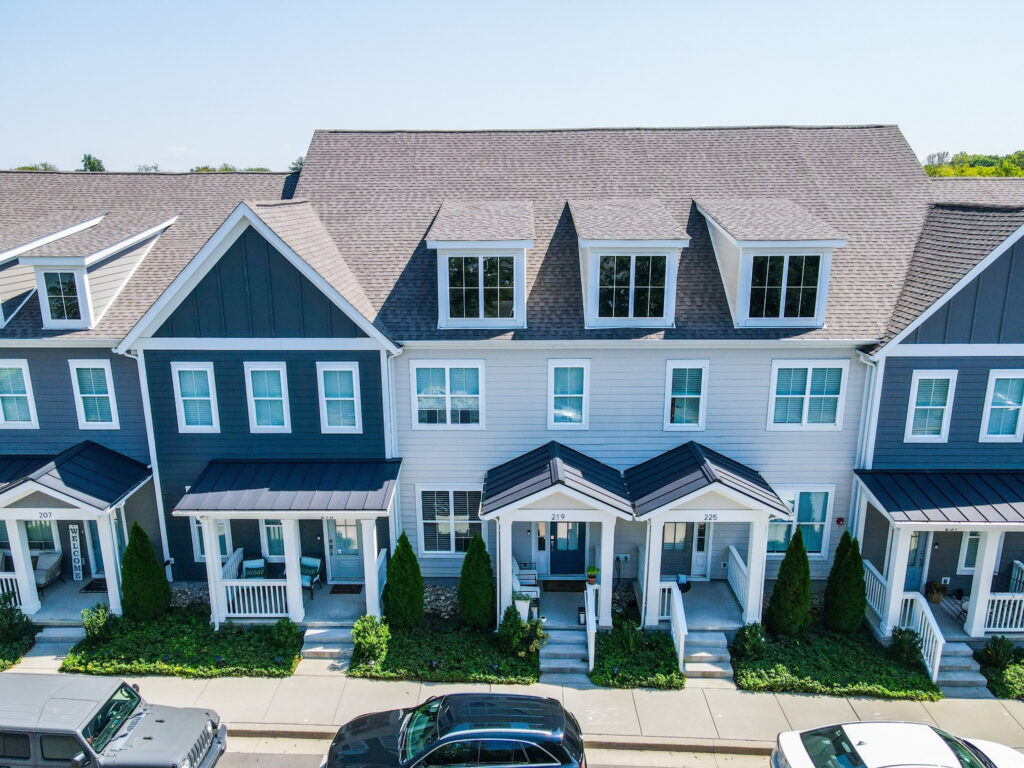
Out‑of‑State investors can compare Tennessee’s newer rental with higher NOI vs Florida’s A+ property with strong yield. Which fits YOUR investment strategy?
We have much more inventory available than what you see on our website – Let us know about your requirement.
📈 Choose Your Winner & Contact Us Today!
Speak to a Norada Investment Counselor (No Obligation):
(800) 611-3060
Mortgage rates remain high in 2026, but rental properties continue to deliver strong cash flow and appreciation. Savvy investors know that turnkey real estate is the path to passive income and long‑term wealth.
Norada Real Estate helps you secure turnkey rental properties designed for immediate cash flow and appreciation—so you can invest smartly regardless of interest rate trends.
Also Read:
- Mortgage Rates Predictions Backed by 7 Leading Experts: 2025–2026
- Mortgage Rate Predictions for the Next 3 Years: 2026, 2027, 2028
- 30-Year Fixed Mortgage Rate Forecast for the Next 5 Years
- 15-Year Fixed Mortgage Rate Predictions for Next 5 Years: 2025-2029
- Will Mortgage Rates Ever Be 3% Again in the Future?
- Mortgage Rates Predictions for Next 2 Years
- Mortgage Rate Predictions for Next 5 Years
- Mortgage Rate Predictions: Why 2% and 3% Rates are Out of Reach
- How Lower Mortgage Rates Can Save You Thousands?
- How to Get a Low Mortgage Interest Rate?
- Will Mortgage Rates Ever Be 4% Again?