If you've been thinking about refinancing your mortgage, today's news might make you pause. On this Monday, July 27, 2026, the average rate for a 30-year fixed refinance has nudged up to 7.18%. This is a jump of 14 basis points from where we were last week, making it a bit more expensive to lock in a new loan. So, if you're wondering what's happening with mortgage rates today, the simple answer is: they're climbing.
Now we're consistently seeing them in the mid-to-high 6%s. My own experience in this market tells me that these small shifts can add up, especially when you're looking at a loan over many years. It's like trying to catch a moving target, and right now, that target is moving upwards.
Mortgage Rates Today, July 27, 2026: 30-Year Refinance Rate Rises by 14 Basis Points
What's Behind the Rate Hike?
You might be asking yourself, “Why are rates going up again?” It's a valid question, and it's not just one thing. Think of it like a recipe with several ingredients, and today, a few of those ingredients are making the final dish a bit spicier.
Key Factors Pushing Rates Higher:
- Global Worries and Oil Prices: We've seen some renewed trouble in the Middle East, involving Iran. When this kind of thing happens, oil prices tend to jump. Higher oil prices mean things cost more, and that often leads to inflation, which is like a hidden tax on your money. Lenders notice this and have to raise their rates to keep up.
- Government Bonds Acting Up: You know how your mortgage rate seems to move with the stock market? Well, it's also very connected to what's called the 10-year U.S. Treasury bond yield. Because of all the global tension and worries about prices going up, these bonds are becoming less attractive, and their yields (which is sort of like the interest you get) are going up. As these yields climb, so do our mortgage rates. Right now, they're hovering around 4.7%.
- The Federal Reserve's Stance: Our central bank, the Federal Reserve (or “the Fed”), has been holding steady on its interest rates for a while, keeping them between 3.50% and 3.75%. But lately, they've been sounding a bit tougher. They're seeing that prices are still rising, and they're worried about it. This means that instead of cutting rates, they might actually raise them later this year. This news dashes hopes many people had for cheaper borrowing.
- A Strong Economy (Yes, Really!): It might sound strange, but a strong economy can sometimes lead to higher mortgage rates. When people are spending money and jobs are plentiful, it signals that the economy isn't slowing down enough. The Fed and lenders see this as a reason why prices might keep going up, so they're less likely to lower borrowing costs.
Today's Refinance Rates at a Glance
To give you a clearer picture, here’s a look at some of the national average refinance rates as announced by Zillow today, July 27, 2026:
| Loan Type | Current Average Rate | Change from Previous Day | Change from Previous Week |
|---|---|---|---|
| 30-Year Fixed Refinance | 7.18% | +8 basis points | +14 basis points |
| 15-Year Fixed Refinance | 6.22% | – | +13 basis points |
| 5-Year ARM Refinance | 6.00% | – | – |
Note: Rates are from Zillow and represent national averages. Daily changes for the 15-year fixed and 5-year ARM were not explicitly provided for this specific day but their weekly trends are noted.
As you can see, the 30-year fixed refinance rate is the one that saw a noticeable jump of 8 basis points just today, bringing it to 7.18%. Over the past week, it has climbed a total of 14 basis points. The 15-year fixed refinance rate also continues its upward trend, up 13 basis points from last week to 6.22%. The 5-year adjustable-rate mortgage (ARM) refinance rate is currently holding steady at 6.00%.
The Short-Term Trend: It's a Rollercoaster!
Looking at the bigger picture, the trend for mortgage rates over the past few months has been… well, bumpy. Rates hit a low point of around 6.01% back in February 2026. Since then, they've been on a climb, mostly staying in the mid-to-high 6% range.
What I’ve learned from watching this for years is that “volatile” and “shifting upward” are the words that best describe what's happening. We've seen daily ups and downs, but the overall direction has been higher. In fact, over the last week alone, rates have moved up about 16 basis points.
Most experts I follow are predicting more of this “flippy,” choppy behavior for the rest of 2026. That means we might see days where rates drop a little, only to climb again. The general consensus is that we'll likely be stuck with rates above 6% for the remainder of the year. This isn't ideal for those hoping for a big drop, but it's the reality we're facing.
Should You Refinance Now? My Two Cents.
This is the million-dollar question, isn't it? With rates ticking up, it makes the decision to refinance a bit tougher. My personal take is that you always need to look at your own situation.
- Your Current Rate: Are you sitting on a rate much higher than what's available now? Even with today's increase, if your current rate is, say, 8% or 9%, then refinancing into a 7.18% rate could still save you a significant amount of money over time.
- How Long You Plan to Stay: If you plan to sell your home in a few years, the math might not work out for a refinance due to closing costs. But if you see yourself in this home for the long haul, then saving even a fraction of a percent on your monthly payment can add up to thousands.
- Your Financial Goals: Are you looking to lower your monthly payment, pay off your mortgage faster, or perhaps cash out some equity? Understanding your goal will help you decide if the current rates, even with the increase, are right for you.
I always tell people to run the numbers with a trusted loan officer. They can help you calculate your break-even point – that's the point where the money you save on your monthly payments equals the money you spent on closing costs. If you break even before you plan to move or refinance again, it's likely a good move.
Looking Ahead
The mortgage market is a bit like the weather – unpredictable! The geopolitical events, the Fed's decisions, and the strength of our economy all play a big role. While today’s increase is a bit of a bummer, it's important to stay informed and make decisions based on your personal financial goals and circumstances. Don't let a few basis points scare you off if refinancing makes sense for you in the long run. Keep an eye on these rates, but more importantly, keep an eye on what works best for your family and your budget.
VS
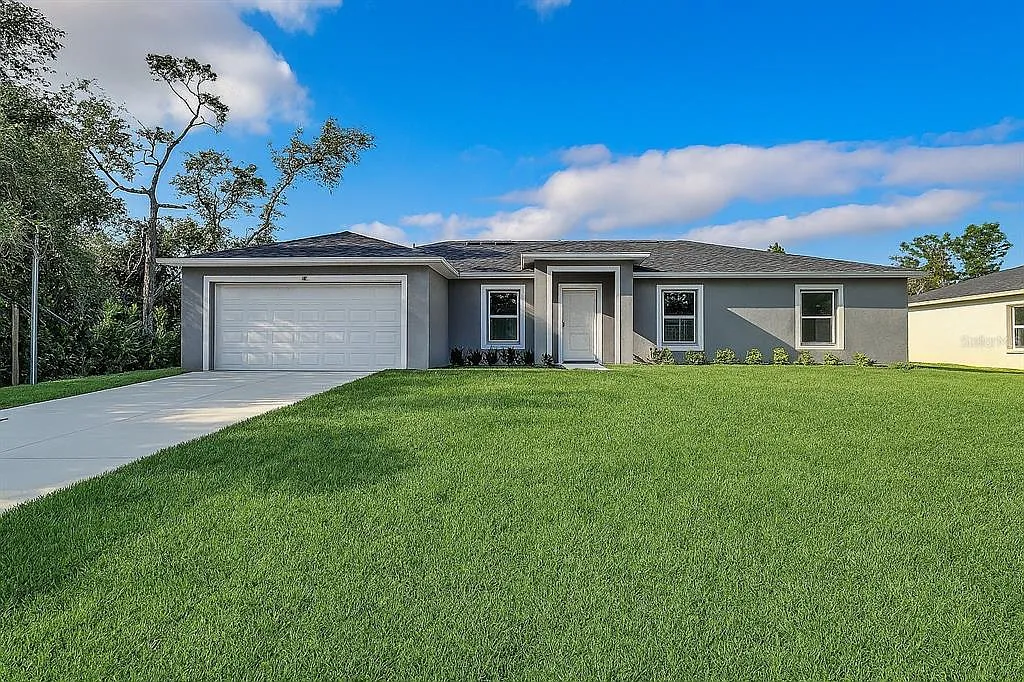
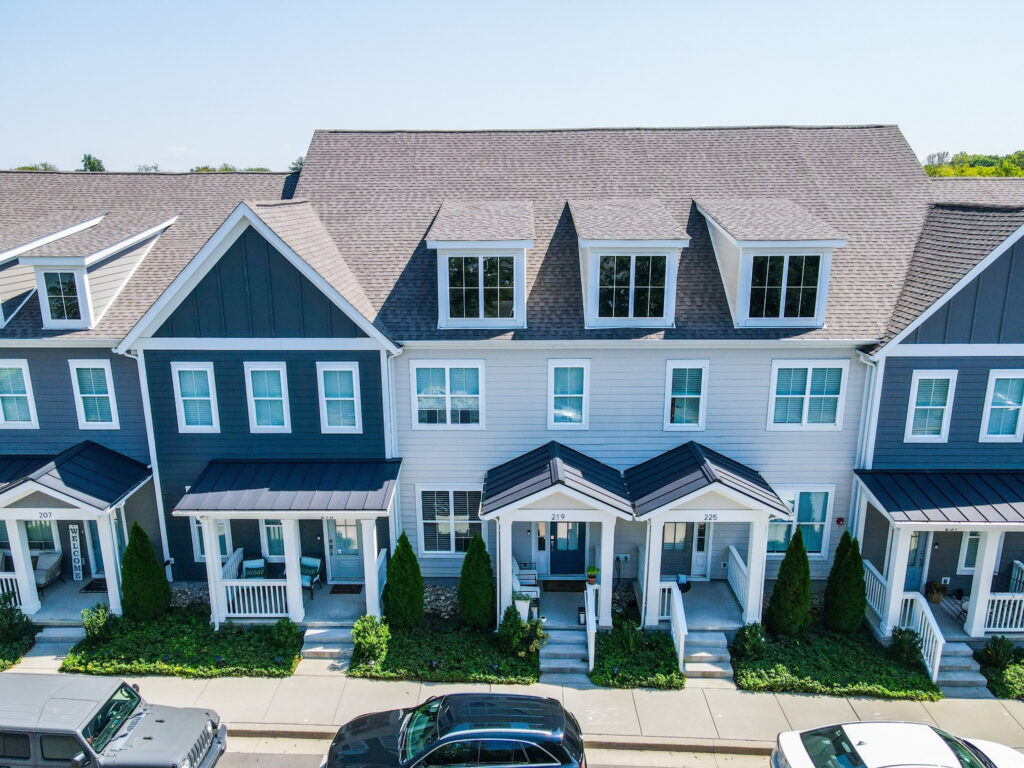
Out‑of‑State investors can compare Tennessee’s newer rental with higher NOI vs Florida’s A+ property with strong yield. Which fits YOUR investment strategy?
We have much more inventory available than what you see on our website – Let us know about your requirement.
📈 Choose Your Winner & Contact Us Today!
Speak to a Norada Investment Counselor (No Obligation):
(800) 611-3060
Mortgage rates remain high in 2026, but rental properties continue to deliver strong cash flow and appreciation. Savvy investors know that turnkey real estate is the path to passive income and long‑term wealth.
Norada Real Estate helps you secure turnkey rental properties designed for immediate cash flow and appreciation—so you can invest smartly regardless of interest rate trends.
Also Read:
- Mortgage Rates Predictions Backed by 7 Leading Experts: 2025–2026
- Mortgage Rate Predictions for the Next 3 Years: 2026, 2027, 2028
- 30-Year Fixed Mortgage Rate Forecast for the Next 5 Years
- 15-Year Fixed Mortgage Rate Predictions for Next 5 Years: 2025-2029
- Will Mortgage Rates Ever Be 3% Again in the Future?
- Mortgage Rates Predictions for Next 2 Years
- Mortgage Rate Predictions for Next 5 Years
- Mortgage Rate Predictions: Why 2% and 3% Rates are Out of Reach
- How Lower Mortgage Rates Can Save You Thousands?
- How to Get a Low Mortgage Interest Rate?
- Will Mortgage Rates Ever Be 4% Again?