If you're thinking about refinancing your home, it's important to know that mortgage rates today, Sept 8, 2026, show the 30-year refinance rate has climbed by 19 basis points. This means getting a new loan to replace your old one just got a little more expensive.
Mortgage Rates Today, Sept 8, 2026: 30-Year Refinance Rate Rises by 19 Basis Points
What's Happening with Refinance Rates Right Now?
According to Zillow, a well-known source for real estate information, the national average for a 30-year fixed refinance rate has gone up to 7.29%. This is a jump from yesterday's rate of 7.10%. It might not sound like a huge difference on paper, but over the life of a mortgage, those small increases can add up.
Here's a quick look at what Zillow reported:
| Loan Type | Rate on Sept 8, 2026 | Change from Previous Day |
|---|---|---|
| 30-Year Fixed Refinance | 7.29% | +19 basis points |
| 15-Year Fixed Refinance | 6.31% | +17 basis points |
| 5-Year ARM Refinance | 6.00% | 0 basis points |
Note: “Basis points” are just a way to talk about tiny changes in interest rates. 100 basis points equals 1%. So, a 19 basis point increase means the rate went up by 0.19%.
This isn't just a blip; the overall trend for the rest of 2026 seems to be that rates are staying pretty high, hovering in the upper 6% to low 7% range. It's a far cry from the super low rates many of us were able to get during the pandemic a few years ago.
Why Are Rates Going Up? It's a Mix of Things.
It's easy to feel confused when rates jump around. From my experience, it's rarely just one thing. Several big factors are playing a role in pushing these refinance rates higher:
- Inflation is Still a Worry: You know how the prices of things like groceries and gas seem to keep going up? That's called inflation. When prices rise too much, it makes the money we earn worth a little less. The government tries to fight this by making it more expensive to borrow money, which is what's happening with mortgage rates.
- Trouble in Other Parts of the World: Sadly, there's been renewed conflict in the Middle East. This can make oil prices go up, and when oil is more expensive, it affects the cost of many things we buy, leading to more inflation.
- What the Big Banks Are Doing: The people in charge of the country's money (like the Federal Reserve) are watching inflation closely. Because it's been higher than they want, they've been less likely to lower interest rates, and some folks even think they might raise them again to try and cool things down. This uncertainty makes lenders nervous, and they charge more for loans.
- The Stock Market and Government Debt: Mortgage rates don't follow the main interest rate set by the government directly. Instead, they tend to follow something called the 10-year U.S. Treasury yield. With the country's debt getting bigger, investors who buy these government loans want to get paid more for the risk, which pushes that yield up and, in turn, pushes mortgage rates up.
Remember the “Good Old Days”? They're Gone for Now.
Back in early 2026, we saw a moment of hope when 30-year rates dipped below 6.00%. Many people rushed to refinance then, thinking they had found a great deal. But as the year went on, rates climbed back up. It feels like we're stuck in a pattern where rates are staying stubbornly high. Experts at places like Fannie Mae and the Mortgage Bankers Association predict that rates will likely stay in the mid-to-upper 6% range for the rest of the year.
What This Means for You: Thinking About Refinancing?
If you're considering refinancing your mortgage, especially with these rising rates, it's super important to think carefully. Here are a few things I've learned that might help:
- Don't Refinance if Your Rate is Already Low: If you were lucky enough to lock in a rate below 4% a few years ago, refinancing now probably won't save you money. It usually costs money to refinance (we'll talk about that in a sec), and if your new rate isn't much lower, it's not worth it.
- Maybe Refinance if You Got a High Rate Recently: If you bought a home in late 2023 or during another period when rates were really high (some even went over 7.5%), then maybe dropping to the upper 6% range could save you a little each month. But you really need to do the math to see if the savings add up over time.
- Compare, Compare, Compare! This is probably the most important advice I can give. Don't just go with the first lender you talk to. Rates can be different from bank to bank. Studies show that people who shop around can save tens of thousands of dollars over the life of their loan. Get quotes from at least three different lenders.
- Think About “Rate Locks”: If you find a rate that works for you and offers the monthly savings you want, consider “locking in” that rate. This means the lender agrees to give you that specific rate for a certain period, even if rates go up more while your refinance is being processed. Given how unpredictable things are, this can be a smart move.
- Be Careful About Closing Costs: Refinancing isn't free. You'll have to pay fees, called closing costs, which can be a pretty big chunk of money (often 2% to 5% of how much you owe). If you refinance into a higher rate and then have to sell your house soon after, or if home values drop, you could actually lose money on those fees. So, make sure the savings you get from refinancing are enough to cover these costs and still leave you ahead.
The Big Picture: It's a Volatile Time
Right now, the mortgage market feels a bit like a roller coaster. Economic news, world events, and what the government does with money all seem to be pushing rates around. As someone who's seen these cycles before, I can tell you that being patient, doing your homework, and not rushing into decisions is key.
It's important to remember that these numbers are national averages, and your specific rate might be a little higher or lower depending on your credit score, how much you owe, and where you live.
So, while the 30-year fixed refinance rate sitting at 7.29% might seem high, the best thing you can do is stay informed, understand your own financial situation, and make the choice that feels right for you and your family.
VS
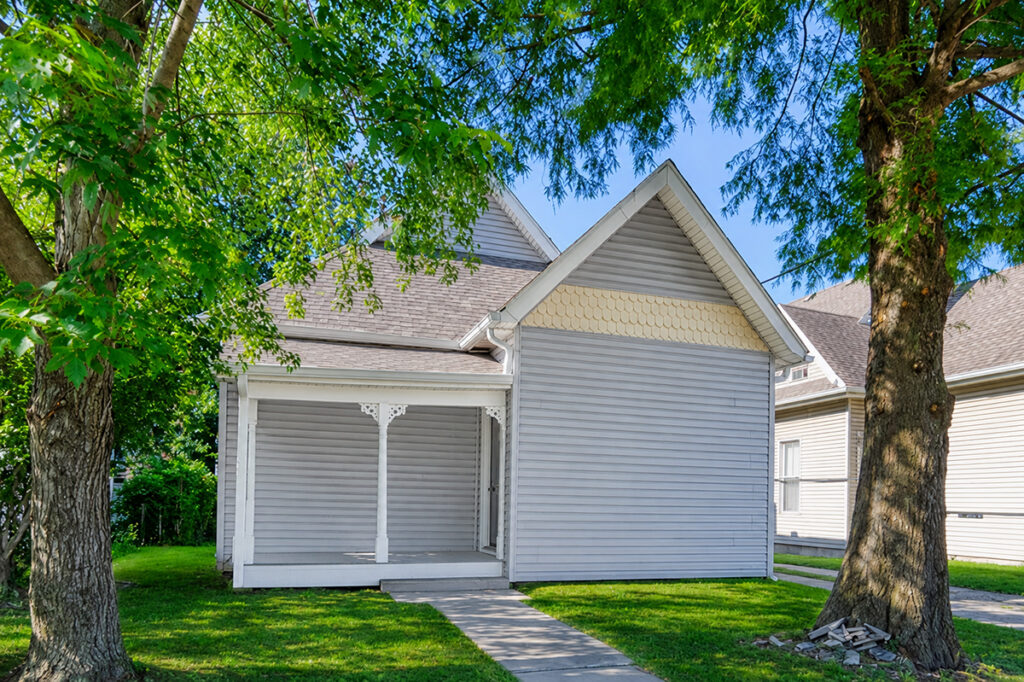
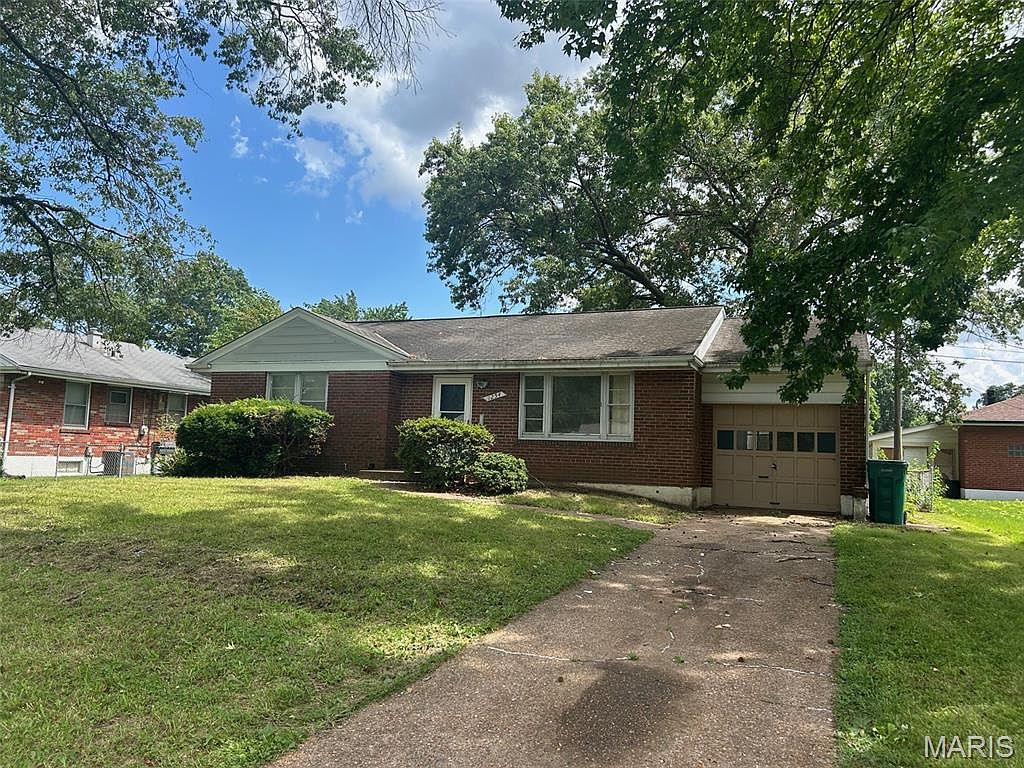
Saint Louis offers a budget‑friendly 4‑bed rental with a high cap rate, while Indianapolis provides a classic 2‑bed property with steady cash flow. Which Midwest market fits YOUR investment strategy?
We have much more inventory available than what you see on our website – Let us know about your requirement.
📈 Choose Your Winner & Contact Us Today!
Speak to a Norada Investment Counselor (No Obligation):
(800) 611-3060
Mortgage rates remain high in 2026, but rental properties continue to deliver strong cash flow and appreciation. Savvy investors know that turnkey real estate is the path to passive income and long‑term wealth.
Norada Real Estate helps you secure turnkey rental properties designed for immediate cash flow and appreciation—so you can invest smartly regardless of interest rate trends.
Also Read:
- Mortgage Rates Predictions Backed by 7 Leading Experts: 2025–2026
- Mortgage Rate Predictions for the Next 3 Years: 2026, 2027, 2028
- 30-Year Fixed Mortgage Rate Forecast for the Next 5 Years
- 15-Year Fixed Mortgage Rate Predictions for Next 5 Years: 2025-2029
- Will Mortgage Rates Ever Be 3% Again in the Future?
- Mortgage Rates Predictions for Next 2 Years
- Mortgage Rate Predictions for Next 5 Years
- Mortgage Rate Predictions: Why 2% and 3% Rates are Out of Reach
- How Lower Mortgage Rates Can Save You Thousands?
- How to Get a Low Mortgage Interest Rate?
- Will Mortgage Rates Ever Be 4% Again?