The national average 30-year fixed refinance rate is 7.10% as of September 5, 2026, according to data from Zillow. This current rate is up 13 basis points from the previous week's average of 6.97%. Additionally, the national average 15-year fixed refinance rate is 6.14%, while the national average 5-year ARM refinance rate is 6.00%. Both short-term and adjustable refinance averages remain stable week-over-week.
Let us look at all the current numbers so you can make a smart choice for your family.
Mortgage Rates Today, Sept 5, 2026: 30-Year Refinance Rate Rises by 13 Basis Points
Current Home Loan Numbers At a Glance
To help you plan your budget, I pulled the latest national averages from Zillow. Things can change fast, so use these numbers as a guide for what lenders are charging right now.
| Loan Type | Current Average Rate | Weekly Change |
|---|---|---|
| 30-Year Fixed Refinance | 7.10% | Up 13 basis points |
| 15-Year Fixed Refinance | 6.14% | Stable |
| 5-Year ARM Refinance | 6.00% | Stable |
As you can see, the 30-year fixed refinance rate went up from 6.97% last week to 7.10% today. Meanwhile, the 15-year fixed refinance is holding steady at 6.14%, and the 5-year ARM sits right at 6.00%.
Why Are Borrowing Costs Going Up Right Now?
You might wonder why these numbers keep climbing. I like to look under the hood to see what causes these shifts, and right now, a mix of global stress and money markets is pushing rates higher.
- Oil Spikes and Conflict: New military strikes and tensions between the U.S. and Iran have people scared about inflation. When global oil prices jump, the cost of everyday goods goes up, and that directly pushes consumer price expectations higher.
- The Bond Market Sell-Off: Mortgage rates love to follow the 10-year U.S. Treasury yield. Because folks are worried about rising national debt and inflation, a massive sell-off in the global bond market just sent those yields marching up toward 4.25%.
- Federal Reserve Surprises: Not long ago, experts thought the Fed would keep cutting rates. Now, because energy costs are driving up inflation, some economists warn we might actually see a rate hike this month instead of a cut.
What This Means for Your Refinance Plans
If you are sitting on a home loan from a few years ago when rates were under 4%, you are likely experiencing the “lock-in effect.” That means you have a great deal, and giving it up to take out a new loan at 7.10% simply does not make financial sense. I certainly would not trade a 3% rate for a 7% rate!
However, your situation might be different if you bought a house earlier this year when rates spiked even higher. If you locked in a loan above 7% or 7.5% a few months ago, today's rates might give you a tiny chance to lower your monthly payment just a bit.
I also want to warn you about waiting for a major drop. Major groups like Fannie Mae and the Mortgage Bankers Association recently updated their long-term predictions. They now expect 30-year rates to stay between 6.6% and 6.8% through the end of 2026 and well into 2027.
If you are waiting around for rates to drop back down to 5%, you could be waiting for a very long time.
Smart Steps to Take With Your Mortgage
When the market jumps up and down like this, you have to protect your wallet. Here are a few practical tips I keep in mind when dealing with high borrowing costs:
- Do the Math Carefully: Do not just look at the interest rate. Look at closing costs, too. If it costs thousands of dollars in fees to lower your payment by just $30 a month, it is not worth your time.
- Consider Shorter Terms: If your budget allows for it, take a hard look at the 15-year fixed refinance rate at 6.14%. You will pay more each month than you would on a 30-year loan, but you will save a massive amount of money in total interest over the life of the loan.
- Lock It In Fast: Because world news is so unpredictable right now, waiting to see if rates get better is a risky game. If you find a lender offering a rate that fits your budget, lock it in quickly before another headline sends rates higher again.
VS
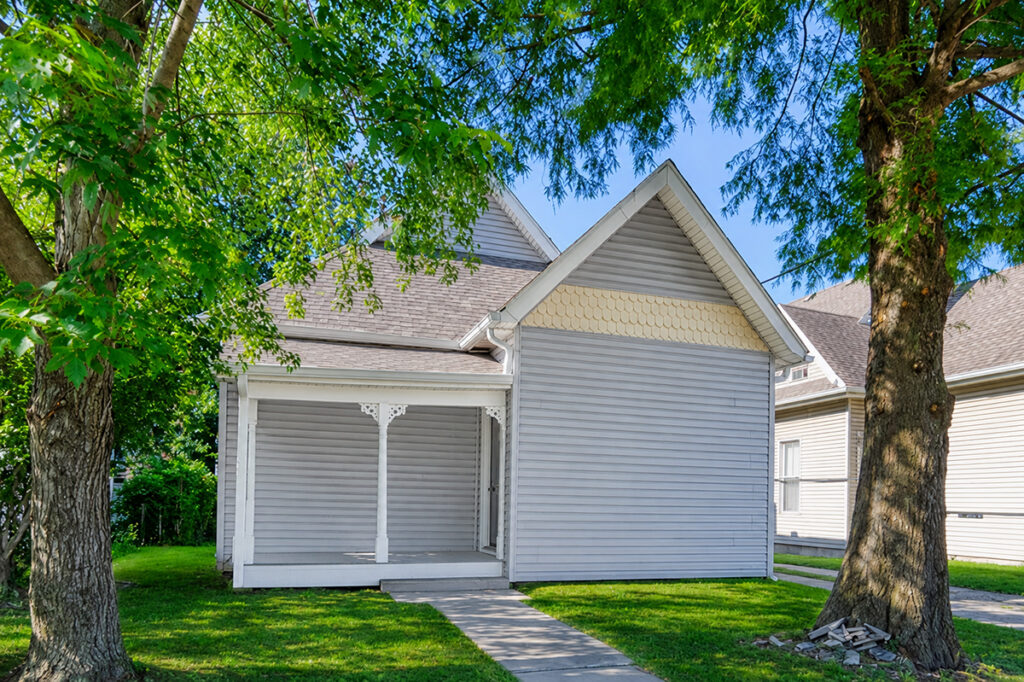
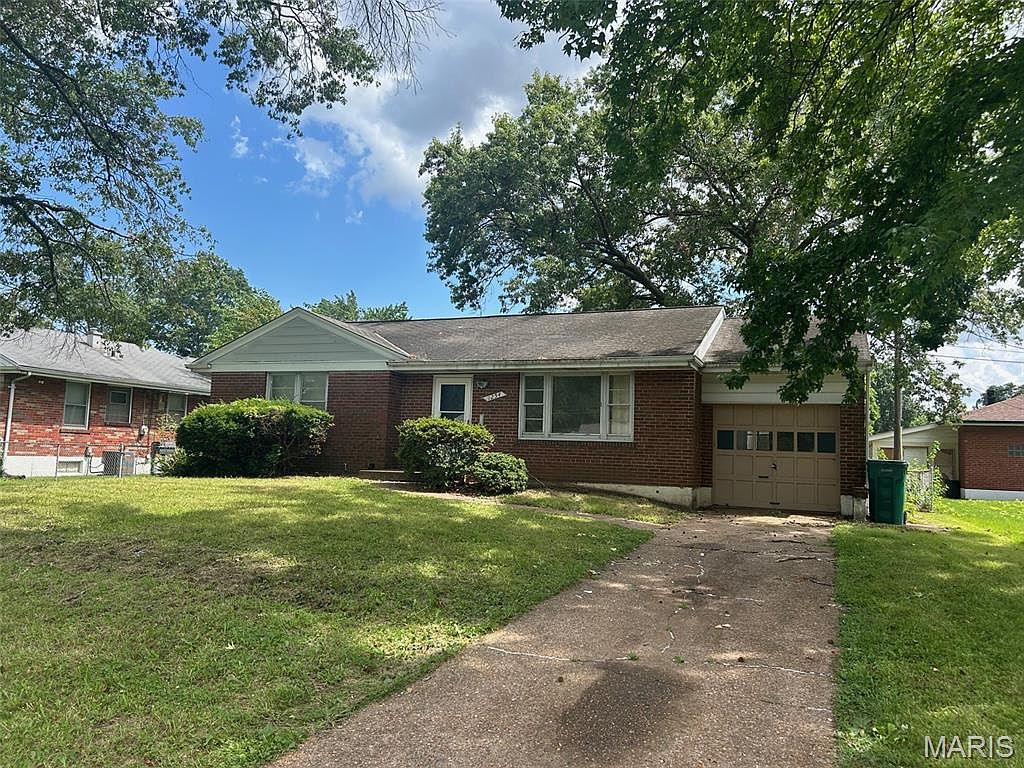
Saint Louis offers a budget‑friendly 4‑bed rental with a high cap rate, while Indianapolis provides a classic 2‑bed property with steady cash flow. Which Midwest market fits YOUR investment strategy?
We have much more inventory available than what you see on our website – Let us know about your requirement.
📈 Choose Your Winner & Contact Us Today!
Speak to a Norada Investment Counselor (No Obligation):
(800) 611-3060
Mortgage rates remain high in 2026, but rental properties continue to deliver strong cash flow and appreciation. Savvy investors know that turnkey real estate is the path to passive income and long‑term wealth.
Norada Real Estate helps you secure turnkey rental properties designed for immediate cash flow and appreciation—so you can invest smartly regardless of interest rate trends.
Also Read:
- Mortgage Rates Predictions Backed by 7 Leading Experts: 2025–2026
- Mortgage Rate Predictions for the Next 3 Years: 2026, 2027, 2028
- 30-Year Fixed Mortgage Rate Forecast for the Next 5 Years
- 15-Year Fixed Mortgage Rate Predictions for Next 5 Years: 2025-2029
- Will Mortgage Rates Ever Be 3% Again in the Future?
- Mortgage Rates Predictions for Next 2 Years
- Mortgage Rate Predictions for Next 5 Years
- Mortgage Rate Predictions: Why 2% and 3% Rates are Out of Reach
- How Lower Mortgage Rates Can Save You Thousands?
- How to Get a Low Mortgage Interest Rate?
- Will Mortgage Rates Ever Be 4% Again?



