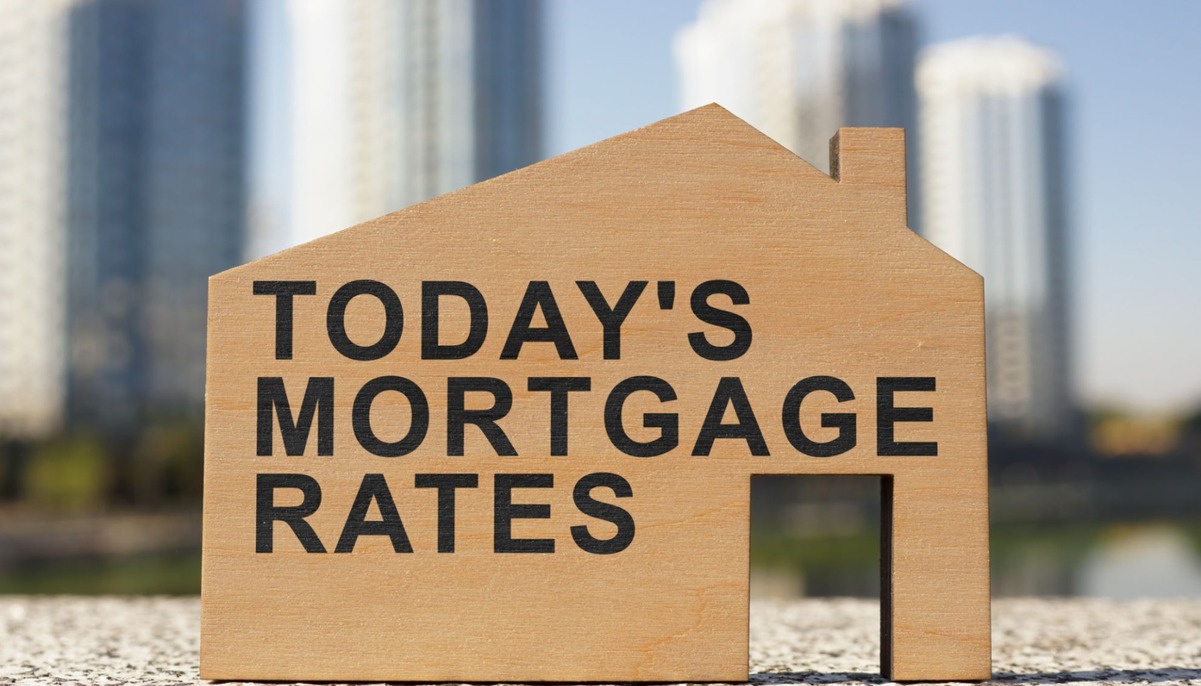
Mortgage rates today, September 3, 2026, average 6.69% for a 30‑year fixed loan and 6.00% for a 15‑year fixed, according to Zillow. These figures show rates holding steady in the mid‑6% range, a reminder that while the market isn’t surging higher, it also hasn’t returned to the ultra‑low levels of past years. For buyers and homeowners considering refinancing, today’s snapshot underscores the importance of comparing lenders and understanding the broader economic forces keeping rates elevated.
Today's Mortgage Rates, September 3: Buyers Face Sticky Rates in Mid‑6% Range
Current Mortgage Rates Snapshot
To give you a clearer picture, here's a look at the average rates (Zillow) for different types of mortgages today. It’s always good to see how the different options stack up.
| Loan Type | Average Rate |
|---|---|
| 30-year fixed | 6.69% |
| 20-year fixed | 6.46% |
| 15-year fixed | 6.00% |
| 5/1 ARM | 6.64% |
| 7/1 ARM | 6.51% |
| 30-year VA | 6.24% |
| 15-year VA | 5.92% |
| 5/1 VA | 6.06% |
A note on ARMs: ARMs, or Adjustable-Rate Mortgages, have an interest rate that can change after an initial period. They often start lower than fixed-rate mortgages but can go up later.
What's Making Rates Tick Upwards?
It’s not just one thing. Think of it like a recipe with a few key ingredients that are influencing how much it costs to borrow money for a home.
- What's Happening Far Away Matters: You might have heard about the recent troubles in Iran. When there's uncertainty or conflict in places like the Middle East, especially around busy shipping lanes, the price of oil often goes up. And when oil prices climb, it can make everyone worry a bit more about inflation – that's when prices for everything start to rise. Higher inflation usually means higher borrowing costs. Brent crude oil has actually gone above $92 a barrel because of this, which is a clear sign that these global events have a real impact on our wallets.
- The Bond Market's Mood Swings: This is a bit more technical, but it's super important. Mortgage rates often follow what's happening with a specific type of investment called the 10-year Treasury yield. When lots of people are buying these bonds, the yield (which is like the interest rate you get) goes down. But when people get nervous about the economy or inflation, they tend to sell off bonds, which makes the yield go up. Recently, the 10-year Treasury yield has climbed to about 4.75%. When that happens, mortgage rates tend to follow right behind it, going up too.
- The Fed's Careful Stance: The Federal Reserve (often called the “Fed”) is like the captain of the U.S. economy ship. They have tools to speed things up or slow them down. Last year, they did cut interest rates a bit. But this year, they've been holding steady. With inflation still sticking around at 3.4%, some people at the Fed are actually talking about raising rates, not cutting them. This cautious approach signals that they're serious about getting inflation under control, and that can make borrowing money more expensive.
What Could Potentially Bring Rates Down?
Now, it's not all one-way traffic. There are things that could help ease the pressure on mortgage rates in the future.
- Shifts in the Stock Market: If the stock market suddenly gets really bumpy or starts to fall a lot, people often get a little scared. When that happens, they might pull their money out of stocks and put it into safer investments, like those government bonds I mentioned earlier. When more people buy bonds, their yields tend to go down, which can give mortgage rates a little bit of breathing room.
- Signs of a Cooling Economy: The government puts out reports about how the economy is doing. If these reports, like job numbers or how much people are spending, show that things are slowing down more than expected, it could signal that inflation might cool off. And if inflation looks like it's going to slow down, the Fed might be more comfortable letting interest rates fall, which could lead to lower mortgage rates.
My Thoughts for Buyers and Homeowners
I've seen so many people get caught up waiting for the “perfect” moment to buy a house or refinance. My advice? Don't wait around forever if you've found something that works for you.
- For Those Looking to Buy: If you're a buyer, don't hold out for a market that might never come. When rates are a bit higher, there's often less competition from other buyers. This can actually give you more power to negotiate a better price for the house you love. If you find a home that fits your budget and your needs right now, it's often a smart move to lock in the rate. Remember, you can always look into refinancing down the road if interest rates do drop significantly later on. It's like buying a great pair of shoes that are a little pricier now, but you know you'll wear them for years.
- For Sellers and People Refinancing: Home prices are still pretty high, which is good if you're selling. But the pace at which prices are going up is starting to slow down across the country. If you're a homeowner thinking about tapping into your home's value (maybe for renovations or other needs), a Home Equity Line of Credit (HELOC) is currently averaging around 8.09%. That's something to keep in mind. Another strategy some people are using, especially with new construction, is a builder rate buy-down. This is where the builder helps lower your interest rate for the first few years. If you're moving and have an existing mortgage with a really low rate, you might even be able to assume that mortgage if the new property allows it – that's a hidden gem if it's an option!
- The Power of Shopping Around: This is a big one, and I can't stress it enough. I've seen it happen time and time again: people go with the first lender they talk to. A recent study by Bankrate found that buyers who get quotes from at least three different lenders can save an average of $78,000 over the life of their loan. That's a massive amount of money! Each lender might have slightly different rates or fees, and shopping around is how you find the best deal for your specific situation. It’s like comparing prices for a big purchase – you wouldn’t just buy the first car you see, right?
In Conclusion: Today's mortgage rates show us a market that's stable but not dropping like a stone. Understanding the forces at play – from global events to the Fed's decisions – can help you make informed choices. Whether you're buying, selling, or refinancing, a little bit of knowledge and a lot of shopping around can make a big difference.
VS
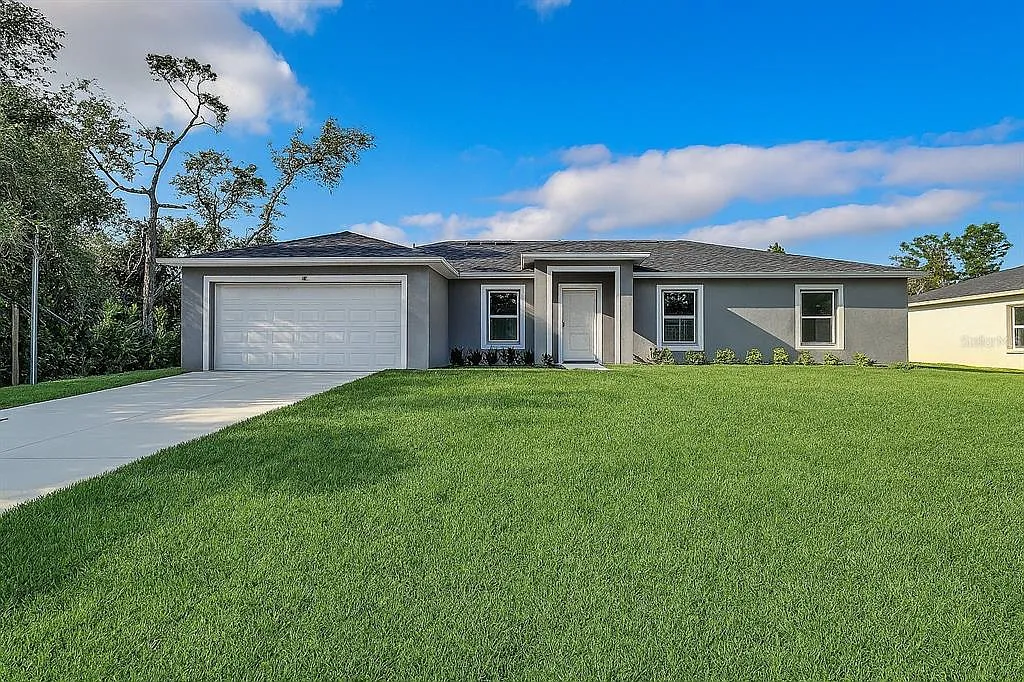
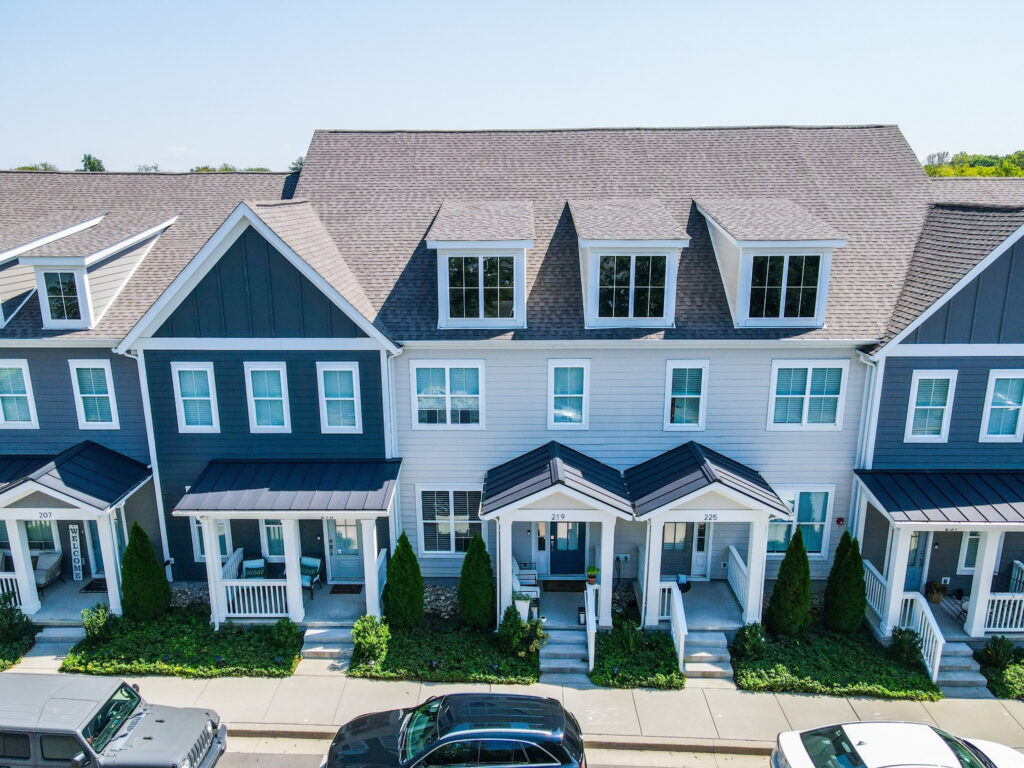
Out‑of‑State investors can compare Tennessee’s newer rental with higher NOI vs Florida’s A+ property with strong yield. Which fits YOUR investment strategy?
We have much more inventory available than what you see on our website – Let us know about your requirement.
📈 Choose Your Winner & Contact Us Today!
Speak to a Norada Investment Counselor (No Obligation):
(800) 611-3060
Mortgage rates remain high in 2026, but rental properties continue to deliver strong cash flow and appreciation. Savvy investors know that turnkey real estate is the path to passive income and long‑term wealth.
Norada Real Estate helps you secure turnkey rental properties designed for immediate cash flow and appreciation—so you can invest smartly regardless of interest rate trends.
Also Read:
- Mortgage Rates Predictions Backed by 7 Leading Experts: 2025–2026
- Mortgage Rate Predictions for the Next 3 Years: 2026, 2027, 2028
- 30-Year Fixed Mortgage Rate Forecast for the Next 5 Years
- 15-Year Fixed Mortgage Rate Predictions for Next 5 Years: 2025-2029
- Will Mortgage Rates Ever Be 3% Again in the Future?
- Mortgage Rates Predictions for Next 2 Years
- Mortgage Rate Predictions for Next 5 Years
- Mortgage Rate Predictions: Why 2% and 3% Rates are Out of Reach
- How Lower Mortgage Rates Can Save You Thousands?
- How to Get a Low Mortgage Interest Rate?
- Will Mortgage Rates Ever Be 4% Again?