Well, it looks like those dreams of a lower monthly mortgage payment just got a little bit trickier to grab. As of today, September 2, 2026, the average 30-year fixed refinance rate has jumped up to 7.30%. That's a significant increase, especially when you consider it's a climb of 33 basis points from just a week ago. If you've been thinking about refinancing, this news might feel like a punch to the gut, but don't despair just yet. Let's break down what this means and what you can still do.
Mortgage Rates Today, September 2, 2026: 30-Year Refinance Rate Rises by 33 Basis Points
Let's look at the numbers Zillow provided to see where things stand:
| Loan Type | Current Average Rate (September 2, 2026) | Change from Previous Week |
|---|---|---|
| 30-Year Fixed Refinance | 7.30% | +33 basis points |
| 15-Year Fixed Refinance | 6.19% | -4 basis points |
| 5-Year ARM Refinance | 6.25% | No change |
Note: Rates are from Zillow.
As you can see, the 30-year fixed refinance rate is the one making the big headlines today. It's a significant jump, and it's important for anyone considering this option to understand what that means for their long-term financial plans.
Why the Sudden Jump?
It's easy to just see a number go up and feel frustrated, but it's important to understand why these rates are moving. Mortgage rates don't just decide to go up or down on a whim. They're influenced by a lot of bigger things happening in the world.
- The Fed and Inflation: The people in charge of our money, the Federal Reserve, are keeping a close eye on how much things are costing (inflation). If prices are still going up too fast, they might keep interest rates high or even raise them more. This makes borrowing money more expensive for everyone, including when you want to refinance your home.
- Bond Market Buzz: Mortgage rates often follow something called the 10-year U.S. Treasury yield. Think of this like a big indicator of how much people expect to pay for borrowing money in the future. Right now, this yield is inching up towards 4.74%. When these yields go up, mortgage rates usually follow suit.
- Oil Prices: Remember when gas prices seemed to be going up? That's often because of things like oil prices. When oil costs more, it can make other things cost more too, which is a kind of inflation. And as we just talked about, inflation makes interest rates go up. We've seen oil prices jump to around $86 a barrel, and that adds to the pressure on rates to rise.
What This Means for You
So, with rates going up, what does this mean for your wallet?
First off, if you were hoping to refinance to get a lower monthly payment, those hopes might need to be put on hold for a bit. The current higher rates mean that the difference between what you're paying now and what you would pay with a new loan is shrinking.
This jump in rates has already had an effect. Zillow noted an 18% drop in refinance applications just last week. People are seeing the window of opportunity for lower rates closing, and they're either rushing to get in or deciding to wait it out.
I've been in the mortgage world for a while, and I've seen this happen before. When rates are low, everyone wants to refinance. When they start climbing, a lot of people back off. It's a natural reaction, but it's important to remember that sometimes opportunities still exist even when rates aren't at their absolute lowest.
Should You Still Refinance? Let's Figure It Out.
Just because the national average went up doesn't mean refinancing is a bad idea for you. We need to look at your personal situation.
Here are some things I always tell people to consider:
- The “Rule of Thumb” Test: A common piece of advice is that you should aim to lower your interest rate by at least 0.75% to 1.0% to make refinancing worth it. If you got your current mortgage when rates were super high, say between 2022 and 2025, you might still be in a good spot to save money, even with today's rates.
- Calculate Your Break-Even Point: When you refinance, you have to pay fees, called closing costs. These can be anywhere from 2% to 5% of your loan amount. You need to figure out how much money you'll save each month and then divide those closing costs by your monthly savings. This tells you how many months it will take to “break even” – to get back the money you spent on fees. If you plan to move or pay off your house before that break-even point, you could end up losing money.
- Think About Your Loan Term: Let's say you've been paying on a 30-year mortgage for a few years. If you refinance into a new 30-year mortgage, you're essentially starting over and extending how long you'll be paying for your home. While the monthly payment might be lower, you could end up paying more interest over the life of the loan. Sometimes, switching to a 15-year fixed loan is a better option. The rates are usually lower, and you'll pay off your home faster and build equity quicker. But be aware that the monthly payments will be higher because you're paying more principal each month.
- Your Credit Score Matters: The best interest rates are usually offered to people with excellent credit scores and a low debt-to-income ratio (how much you owe compared to how much you earn). If your credit isn't perfect, or you have a lot of other debts, the rate you're offered might be higher than the national average.
My Two Cents: Don't Panic, But Be Smart
My personal take? This isn't the time to panic, but it is the time to be extra thoughtful. If you were on the fence about refinancing, this rate increase might give you the push to seriously evaluate if it's still the right move.
- For those with higher current rates: If you locked in a rate above 8% a couple of years ago, even 7.30% might still be a great deal for you. Do the math!
- For those with rates around 6-7%: This is where it gets trickier. The savings might not be as dramatic, and you really need to look at those closing costs and your break-even point carefully.
- Consider the 15-year option: If your budget can handle it, a 15-year refinance might offer a better long-term financial advantage, even if the monthly payment is higher. You'll save a ton on interest over time.
The key is to not just look at the national average. Get personalized quotes. Talk to a mortgage lender you trust. They can help you crunch the numbers based on your specific credit score, debt, and financial goals.
The mortgage market is always moving, and today's news is just another chapter. Stay informed, do your homework, and make the best decision for your financial future.
VS

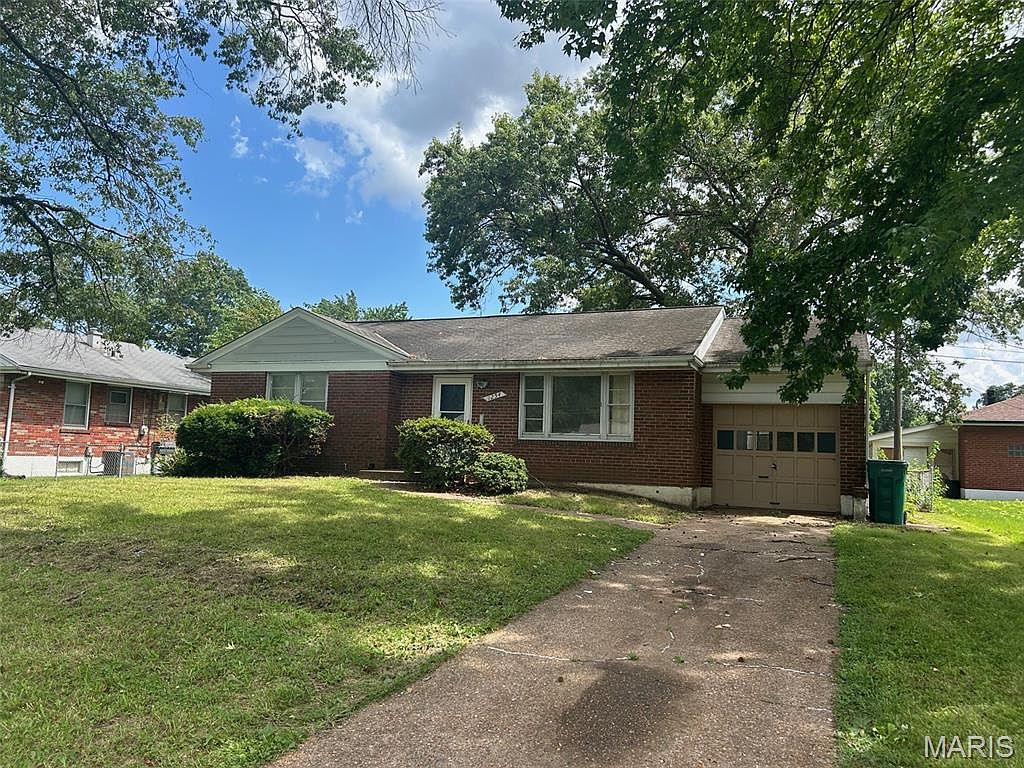
Saint Louis offers a budget‑friendly 4‑bed rental with a high cap rate, while Indianapolis provides a classic 2‑bed property with steady cash flow. Which Midwest market fits YOUR investment strategy?
We have much more inventory available than what you see on our website – Let us know about your requirement.
📈 Choose Your Winner & Contact Us Today!
Speak to a Norada Investment Counselor (No Obligation):
(800) 611-3060
Mortgage rates remain high in 2026, but rental properties continue to deliver strong cash flow and appreciation. Savvy investors know that turnkey real estate is the path to passive income and long‑term wealth.
Norada Real Estate helps you secure turnkey rental properties designed for immediate cash flow and appreciation—so you can invest smartly regardless of interest rate trends.
Also Read:
- Mortgage Rates Predictions Backed by 7 Leading Experts: 2025–2026
- Mortgage Rate Predictions for the Next 3 Years: 2026, 2027, 2028
- 30-Year Fixed Mortgage Rate Forecast for the Next 5 Years
- 15-Year Fixed Mortgage Rate Predictions for Next 5 Years: 2025-2029
- Will Mortgage Rates Ever Be 3% Again in the Future?
- Mortgage Rates Predictions for Next 2 Years
- Mortgage Rate Predictions for Next 5 Years
- Mortgage Rate Predictions: Why 2% and 3% Rates are Out of Reach
- How Lower Mortgage Rates Can Save You Thousands?
- How to Get a Low Mortgage Interest Rate?
- Will Mortgage Rates Ever Be 4% Again?



